Ono Hirohisa, Nishijima Yoji, Ohta Shigeo
Departments of Neurosurgery and Neurology, Nishijima Hospital, Ohoka, 2835-7, Numazu City 410-0022, Japan.
Department of Neurology Medicine, Graduate School of Medicine, Juntendo University, 2-1-1 Hongo, Bunkyo-ku, Tokyo 113-8421, Japan.
Pharmaceuticals (Basel). 2023 Mar 13;16(3):434. doi: 10.3390/ph16030434.
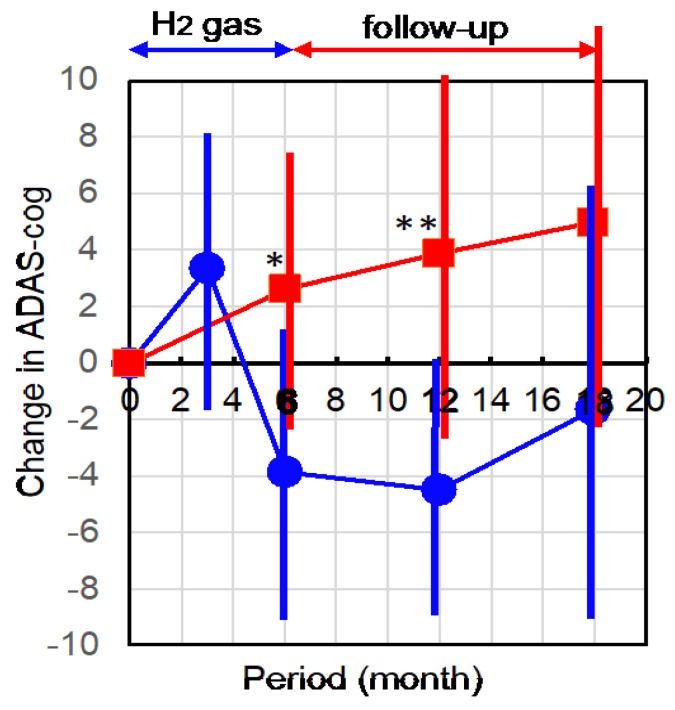
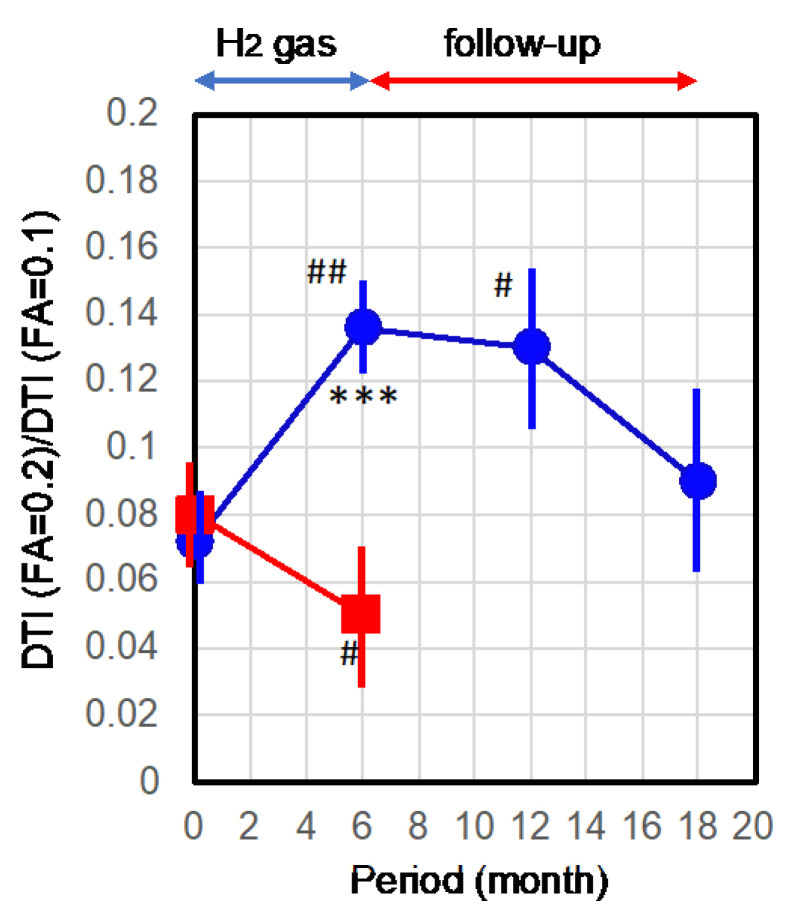
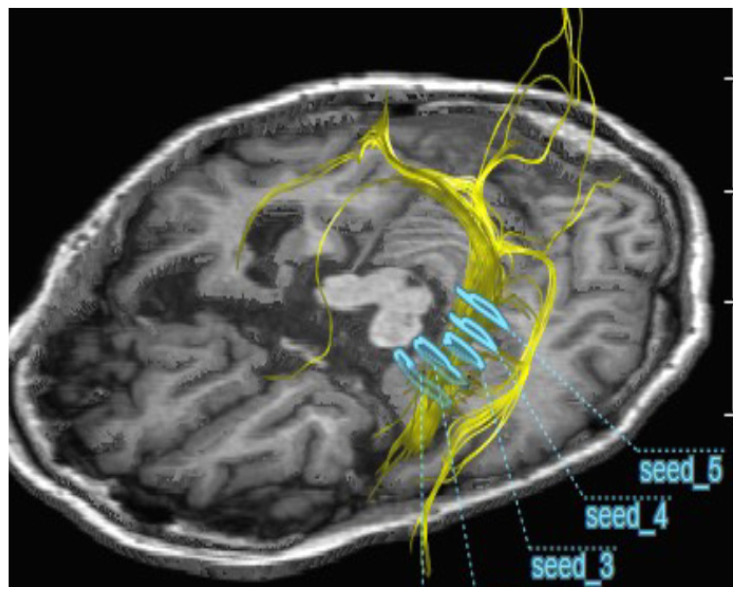
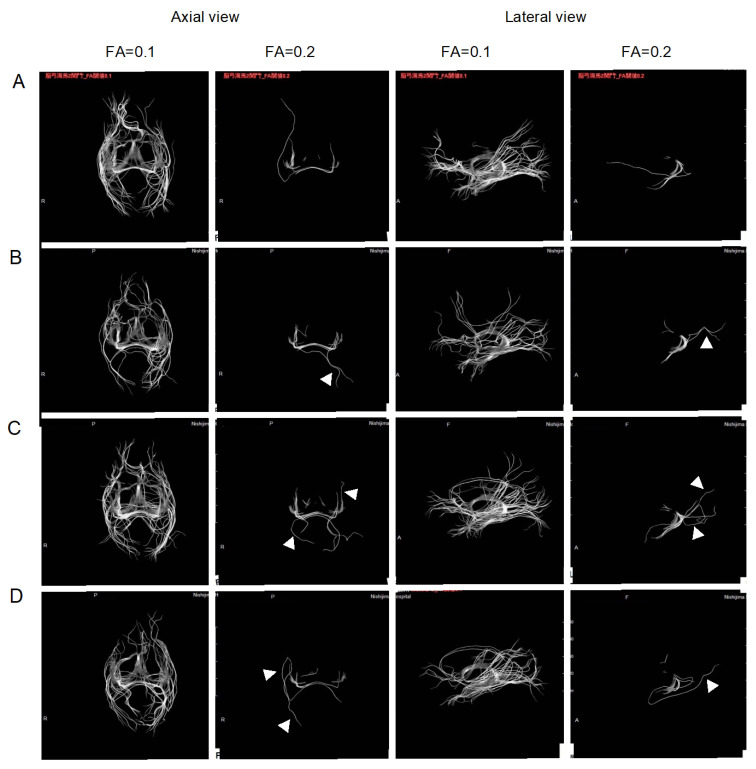
(1) Background: Alzheimer's disease (AD) is a progressive and fatal neurodegenerative disorder. Hydrogen gas (H) is a therapeutic medical gas with multiple functions such as anti-oxidant, anti-inflammation, anti-cell death, and the stimulation of energy metabolism. To develop a disease-modifying treatment for AD through multifactorial mechanisms, an open label pilot study on H treatment was conducted. (2) Methods: Eight patients with AD inhaled 3% H gas for one hour twice daily for 6 months and then followed for 1 year without inhaling H gas. The patients were clinically assessed using the Alzheimer's Disease Assessment Scale-cognitive subscale (ADAS-cog). To objectively assess the neuron integrity, diffusion tensor imaging (DTI) with advanced magnetic resonance imaging (MRI) was applied to neuron bundles passing through the hippocampus. (3) Results: The mean individual ADAS-cog change showed significant improvement after 6 months of H treatment (-4.1) vs. untreated patients (+2.6). As assessed by DTI, H treatment significantly improved the integrity of neurons passing through the hippocampus vs. the initial stage. The improvement by ADAS-cog and DTI assessments were maintained during the follow-up after 6 months (significantly) or 1 year (non-significantly). (4) Conclusions: This study suggests that H treatment not only relieves temporary symptoms, but also has disease-modifying effects, despite its limitations.
(1)背景:阿尔茨海默病(AD)是一种进行性致命的神经退行性疾病。氢气(H₂)是一种具有多种功能的治疗性医用气体,如抗氧化、抗炎、抗细胞死亡以及刺激能量代谢。为了通过多因素机制开发针对AD的疾病修饰治疗方法,开展了一项关于氢气治疗的开放标签试点研究。(2)方法:8名AD患者每天两次吸入3%氢气,每次1小时,持续6个月,然后在不吸入氢气的情况下随访1年。使用阿尔茨海默病评估量表认知子量表(ADAS-cog)对患者进行临床评估。为了客观评估神经元完整性,将先进的磁共振成像(MRI)扩散张量成像(DTI)应用于穿过海马体的神经束。(3)结果:与未治疗患者(+2.6)相比,氢气治疗6个月后,个体ADAS-cog变化均值显示出显著改善(-4.1)。通过DTI评估,与初始阶段相比,氢气治疗显著改善了穿过海马体的神经元的完整性。ADAS-cog和DTI评估的改善在6个月(显著)或1年(不显著)的随访期间得以维持。(4)结论:本研究表明,尽管存在局限性,但氢气治疗不仅能缓解暂时症状,还具有疾病修饰作用。