ULB Center for Diabetes Research, Université Libre de Bruxelles, Brussels, Belgium.
Institut de Recherche Expérimental et Clinique, Pôle d'Endocrinologie, Diabète et Nutrition, Université Catholique de Louvain, Bruxelles, Belgique.
Diabetologia. 2023 Jul;66(7):1306-1321. doi: 10.1007/s00125-023-05905-8. Epub 2023 Mar 30.
AIMS/HYPOTHESIS: Wolfram syndrome is a rare autosomal recessive disorder caused by pathogenic variants in the WFS1 gene. It is characterised by insulin-dependent diabetes mellitus, optic nerve atrophy, diabetes insipidus, hearing loss and neurodegeneration. Considering the unmet treatment need for this orphan disease, this study aimed to evaluate the therapeutic potential of glucagon-like peptide 1 receptor (GLP-1R) agonists under wolframin (WFS1) deficiency with a particular focus on human beta cells and neurons.
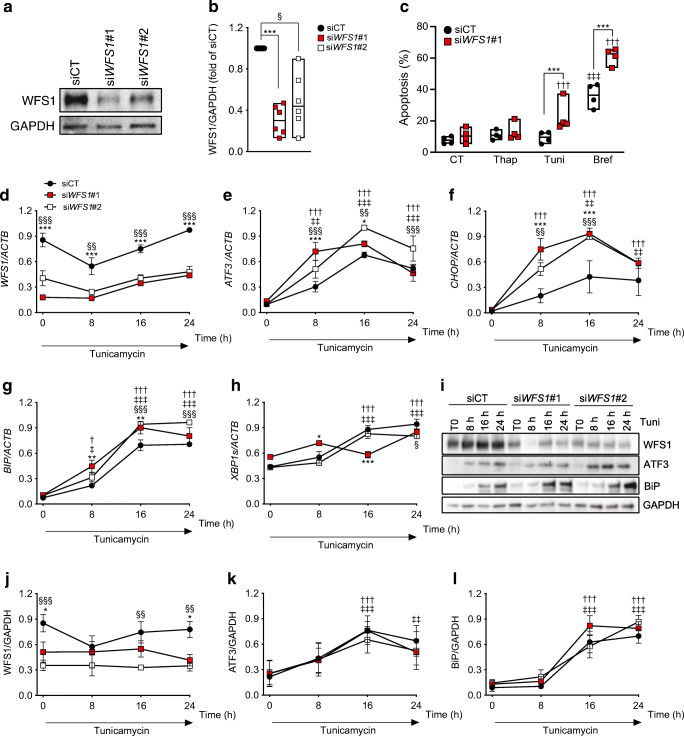
The effect of the GLP-1R agonists dulaglutide and exenatide was examined in Wfs1 knockout mice and in an array of human preclinical models of Wolfram syndrome, including WFS1-deficient human beta cells, human induced pluripotent stem cell (iPSC)-derived beta-like cells and neurons from control individuals and individuals affected by Wolfram syndrome, and humanised mice.
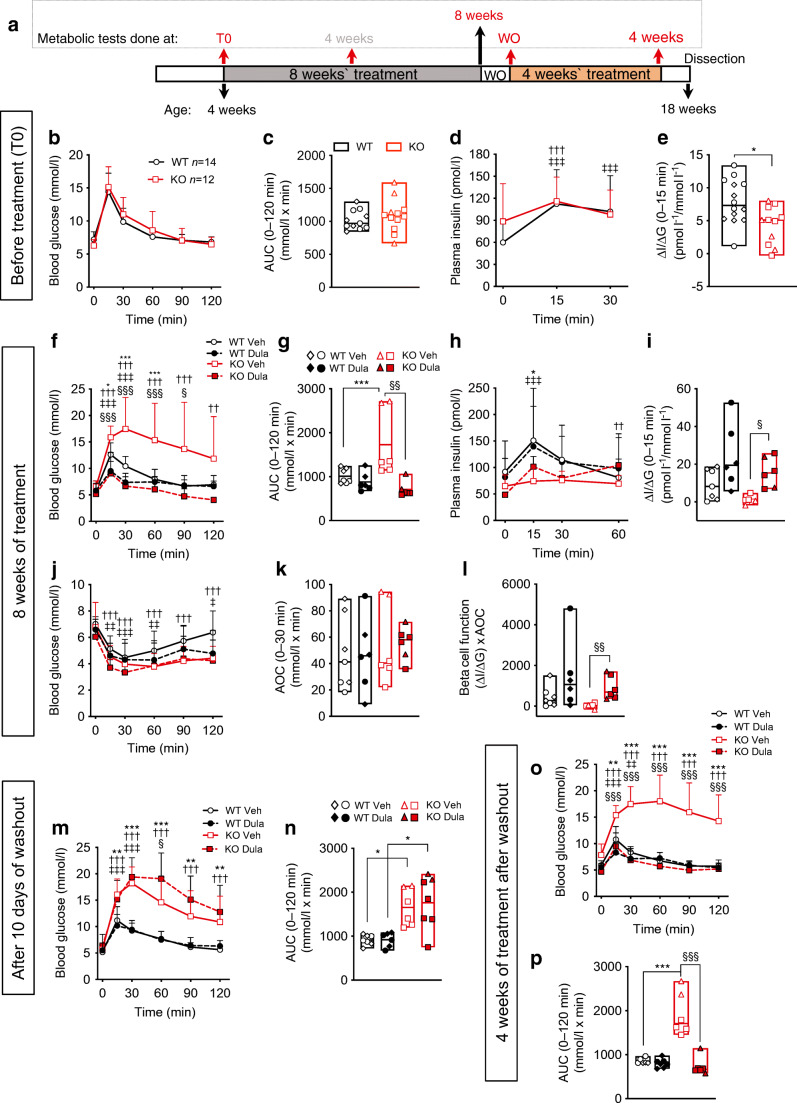
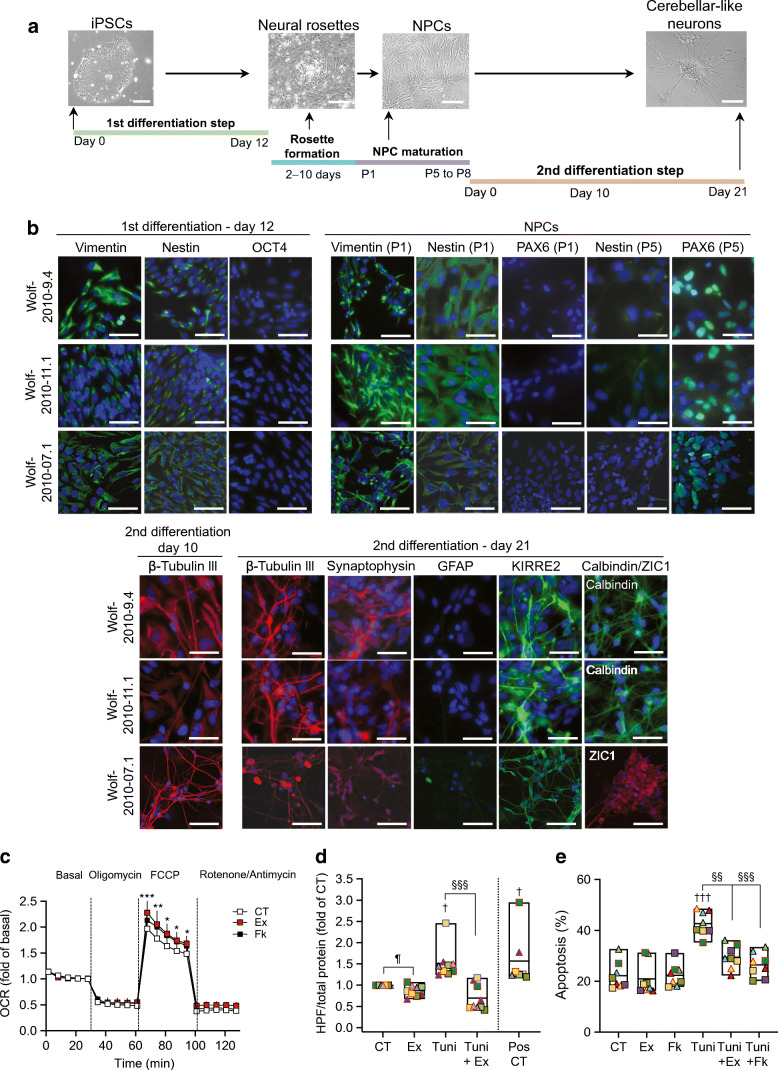
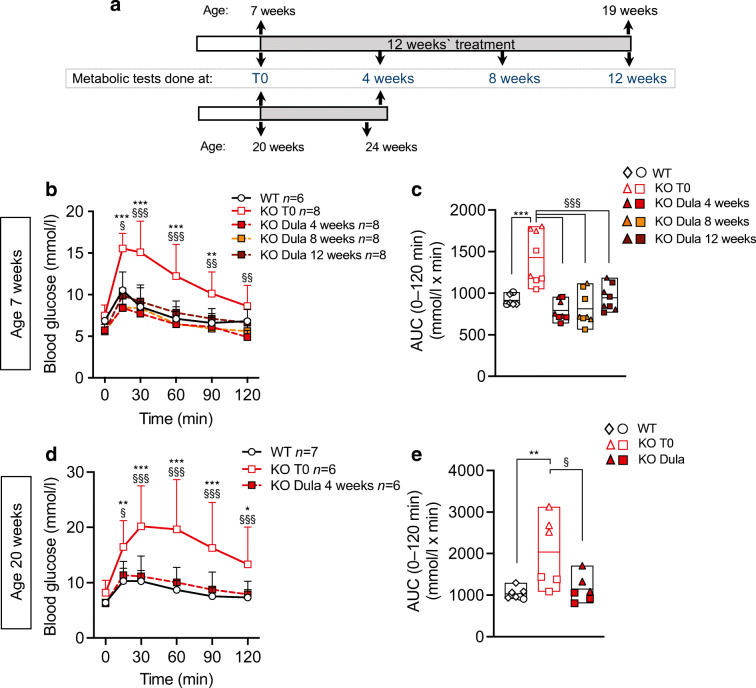
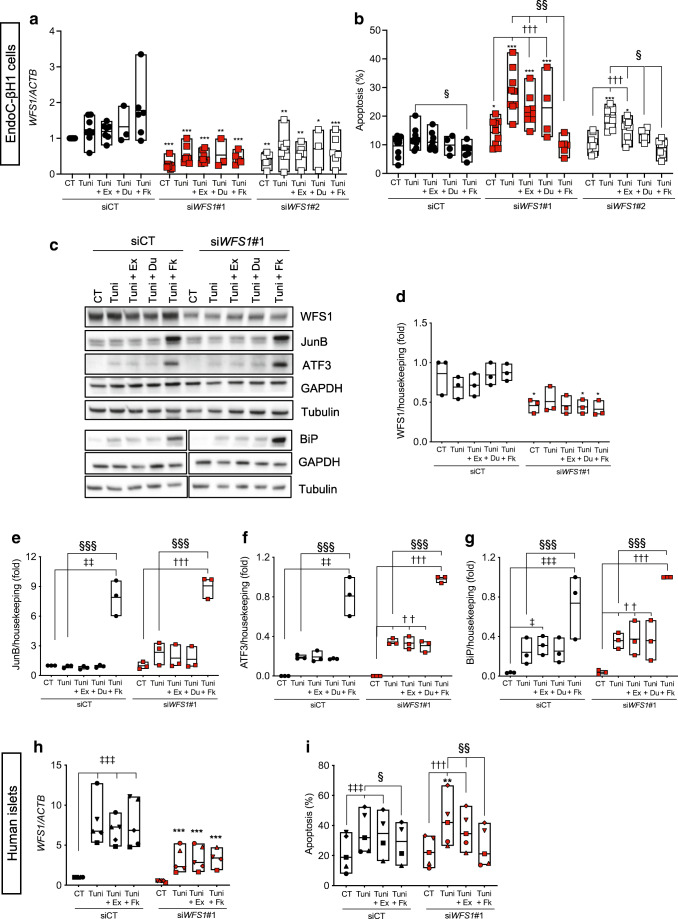
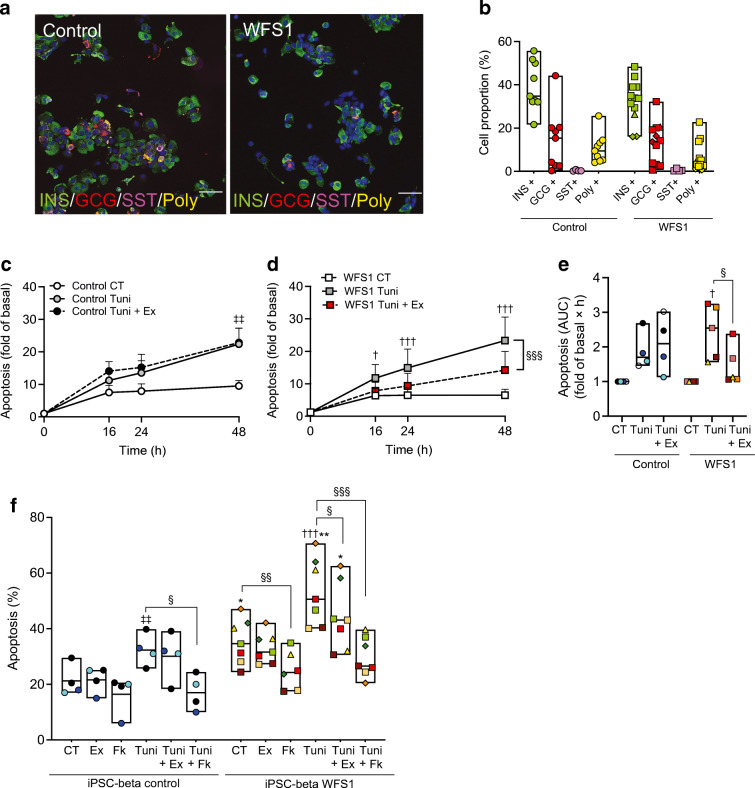
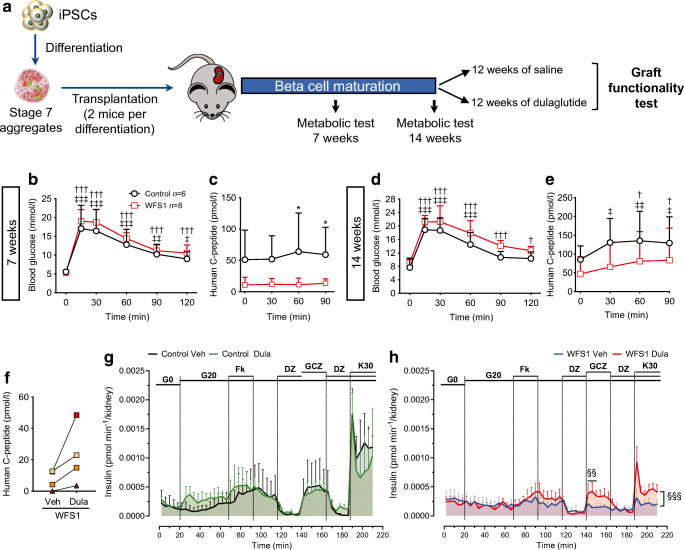
Our study shows that the long-lasting GLP-1R agonist dulaglutide reverses impaired glucose tolerance in WFS1-deficient mice, and that exenatide and dulaglutide improve beta cell function and prevent apoptosis in different human WFS1-deficient models including iPSC-derived beta cells from people with Wolfram syndrome. Exenatide improved mitochondrial function, reduced oxidative stress and prevented apoptosis in Wolfram syndrome iPSC-derived neural precursors and cerebellar neurons.
CONCLUSIONS/INTERPRETATION: Our study provides novel evidence for the beneficial effect of GLP-1R agonists on WFS1-deficient human pancreatic beta cells and neurons, suggesting that these drugs may be considered as a treatment for individuals with Wolfram syndrome.
目的/假设:Wolfram 综合征是一种由 WFS1 基因的致病性变异引起的罕见常染色体隐性疾病。其特征为胰岛素依赖型糖尿病、视神经萎缩、尿崩症、听力损失和神经退行性变。鉴于这种孤儿病的治疗需求尚未得到满足,本研究旨在评估胰高血糖素样肽 1 受体 (GLP-1R) 激动剂在 wolframin (WFS1) 缺乏症下的治疗潜力,特别关注人类β细胞和神经元。
研究人员在 Wfs1 基因敲除小鼠和一系列 Wolfram 综合征的人类临床前模型中,包括 WFS1 缺陷型人类β细胞、人类诱导多能干细胞 (iPSC) 衍生的β样细胞和来自对照个体和受 Wolfram 综合征影响的个体的神经元,以及人源化小鼠中,研究了 GLP-1R 激动剂度拉糖肽和艾塞那肽的作用。
本研究表明,长效 GLP-1R 激动剂度拉糖肽可逆转 WFS1 缺陷型小鼠的葡萄糖耐量受损,而艾塞那肽和度拉糖肽可改善不同的人类 WFS1 缺陷型模型中的β细胞功能并预防细胞凋亡,包括 Wolfram 综合征患者的 iPSC 衍生β细胞。艾塞那肽可改善 Wolfram 综合征 iPSC 衍生神经前体细胞和小脑神经元的线粒体功能,减少氧化应激并预防细胞凋亡。
结论/解释:本研究为 GLP-1R 激动剂对 WFS1 缺陷型人类胰腺β细胞和神经元的有益作用提供了新的证据,表明这些药物可被视为 Wolfram 综合征患者的治疗选择。