Genome Institute of Singapore (GIS), Agency for Science, Technology and Research (A*STAR), Singapore, Republic of Singapore.
UCL Genetics Institute, University College London, London, UK.
Nat Microbiol. 2023 May;8(5):973-985. doi: 10.1038/s41564-023-01350-w. Epub 2023 Mar 30.
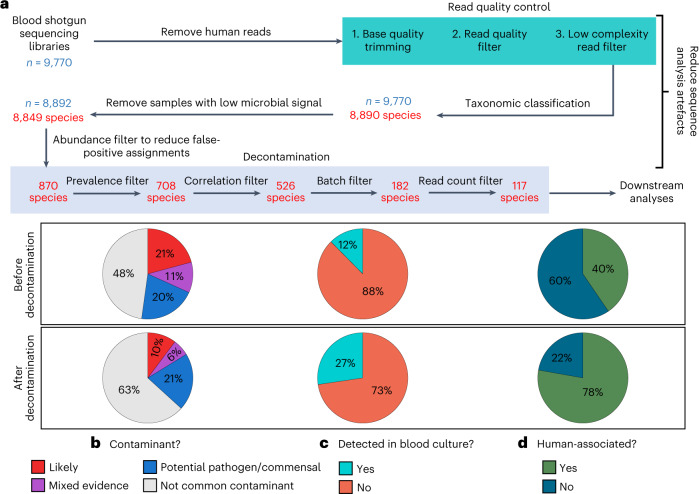
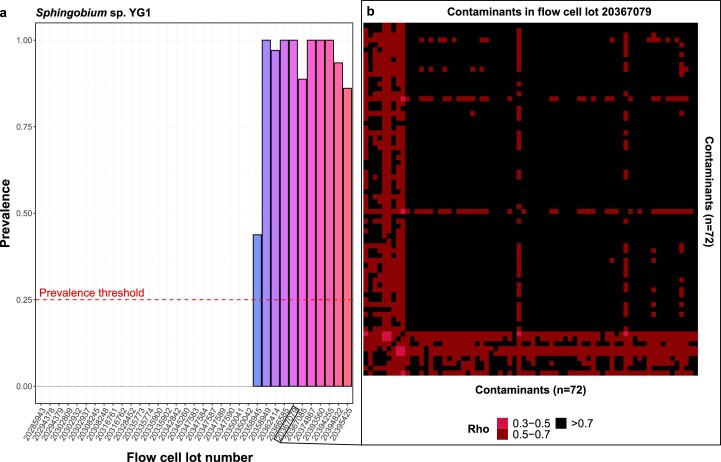
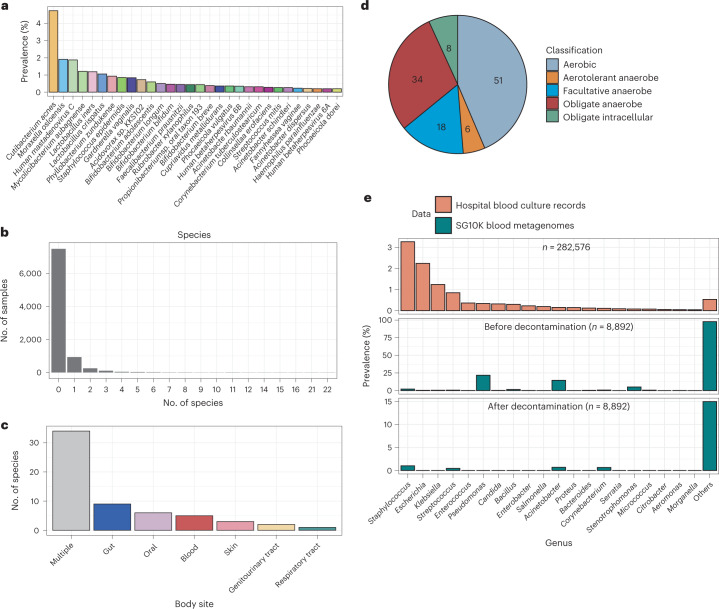
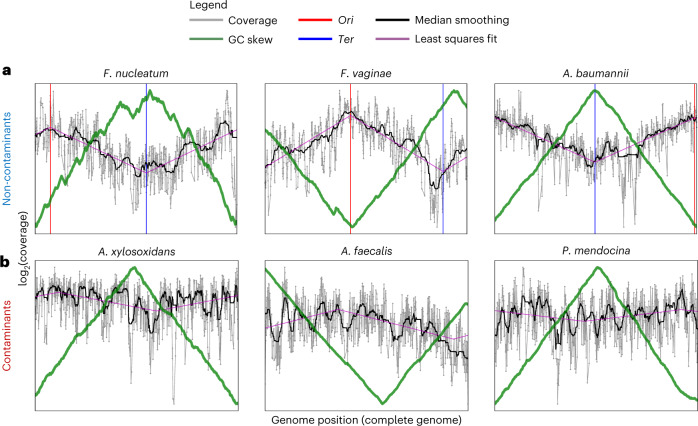
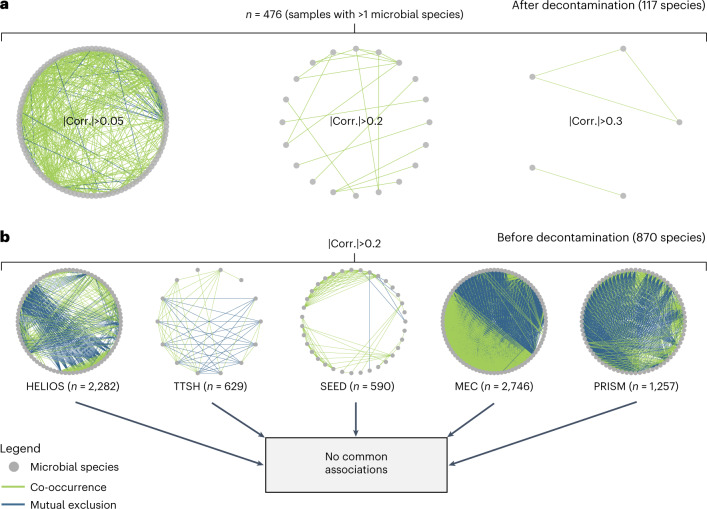
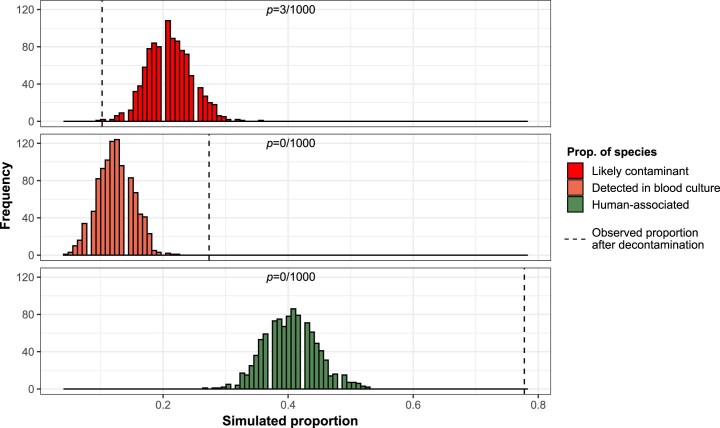
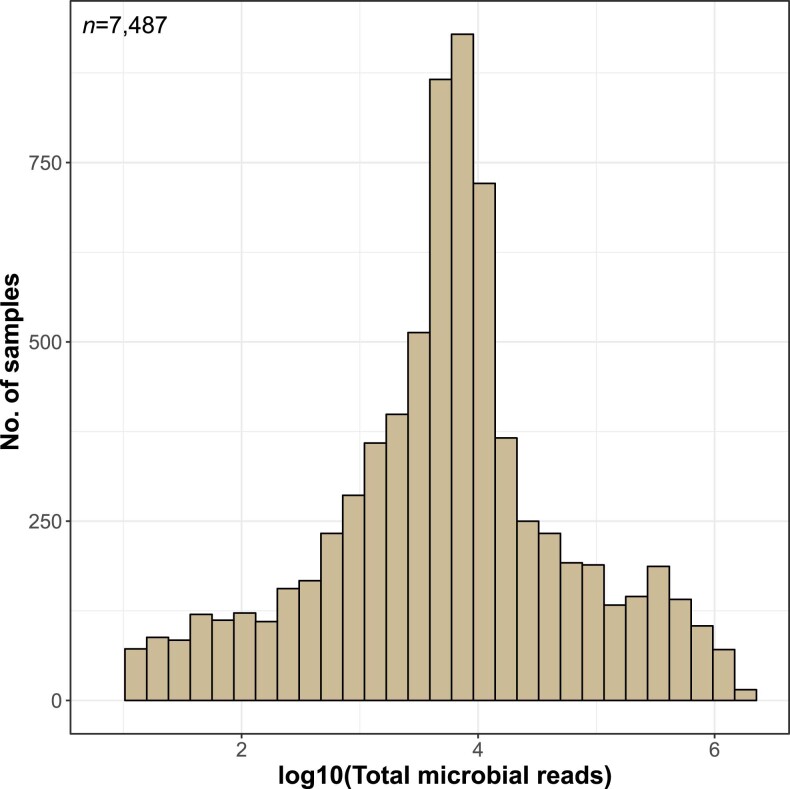
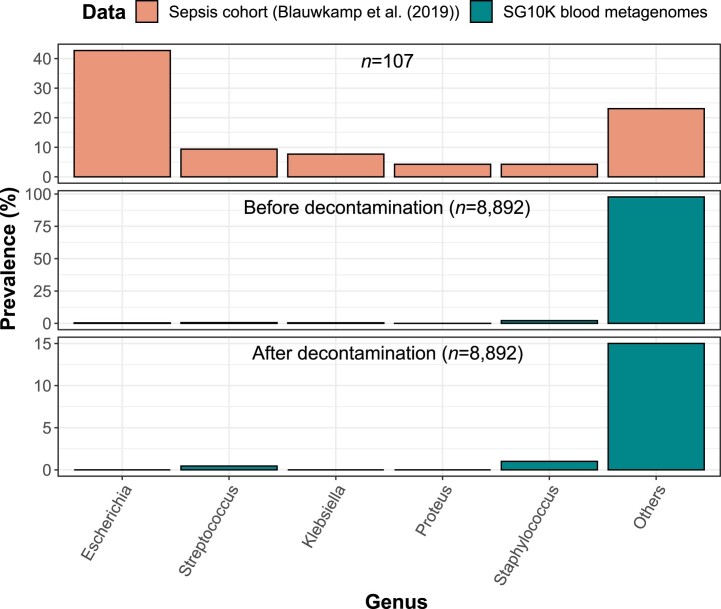
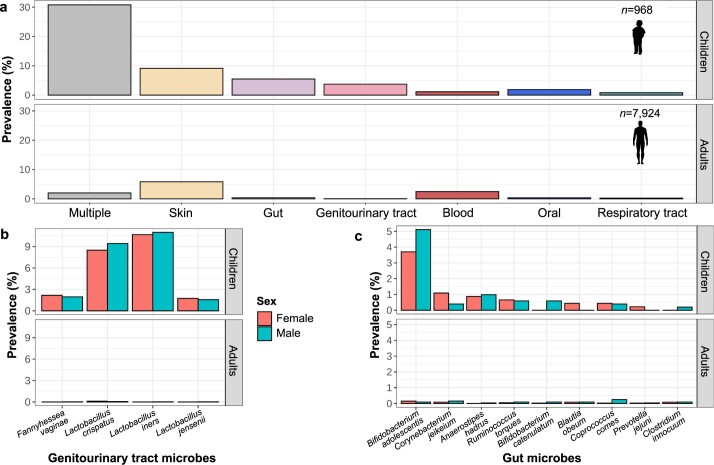
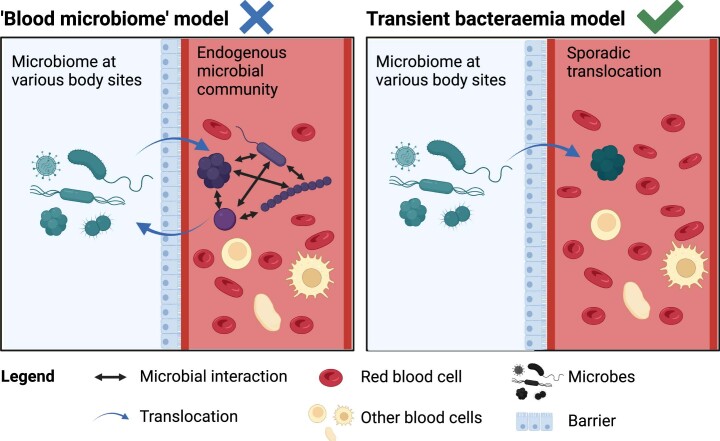
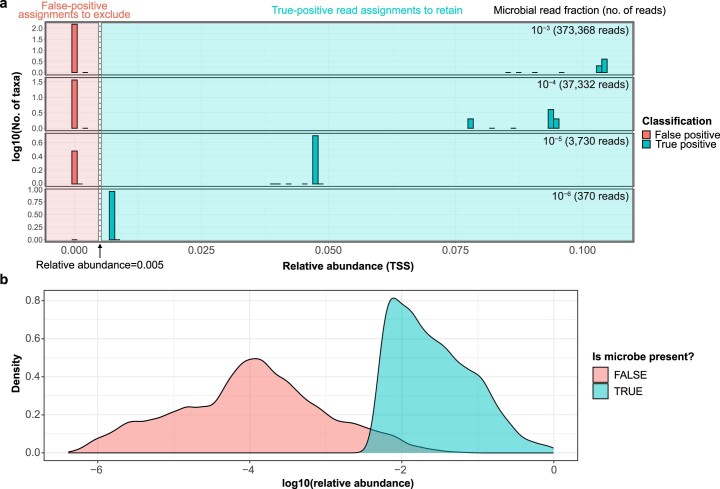
Human blood is conventionally considered sterile but recent studies suggest the presence of a blood microbiome in healthy individuals. Here we characterized the DNA signatures of microbes in the blood of 9,770 healthy individuals using sequencing data from multiple cohorts. After filtering for contaminants, we identified 117 microbial species in blood, some of which had DNA signatures of microbial replication. They were primarily commensals associated with the gut (n = 40), mouth (n = 32) and genitourinary tract (n = 18), and were distinct from pathogens detected in hospital blood cultures. No species were detected in 84% of individuals, while the remainder only had a median of one species. Less than 5% of individuals shared the same species, no co-occurrence patterns between different species were observed and no associations between host phenotypes and microbes were found. Overall, these results do not support the hypothesis of a consistent core microbiome endogenous to human blood. Rather, our findings support the transient and sporadic translocation of commensal microbes from other body sites into the bloodstream.
传统上认为人体血液是无菌的,但最近的研究表明健康个体的血液中存在微生物组。在这里,我们使用来自多个队列的测序数据,对 9770 名健康个体血液中的微生物 DNA 特征进行了描述。在过滤掉污染物后,我们在血液中鉴定出了 117 种微生物,其中一些具有微生物复制的 DNA 特征。它们主要是与肠道(n=40)、口腔(n=32)和泌尿生殖道(n=18)相关的共生菌,与医院血液培养中检测到的病原体不同。84%的个体中没有检测到任何物种,而其余个体的中位数只有一种。不到 5%的个体共享相同的物种,不同物种之间没有共同出现的模式,也没有发现宿主表型和微生物之间存在关联。总的来说,这些结果并不支持人体血液中存在一致的核心微生物组的假设。相反,我们的研究结果支持共生菌从其他身体部位短暂而偶然地转移到血液中的假说。