Otsuka Fábio Seiji, Otaduy Maria Concepcion Garcia, Azevedo José Henrique Monteiro, Chaim Khallil Taverna, Salmon Carlos Ernesto Garrido
InBrain, Departamento de Física, Faculdade de Filosofia, Ciências e Letras de Ribeirão Preto (FFCLRP), Universidade de São Paulo USP, Ribeirão Preto, São Paulo, Brazil.
LIM44, Instituto de Radiologia (InRad), Hospital das Clínicas da Faculdade de Medicina da Universidade de São Paulo (HCFMUSP), São Paulo, São Paulo, Brazil.
J Magn Reson Open. 2023 Jun;14-15. doi: 10.1016/j.jmro.2023.100097. Epub 2023 Feb 5.
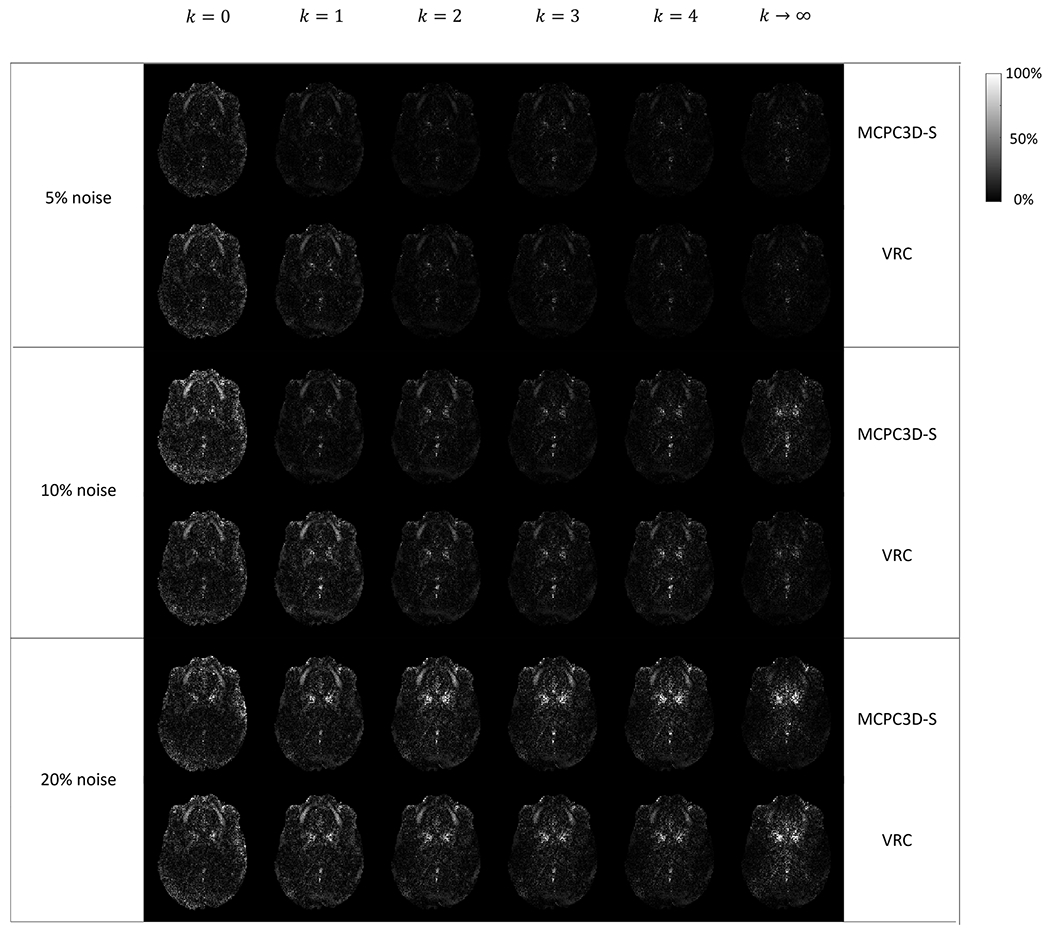
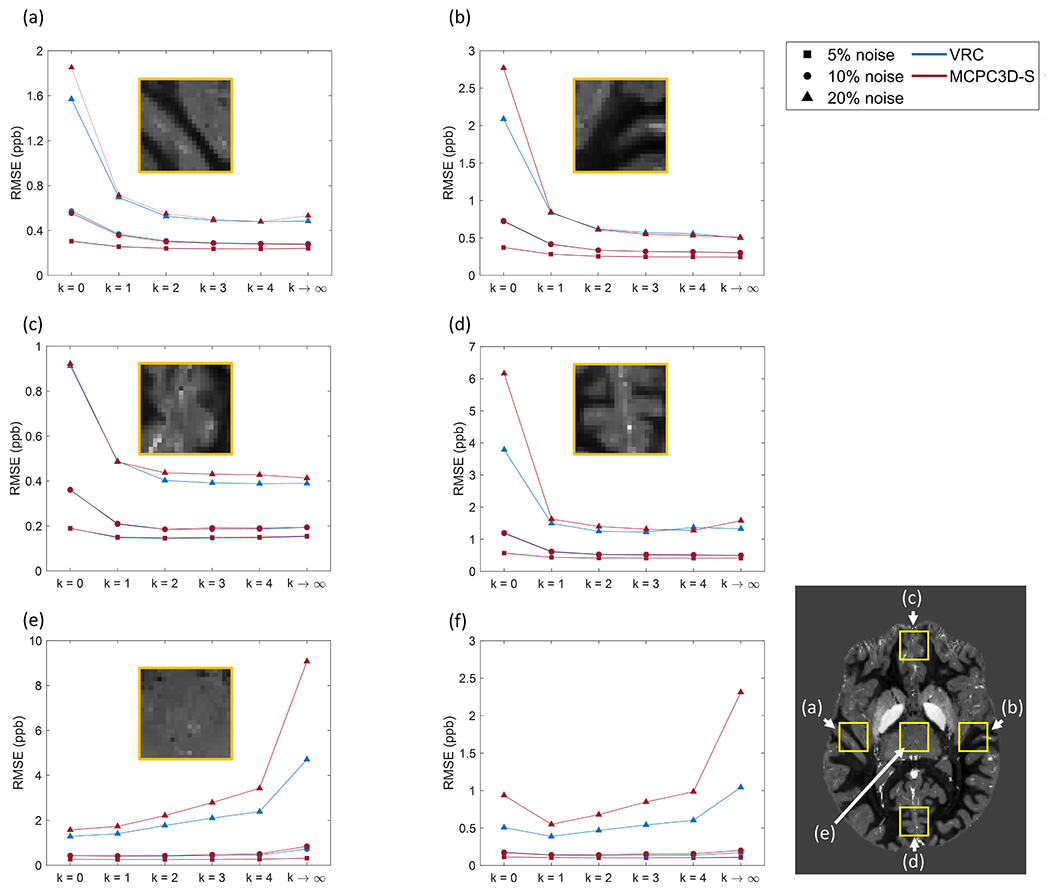
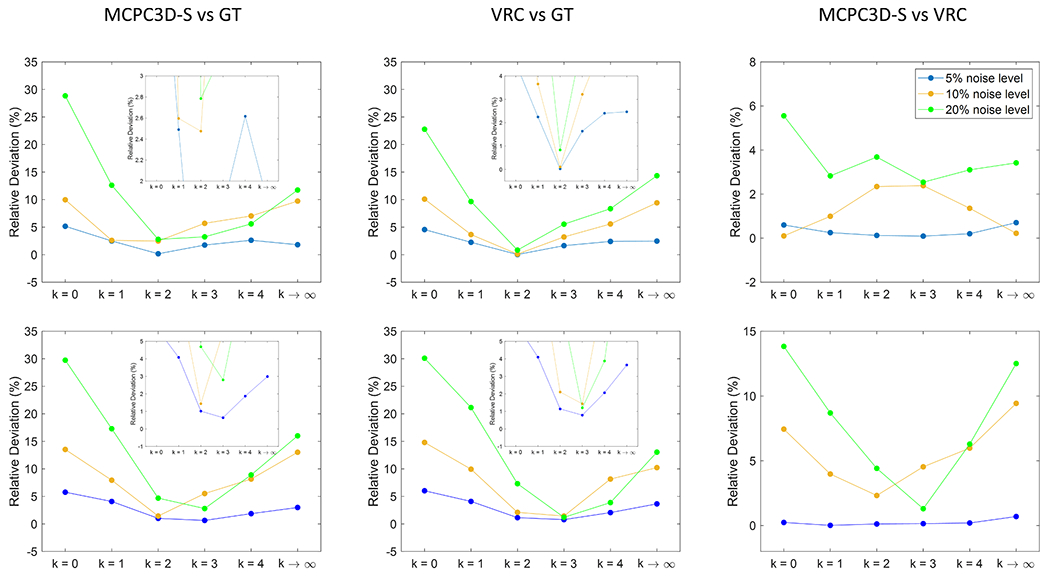
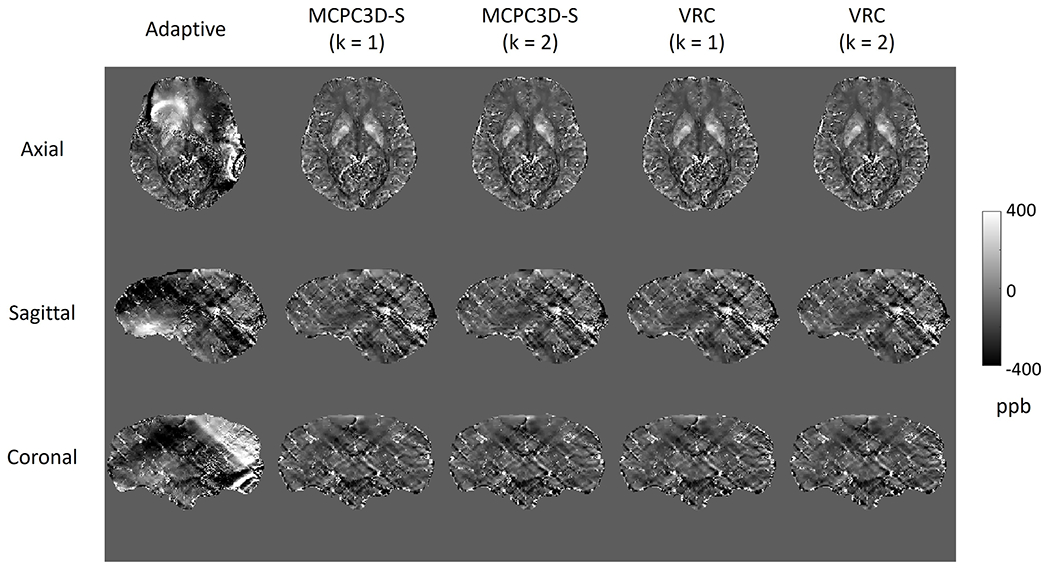
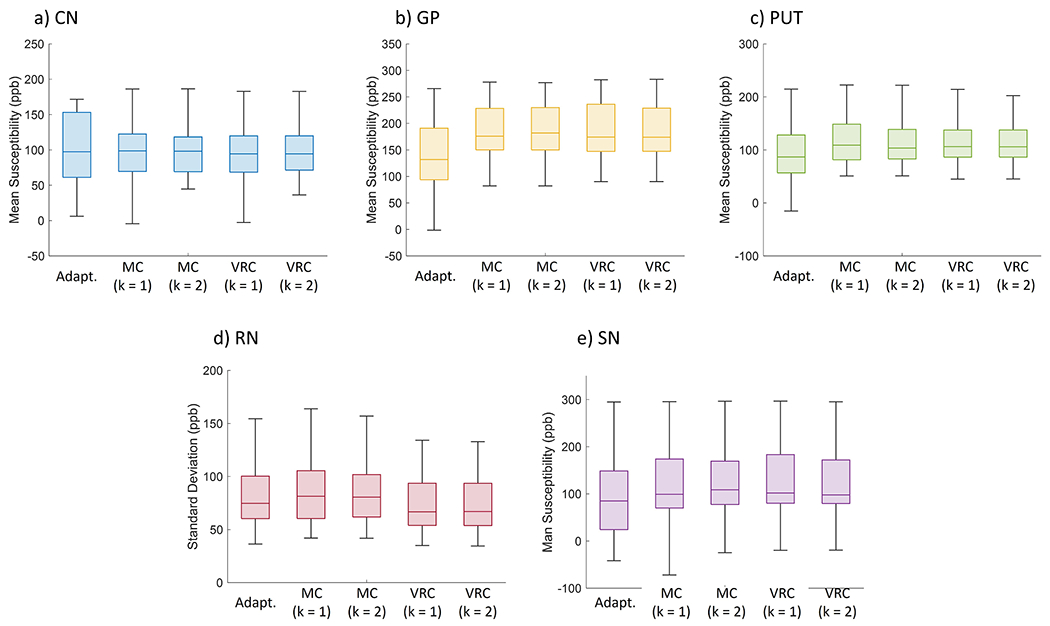
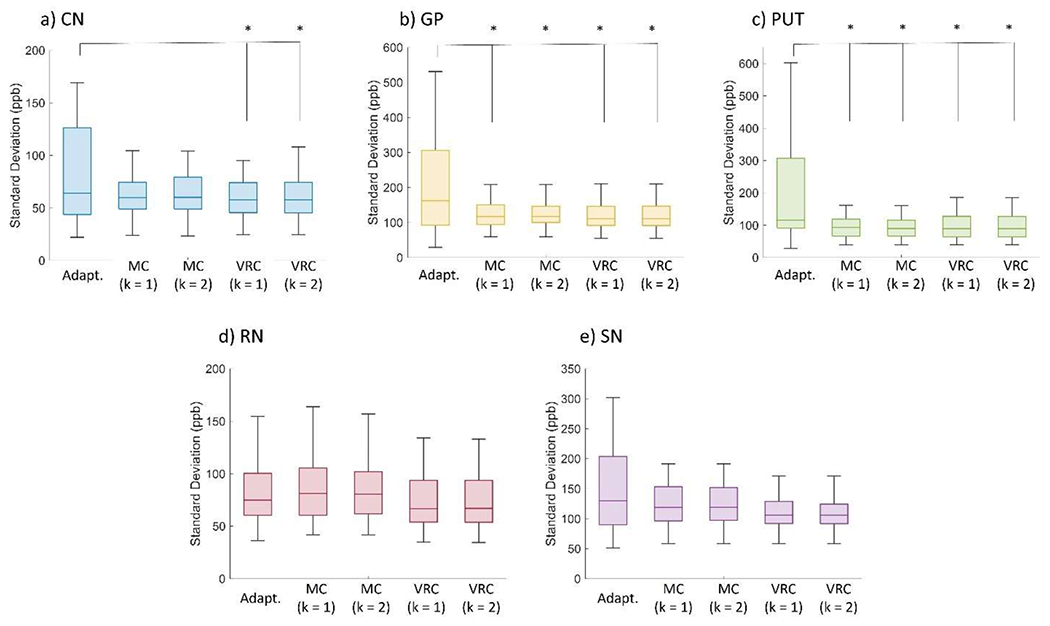
Quantitative Susceptibility Mapping (QSM) is an established Magnetic Resonance Imaging (MRI) technique with high potential in brain iron studies associated to several neurodegenerative diseases. Unlike other MRI techniques, QSM relies on phase images to estimate tissue's relative susceptibility, therefore requiring a reliable phase data. Phase images from a multi-channel acquisition should be reconstructed in a proper way. On this work it was compared the performance of combination of phase matching algorithms (MCPC3D-S and VRC) and phase combination methods based on a complex weighted sum of phases, considering the magnitude at different powers ( = 0 to 4) as the weighting factor. These reconstruction methods were applied in two datasets: a simulated brain dataset for a 4-coil array and data of 22 postmortem subjects acquired at a 7T scanner using a 32 channels coil. For the simulated dataset, differences between the ground truth and the Root Mean Squared Error (RMSE) were evaluated. For both simulated and postmortem data, the mean (MS) and standard deviation (SD) of susceptibility values of five deep gray matter regions were calculated. For the postmortem subjects, MS and SD were statistically compared across all subjects. A qualitative analysis indicated no differences between methods, except for the Adaptive approach on postmortem data, which showed intense artifacts. In the 20% noise level case, the simulated data showed increased noise in central regions. Quantitative analysis showed that both MS and SD were not statistically different when comparing = 1 and = 2 on postmortem brain images, however visual inspection showed some boundaries artifacts on = 2. Furthermore, the RMSE decreased (on regions near the coils) and increased (on central regions and on overall QSM) with increasing . In conclusion, for reconstruction of phase images from multiple coils with no reference available, alternative methods are needed. In this study it was found that overall, the phase combination with = 1 is preferred over other powers of .
定量磁化率成像(QSM)是一种成熟的磁共振成像(MRI)技术,在与多种神经退行性疾病相关的脑铁研究中具有很高的潜力。与其他MRI技术不同,QSM依靠相位图像来估计组织的相对磁化率,因此需要可靠的相位数据。来自多通道采集的相位图像应以适当的方式重建。在这项工作中,比较了相位匹配算法(MCPC3D-S和VRC)的组合以及基于相位的复加权和的相位组合方法的性能,将不同幂次( = 0至4)的幅度作为加权因子。这些重建方法应用于两个数据集:一个用于4线圈阵列的模拟脑数据集,以及使用32通道线圈在7T扫描仪上采集的22名死后受试者的数据。对于模拟数据集,评估了真实值与均方根误差(RMSE)之间的差异。对于模拟数据和死后数据,计算了五个深部灰质区域的磁化率值的平均值(MS)和标准差(SD)。对于死后受试者,对所有受试者的MS和SD进行了统计比较。定性分析表明,除了死后数据的自适应方法显示出强烈伪影外,各方法之间没有差异。在20%噪声水平的情况下,模拟数据显示中心区域噪声增加。定量分析表明,在死后脑图像上比较 = 1和 = 2时,MS和SD在统计学上没有差异,然而目视检查显示 = 2时存在一些边界伪影。此外,随着 的增加,RMSE在(靠近线圈的区域)降低,在(中心区域和整体QSM)增加。总之,对于无参考的多线圈相位图像重建,需要替代方法。在本研究中发现,总体而言, = 1的相位组合比 的其他幂次更可取。