State Key Laboratory of Cotton Biology, Institute of Cotton Research, Chinese Academy of Agricultural Sciences, Anyang, Henan, China.
Department of Plant Breeding and Genetics, Faculty of Agriculture and Environment, The Islamia University of Bahawalpur, Bahawalpur, Punjab, Pakistan.
PeerJ. 2023 Mar 28;11:e15152. doi: 10.7717/peerj.15152. eCollection 2023.
Nitrate is the primary type of nitrogen available to plants, which is absorbed and transported by nitrate transporter 2 (NRT2) at low nitrate conditions.
Genome-wide identification of genes in was performed. Gene expression patterns were revealed using RNA-seq and qRT-PCR. Gene functions were characterized using overexpression in and silencing in . Protein interactions were verified by yeast two-hybrid and luciferase complementation imaging (LCI) assays.
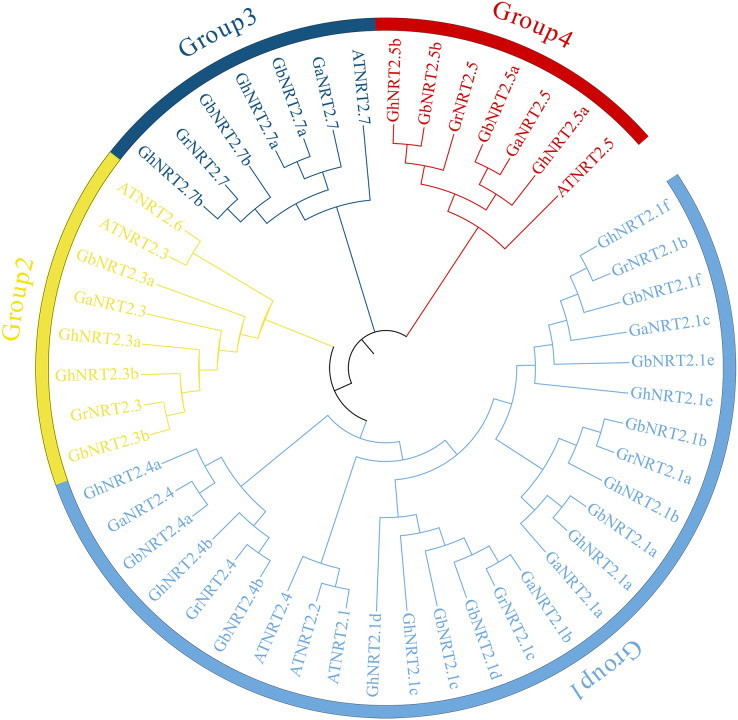
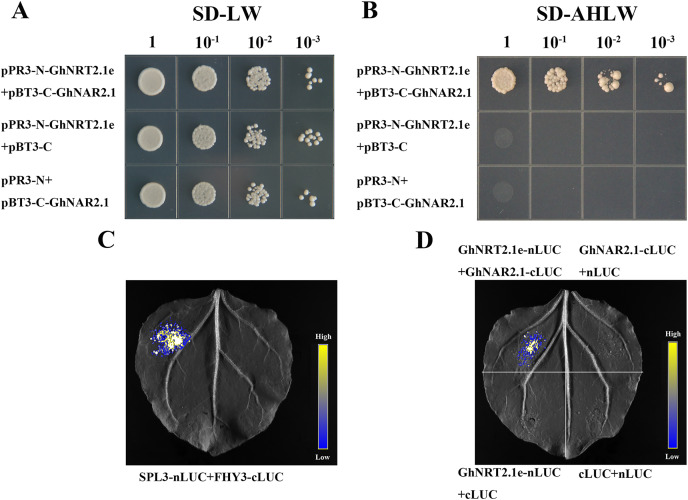
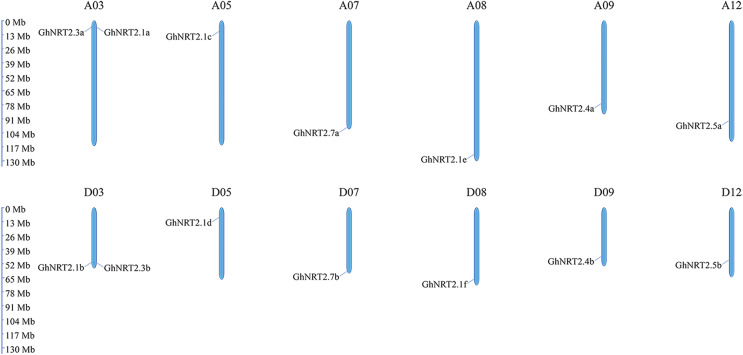
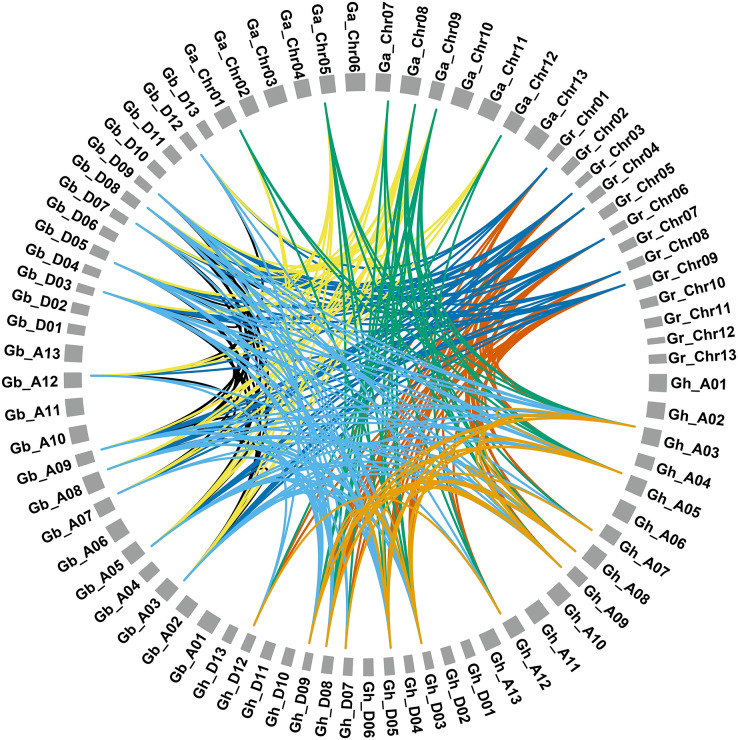
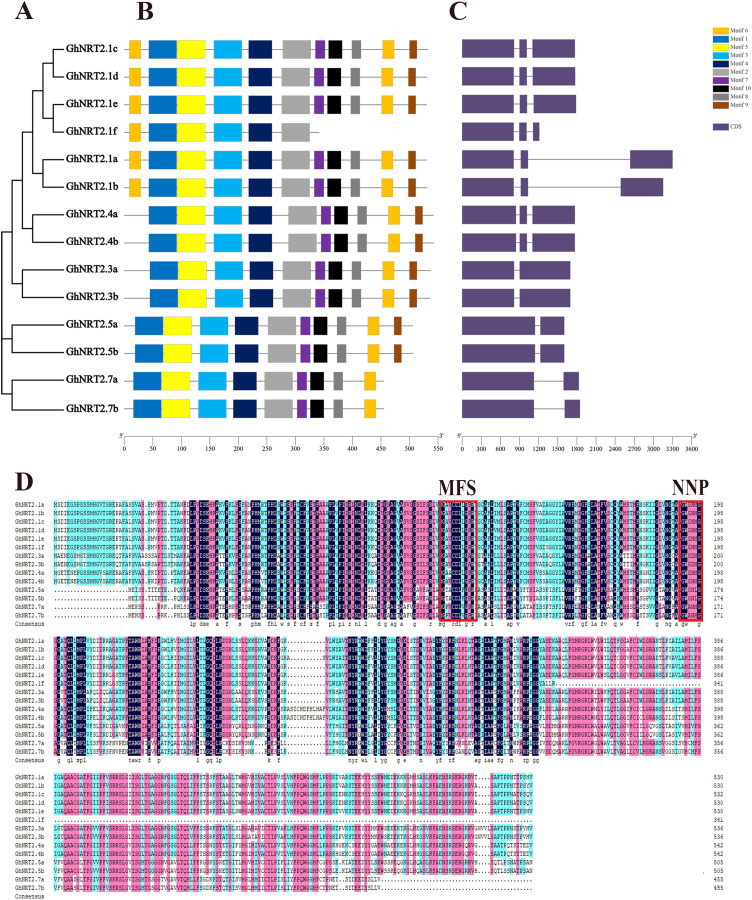
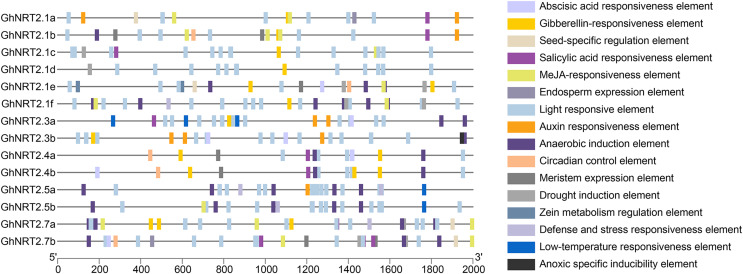
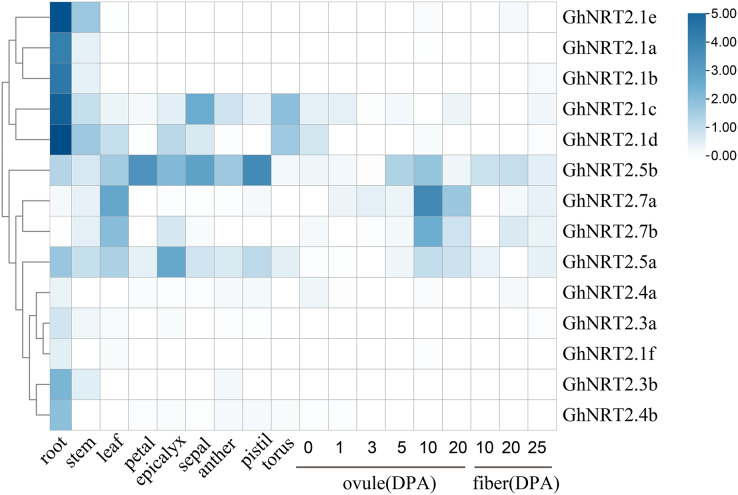
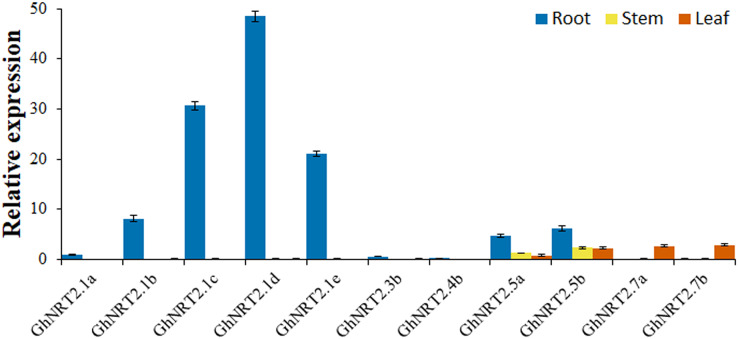
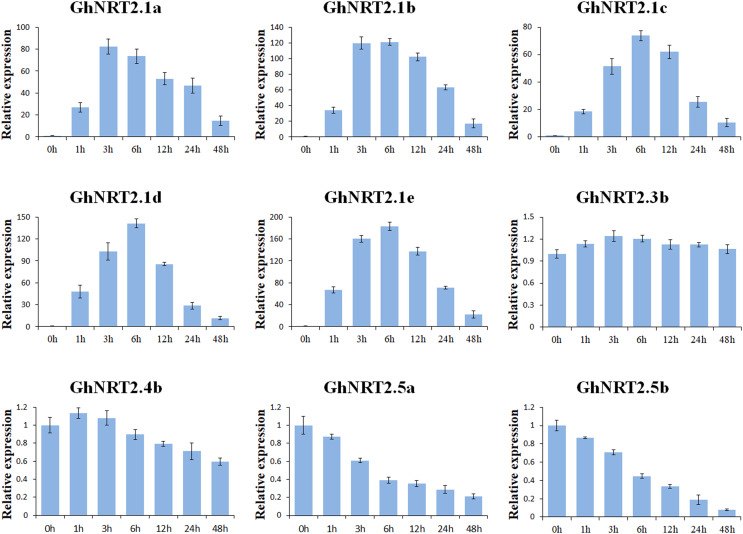
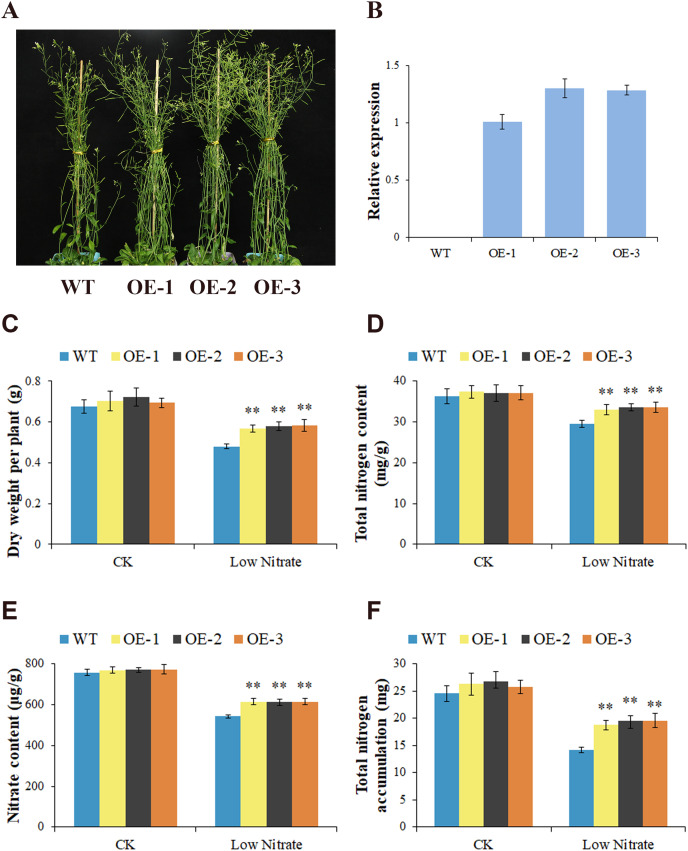
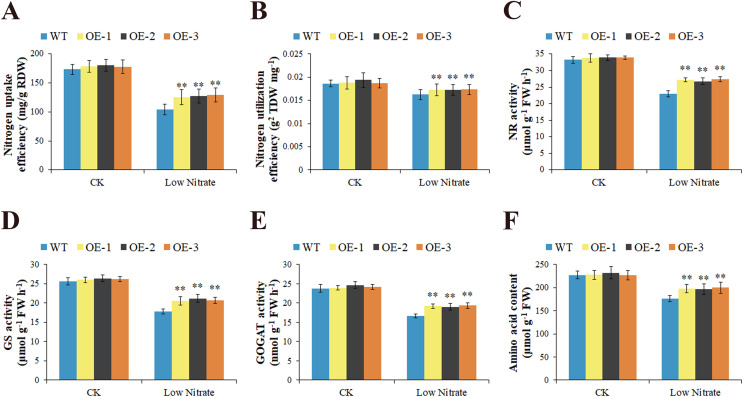
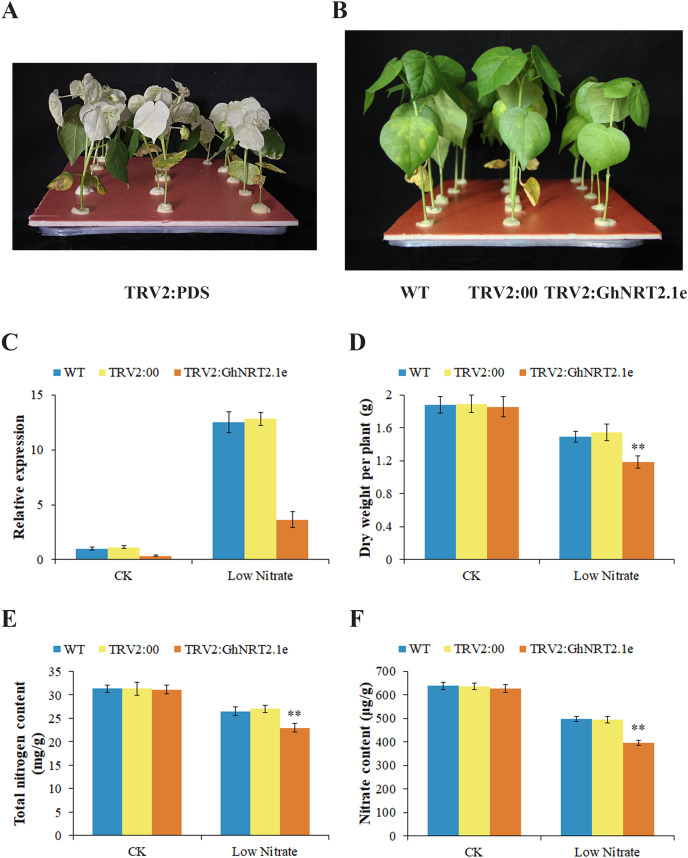
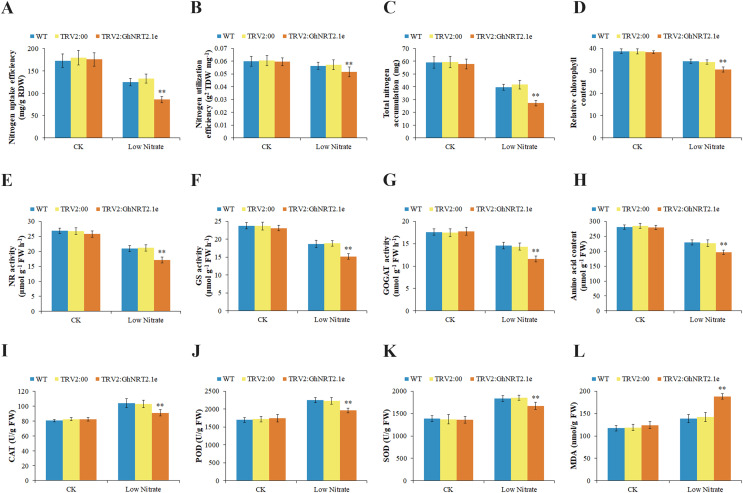
We identified 14, 14, seven, and seven proteins in , , , and . Most NRT2 proteins were predicted in the plasma membrane. The genes were classified into four distinct groups through evolutionary relationships, with members of the same group similar in conserved motifs and gene structure. The promoter regions of genes included many elements related to growth regulation, phytohormones, and abiotic stresses. Tissue expression pattern results revealed that most genes were specifically expressed in roots. Under low nitrate conditions, genes exhibited different expression levels, with being the most up-regulated. plants overexpressing exhibited increased biomass, nitrogen and nitrate accumulation, nitrogen uptake and utilization efficiency, nitrogen-metabolizing enzyme activity, and amino acid content under low nitrate conditions. In addition, -silenced plants exhibited suppressed nitrate uptake and accumulation, hampered plant growth, affected nitrogen metabolism processes, and reduced tolerance to low nitrate. The results showed that could promote nitrate uptake and transport under low nitrate conditions, thus effectively increasing nitrogen use efficiency (NUE). We found that GhNRT2.1e interacts with GhNAR2.1 by yeast two-hybrid and LCI assays.
Our research lays the foundation to increase NUE and cultivate new cotton varieties with efficient nitrogen use.
硝酸盐是植物可利用的主要氮源,在低硝酸盐条件下,植物通过硝酸盐转运体 2(NRT2)吸收和转运硝酸盐。
对 中的基因进行了全基因组鉴定。使用 RNA-seq 和 qRT-PCR 揭示基因表达模式。通过在 和 中过表达和沉默来表征基因功能。通过酵母双杂交和荧光素酶互补成像(LCI)测定验证蛋白质相互作用。
我们在 、 、 和 中分别鉴定出 14、14、7 和 7 个 蛋白。大多数 NRT2 蛋白被预测位于质膜上。通过进化关系,将 基因分为四个不同的组,同一组的成员在保守基序和基因结构上相似。 基因的启动子区域包含许多与生长调控、植物激素和非生物胁迫相关的元件。组织表达模式结果表明,大多数 基因在根中特异性表达。在低硝酸盐条件下, 基因表现出不同的表达水平,其中 上调最明显。在低硝酸盐条件下,过表达 的 植株表现出生物量增加、氮和硝酸盐积累增加、氮吸收和利用效率提高、氮代谢酶活性提高和氨基酸含量增加。此外,沉默 的植株表现出抑制硝酸盐吸收和积累、阻碍植物生长、影响氮代谢过程以及降低对低硝酸盐的耐受性。结果表明, 可以促进低硝酸盐条件下的硝酸盐吸收和转运,从而有效提高氮素利用效率(NUE)。我们发现 GhNRT2.1e 通过酵母双杂交和 LCI 测定与 GhNAR2.1 相互作用。
我们的研究为提高 NUE 和培育高效氮利用的新型棉花品种奠定了基础。