Department of Research, Sir Ganga Ram Hospital, New Delhi, 110060, India.
Department of Molecular Medicine, Jamia Hamdard, New Delhi, 110062, India.
Mol Cell Biochem. 2024 Jan;479(1):127-170. doi: 10.1007/s11010-023-04715-1. Epub 2023 Apr 4.
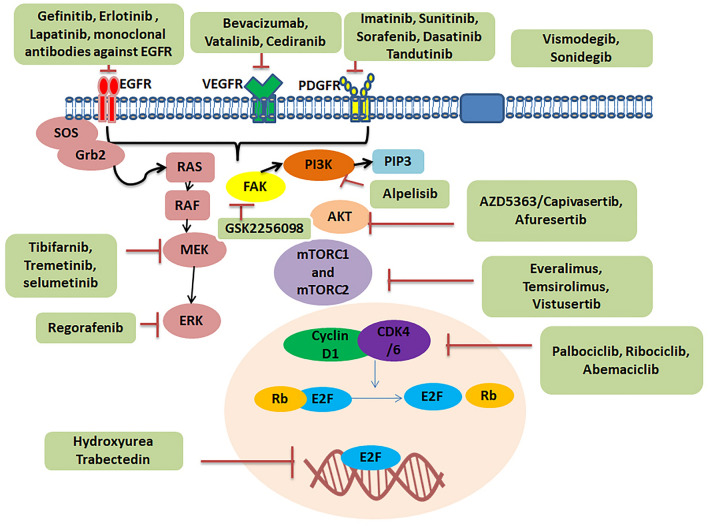
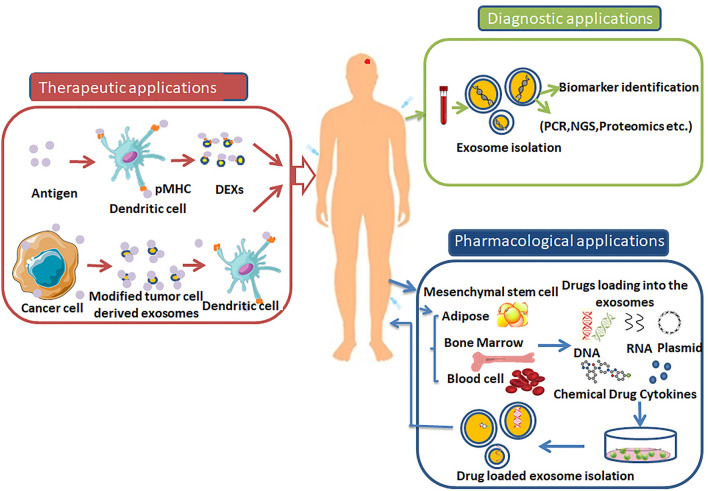
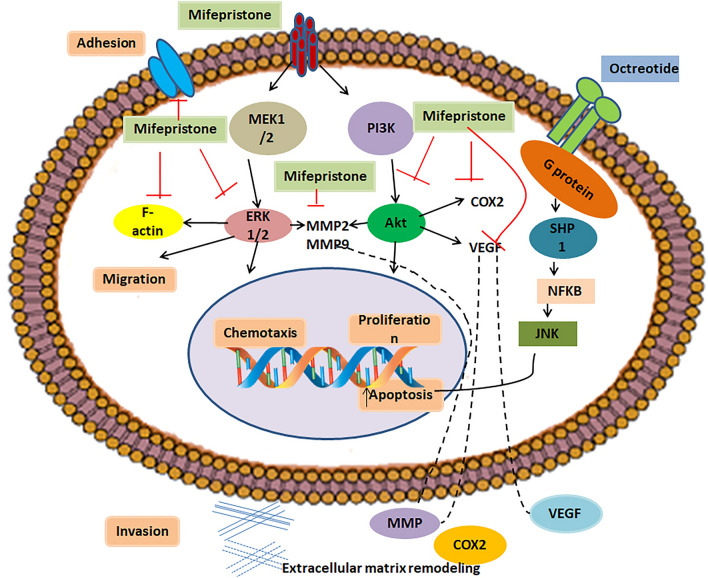
Meningioma is the most common central nervous system (CNS) tumor. In recent decades, several efforts have been made to eradicate this disease. Surgery and radiotherapy remain the standard treatment options for these tumors. Drug therapy comes to play its role when both surgery and radiotherapy fail to treat the tumor. This mostly happens when the tumors are close to vital brain structures and are nonbenign. Although a wide variety of chemotherapeutic drugs and molecular targeted drugs such as tyrosine kinase inhibitors, alkylating agents, endocrine drugs, interferon, and targeted molecular pathway inhibitors have been studied, the roles of numerous drugs remain unexplored. Recent interest is growing toward studying and engineering exosomes for the treatment of different types of cancer including meningioma. The latest studies have shown the involvement of exosomes in the theragnostic of various cancers such as the lung and pancreas in the form of biomarkers, drug delivery vehicles, and vaccines. Proper attention to this new emerging technology can be a boon in finding the consistent treatment of meningioma.
脑膜瘤是最常见的中枢神经系统 (CNS) 肿瘤。在最近几十年,人们做出了许多努力来消灭这种疾病。手术和放疗仍然是这些肿瘤的标准治疗选择。当手术和放疗都无法治疗肿瘤时,药物治疗就开始发挥作用。这种情况大多发生在肿瘤靠近重要的大脑结构且为非良性时。尽管已经研究了多种化疗药物和分子靶向药物,如酪氨酸激酶抑制剂、烷化剂、内分泌药物、干扰素和靶向分子通路抑制剂,但许多药物的作用仍未得到探索。最近,人们对研究和工程外泌体治疗包括脑膜瘤在内的不同类型癌症产生了兴趣。最新的研究表明,外泌体以生物标志物、药物递送载体和疫苗的形式参与了各种癌症(如肺癌和胰腺癌)的诊断和治疗。对外泌体这种新兴技术给予适当关注,可以为找到脑膜瘤的一致治疗方法带来福音。