Jiménez-Bambague Eliana M, Madera-Parra Carlos A, Machuca-Martinez Fiderman
Escuela EIDENAR, Facultad de Ingeniería, Universidad del Valle, Cali, Colombia.
Escuela de Ingeniería Química, CENM, Facultad de Ingeniería, Universidad del Valle, Cali, Colombia.
Curr Opin Environ Sci Health. 2023 Jun;33:100457. doi: 10.1016/j.coesh.2023.100457. Epub 2023 Mar 10.
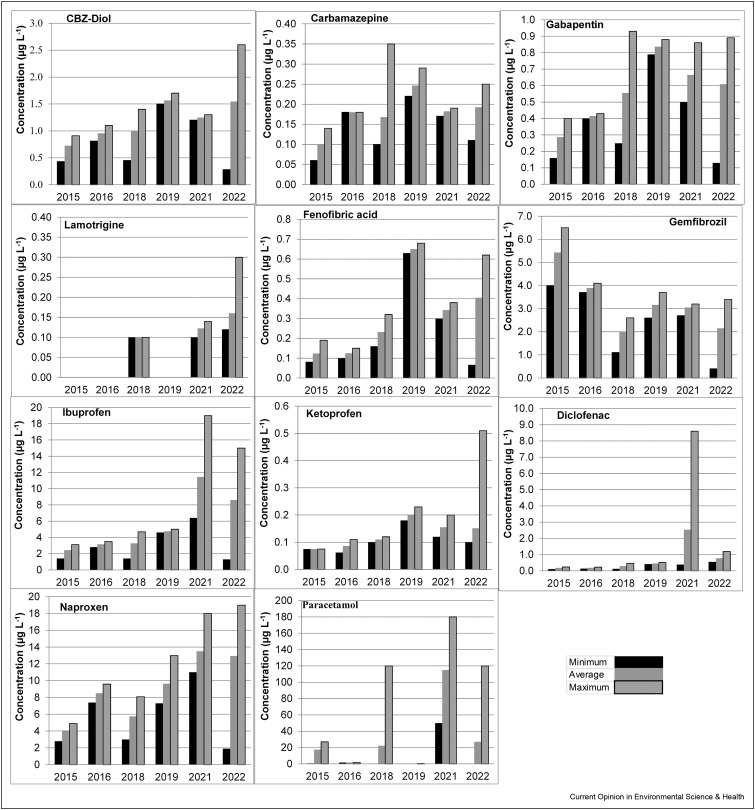
The COVID-19 pandemic is considered one of the most significant global disasters in the last years. The rapid increase in infections, deaths, treatment, and the vaccination process has resulted in the excessive use of pharmaceuticals that have entered the environment as micropollutants. Considering the prior information about the presence of pharmaceuticals found in the wastewater of Cali, Colombia, which was collected from 2015 to 2022. The data monitored after the COVID-19 pandemic showed an increase in the concentration of analgesics and anti-inflammatory drugs of up to 91%. This increase was associated with the consumption of pharmaceuticals for mild symptoms, such as fever and pain. Moreover, the increase in concentration of pharmaceuticals poses a highly ecological threat, which was up to 14 times higher than that reported before of COVID-19 pandemic. These results showed that the COVID-19 had not only impacted human health but also had an effect on environmental health.
新冠疫情被认为是过去几年中最重大的全球灾难之一。感染、死亡、治疗以及疫苗接种过程的迅速增加导致了大量药物的过度使用,这些药物作为微污染物进入了环境。考虑到之前有关在哥伦比亚卡利的废水中发现药物存在的信息,这些废水是在2015年至2022年期间收集的。新冠疫情后监测的数据显示,镇痛药和抗炎药的浓度增加了高达91%。这种增加与用于治疗发热和疼痛等轻微症状的药物消费有关。此外,药物浓度的增加构成了高度的生态威胁,比新冠疫情之前报告的威胁高出多达14倍。这些结果表明,新冠疫情不仅影响了人类健康,还对环境健康产生了影响。