Zhejiang University-University of Edinburgh Joint Institute, Zhejiang University, International Campus, 718 East Haizhou Road, Haining, 314400, People's Republic of China.
Infection Medicine, Deanery of Biomedical Sciences, Edinburgh Medical School, College of Medicine and Veterinary Medicine, The University of Edinburgh, 1 George Square, Edinburgh, EH8 9JZ, Scotland, UK.
Infect Dis Poverty. 2023 Apr 6;12(1):30. doi: 10.1186/s40249-023-01082-3.
Rabies continues to be a serious threat to global public health endangering people's health and public health safety. In the People's Republic of China, multi-sectoral and comprehensive prevention and control strategies have aimed to extensively curb human rabies transmission. Here, we examine the current state of rabies infection in China, explore strategic interventions put in place in response to WHO's ambition of "Zero rabies deaths by 2030" and critically assess the constraints and feasibility of dog-mediated rabies elimination in China.
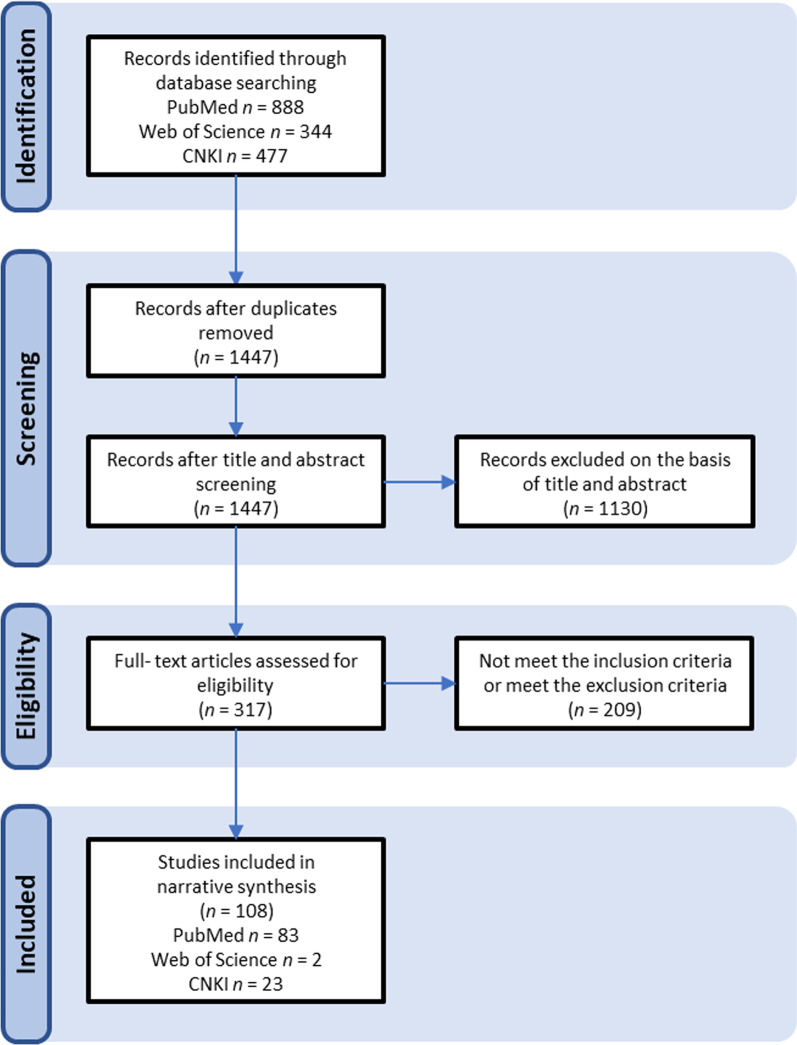
This study analyzed and evaluated the process towards dog-mediated rabies elimination in China from five perspectives: namely, human, dog, policy, challenge, and prospects. Evidence-based data on progress of dog-mediated rabies elimination in China was derived from a number of sources; a literature search was undertaken using PubMed, Web of Science and CNKI databases, distribution data for human rabies cases as derived from the Data-center of the China Public Health Science and policy and document data were obtained from official websites of the relevant China ministries and commissions.
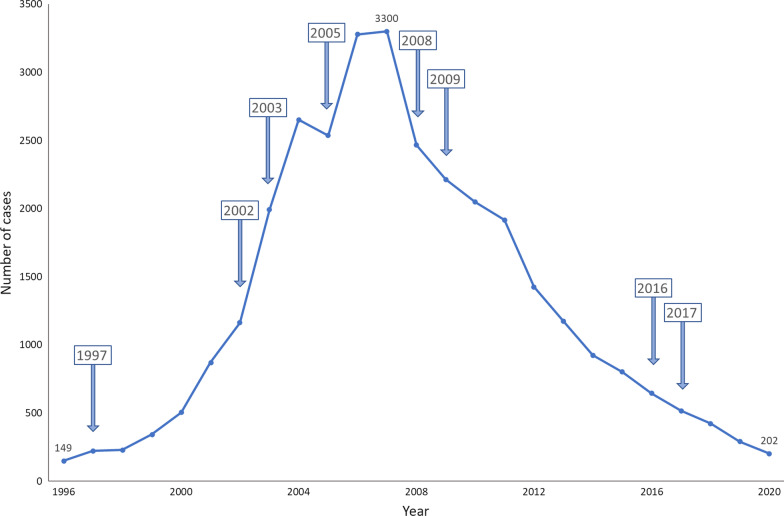
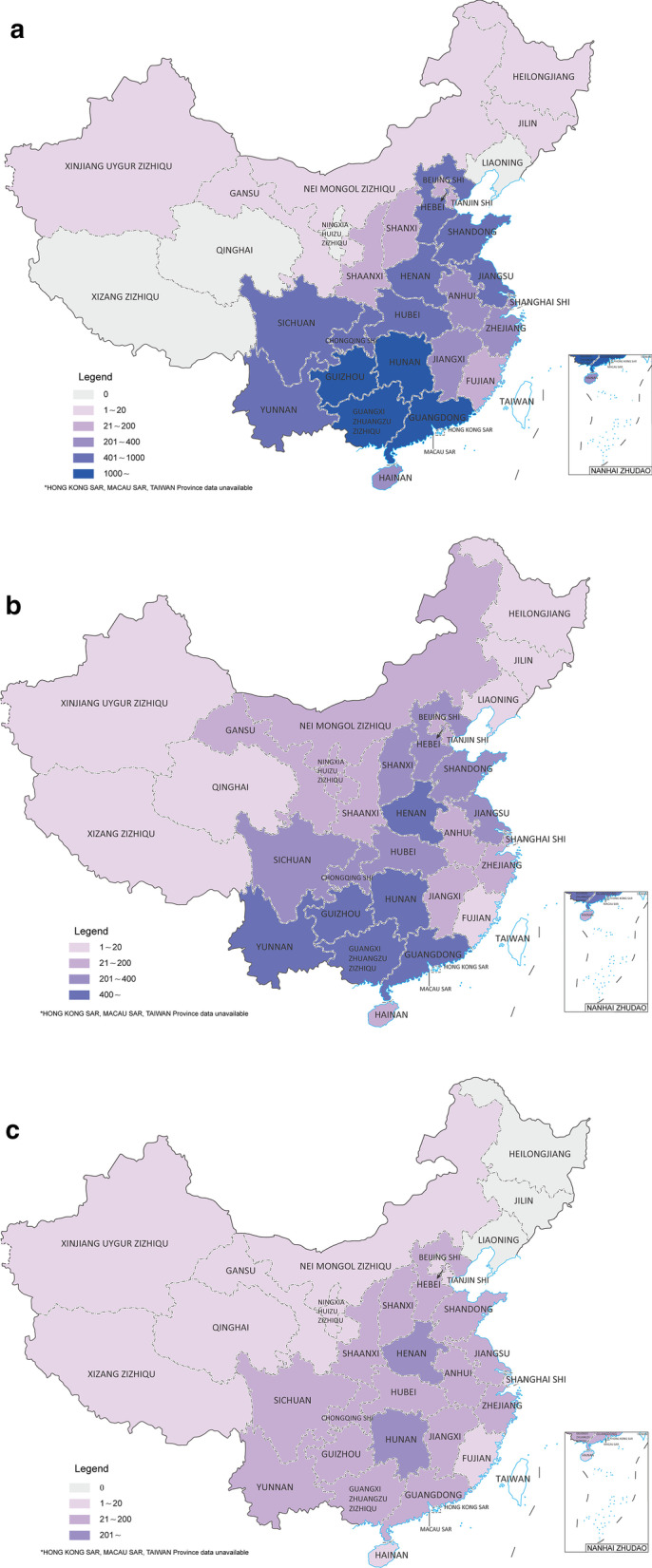
The incidence of human rabies cases in China have shown a downward trend year-on-year since 2007. Implementation of a government-led, multi-sectoral "One Health" approach to combating rabies has driven down the total number of rabies deaths nationwide to around 200 in 2020. The number of provincial-level administrative divisions (PLADs) reporting human cases of rabies has also decreased to 21 in 2020, 13 of which reported less than 10 cases. Furthermore, the number of outpatient visits seeking rabies post-exposure prophylaxis has risen dramatically over the past two decades, with demand being 15 times higher than it was initially. There remain however, significant gaps in rabies elimination outcomes across the different regions of China. To date the target of achieving a canine rabies vaccination rate of > 75% has not been met. The challenges of rabies immunization of dogs and dog management in underdeveloped cities and rural areas need to be addressed together with more effective animal surveillance and rabies risk from and too wildlife and livestock.
The Chinese government-led, multi-sectoral "One Health" approach to combating rabies and has made significant progress over the past decade. Development and adoption of more cost-effective One Health strategies can achieve more nationally beneficial rabies elimination outcomes. The ambitious target of "Zero rabies deaths by 2030" can be met through establishment of long-lasting herd immunity in dogs by means of dog mass vaccination campaigns, dog population management, epidemiological surveillance and the application of large-scale oral rabies vaccine to eliminate rabies in wild animals coupled with deployment of cost-effective human post-exposure prophylaxis, and community education.
狂犬病仍然是全球公共卫生的严重威胁,危及人们的健康和公共卫生安全。在中国,多部门和综合防控策略旨在广泛遏制人类狂犬病传播。在这里,我们检查了中国目前的狂犬病感染情况,探讨了针对世界卫生组织“到 2030 年实现狂犬病零死亡”目标的战略干预措施,并批判性评估了在中国消除犬介导狂犬病的限制和可行性。
本研究从人类、犬、政策、挑战和展望五个方面分析和评估了中国消除犬介导狂犬病的进展情况。中国犬介导狂犬病消除进展的循证数据来源于多个来源;使用 PubMed、Web of Science 和中国知网数据库进行了文献检索,从中国公共卫生科学与政策数据中心和相关中国部委的官方网站获取了人类狂犬病病例分布数据和文件数据。
自 2007 年以来,中国的人狂犬病病例发病率呈逐年下降趋势。实施政府主导、多部门“同一健康”方法防治狂犬病,使全国狂犬病死亡总数在 2020 年降至 200 人左右。2020 年报告人狂犬病病例的省级行政区(PLAD)数量也减少到 21 个,其中 13 个报告的病例少于 10 例。此外,过去二十年来,寻求狂犬病暴露后预防的门诊就诊人数急剧增加,需求是最初的 15 倍。然而,中国不同地区的狂犬病消除结果仍存在显著差距。到目前为止,实现犬狂犬病疫苗接种率>75%的目标尚未实现。需要解决欠发达城市和农村地区犬类狂犬病免疫和犬管理的挑战,以及更有效的动物监测和野生动物和牲畜的狂犬病风险。
中国政府主导、多部门的“同一健康”防治狂犬病方法在过去十年中取得了重大进展。开发和采用更具成本效益的同一健康战略可以实现更有利于国家的狂犬病消除结果。通过大规模犬只疫苗接种运动、犬只种群管理、流行病学监测和应用大规模口服狂犬病疫苗消除野生动物中的狂犬病,同时部署具有成本效益的人类暴露后预防措施和社区教育,建立犬只持久群体免疫,可实现到 2030 年“狂犬病零死亡”的宏伟目标。