Zhang Xiangyu, Khan Suliman, Wei Ruixue, Zhang Yan, Liu Yang, Wee Yong Voon, Xue Mengzhou
Department of Cerebrovascular Diseases, The Second Affiliated Hospital of Zhengzhou University, Zhengzhou, Henan, China.
Academy of Medical Science, Zhengzhou University, Zhengzhou, Henan, China.
J Tissue Eng. 2023 Apr 3;14:20417314231157004. doi: 10.1177/20417314231157004. eCollection 2023 Jan-Dec.
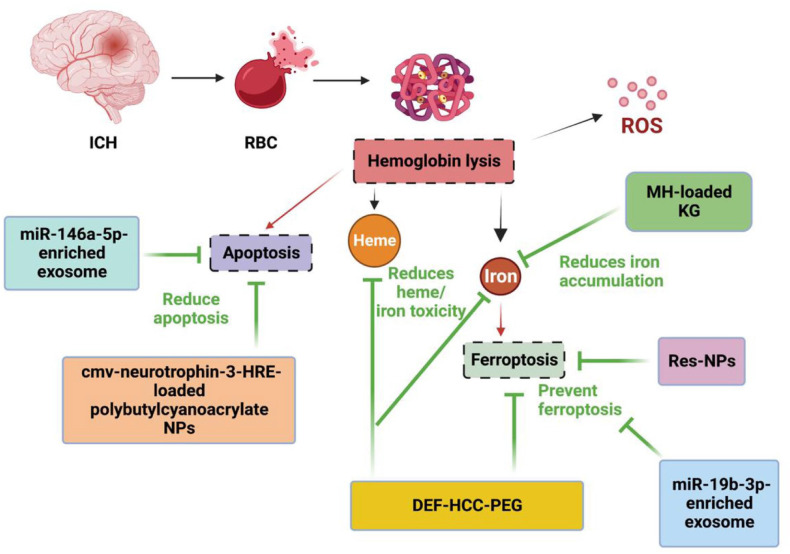
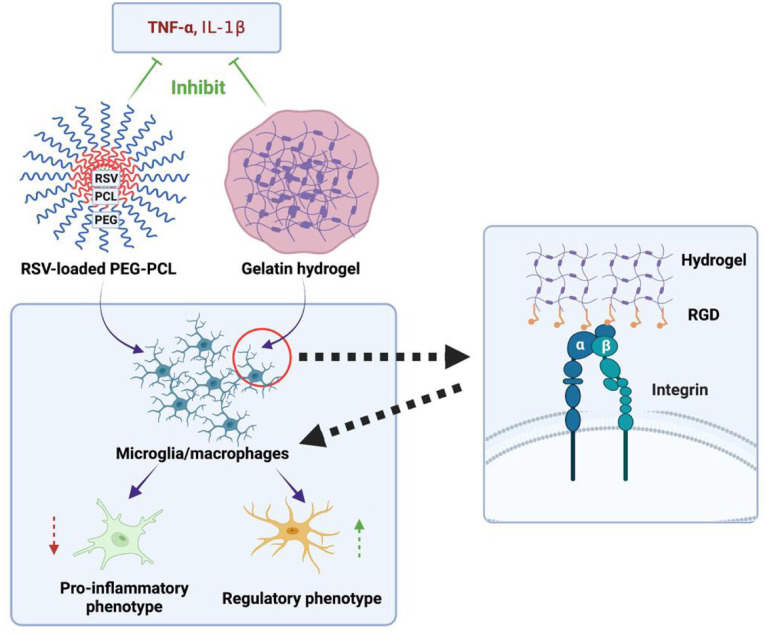
Intracerebral hemorrhage (ICH) is a non-traumatic hemorrhage caused by the rupture of blood vessels in the brain parenchyma, with an acute mortality rate of 30%‒40%. Currently, available treatment options that include surgery are not promising, and new approaches are urgently needed. Nanotechnology offers new prospects in ICH because of its unique benefits. In this review, we summarize the applications of various nanomaterials in ICH. Nanomaterials not only enhance the therapeutic effects of drugs as delivery carriers but also contribute to several facets after ICH such as repressing detrimental neuroinflammation, resisting oxidative stress, reducing cell death, and improving functional deficits.
脑出血(ICH)是一种由脑实质血管破裂引起的非创伤性出血,急性死亡率为30%至40%。目前,包括手术在内的现有治疗方案效果不佳,迫切需要新的治疗方法。纳米技术因其独特的优势为脑出血治疗带来了新的前景。在本综述中,我们总结了各种纳米材料在脑出血治疗中的应用。纳米材料不仅作为药物递送载体增强了药物的治疗效果,还在脑出血后的多个方面发挥作用,如抑制有害的神经炎症、抵抗氧化应激、减少细胞死亡以及改善功能缺陷。