Jung Junghyun, Lu Zeyun, de Smith Adam, Mancuso Nicholas
Center for Genetic Epidemiology, Department of Population and Public Health Sciences, Keck School of Medicine, University of Southern California, Los Angeles, CA, USA.
Biostatistics Division, Department of Population and Public Health Sciences, Keck School of Medicine, University of Southern California, Los Angeles, CA, USA.
medRxiv. 2023 Mar 31:2023.03.30.23287918. doi: 10.1101/2023.03.30.23287918.
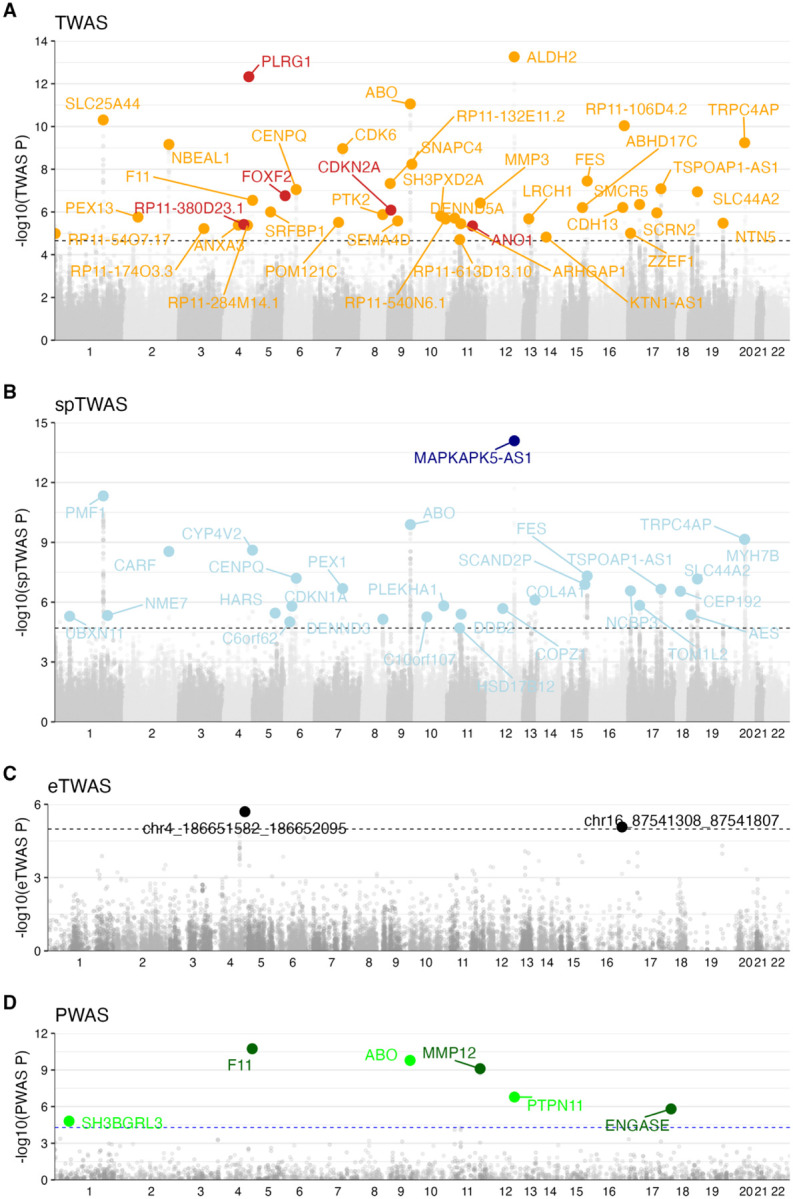
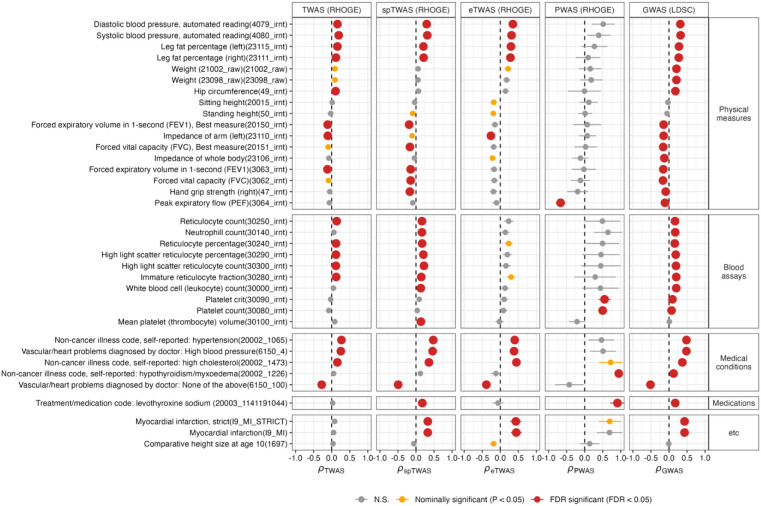
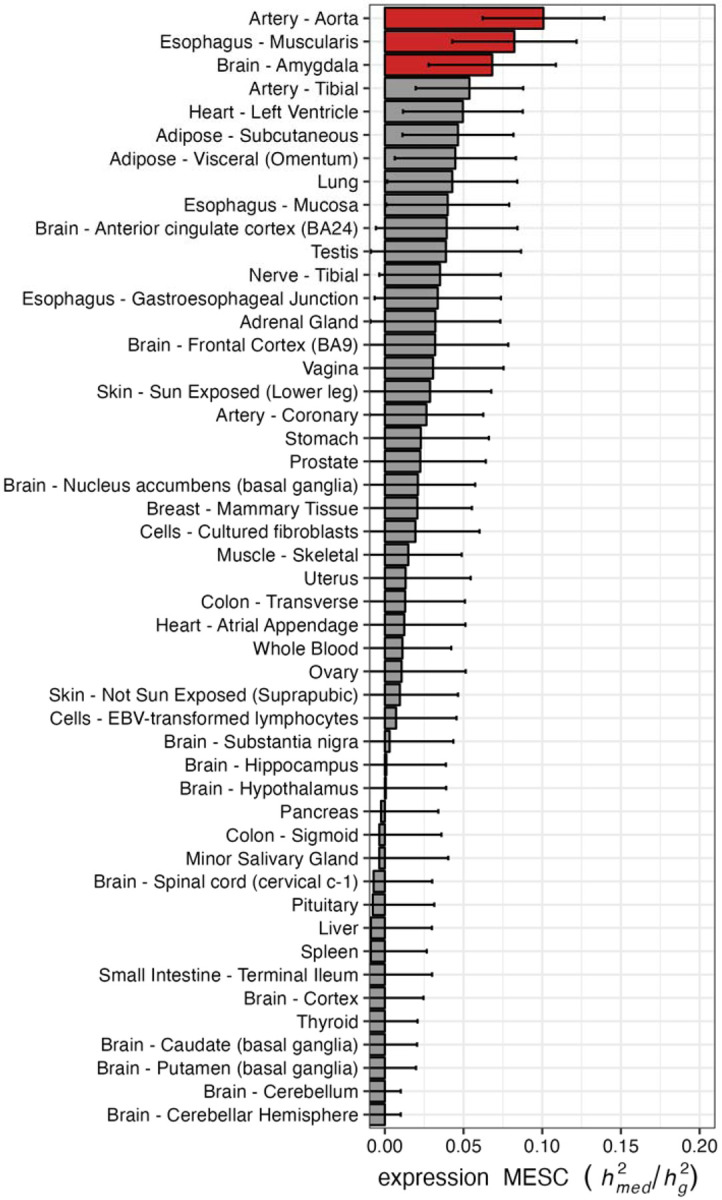
Stroke, characterized by sudden neurological deficits, is the second leading cause of death worldwide. Although genome-wide association studies (GWAS) have successfully identified many genomic regions associated with ischemic stroke (IS), the genes underlying risk and their regulatory mechanisms remain elusive. Here, we integrate a large-scale GWAS (N=1,296,908) for IS together with mRNA, splicing, enhancer RNA (eRNA) and protein expression data (N=11,588) from 50 tissues. We identify 136 genes/eRNA/proteins associated with IS risk across 54 independent genomic regions and find IS risk is most enriched for eQTLs in arterial and brain-related tissues. Focusing on IS-relevant tissues, we prioritize 9 genes/proteins using probabilistic fine-mapping TWAS analyses. In addition, we discover that blood cell traits, particularly reticulocyte cells, have shared genetic contributions with IS using TWAS-based pheWAS and genetic correlation analysis. Lastly, we integrate our findings with a large-scale pharmacological database and identify a secondary bile acid, deoxycholic acid, as a potential therapeutic component. Our work highlights IS risk genes/splicing-sites/enhancer activity/proteins with their phenotypic consequences using relevant tissues as well as identify potential therapeutic candidates for IS.
中风以突然出现神经功能缺损为特征,是全球第二大死因。尽管全基因组关联研究(GWAS)已成功鉴定出许多与缺血性中风(IS)相关的基因组区域,但潜在风险基因及其调控机制仍不清楚。在此,我们将一项针对IS的大规模GWAS(N = 1,296,908)与来自50个组织的mRNA、剪接、增强子RNA(eRNA)和蛋白质表达数据(N = 11,588)进行整合。我们在54个独立基因组区域中鉴定出136个与IS风险相关的基因/eRNA/蛋白质,并发现IS风险在动脉和脑相关组织的eQTL中最为富集。聚焦于与IS相关的组织,我们使用概率精细定位TWAS分析对9个基因/蛋白质进行优先级排序。此外,我们使用基于TWAS的表型全基因组关联研究和遗传相关性分析发现,血细胞性状,尤其是网织红细胞,与IS存在共同的遗传贡献。最后,我们将研究结果与一个大规模药理学数据库进行整合,确定次级胆汁酸脱氧胆酸为一种潜在的治疗成分。我们的工作突出了IS风险基因/剪接位点/增强子活性/蛋白质及其在相关组织中的表型后果,并确定了IS的潜在治疗候选物。