Department of Integrative Biology and Physiology, University of Minnesota, Minneapolis, MN 55455.
FOXO Technologies Inc., Minneapolis, MN 55401.
Proc Natl Acad Sci U S A. 2023 Apr 18;120(16):e2211755120. doi: 10.1073/pnas.2211755120. Epub 2023 Apr 12.
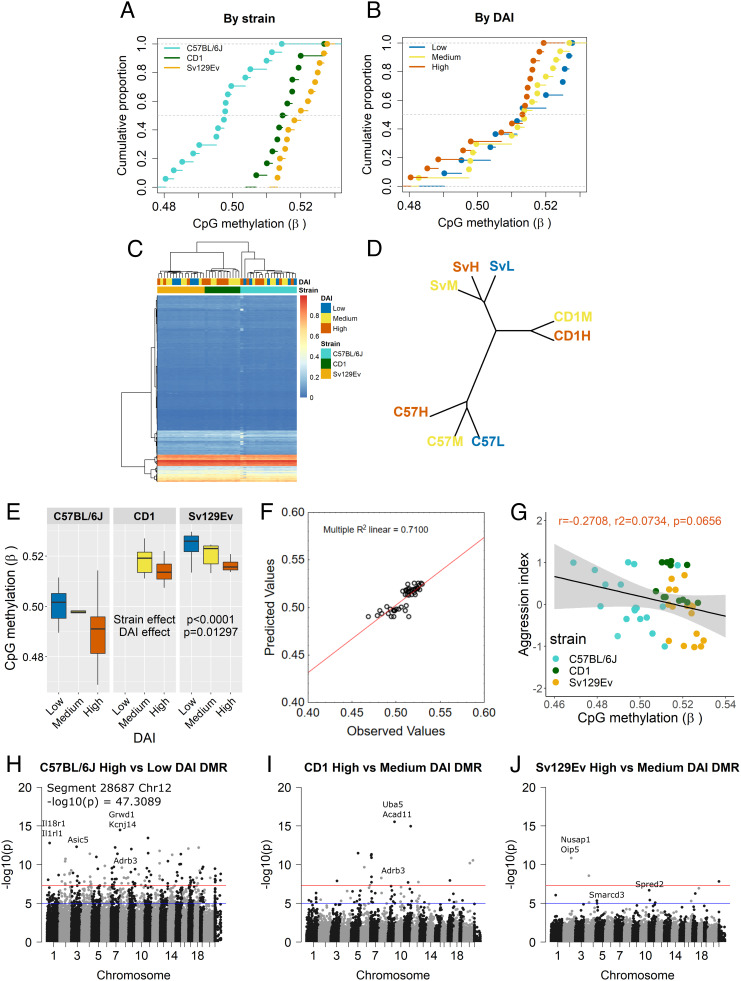
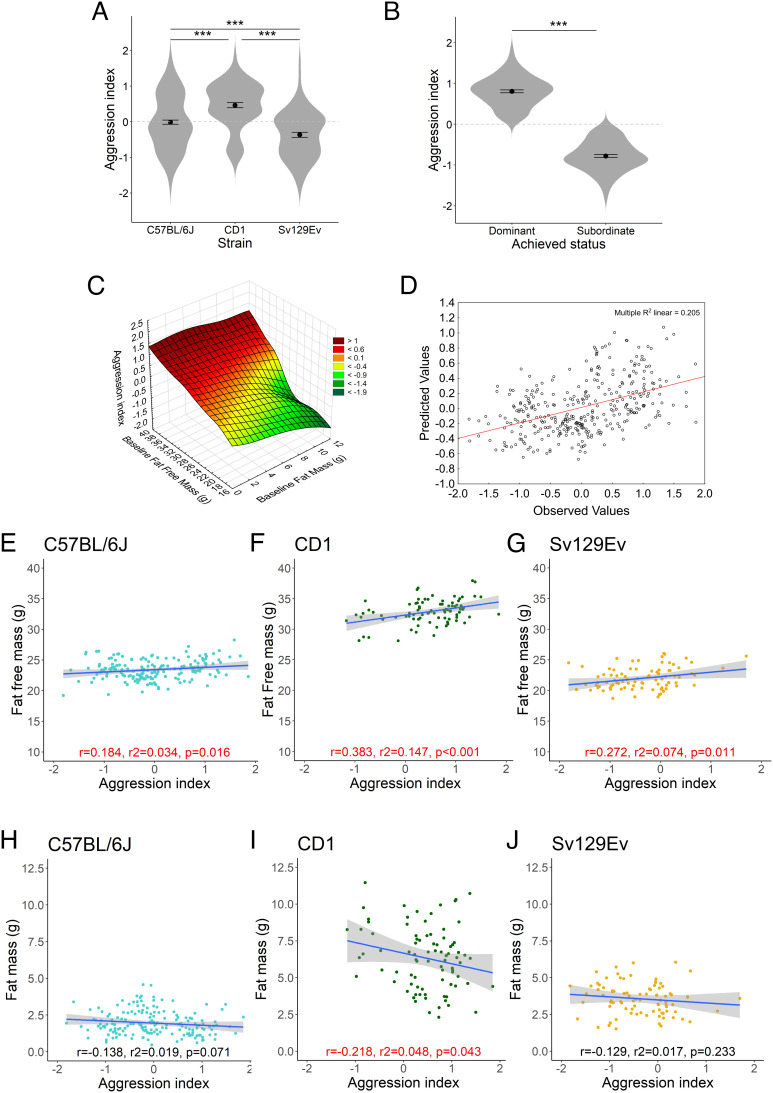
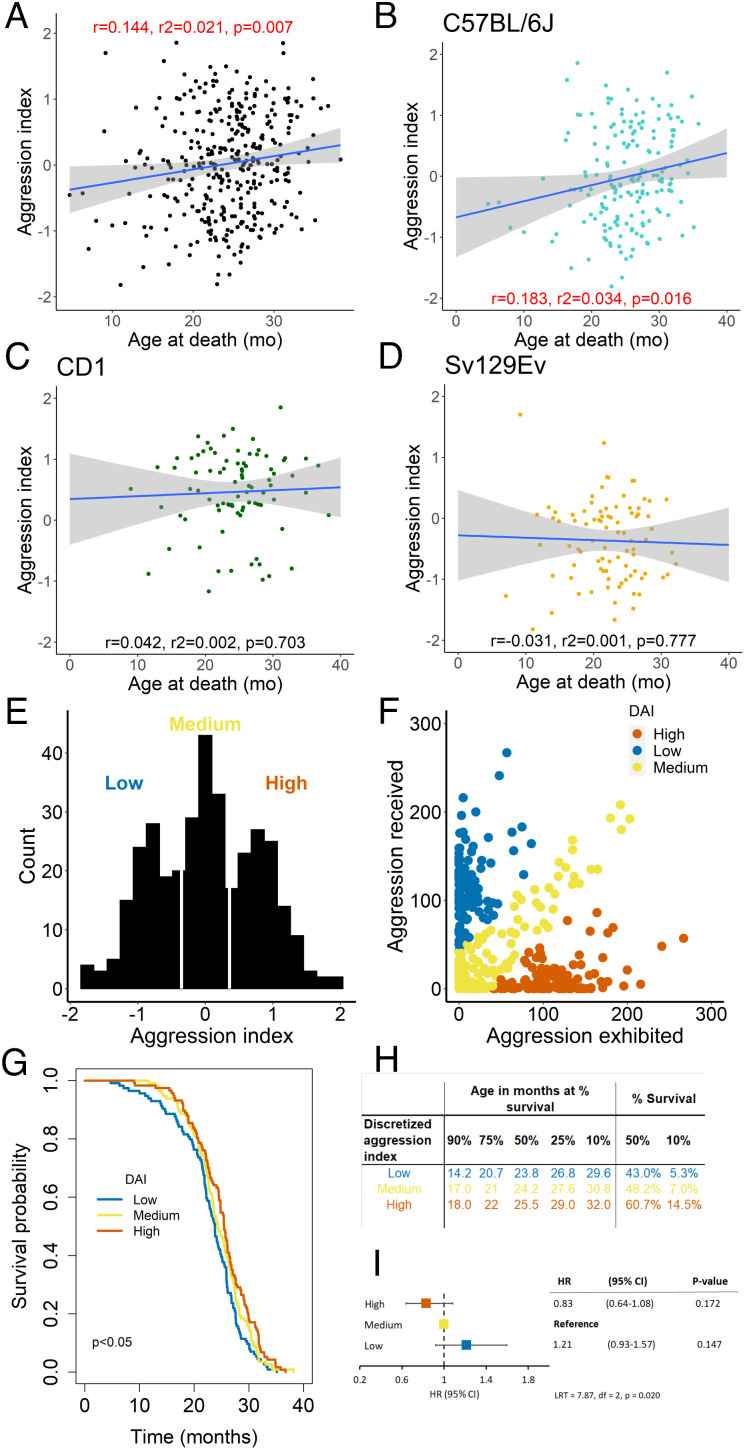
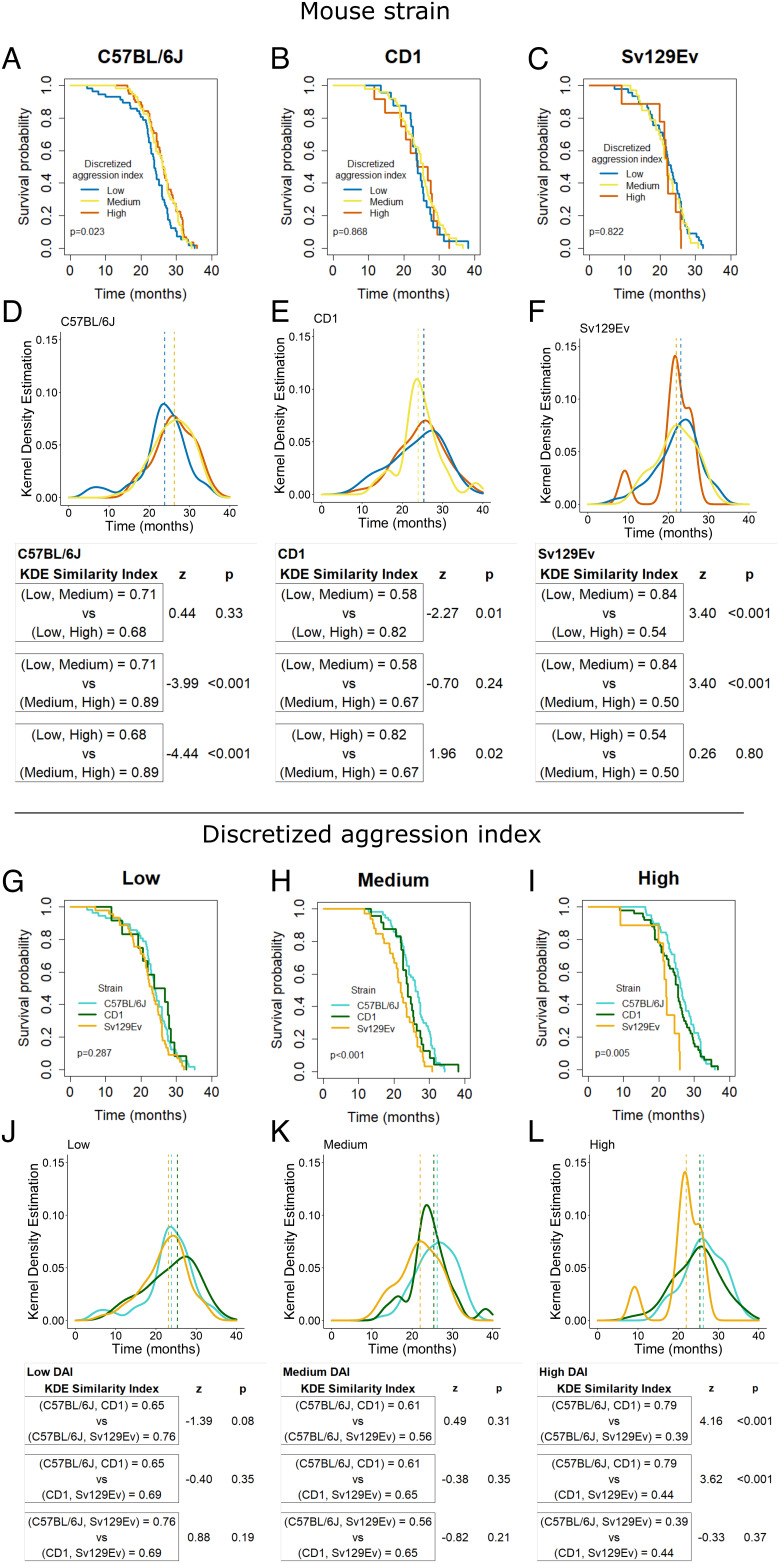
Sustained life stress and low socioeconomic status are among the major causes of aging-related diseases and decreased life expectancy. Experimental rodent models can help to identify the underlying mechanisms, yet very few studies address the long-term consequences of social stress on aging. We conducted a randomized study involving more than 300 male mice of commonly used laboratory strains (C57BL/6J, CD1, and Sv129Ev) chosen for the spontaneous aggression gradient and stress-vulnerability. Mice were exposed to a lifelong chronic psychosocial stress protocol to model social gradients in aging and disease vulnerability. Low social rank, inferred based on a discretized aggression index, was found to negatively impact lifespan in our study population. However, social rank interacted with genetic background in that low-ranking C57BL/6J, high-ranking Sv129Ev, and middle-ranking CD1 mice had lower survival, respectively, implying a cost of maintaining a given social rank that varies across strains. Machine learning linear discriminant analysis identified baseline fat-free mass as the most important predictor of mouse genetic background and social rank in the present dataset. Finally, strain and social rank differences were significantly associated with epigenetic changes, most significantly in Sv129Ev mice and in high-ranking compared to lower ranking subjects. Overall, we identified genetic background and social rank as critical contextual modifiers of aging and lifespan in an ethologically relevant rodent model of social stress, thereby providing a preclinical experimental paradigm to study the impact of social determinants of health disparities and accelerated aging.
持续的生活压力和较低的社会经济地位是与衰老相关疾病和预期寿命缩短的主要原因之一。实验啮齿动物模型有助于确定潜在的机制,但很少有研究关注社会压力对衰老的长期影响。我们进行了一项随机研究,涉及超过 300 只雄性小鼠,这些小鼠来自常用的实验室品系(C57BL/6J、CD1 和 Sv129Ev),这些品系因自发攻击梯度和应激易感性而被选择。小鼠暴露于终生慢性社会心理应激方案中,以模拟衰老和疾病易感性的社会梯度。我们的研究人群发现,低社会等级(基于离散攻击指数推断)对寿命有负面影响。然而,社会等级与遗传背景相互作用,低等级 C57BL/6J、高等级 Sv129Ev 和中等级 CD1 小鼠的存活率分别较低,这意味着维持给定社会等级的成本因品系而异。机器学习线性判别分析确定基线无脂肪质量是本数据集中小鼠遗传背景和社会等级的最重要预测因子。最后,品系和社会等级差异与表观遗传变化显著相关,在 Sv129Ev 小鼠中和高等级与低等级相比差异更显著。总的来说,我们确定了遗传背景和社会等级是一种与衰老和寿命相关的重要环境修饰因子,在一种具有社会压力的进化相关啮齿动物模型中,为研究健康差异和加速衰老的社会决定因素的影响提供了一个临床前实验范例。