Heart Research Institute, The University of Sydney, Sydney 2042, Australia.
Royal Prince Alfred Hospital, Sydney 2006, Australia.
Int J Mol Sci. 2023 Apr 4;24(7):6725. doi: 10.3390/ijms24076725.
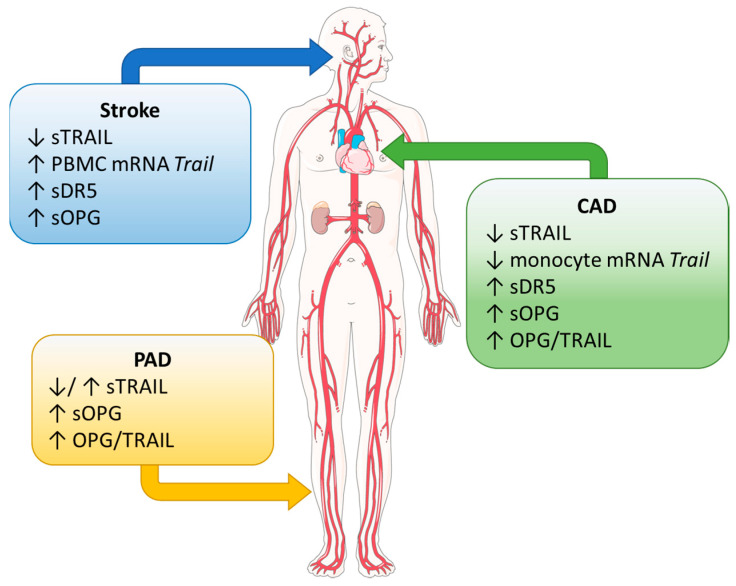
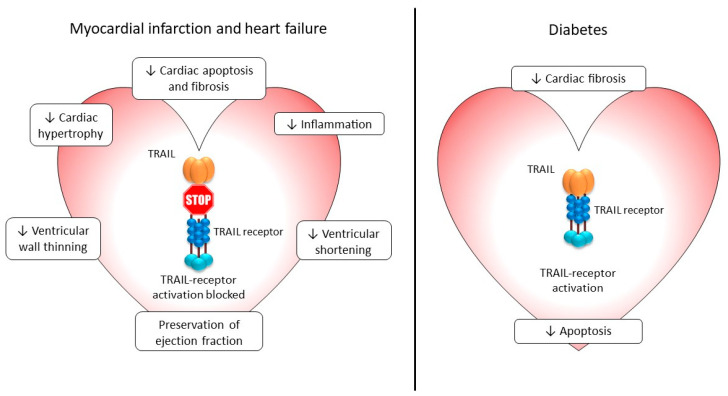
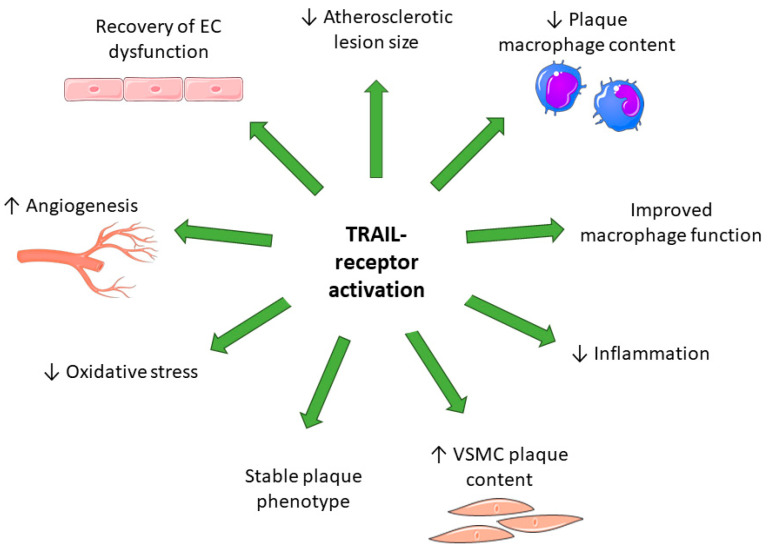
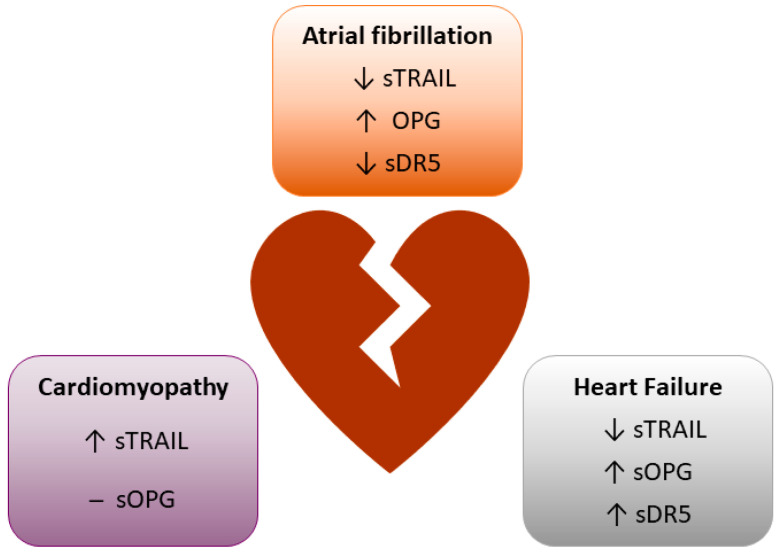
TNF-related apoptosis-inducing ligand (TRAIL) was originally discovered, almost 20 years ago, for its ability to kill cancer cells. More recent evidence has described pleiotropic functions, particularly in the cardiovascular system. There is potential for TRAIL concentrations in the circulation to act as prognostic and/or diagnostic factors for cardiovascular diseases (CVD). Pre-clinical studies also describe the therapeutic capacity for TRAIL signals, particularly in the context of atherosclerotic disease and diseases of the myocardium. Because diabetes mellitus significantly contributes to the progression and pathogenesis of CVDs, in this review we highlight recent evidence for the prognostic, diagnostic, and therapeutic potential of TRAIL signals in CVDs, and where relevant, the impact of diabetes mellitus. A greater understanding of how TRAIL signals regulate cardiovascular protection and pathology may offer new diagnostic and therapeutic avenues for patients suffering from CVDs.
肿瘤坏死因子相关凋亡诱导配体(TRAIL)最初被发现大约 20 年前,因其能够杀死癌细胞。最近的证据描述了其多效性功能,特别是在心血管系统中。TRAIL 在循环中的浓度有可能作为心血管疾病(CVD)的预后和/或诊断因素。临床前研究还描述了 TRAIL 信号的治疗能力,特别是在动脉粥样硬化疾病和心肌疾病的背景下。由于糖尿病显著促进 CVD 的进展和发病机制,因此在本综述中,我们强调了 TRAIL 信号在 CVD 中的预后、诊断和治疗潜力的最新证据,以及在相关情况下糖尿病的影响。更深入地了解 TRAIL 信号如何调节心血管保护和病理可能为患有 CVD 的患者提供新的诊断和治疗途径。