Alharshan Gharam A, Aboraia Abdelaziz Mohamed, Uosif Mohamed A M, Sharaf Ibrahim M, Shaaban Essam R, Saad Mohamed, ALMohiy Hussain, Elsenety Mohamed M
Physics Department, College of Science, Princess Nourah Bint Abdulrahman University, P.O. Box 84428, Riyadh 11671, Saudi Arabia.
Physics Department, Faculty of Science, Al-Azhar University, Assiut 71542, Egypt.
Materials (Basel). 2023 Mar 28;16(7):2676. doi: 10.3390/ma16072676.
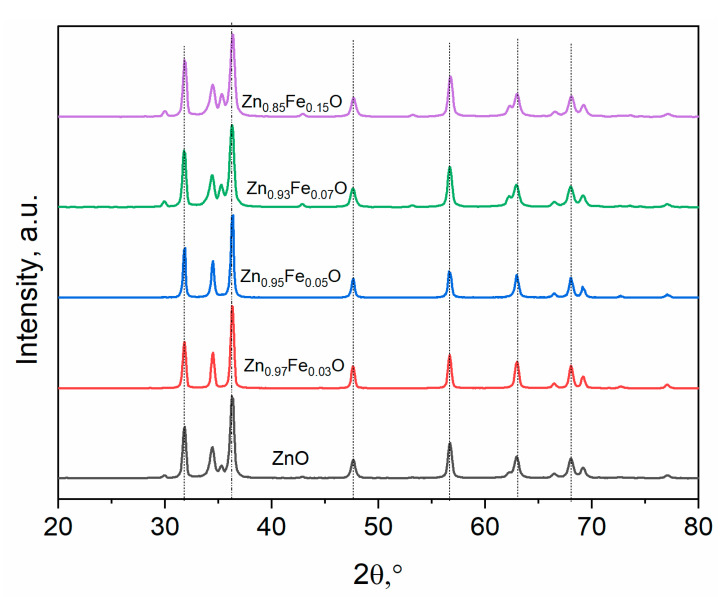
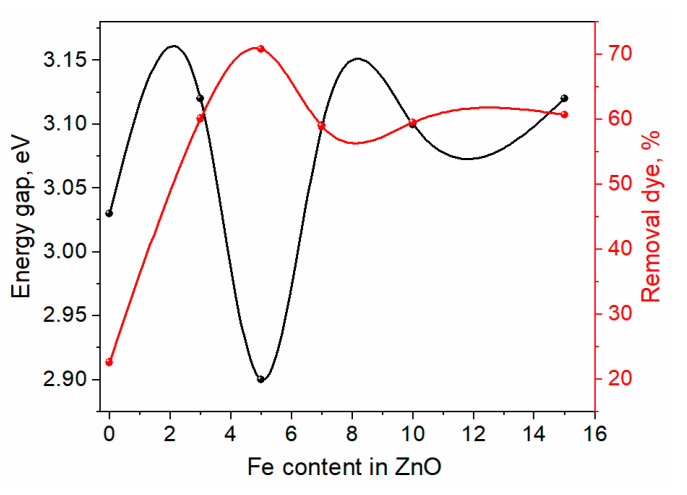
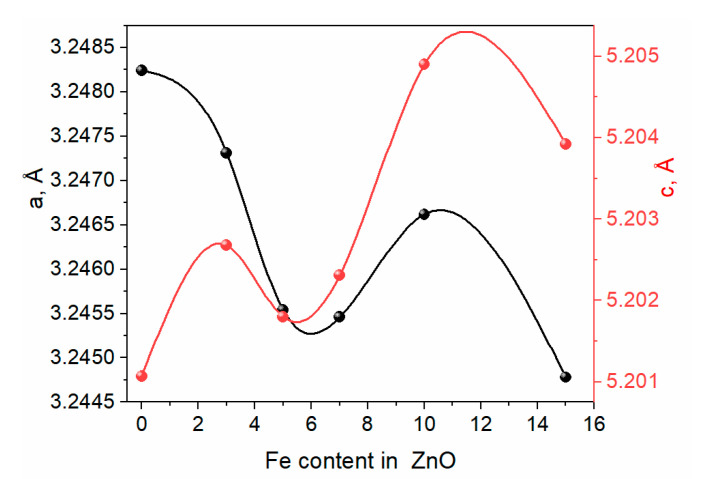
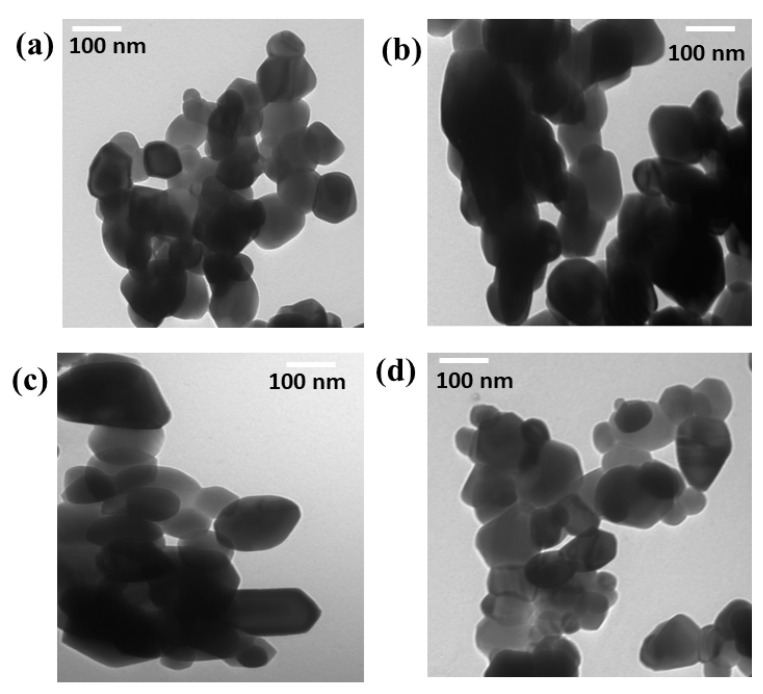
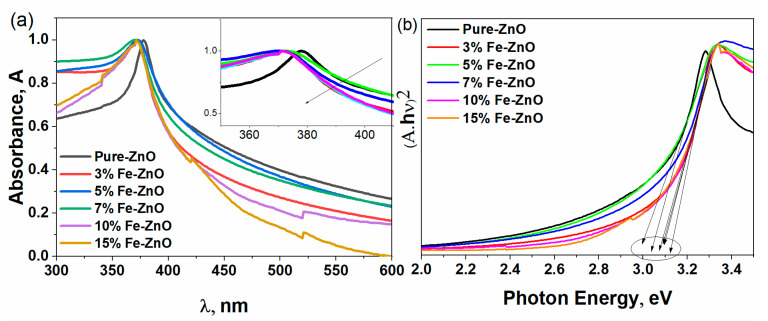
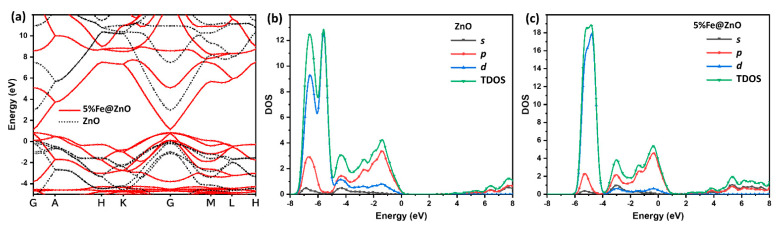
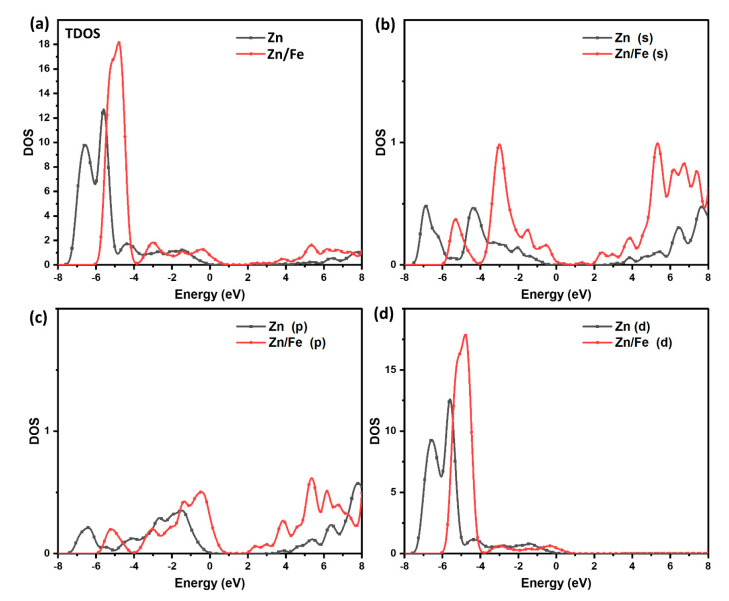
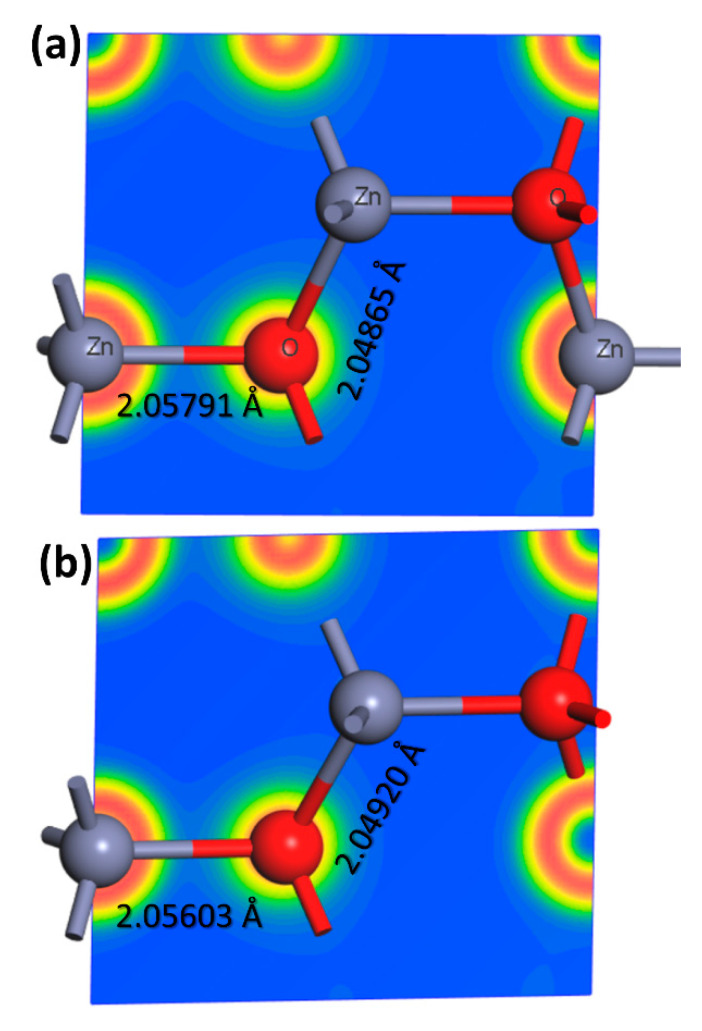
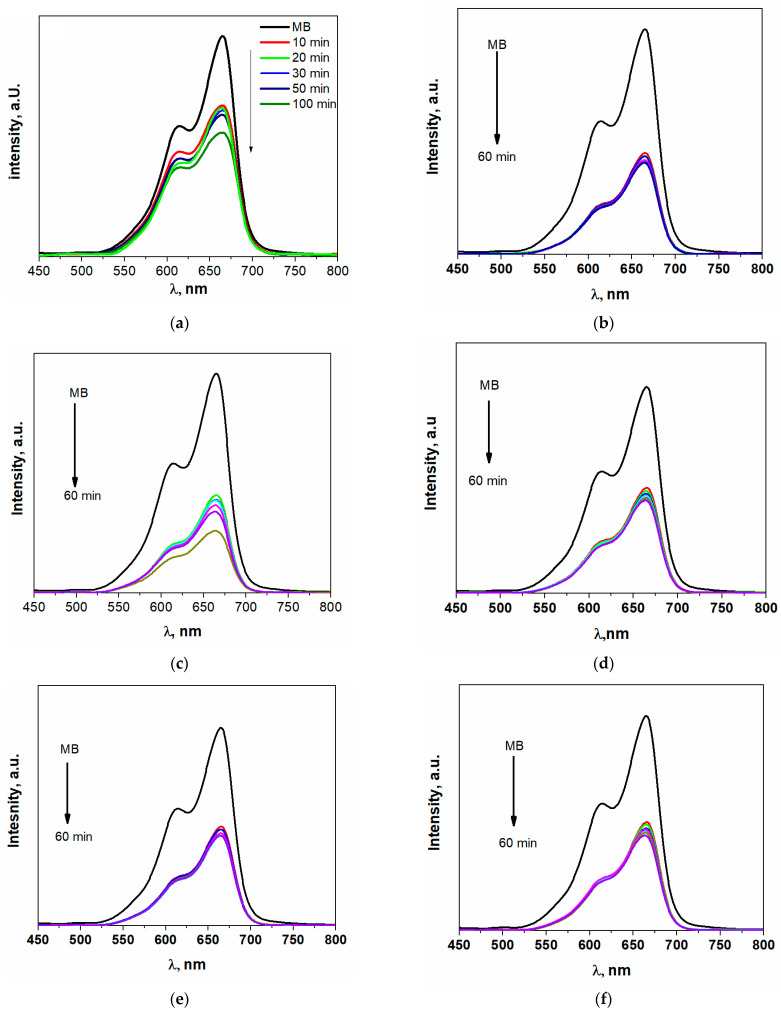
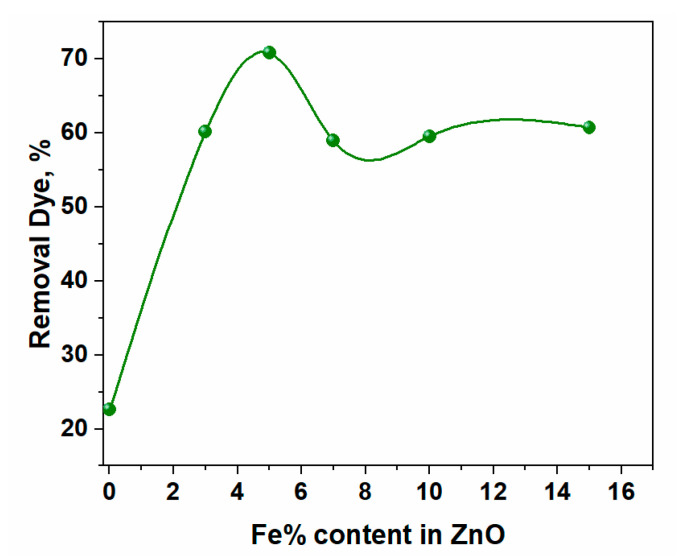
Iron-doped Zinc oxide nanoparticles were produced by the sol-gel combustion method. This study aims to see how iron doping affects the structural, optical, and photocatalytic characteristics of ZnO composites. XRD examined all samples to detect the structural properties and proved that all active materials are a single hexagonal phase. The morphology and particle size were investigated by TEM. Computational Density functional theory (DFT) calculation of the band structure, density of state, and charge distributions for ZnO were investigated in comparison with ZnO dope iron. We reported the application results of ZnO doped Fe for Methylene blue dye removal under photocatalytic degradation effect. The iron concentrations affect the active material's band gap, producing higher photocatalytic performance. The acquired results could be employed to enhance the photocatalytic properties of ZnO.
采用溶胶-凝胶燃烧法制备了铁掺杂氧化锌纳米颗粒。本研究旨在探讨铁掺杂对ZnO复合材料的结构、光学和光催化特性的影响。通过XRD检测所有样品的结构性质,证明所有活性材料均为单一的六方相。通过TEM研究了其形貌和粒径。与ZnO掺杂铁相比,对ZnO的能带结构、态密度和电荷分布进行了计算密度泛函理论(DFT)计算。我们报道了ZnO掺杂Fe在光催化降解作用下去除亚甲基蓝染料的应用结果。铁浓度影响活性材料的带隙,产生更高的光催化性能。所获得的结果可用于提高ZnO的光催化性能。