School of Information Technology, Deakin University, Geelong, VIC 3220, Australia.
Sensors (Basel). 2023 Apr 3;23(7):3697. doi: 10.3390/s23073697.
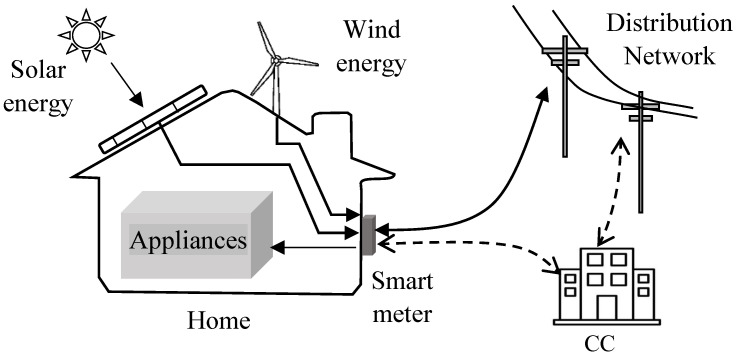
Recent years have seen the rapid development of technologies in Smart Grids (SGs) to enhance electricity networks with digital and data communication technologies. SGs can proactively detect, react, and respond to dynamic changes in the network. SGs can also enhance the efficiency and reliability of electricity supplies and promote the integration of renewable energy sources. Smart Meters (SMs) are often seen as the first step to a successful implementation of SGs. While SMs enable Utility Providers and consumers to obtain near real-time information of energy consumption, they can also be exploited to infer sensitive consumer data. Therefore, privacy preservation in SMs is paramount in ensuring the widespread and successful deployment of SGs. In this paper, we present a comprehensive survey of the state-of-the-art SM privacy-preserving techniques published in the literature over the past decade. We categorize these techniques based on the attack types and their objectives. We aim to offer a unique perspective in this survey article through the lens of privacy preservation, cross-cutting the wide range of techniques presented in the literature. We conclude by identifying the challenges and highlighting key future research directions in the field.
近年来,智能电网 (SGs) 技术发展迅速,利用数字和数据通信技术增强电网。SGs 可以主动检测、响应和应对网络中的动态变化。SGs 还可以提高电力供应的效率和可靠性,并促进可再生能源的整合。智能电表 (SMs) 通常被视为成功实施 SGs 的第一步。虽然 SMs 使公用事业提供商和消费者能够获得能源消耗的近乎实时信息,但它们也可能被利用来推断敏感的消费者数据。因此,在 SMs 中保护隐私对于确保 SGs 的广泛和成功部署至关重要。本文对过去十年中在文献中发表的智能电表隐私保护技术的最新进展进行了全面调查。我们根据攻击类型和目标对这些技术进行了分类。我们旨在通过隐私保护的视角,为这篇综述文章提供一个独特的视角,涵盖文献中提出的广泛技术。最后,我们确定了该领域的挑战,并强调了关键的未来研究方向。