Singh Gaurav, Tolkachjov Stanislav N, Farberg Aaron S
Gaurav Singh MD, Milwaukee, WI, USA.
Epiphany Dermatology, Dallas, TX, USA.
Clin Cosmet Investig Dermatol. 2023 Apr 5;16:925-935. doi: 10.2147/CCID.S403330. eCollection 2023.
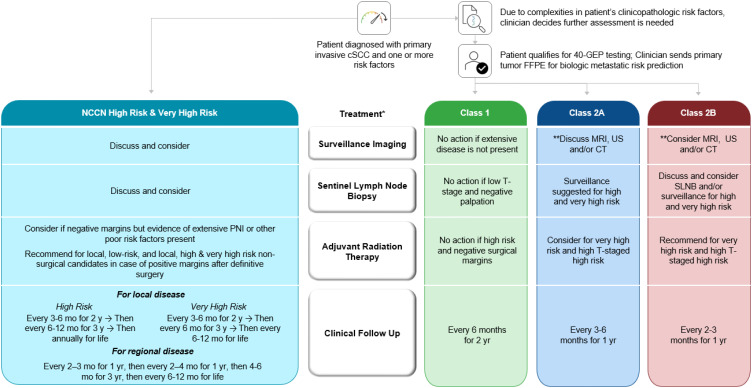
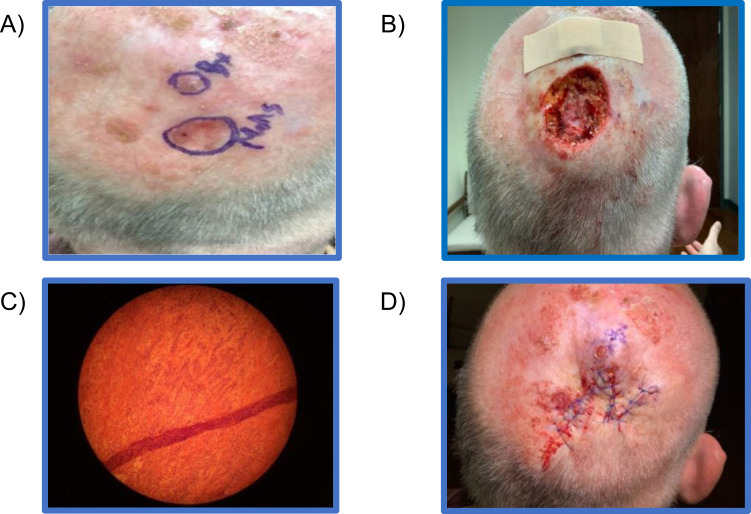
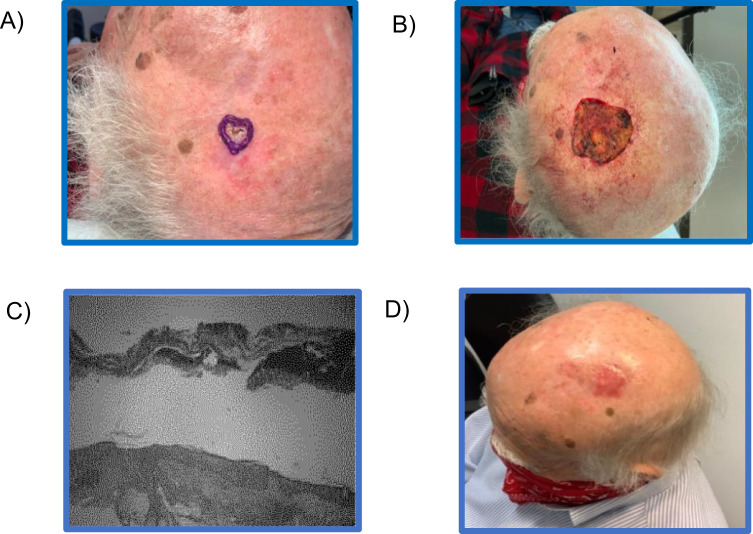
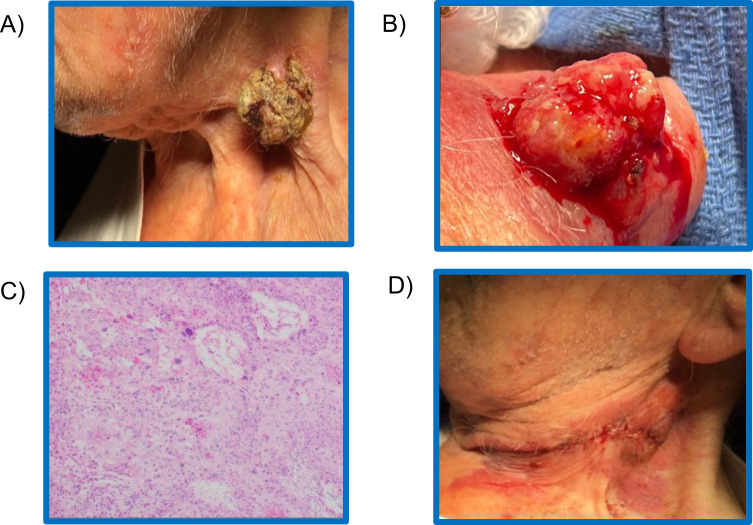
Cutaneous squamous cell carcinoma (cSCC) has become a significant public health issue due to its rapidly rising incidence and an estimated 1.8 million newly diagnosed cases annually. As with other cancers, treatment decisions for patients with cSCC are based primarily on a patient's risk for poor outcomes. There has been improvement in clinicopathologic factor-based risk assessment approaches, either through informal methods or ever evolving staging approaches. However, these approaches misidentify patients who will eventually have disease progression as low-risk and conversely, over classify patients as high-risk who do not experience relapse. To improve the accuracy of risk assessment for patients with cSCC, the 40-gene expression profile (40-GEP) test has been validated to show statistically significant stratification of a high-risk cSCC patient's risk of nodal or distant metastasis, independent of currently available risk-assessment methods. The 40-GEP test allows for a more accurate classification of metastatic risk for high-risk cSCC patients, with the aim to influence appropriate allocation of clinician time and therapeutic resources to those patients who will most benefit. The objective of this article is to present a treatment algorithm in which clinicians can easily integrate the results of the 40-GEP test into their current treatment approaches to tailor patient care based on individual tumor biology. The following modalities were considered: surveillance imaging, sentinel lymph node biopsy (SLNB), adjuvant radiation therapy (ART), and clinical follow-up. The authors have contributed their own cases for discussion as to how they have seen the beneficial impact of 40-GEP test results in their own practice. Overall, clinicians can identify risk-aligned treatment pathway improvements with the use of the 40-GEP test for challenging to manage, high-risk cSCC patients.
皮肤鳞状细胞癌(cSCC)因其发病率迅速上升且估计每年有180万新诊断病例,已成为一个重大的公共卫生问题。与其他癌症一样,cSCC患者的治疗决策主要基于患者预后不良的风险。基于临床病理因素的风险评估方法已有改进,无论是通过非正式方法还是不断发展的分期方法。然而,这些方法会将最终会出现疾病进展的患者误判为低风险,反之,将未经历复发的患者过度归类为高风险。为提高cSCC患者风险评估的准确性,40基因表达谱(40-GEP)检测已得到验证,显示出高风险cSCC患者发生淋巴结或远处转移风险的统计学显著分层,独立于目前可用的风险评估方法。40-GEP检测能够更准确地对高风险cSCC患者的转移风险进行分类,目的是影响临床医生时间和治疗资源向最能受益的患者的合理分配。本文的目的是提出一种治疗算法,临床医生可以轻松地将40-GEP检测结果整合到他们当前的治疗方法中,根据个体肿瘤生物学特性来定制患者护理。考虑了以下模式:监测成像、前哨淋巴结活检(SLNB)、辅助放射治疗(ART)和临床随访。作者分享了他们自己的病例,以讨论他们在自己的实践中如何看到40-GEP检测结果的有益影响。总体而言,临床医生可以通过对难以管理的高风险cSCC患者使用40-GEP检测来识别与风险相匹配的治疗途径改进。