Institute of Clinical Biochemistry, Hannover Medical School, Hannover, Germany.
Center for Systems Neuroscience Hannover (ZSN), Hannover, Germany.
Clin Cancer Res. 2023 Jun 13;29(12):2266-2279. doi: 10.1158/1078-0432.CCR-22-1488.
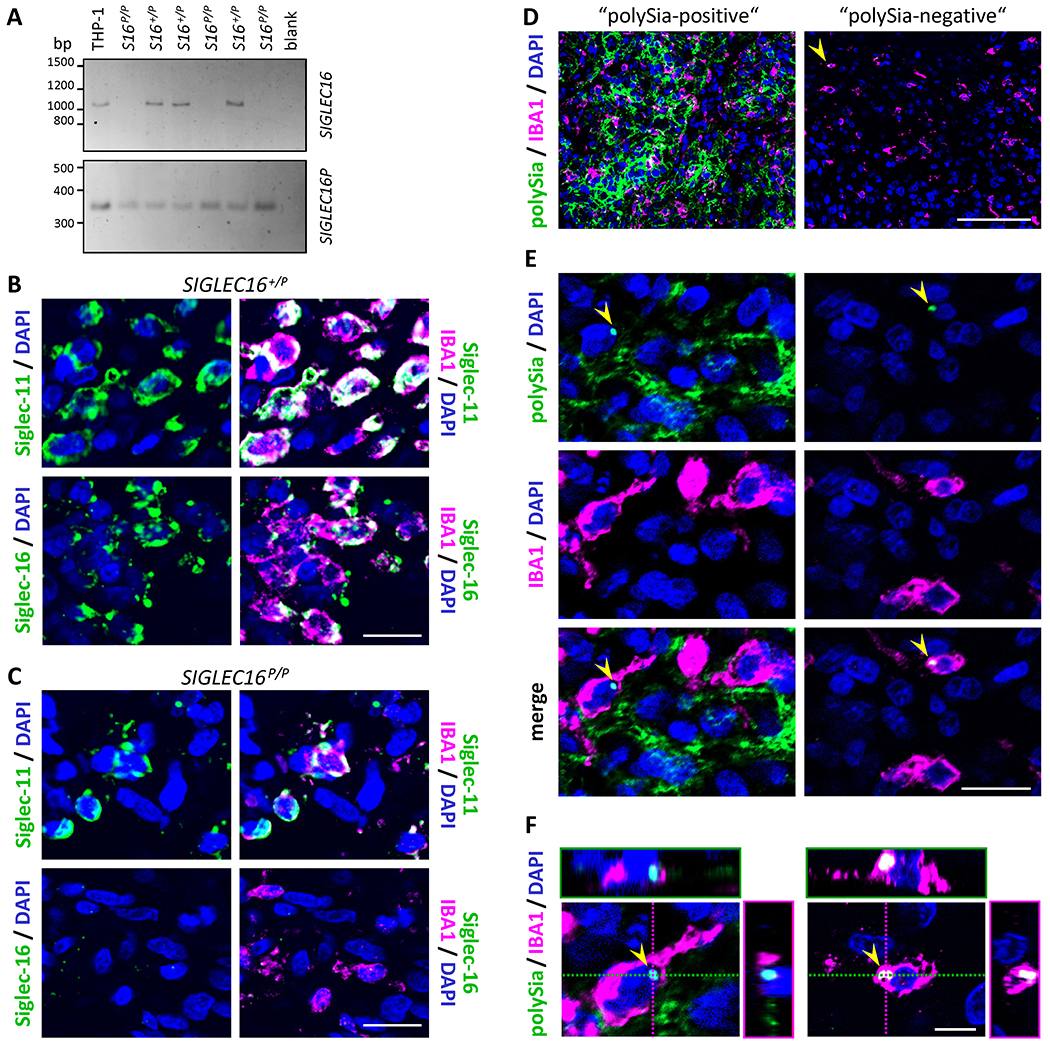
Interactions with tumor-associated microglia and macrophages (TAM) are critical for glioblastoma progression. Polysialic acid (polySia) is a tumor-associated glycan, but its frequency of occurrence and its prognostic value in glioblastoma are disputed. Through interactions with the opposing immune receptors Siglec-11 and Siglec-16, polySia is implicated in the regulation of microglia and macrophage activity. However, due to a nonfunctional SIGLEC16P allele, SIGLEC16 penetrance is less than 40%. Here, we explored possible consequences of SIGLEC16 status and tumor cell-associated polySia on glioblastoma outcome.
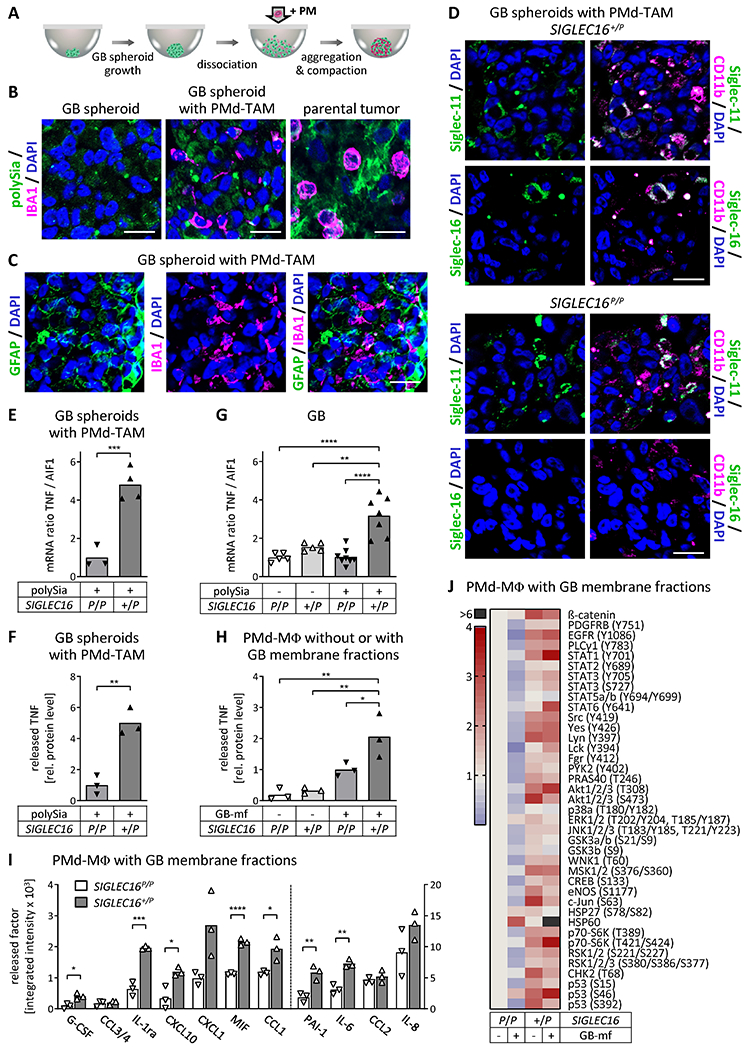
Formalin-fixed paraffin-embedded specimens of two independent cohorts with 70 and 100 patients with newly diagnosed glioblastoma were retrospectively analyzed for SIGLEC16 and polySia status in relation to overall survival. Inflammatory TAM activation was assessed in tumors, in heterotypic tumor spheroids consisting of polySia-positive glioblastoma cells and Siglec-16-positive or Siglec-16-negative macrophages, and by exposing Siglec-16-positive or Siglec-16-negative macrophages to glioblastoma cell-derived membrane fractions.
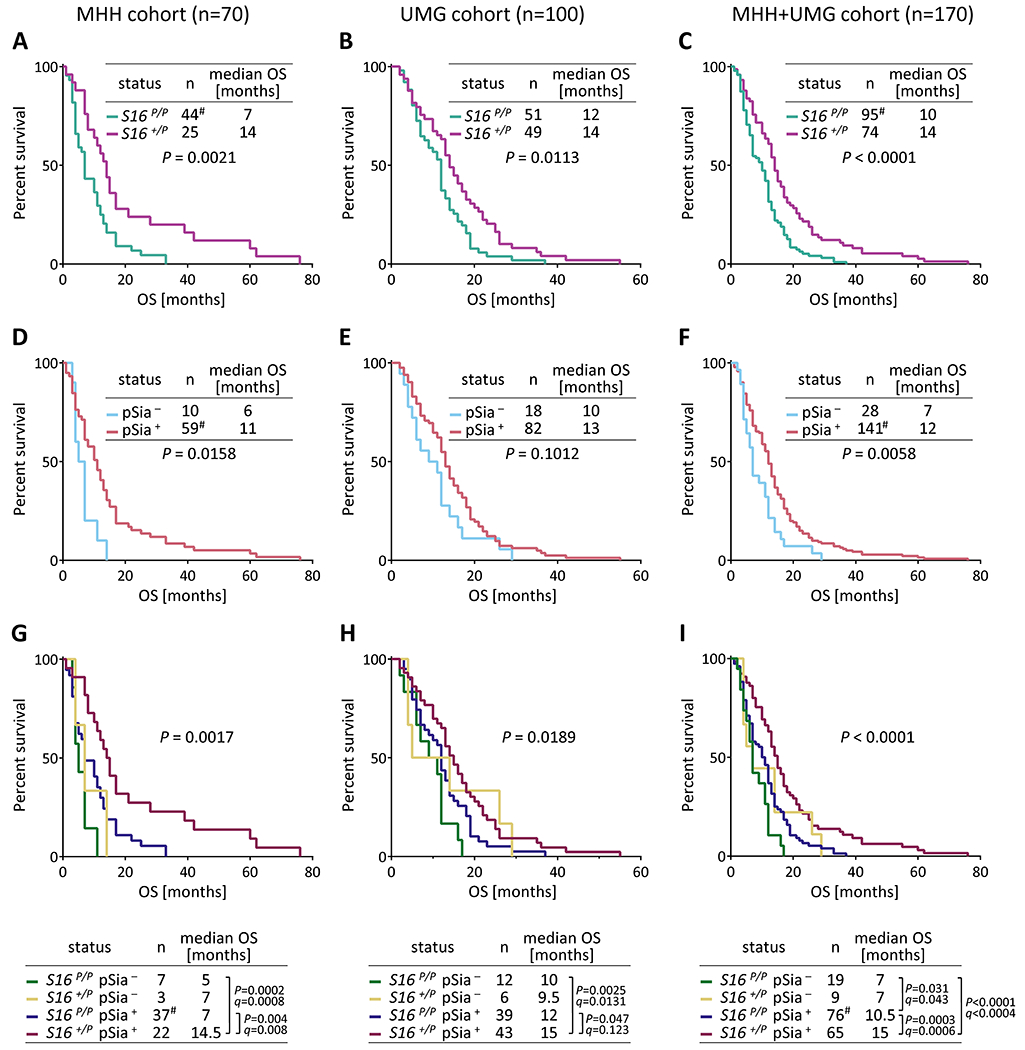
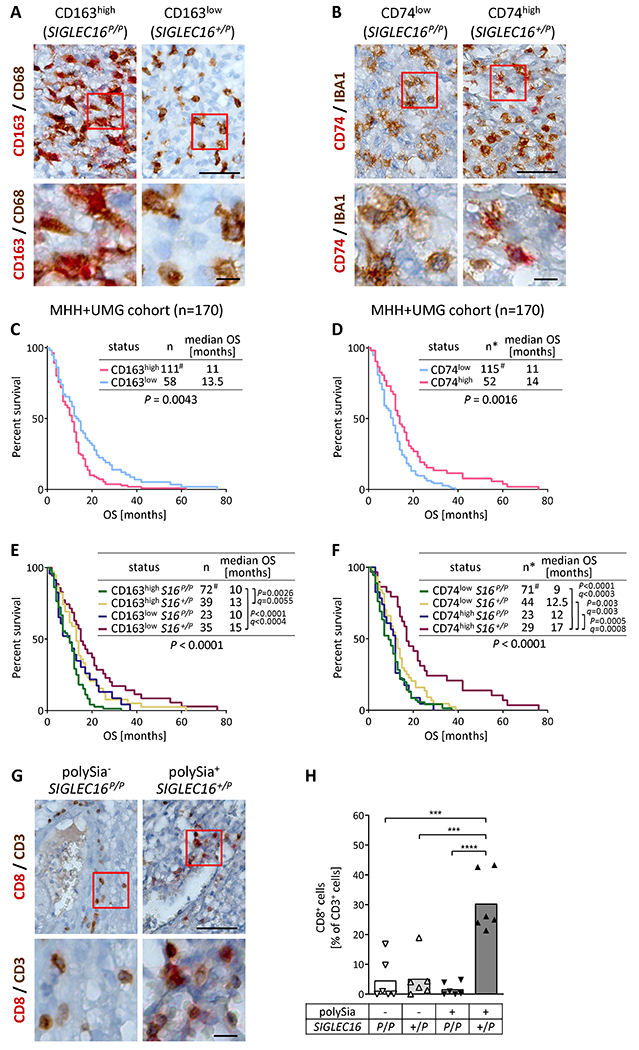
Overall survival of SIGLEC16 carriers with polySia-positive tumors was increased. Consistent with proinflammatory Siglec-16 signaling, levels of TAM positive for the M2 marker CD163 were reduced, whereas the M1 marker CD74 and TNF expression were increased, and CD8+ T cells enhanced in SIGLEC16/polySia double-positive tumors. Correspondingly, TNF production was elevated in heterotypic spheroid cultures with Siglec-16-expressing macrophages. Furthermore, a higher, mainly M1-like cytokine release and activating immune signaling was observed in SIGLEC16-positive as compared with SIGLEC16-negative macrophages confronted with glioblastoma cell-derived membranes.
Collectively, these results strongly suggest that proinflammatory TAM activation causes the better outcome in patients with glioblastoma with a functional polySia-Siglec-16 axis.
与肿瘤相关的小胶质细胞和巨噬细胞(TAM)的相互作用对胶质母细胞瘤的进展至关重要。聚唾液酸(polySia)是一种肿瘤相关聚糖,但它在胶质母细胞瘤中的出现频率及其预后价值存在争议。通过与相反的免疫受体 Siglec-11 和 Siglec-16 相互作用,polySia 参与调节小胶质细胞和巨噬细胞的活性。然而,由于 SIGLEC16P 等位基因无功能,SIGLEC16 的外显率低于 40%。在这里,我们探讨了 SIGLEC16 状态和肿瘤细胞相关 polySia 对胶质母细胞瘤结局的可能影响。
对两个独立队列的 70 例和 100 例新诊断为胶质母细胞瘤的患者的福尔马林固定石蜡包埋标本进行回顾性分析,以研究总体生存率与 SIGLEC16 和 polySia 状态的关系。在肿瘤中、由 polySia 阳性胶质母细胞瘤细胞和 Siglec-16 阳性或 Siglec-16 阴性巨噬细胞组成的异质肿瘤球体中,以及通过将 Siglec-16 阳性或 Siglec-16 阴性巨噬细胞暴露于胶质母细胞瘤细胞衍生的膜部分来评估炎症性 TAM 激活。
携带 polySia 阳性肿瘤的 SIGLEC16 携带者的总生存率提高。与促炎的 Siglec-16 信号一致,M2 标志物 CD163 阳性的 TAM 水平降低,而 M1 标志物 CD74 和 TNF 表达增加,并且在 SIGLEC16/polySia 双阳性肿瘤中 CD8+T 细胞增强。相应地,在含有表达 Siglec-16 的巨噬细胞的异质球体培养物中,TNF 产生增加。此外,与 Siglec-16 阴性巨噬细胞相比,SIGLEC16 阳性巨噬细胞面对源自胶质母细胞瘤细胞的膜时,观察到更高的、主要是 M1 样细胞因子释放和激活免疫信号。
总的来说,这些结果强烈表明,具有功能性 polySia-Siglec-16 轴的胶质母细胞瘤患者中促炎 TAM 的激活导致更好的预后。