Department of Pathology and Microbiology, 985950, Nebraska Medical Center, Omaha, NE, 68198-5900, United States.
Department of Biochemistry and Molecular Biology, University of Nebraska Medical Center, Omaha, NE, 68198-5845, United States.
Cancer Lett. 2023 Jun 1;563:216185. doi: 10.1016/j.canlet.2023.216185. Epub 2023 Apr 14.
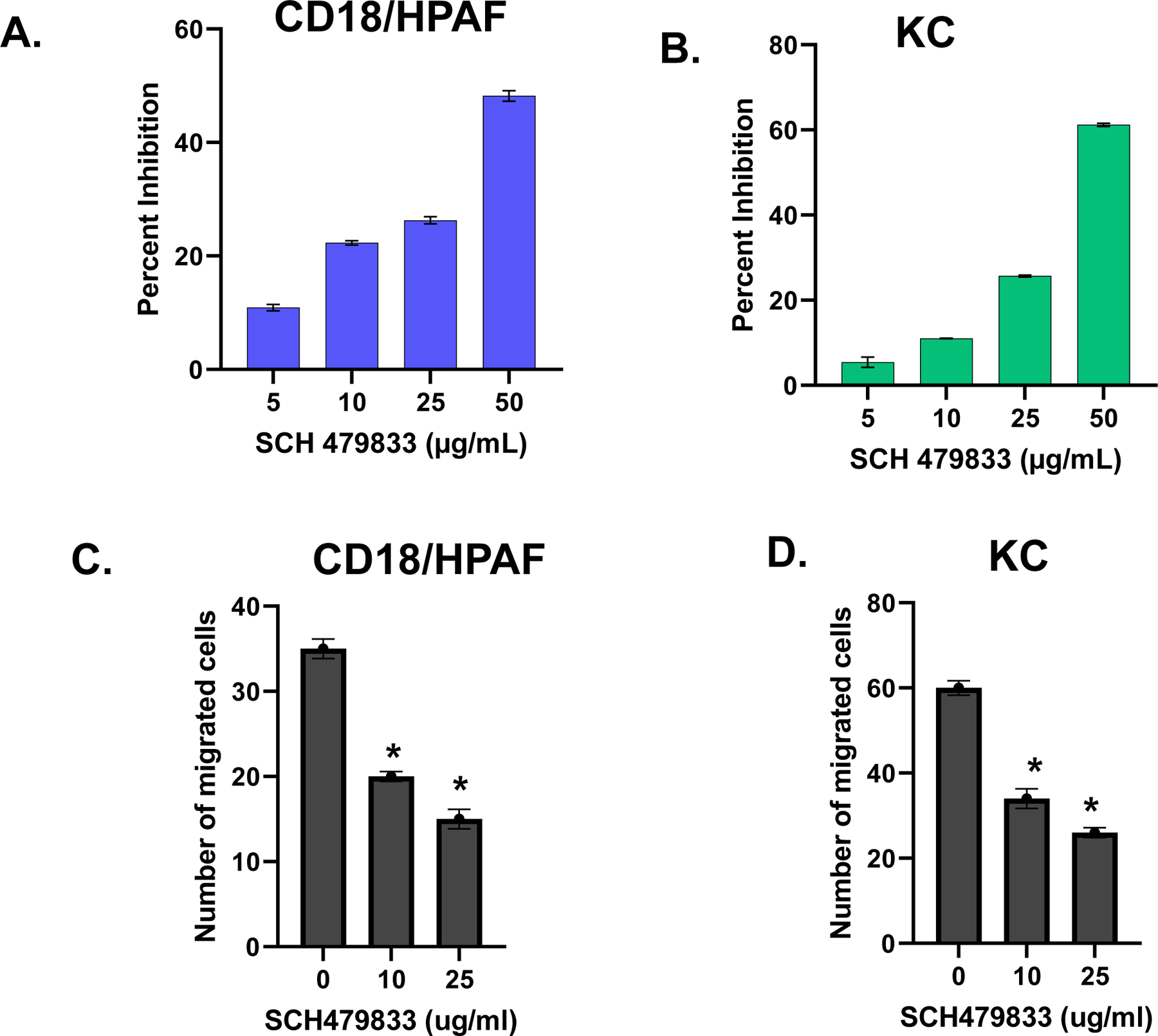
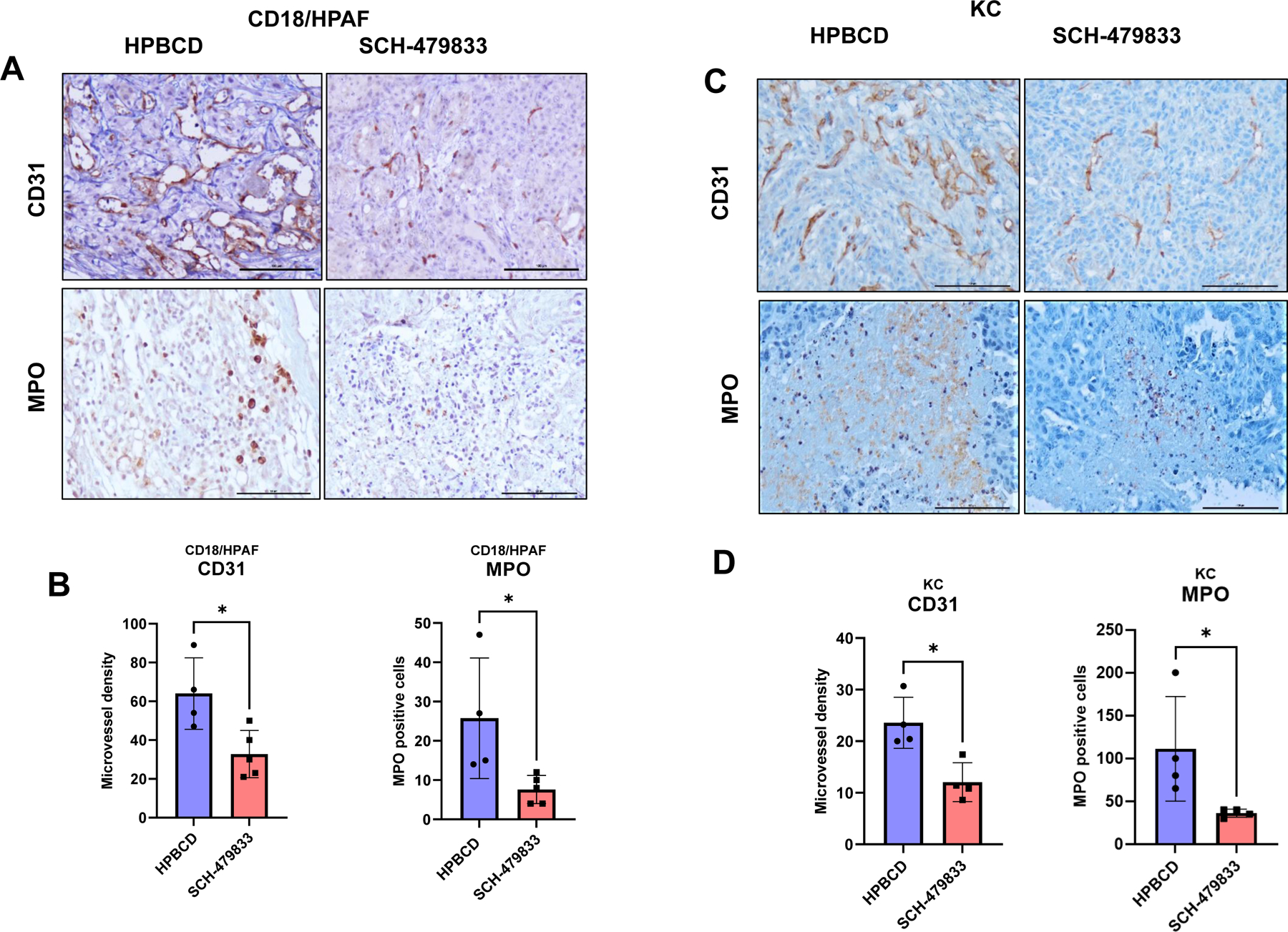
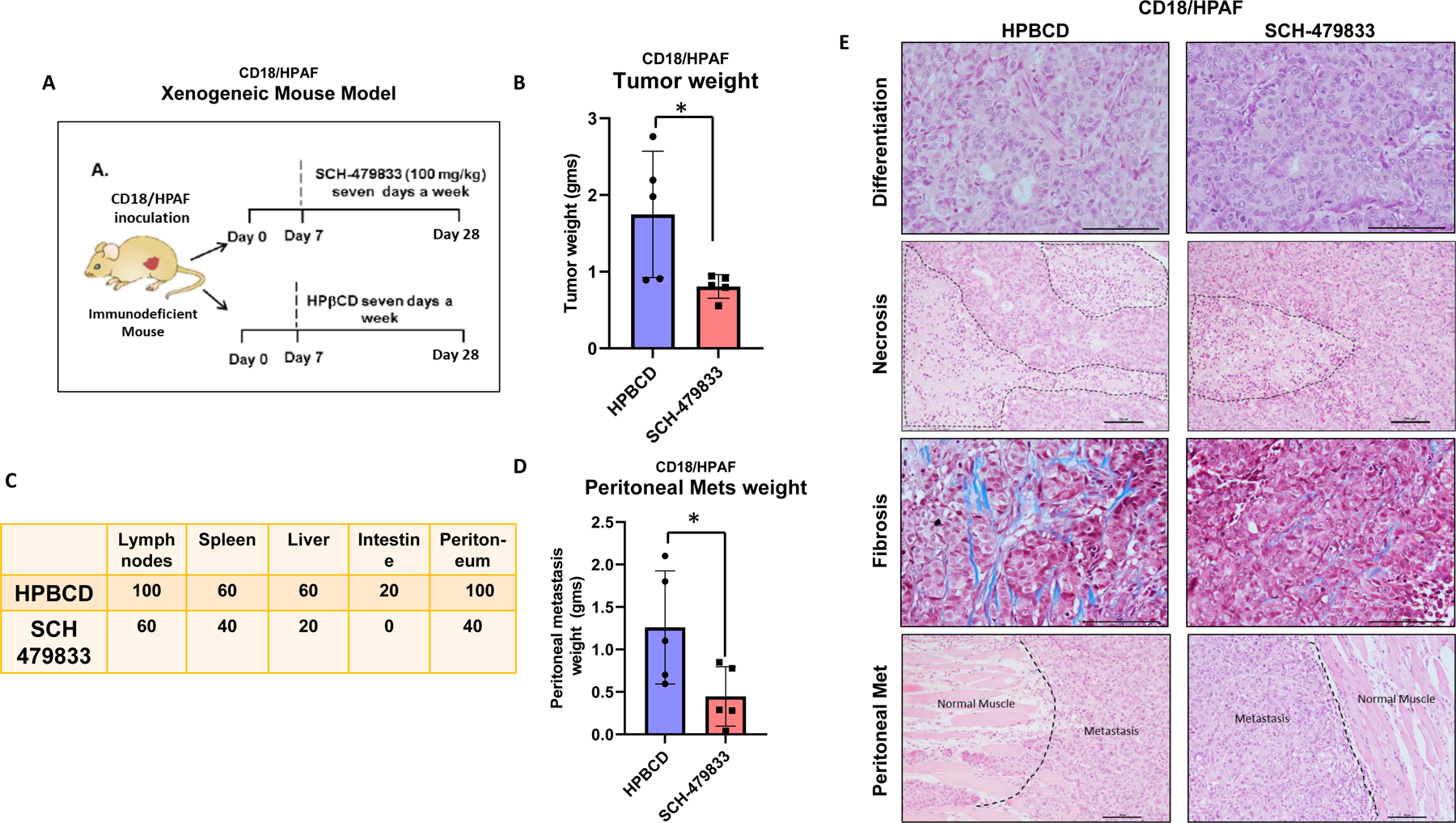
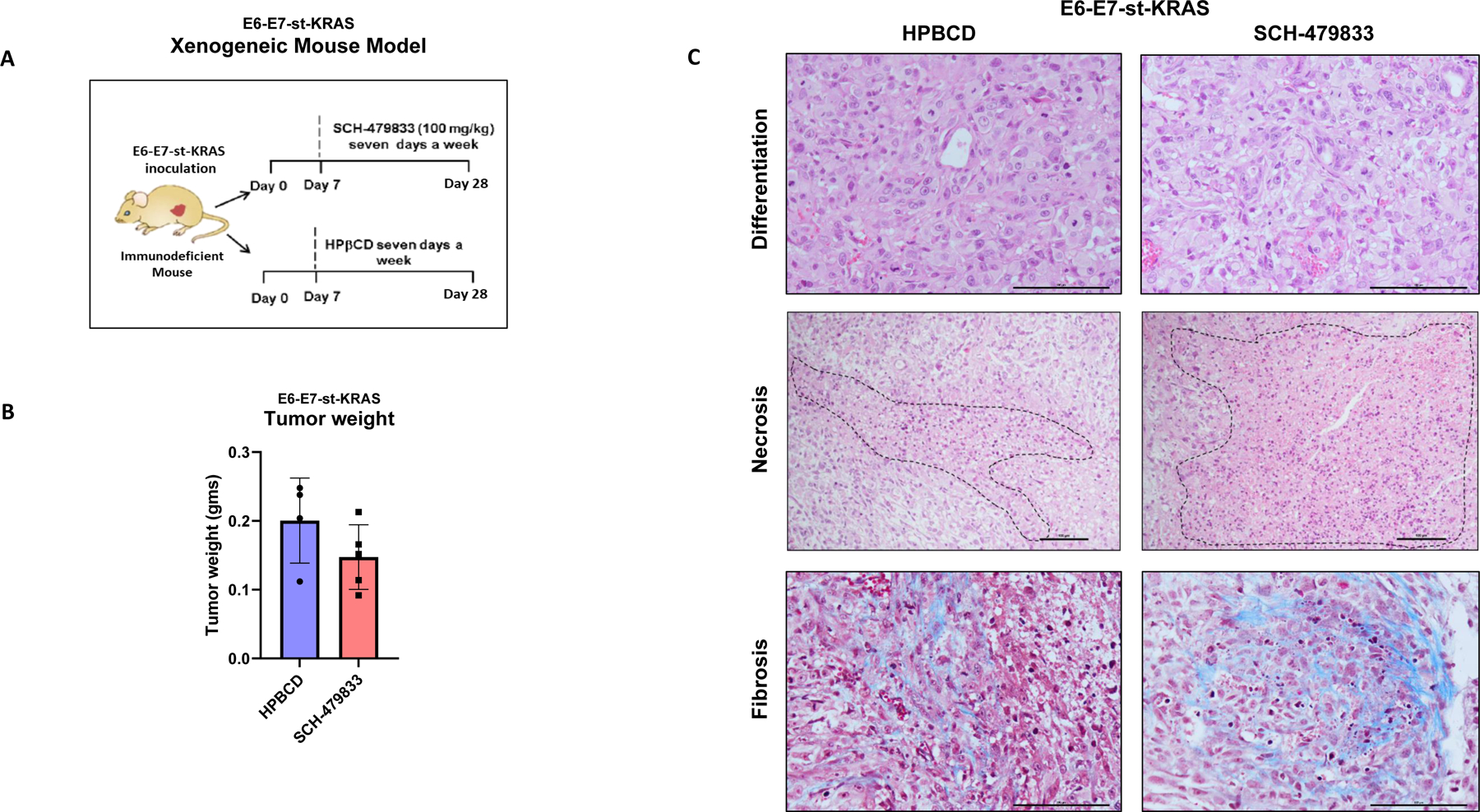
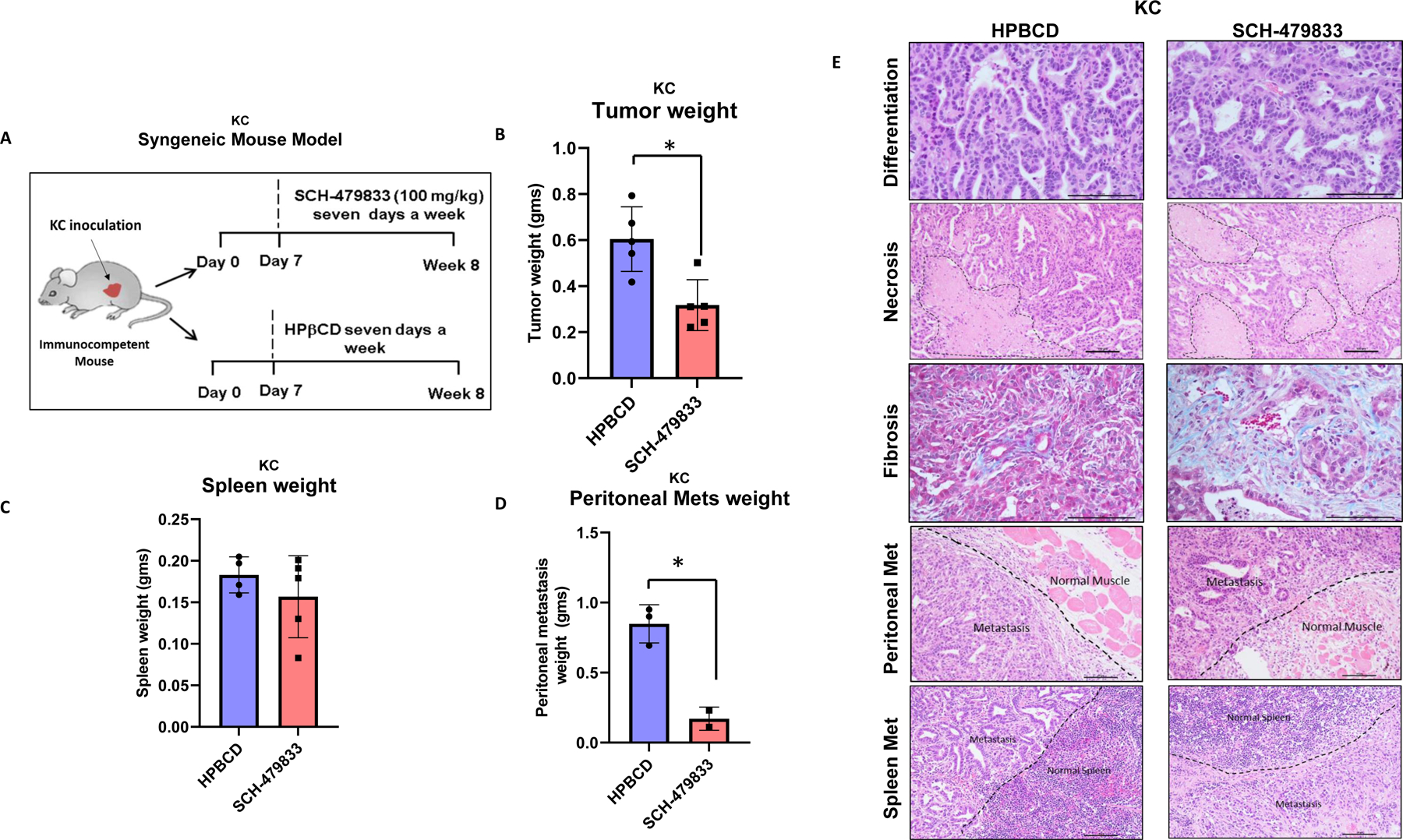
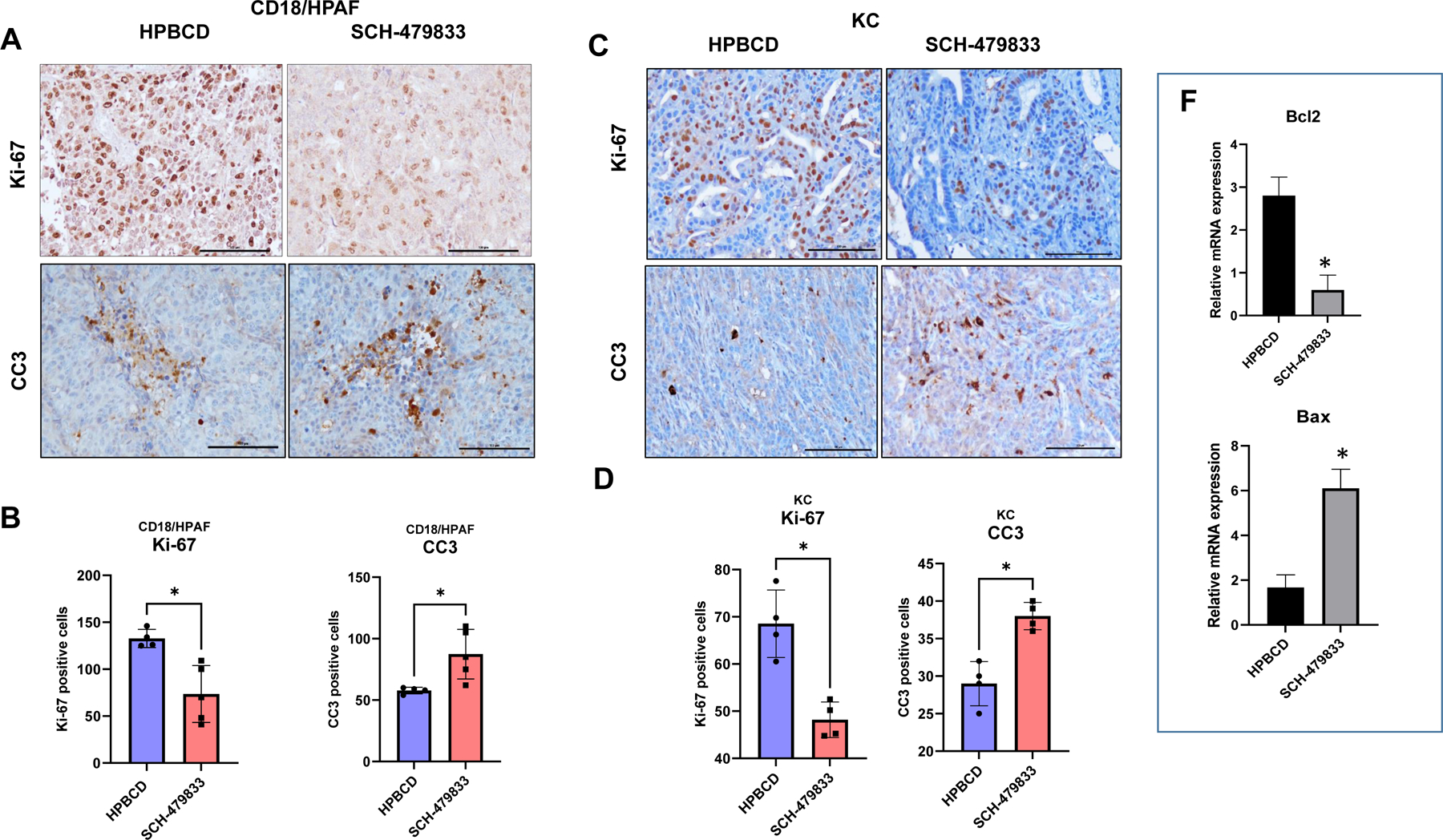
Pancreatic cancer (PC) has a poor prognosis, and current therapeutic strategies are ineffective in advanced diseases. We and others have shown the aberrant expression of CXCR2 and its ligands in PC development and progression. Our objective for this study was to evaluate the therapeutic utility of CXCR2/1 targeting using an small molecule antagonist, SCH-479833, in different PC preclinical murine models (syngeneic or xenogeneic). Our results demonstrate that CXCR2/1 antagonist had both antitumor and anti-metastatic effects in PC. CXCR2/1 antagonist treatment inhibited tumor cell proliferation, migration, angiogenesis, and recruitment of neutrophils, while it increased apoptosis. Treatment with the antagonist enhanced fibrosis, tumor necrosis, and extramedullary hematopoiesis. Together, these findings suggest that selectively targeting CXCR2/1 with small molecule inhibitors is a promising therapeutic approach for inhibiting PC growth, angiogenesis, and metastasis.
胰腺癌(PC)预后不良,目前的治疗策略在晚期疾病中无效。我们和其他人已经证明了 CXCR2 及其配体在 PC 发展和进展中的异常表达。我们这项研究的目的是评估使用小分子拮抗剂 SCH-479833 靶向 CXCR2/1 在不同 PC 临床前小鼠模型(同种异体或异种)中的治疗效果。我们的结果表明,CXCR2/1 拮抗剂在 PC 中具有抗肿瘤和抗转移作用。CXCR2/1 拮抗剂治疗抑制肿瘤细胞增殖、迁移、血管生成和中性粒细胞募集,同时增加细胞凋亡。拮抗剂治疗增强了纤维化、肿瘤坏死和骨髓外造血。总之,这些发现表明,用小分子抑制剂选择性靶向 CXCR2/1 是抑制 PC 生长、血管生成和转移的一种很有前途的治疗方法。