Yang Shen, Muthalagu Akila, Serrano Viviana González, Licina Dusan
Human-Oriented Built Environment Lab, School of Architecture, Civil and Environmental Engineering, École Polytechnique Fédérale de Lausanne, Lausanne, Switzerland.
Environmental Systems Group, Department of Civil Engineering, Indian Institute of Technology Hyderabad, Kandi, India.
Build Environ. 2023 May 15;236:110280. doi: 10.1016/j.buildenv.2023.110280. Epub 2023 Apr 7.
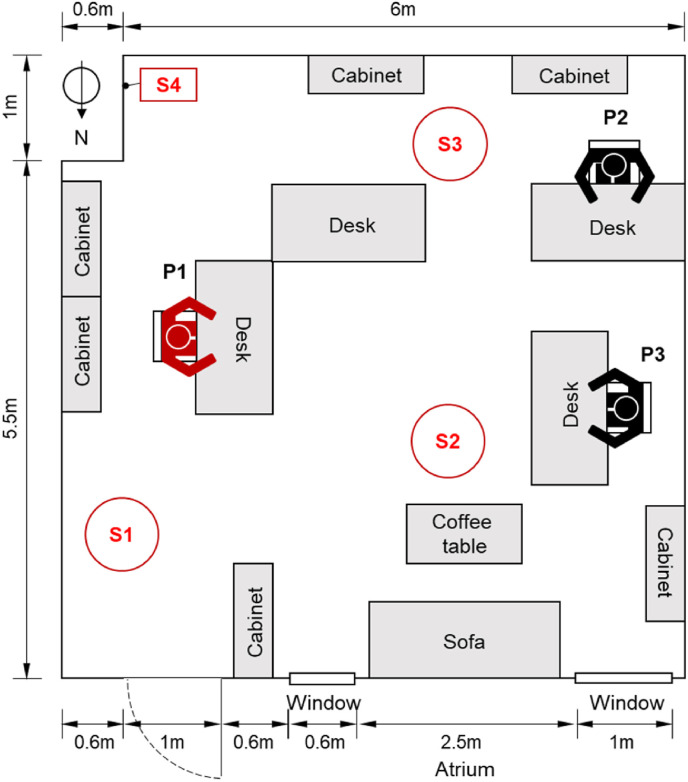
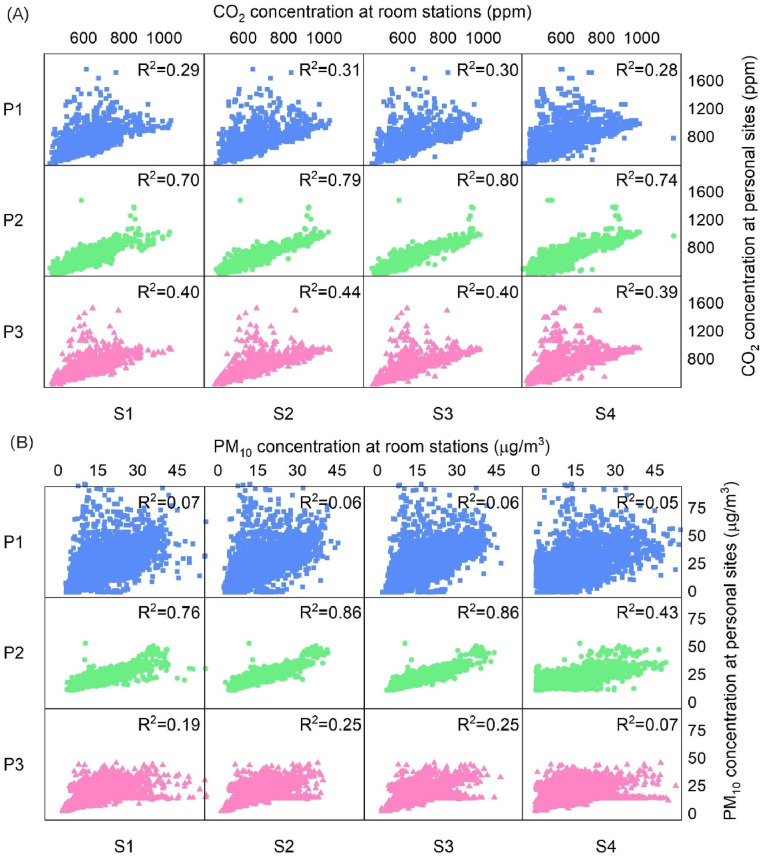
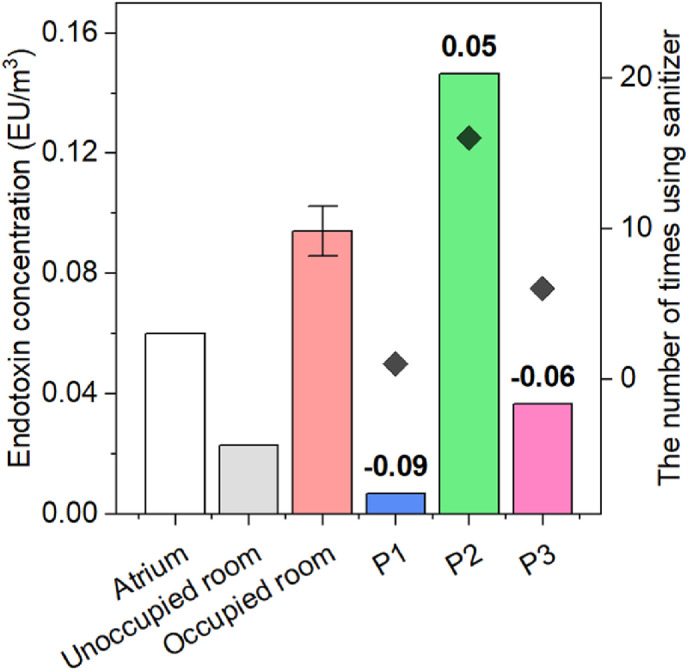
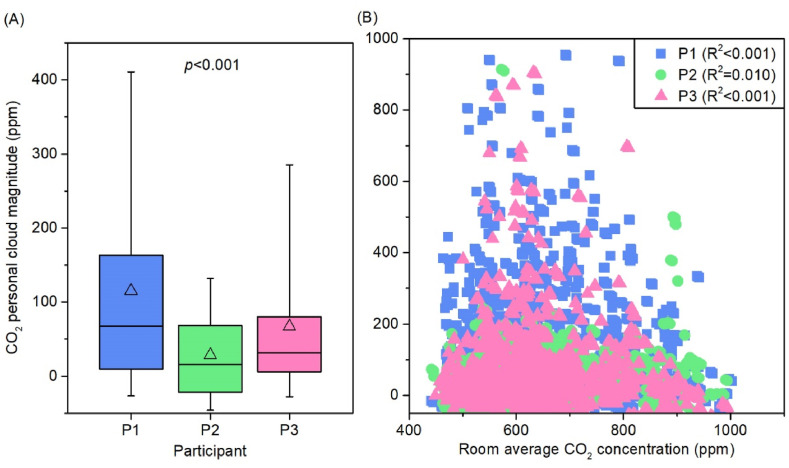
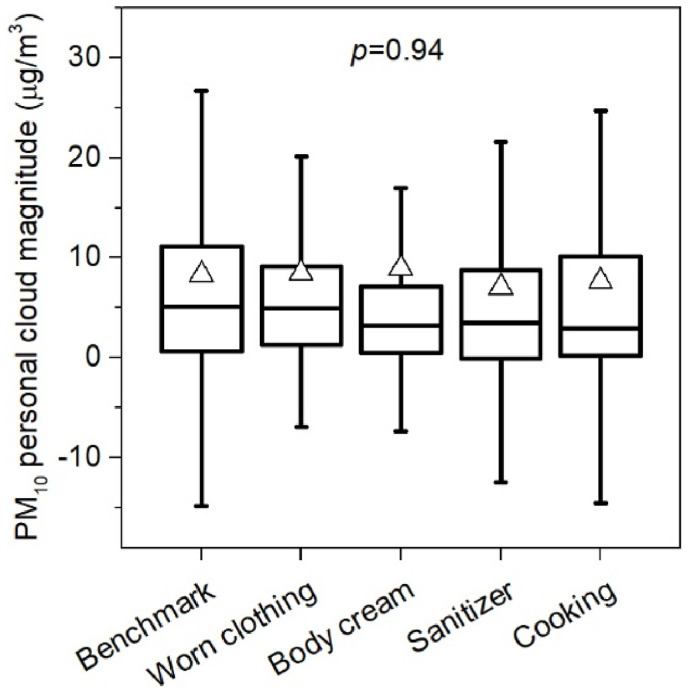
Personal cloud, termed as the difference in air pollutant concentrations between breathing zone and room sites, represents the bias in approximating personal inhalation exposure that is linked to accuracy of health risk assessment. This study performed a two-week field experiment in a naturally ventilated office during the COVID-19 pandemic to assess occupants' exposure to common air pollutants and to determine factors contributing to the personal cloud effect. During occupied periods, indoor average concentrations of endotoxin (0.09 EU/m), TVOC (231 μg/m), CO (630 ppm), and PM (14 μg/m) were below the recommended limits, except for formaldehyde (58 μg/m). Personal exposure concentrations, however, were significantly different from, and mostly higher than, concentrations measured at room stationary sampling sites. Although three participants shared the same office, their personal air pollution clouds were mutually distinct. The mean personal cloud magnitude ranged within 0-0.05 EU/m, 35-192 μg/m, 32-120 ppm, and 4-9 μg/m for endotoxin, TVOC, CO, and PM, respectively, and was independent from room concentrations. The use of hand sanitizer was strongly associated with an elevated personal cloud of endotoxin and alcohol-based VOCs. Reduced occupancy density in the office resulted in more pronounced personal CO clouds. The representativeness of room stationary sampling for capturing dynamic personal exposures was as low as 28% and 5% for CO and PM, respectively. The findings of our study highlight the necessity of considering the personal cloud effect when assessing personal exposure in offices.
个人云,被定义为呼吸区域与室内采样点之间空气污染物浓度的差异,它代表了在估算个人吸入暴露时的偏差,而这种偏差与健康风险评估的准确性相关。本研究在新冠疫情期间,于一间自然通风的办公室进行了为期两周的现场实验,以评估办公人员对常见空气污染物的暴露情况,并确定导致个人云效应的因素。在有人办公期间,室内内毒素(0.09 EU/m)、总挥发性有机化合物(TVOC,231 μg/m)、一氧化碳(CO,630 ppm)和颗粒物(PM,14 μg/m)的平均浓度均低于推荐限值,但甲醛(58 μg/m)除外。然而,个人暴露浓度与室内固定采样点测得的浓度显著不同,且大多高于后者。尽管三名参与者共用同一间办公室,但他们的个人空气污染云各不相同。内毒素、TVOC、CO和PM的个人云平均强度分别在0 - 0.05 EU/m、35 - 192 μg/m、32 - 120 ppm和4 - 9 μg/m范围内,且与室内浓度无关。使用洗手液与内毒素和酒精基挥发性有机化合物的个人云升高密切相关。办公室内人员占用密度降低导致个人CO云更为明显。室内固定采样对于捕捉动态个人暴露情况的代表性,对于CO和PM分别低至28%和5%。我们的研究结果凸显了在评估办公室内个人暴露时考虑个人云效应的必要性。