Zhou Zheng, Zhou Yusong, Liu Wei, Dai Jing
Department of Otolaryngology Head and Neck, The Third Xiangya Hospital, Central South University, Changsha, China.
Department of Pharmacy, The Third Xiangya Hospital, Central South University, Changsha, China.
Front Genet. 2023 Mar 31;14:1148430. doi: 10.3389/fgene.2023.1148430. eCollection 2023.
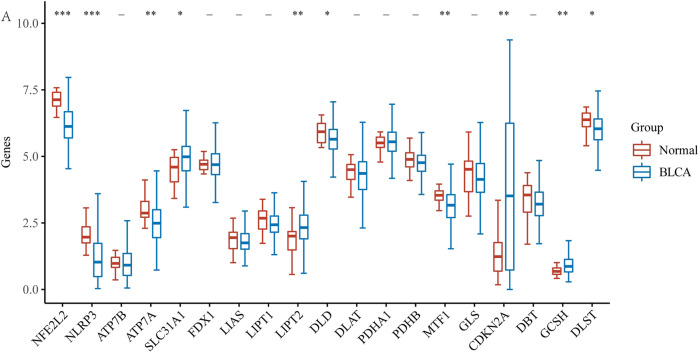
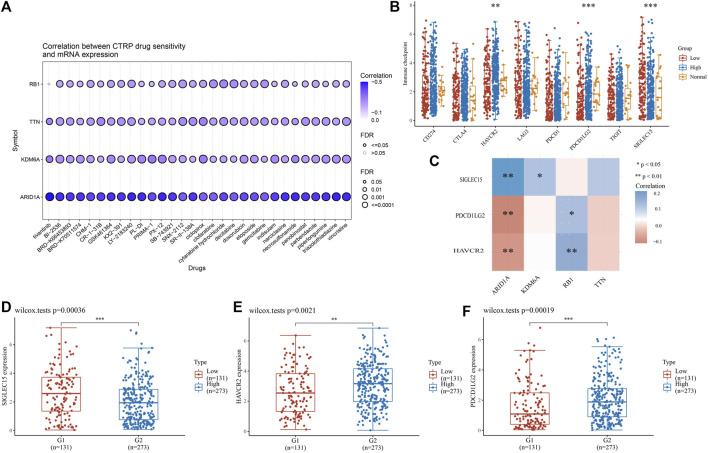
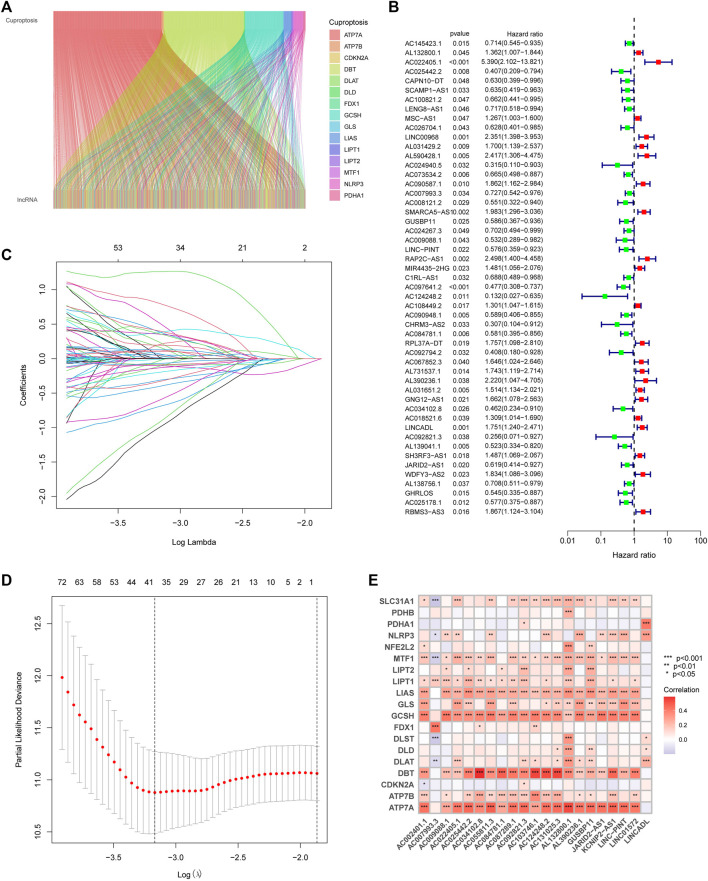
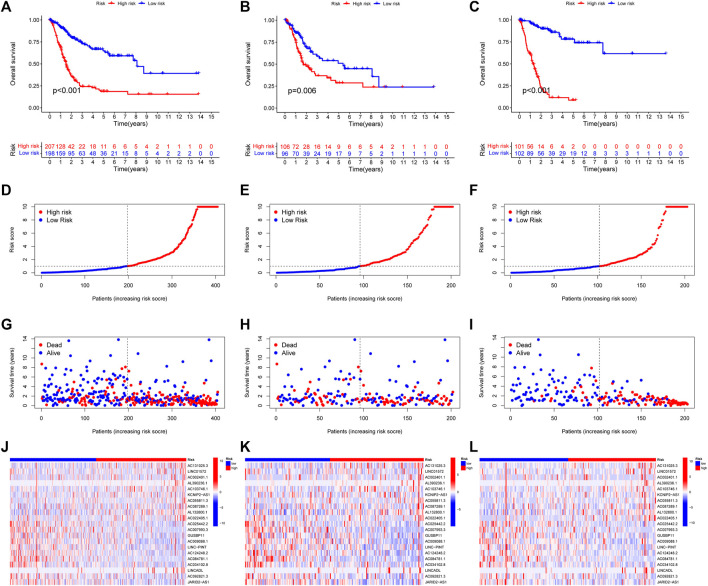
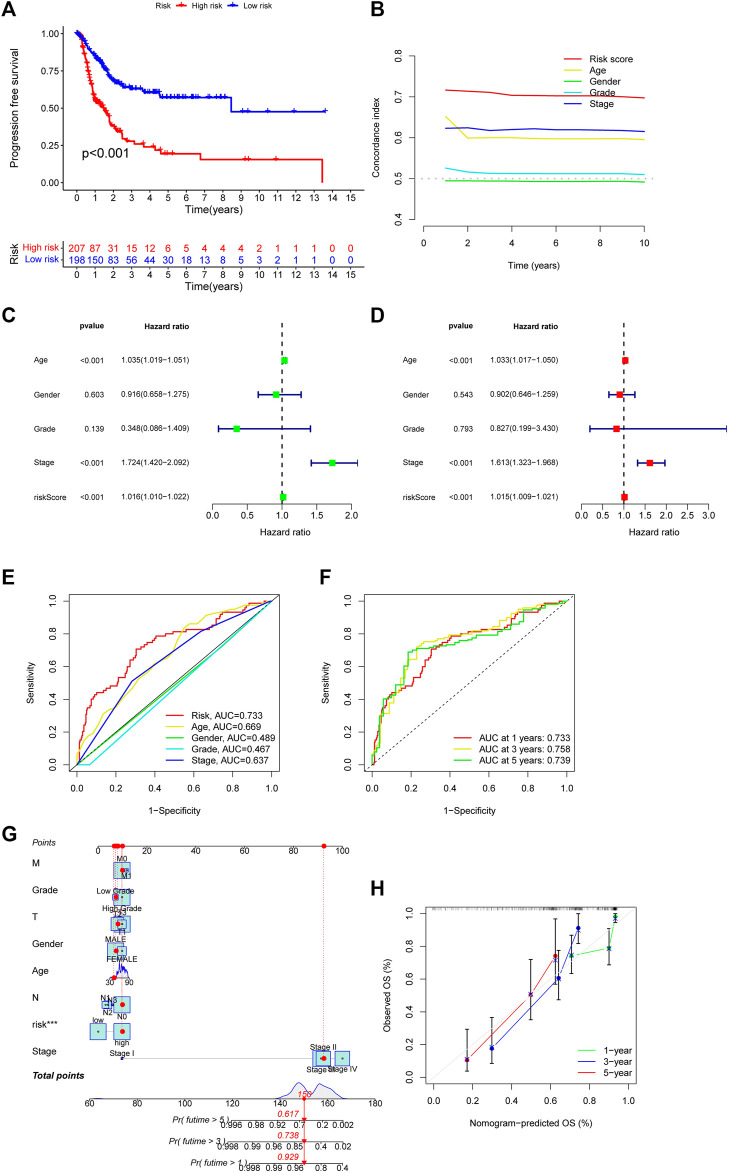
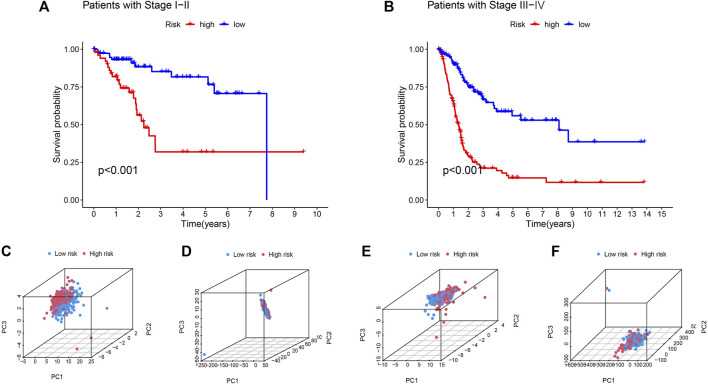
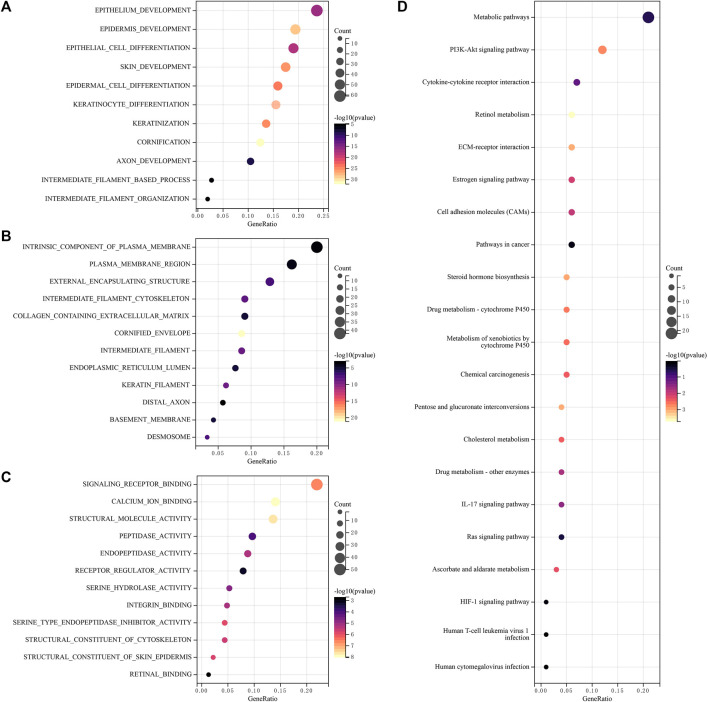
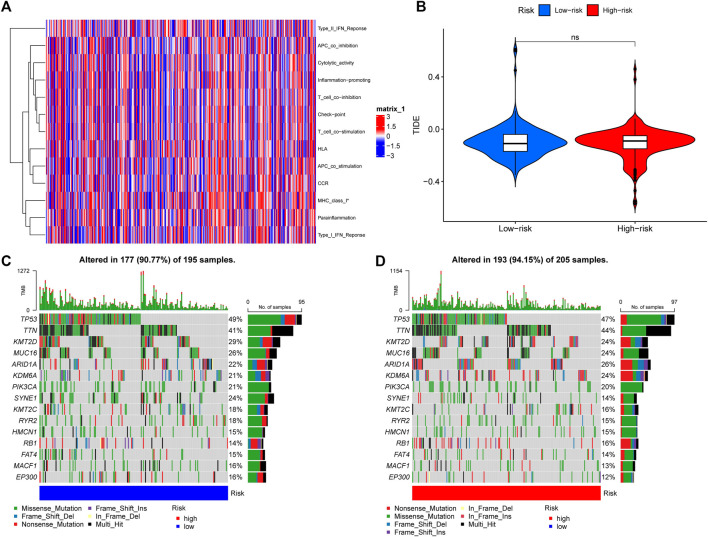
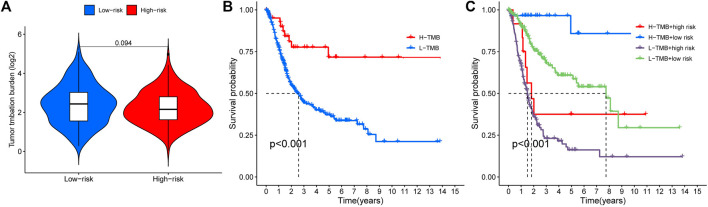
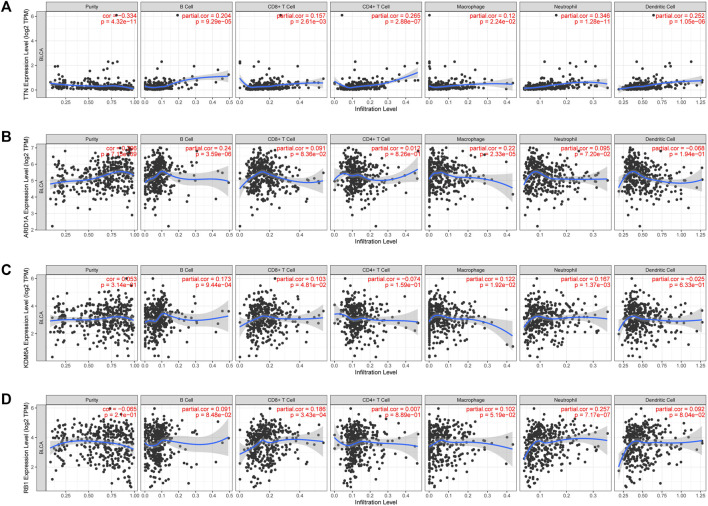
Bladder Urothelial Carcinoma (BLCA) remains the most common urinary system tumor, and its prognosis is poor. Cuproptosis is a recently discovered novel cell death involved in the development of tumor cells. However, the use of cuproptosis to predict the prognosis and immunity of Bladder Urothelial Carcinoma remains largely unclear, and this study was designed to verify cuproptosis-related long non-coding RNAs (lncRNAs) to estimate the prognosis and immunity of Bladder Urothelial Carcinoma. In our study, we first defined the expression of cuproptosis-related genes (CRGs) in BLCA, and 10 CRGs were up- or downregulated. We then constructed a co-expression network of cuproptosis-related mRNA and long non-coding RNAs using RNA sequence data from The Cancer Genome Atlas Bladder Urothelial Carcinoma (TCGA-BLCA), clinical features and mutation data from BLCA patients to obtain long non-coding RNAs by Pearson analysis. Afterward, univariate and multivariate COX analysis identified 21 long non-coding RNAs as independent prognostic factors and used these long non-coding RNAs to construct a prognostic model. Then, survival analysis, principal component analysis (PCA), immunoassay, and comparison of tumor mutation frequencies were performed to verify the accuracy of the constructed model, and GO and KEGG functional enrichment analysis was used to verify further whether cuproptosis-related long non-coding RNAs were associated with biological pathways. The results showed that the model constructed with cuproptosis-related long non-coding RNAs could effectively evaluate the prognosis of BLCA, and these long non-coding RNAs were involved in numerous biological pathways. Finally, we performed immune infiltration, immune checkpoint and drug sensitivity analyses on four genes (TTN, ARID1A, KDM6A, RB1) that were highly mutated in the high-risk group to evaluate the immune association of risk genes with BLCA. In conclusion, the cuproptosis-related lncRNA markers constructed in this study have evaluation value for prognosis and immunity in BLCA, which can provide a certain reference for the treatment and immunity of BLCA.
膀胱尿路上皮癌(BLCA)仍然是最常见的泌尿系统肿瘤,其预后较差。铜死亡是最近发现的一种与肿瘤细胞发展有关的新型细胞死亡方式。然而,利用铜死亡来预测膀胱尿路上皮癌的预后和免疫情况在很大程度上仍不明确,本研究旨在验证与铜死亡相关的长链非编码RNA(lncRNA),以评估膀胱尿路上皮癌的预后和免疫情况。在我们的研究中,我们首先确定了铜死亡相关基因(CRG)在BLCA中的表达情况,其中10个CRG表达上调或下调。然后,我们利用来自癌症基因组图谱膀胱尿路上皮癌(TCGA - BLCA)的RNA序列数据、BLCA患者的临床特征和突变数据,构建了铜死亡相关mRNA和长链非编码RNA的共表达网络,通过Pearson分析获得长链非编码RNA。随后,单因素和多因素COX分析确定了21个长链非编码RNA为独立预后因素,并利用这些长链非编码RNA构建了一个预后模型。接着,进行生存分析、主成分分析(PCA)、免疫分析以及肿瘤突变频率比较,以验证所构建模型的准确性,并利用GO和KEGG功能富集分析进一步验证与铜死亡相关的长链非编码RNA是否与生物途径相关。结果表明,用与铜死亡相关的长链非编码RNA构建的模型能够有效评估BLCA的预后,并且这些长链非编码RNA参与了众多生物途径。最后,我们对高危组中高突变的四个基因(TTN、ARID1A、KDM6A、RB1)进行了免疫浸润、免疫检查点和药物敏感性分析,以评估风险基因与BLCA的免疫关联。总之,本研究构建的与铜死亡相关的lncRNA标志物对BLCA的预后和免疫具有评估价值,可为BLCA的治疗和免疫提供一定参考。