Department of Anesthesiology and Intensive Care, Faculty of Medicine, Universitas Indonesia, Ciptomangunkusumo Hospital, Jakarta, Indonesia.
Department of Anesthesiology and Intensive Care, Husada Hospital, Jakarta, Indonesia.
J Med Case Rep. 2023 Apr 20;17(1):180. doi: 10.1186/s13256-023-03880-7.
Severe laryngeal edema during pregnancy is uncommon but can be encountered, particularly in patients with preeclampsia accompanied by other comorbidities. Careful consideration must be given to balance the urgency of securing the airway with the safety of the fetus and the patient's long-term health consequences.
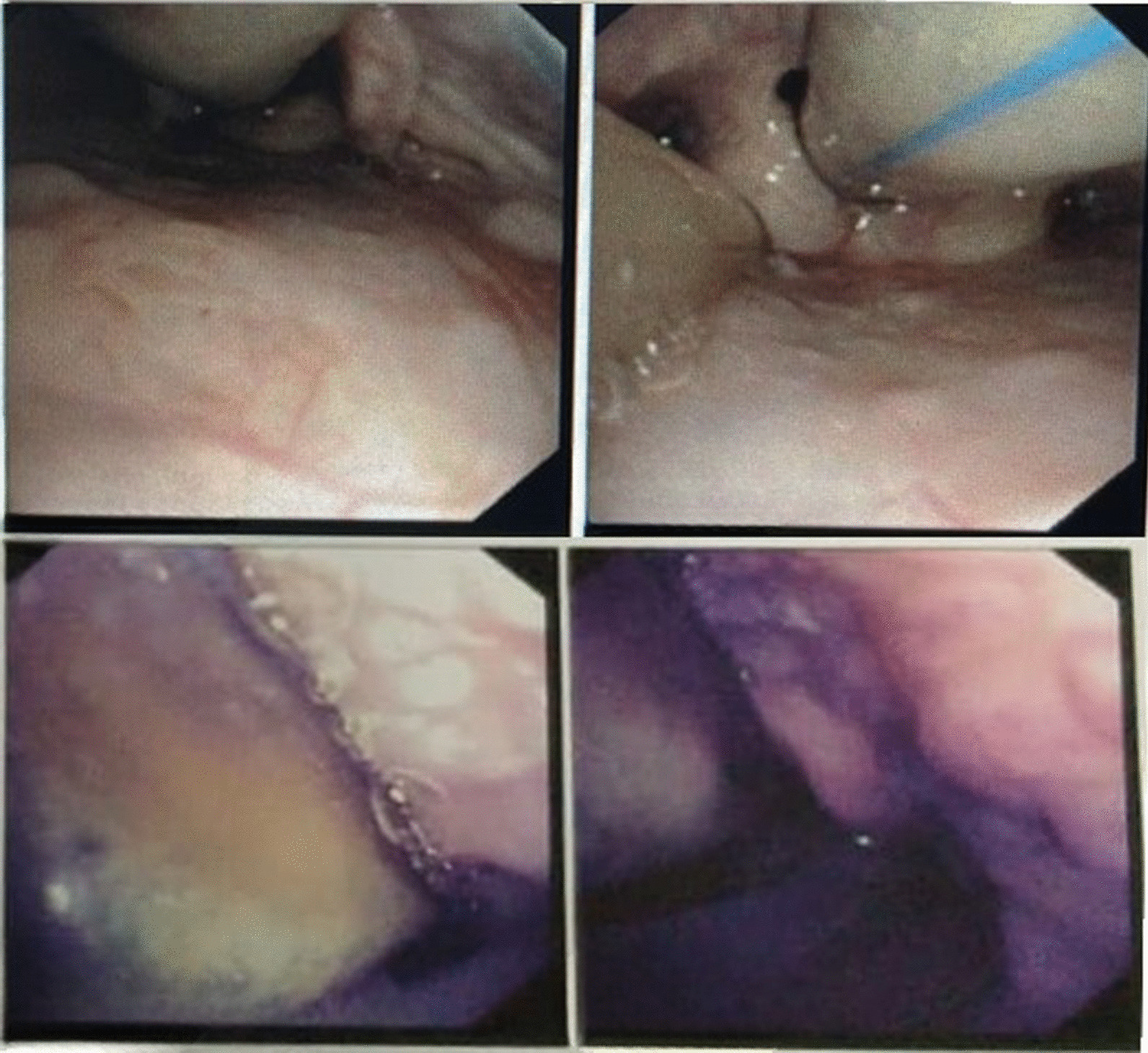
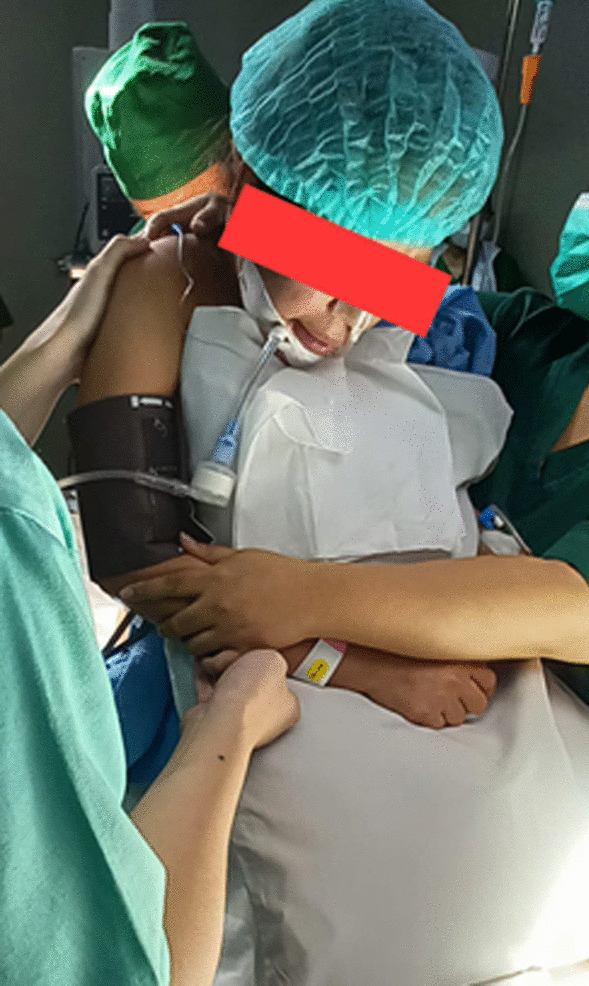
A 37-year-old Indonesian woman was brought to the emergency department at 36 weeks gestation due to severe dyspnea. Her condition worsened a few hours later during intensive care unit admission, with tachypnea, decreased oxygen saturation, and inability to communicate, necessitating intubation. Due to the edematous larynx, we could only use 6.0-sized endotracheal tube. The use of a small-sized endotracheal tube was expected to be short-lived, so she was considered for tracheostomy. Nevertheless, we decided to perform a cesarean section first after lung maturation because it would be safer for the fetus, and laryngeal edema usually improves after delivery. Cesarean section was performed under spinal anesthesia for the safety of the fetus, and 48 hours after delivery, she underwent a leakage test with a positive result, so extubation was performed. Stridor was no longer audible, breathing pattern was within normal limits, and vital signs were stable. The patient and her baby both recovered well with no long-term health consequences.
This case demonstrates that unexpected life-threatening laryngeal edema can occur during pregnancy, in which upper respiratory tract infections may trigger it. The decision between conservative and aggressive immediate airway management should be made with careful consideration of securing the patient's airway, the safety of the fetus, and the patient's long-term health consequences.
妊娠期间严重喉头水肿并不常见,但也可能会发生,尤其是在伴有其他合并症的子痫前期患者中。必须慎重考虑平衡确保气道通畅与胎儿安全和患者长期健康后果之间的关系。
一名 37 岁印度尼西亚妇女在妊娠 36 周时因严重呼吸困难被送到急诊室。几小时后,她在重症监护病房入院时病情恶化,出现呼吸急促、氧饱和度下降和无法交流的情况,需要进行插管。由于喉头水肿,我们只能使用 6.0 号的气管内导管。由于预计小尺寸的气管内导管使用时间短暂,因此考虑进行气管切开术。然而,我们决定在肺成熟后首先进行剖宫产,因为这对胎儿更安全,并且分娩后喉头水肿通常会改善。剖宫产在胎儿安全的情况下进行脊髓麻醉,分娩后 48 小时进行漏出测试,结果为阳性,因此进行了拔管。不再听到喘鸣,呼吸模式正常,生命体征稳定。患者及其婴儿均恢复良好,无长期健康后果。
本例表明,妊娠期间可能会发生意想不到的危及生命的喉头水肿,上呼吸道感染可能会引发这种情况。应慎重考虑确保患者气道通畅、胎儿安全和患者长期健康后果之间的关系,从而在保守和积极的即刻气道管理之间做出决策。