Hainan Key Laboratory for Sustainable Utilisation of Tropical Bioresources, College of Tropical Crops, Hainan University, Haikou, Hainan, China.
Institute of Tropical and Subtropical Cash Crop, Yunnan Academy of Agricultural Sciences, Kunming, China.
PLoS One. 2023 Apr 20;18(4):e0282100. doi: 10.1371/journal.pone.0282100. eCollection 2023.
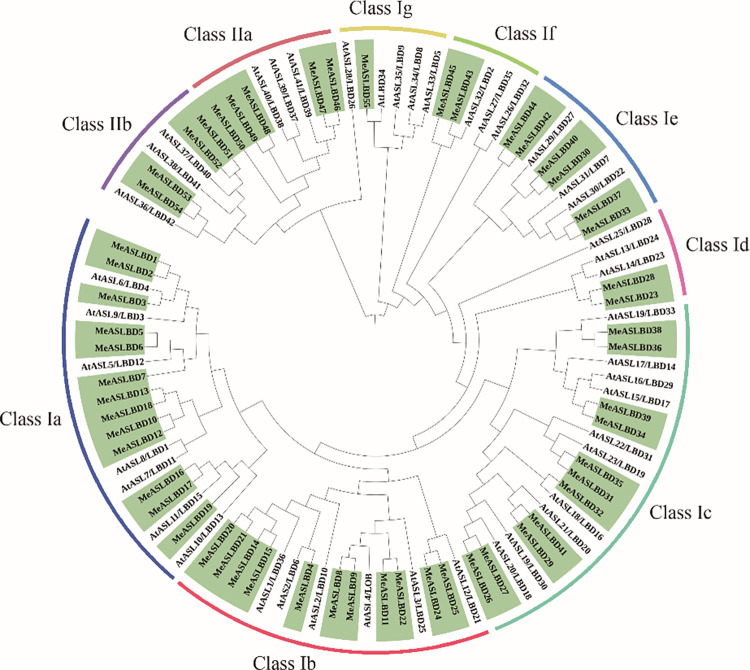
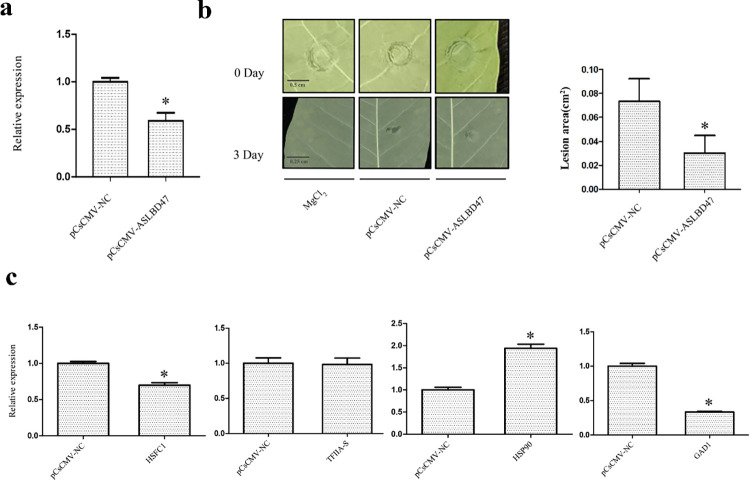
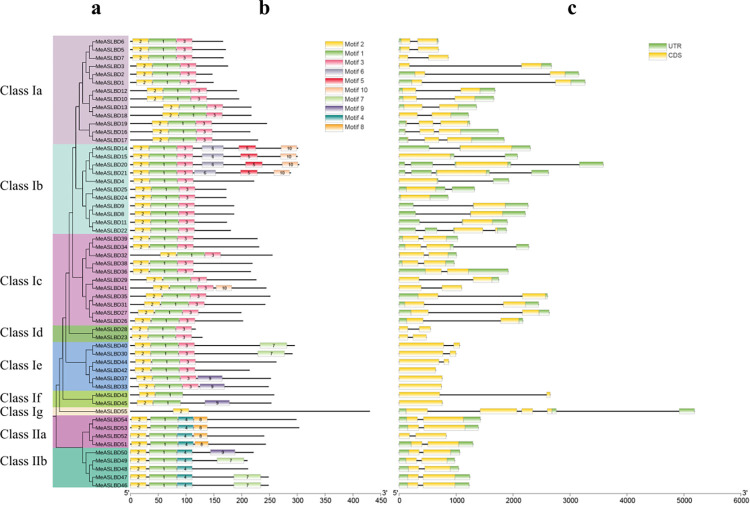
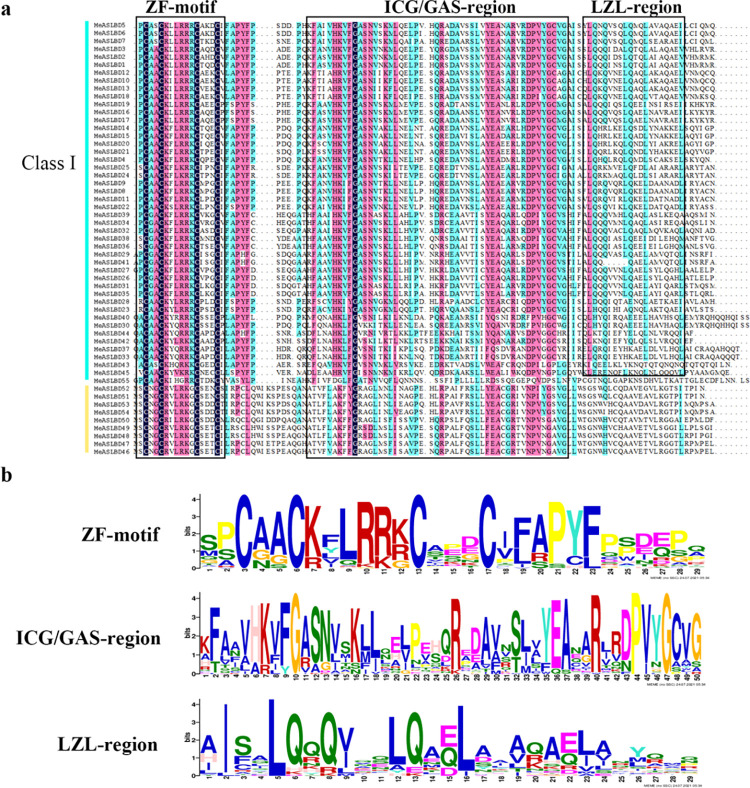
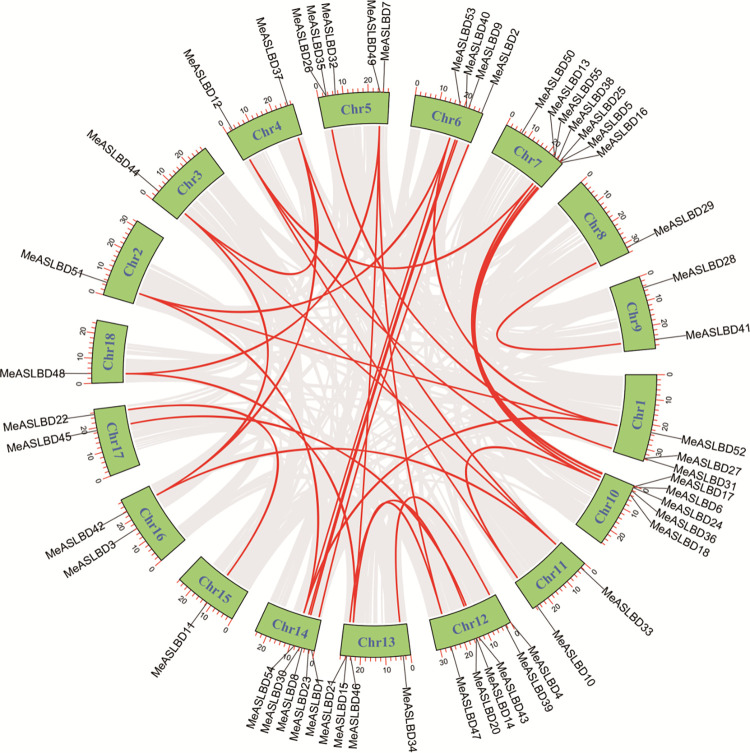
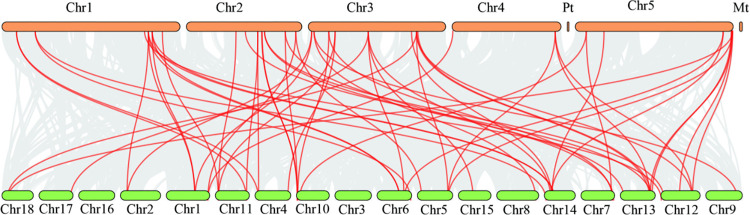
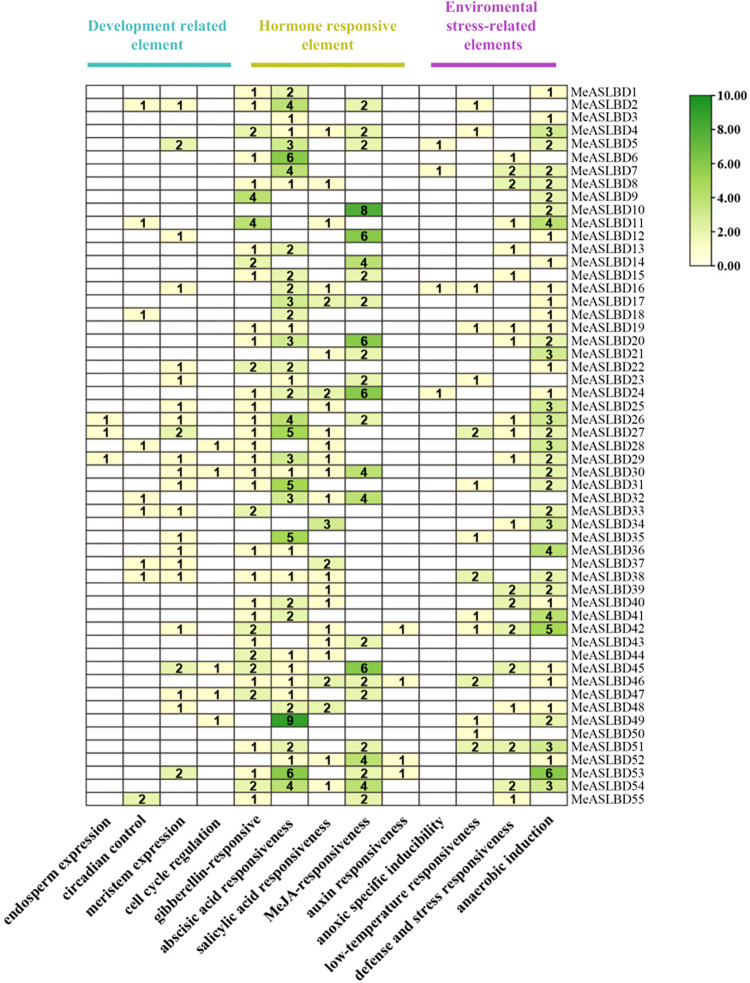
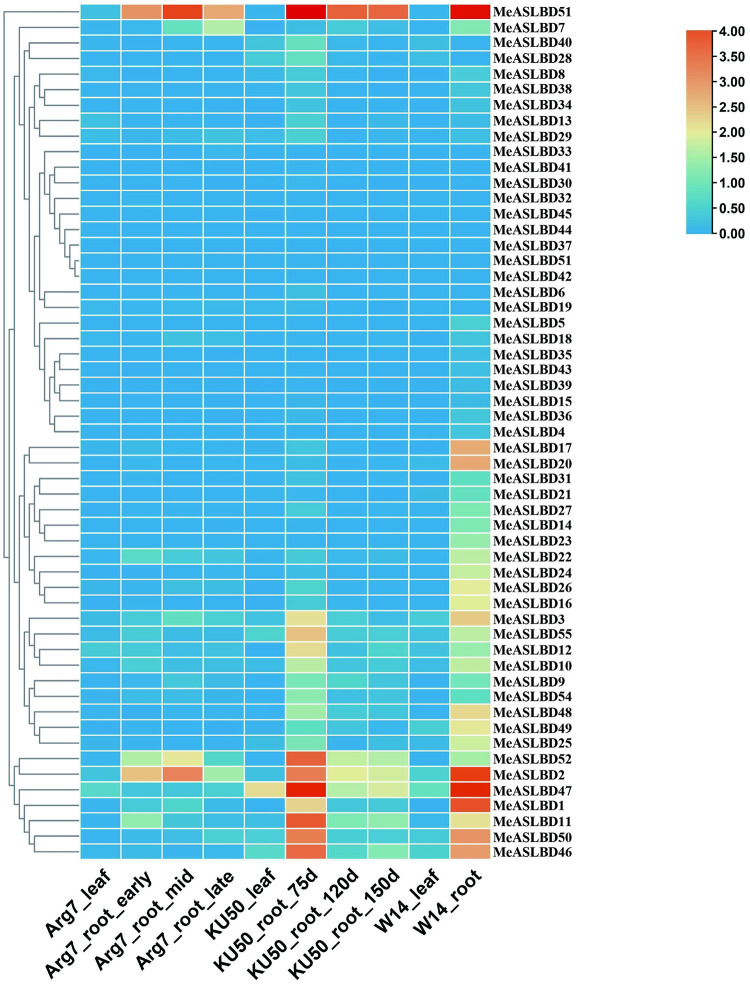
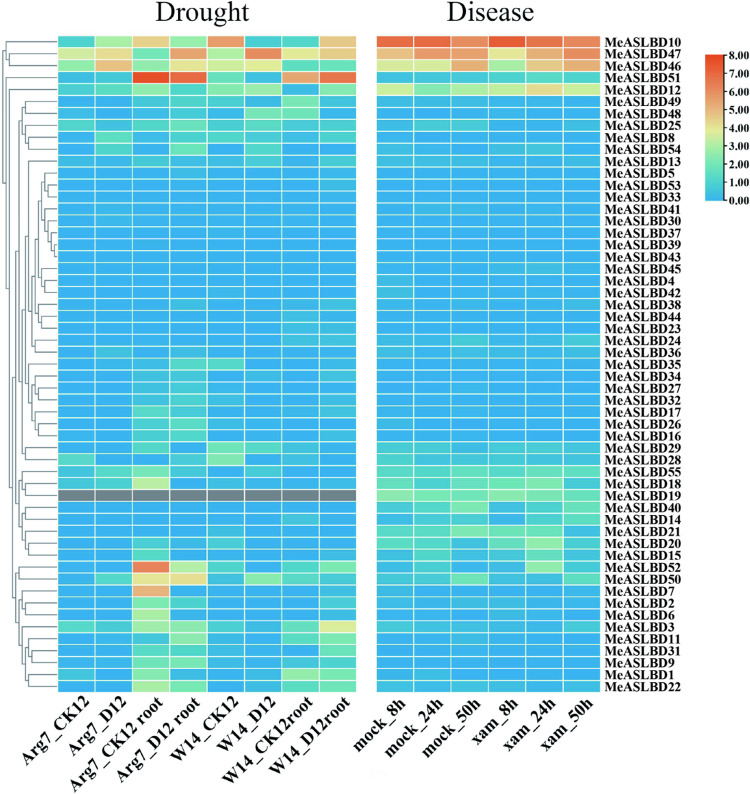
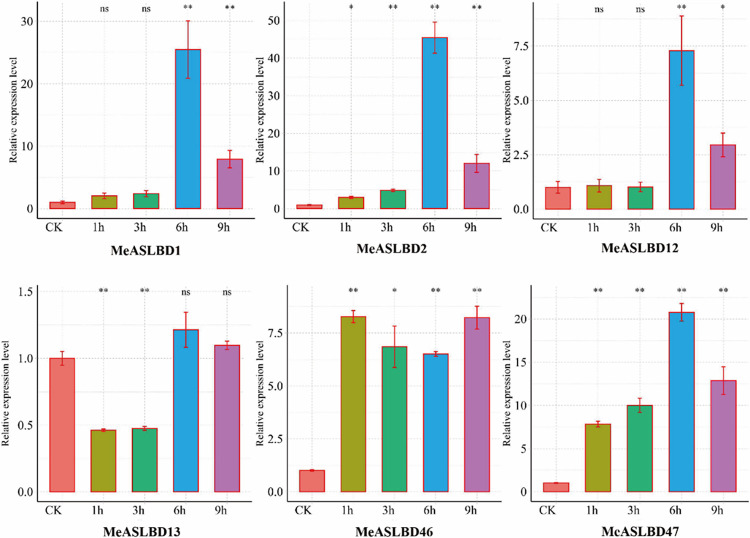
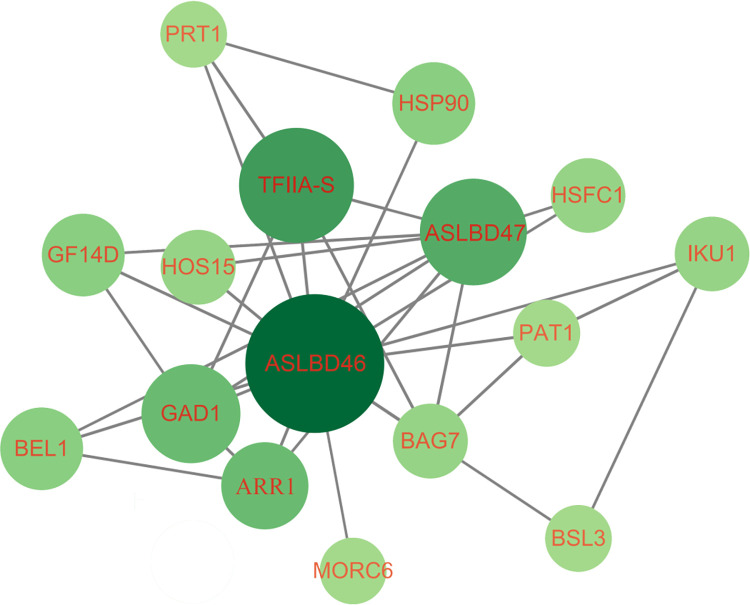
The Arabidopsis thaliana ASYMMETRIC LEAVES2 (AS2) gene is responsible for the development of flat, symmetric, and extended leaf laminae and their veins. The AS2 gene belongs to the plant-specific AS2-LIKE/LATERAL ORGAN BOUNDARIES (LOB)-domain (ASL/LBD), which consists of 42 proteins in Arabidopsis with a conserved amino-terminal domain known as the AS2/LOB domain, and a variable carboxyl-terminal region. AS2/LOB domain consists of an amino-terminal (N-terminal) that contains a cysteine repeat (the C-motif), a conserved glycine residue, and a leucine-zipper-like. AS2/LOB domain has been characterised in plants such as A. thaliana, Zea mays, and Oryza sativum. Nevertheless, it remains uncharacterised in cassava (Manihot esculenta). Characterisation and identification of cassava ASL/LBD genes using the computational algorithms, hidden Markov model profiles (PF03195), determined 55 ASL/LBD genes (MeASLBD1 to MeASLBD55). The gene structure and motif composition were conserved in MeASLBDs, while the expression profiles of these genes were highly diverse, implying that they are associated with diverse functions. Weighted gene co-expression network analysis (WGCNA) of target genes and promoter analysis suggest that these MeASLBDs may be involved in hormone and stress responses. Furthermore, the analysis of cis-regulatory elements in promoter regions suggested that MeASLBDs may be involved in the plant phytohormone signal response. The transcriptome data of cassava under biotic and abiotic stresses revealed that MeASLBD46 and MeASLBD47 greatly respond to disease and drought. The MeASLBD47 gene was selected for functional analysis. The result indicated that MeASLBD47 significantly mitigated the virulence of cassava bacterial blight (XamCHN11) through Real-Time Quantitative Reverse Transcription PCR (qRT-PCR) and Virus-induced gene silencing (VIGS). These findings provided a comprehensive analysis of ASL/LBD genes and laid the groundwork for future research to understand ASL/LBD genes.
拟南芥 ASYMMETRIC LEAVES2(AS2)基因负责叶片扁平、对称和扩展及其叶脉的发育。AS2 基因属于植物特异性 AS2-LIKE/LATERAL ORGAN BOUNDARIES(LOB)-结构域(ASL/LBD),该结构域在拟南芥中由 42 个蛋白质组成,具有保守的氨基端结构域,称为 AS2/LOB 结构域,以及可变的羧基端区域。AS2/LOB 结构域包含一个氨基端(N 端),其包含一个半胱氨酸重复序列(C 基序)、一个保守的甘氨酸残基和一个亮氨酸拉链样结构。AS2/LOB 结构域已在拟南芥、玉米和水稻等植物中得到描述。然而,在木薯(Manihot esculenta)中它仍未被描述。使用计算算法(隐马尔可夫模型谱(PF03195))对木薯 ASL/LBD 基因进行特征描述和鉴定,确定了 55 个 ASL/LBD 基因(MeASLBD1 至 MeASLBD55)。MeASLBDs 中基因结构和基序组成保守,而这些基因的表达谱高度多样化,表明它们与多种功能相关。靶基因的加权基因共表达网络分析(WGCNA)和启动子分析表明,这些 MeASLBDs 可能参与激素和应激反应。此外,启动子区顺式调控元件的分析表明,MeASLBDs 可能参与植物植物激素信号反应。生物和非生物胁迫下木薯的转录组数据表明,MeASLBD46 和 MeASLBD47 对疾病和干旱有强烈反应。选择 MeASLBD47 基因进行功能分析。结果表明,MeASLBD47 通过实时定量反转录 PCR(qRT-PCR)和病毒诱导基因沉默(VIGS)显著减轻了木薯细菌性疫病(XamCHN11)的毒力。这些发现对 ASL/LBD 基因进行了全面分析,为未来研究理解 ASL/LBD 基因奠定了基础。