Department of Physiological Sciences, Faculty of Science, Stellenbosch University, Stellenbosch, Private Bag X1, Matieland, 7602, South Africa.
North West Lung Centre, Manchester University Hospitals, Manchester, M23 9LT, UK.
Trends Endocrinol Metab. 2023 Jun;34(6):321-344. doi: 10.1016/j.tem.2023.03.002. Epub 2023 Apr 19.
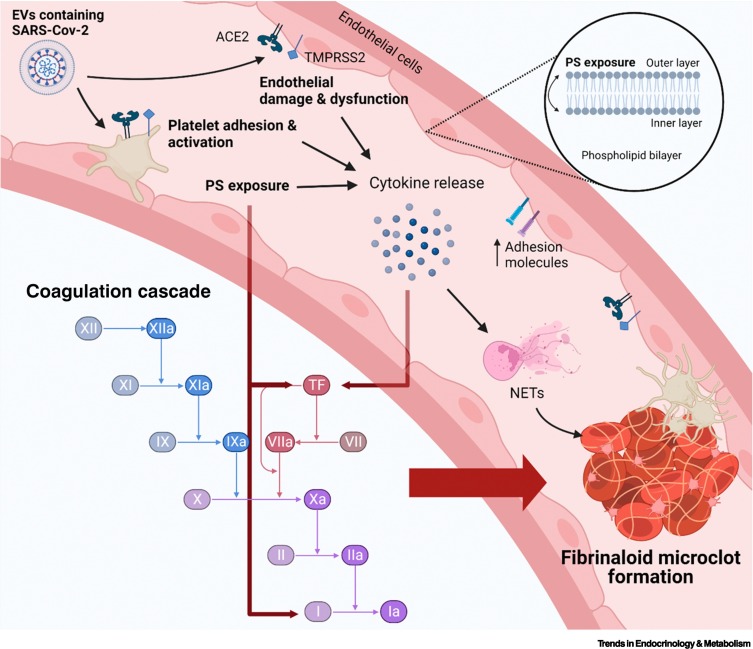
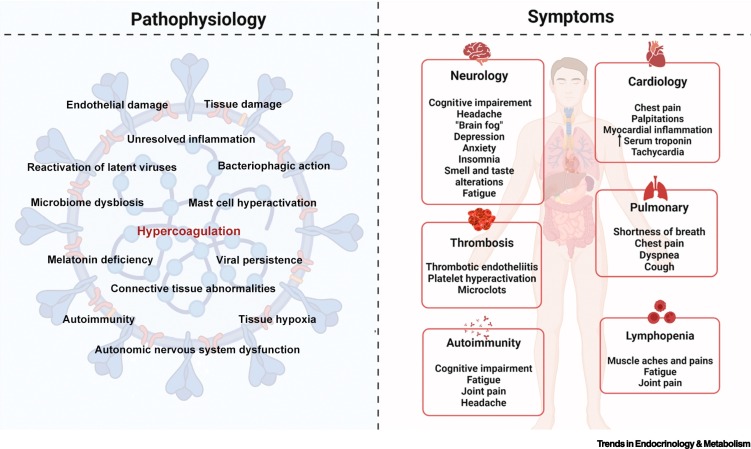
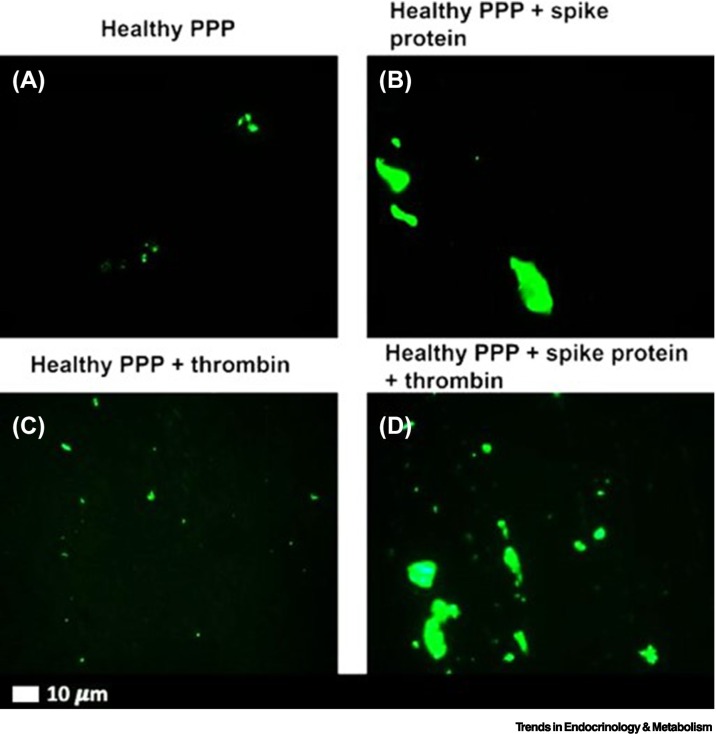
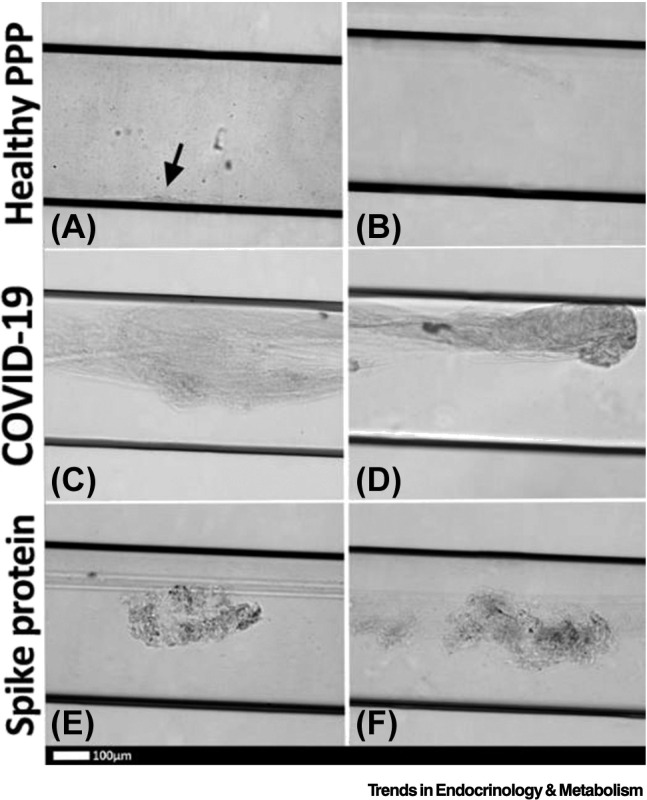
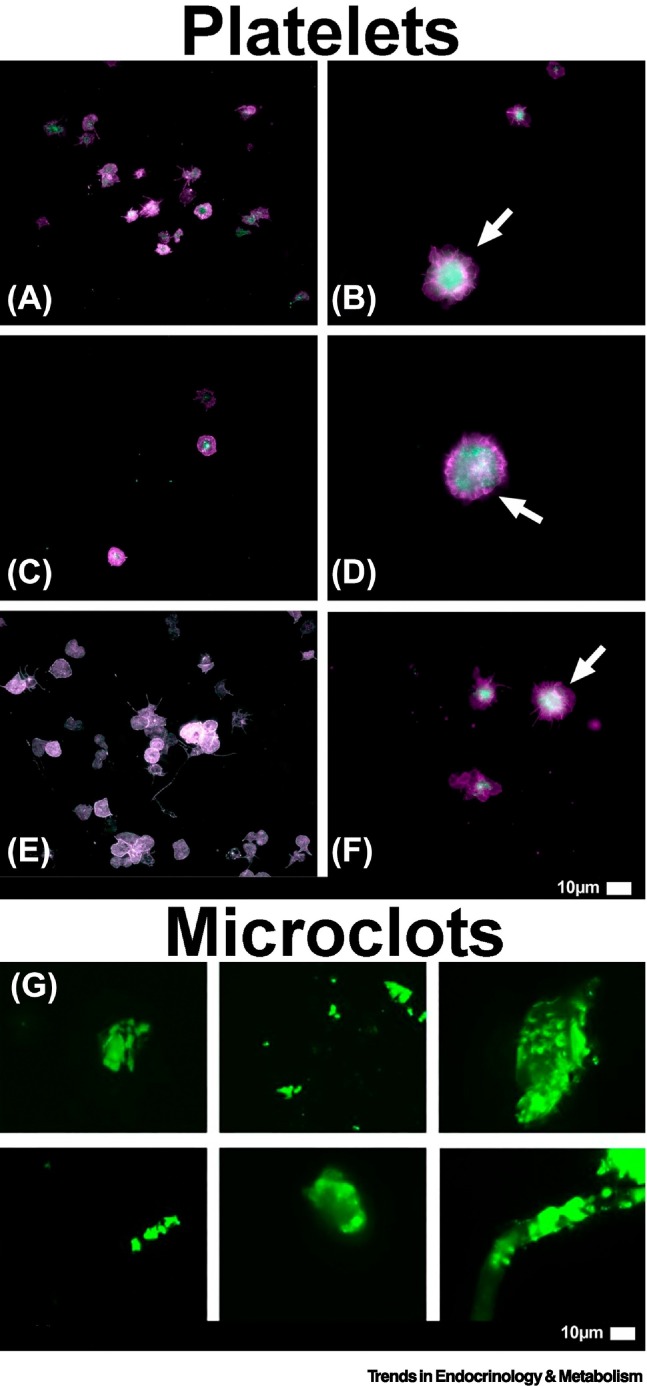
Acute COVID-19 infection is followed by prolonged symptoms in approximately one in ten cases: known as Long COVID. The disease affects ~65 million individuals worldwide. Many pathophysiological processes appear to underlie Long COVID, including viral factors (persistence, reactivation, and bacteriophagic action of SARS CoV-2); host factors (chronic inflammation, metabolic and endocrine dysregulation, immune dysregulation, and autoimmunity); and downstream impacts (tissue damage from the initial infection, tissue hypoxia, host dysbiosis, and autonomic nervous system dysfunction). These mechanisms culminate in the long-term persistence of the disorder characterized by a thrombotic endothelialitis, endothelial inflammation, hyperactivated platelets, and fibrinaloid microclots. These abnormalities of blood vessels and coagulation affect every organ system and represent a unifying pathway for the various symptoms of Long COVID.
急性 COVID-19 感染后,约十分之一的患者会出现长期症状:即所谓的长新冠。该疾病影响全球约 6500 万人。长新冠似乎涉及许多病理生理过程,包括病毒因素(持续性、再激活和 SARS-CoV-2 的噬菌作用);宿主因素(慢性炎症、代谢和内分泌失调、免疫失调和自身免疫);以及下游影响(初始感染后的组织损伤、组织缺氧、宿主失调和自主神经系统功能障碍)。这些机制最终导致疾病的长期持续存在,其特征为血栓性血管内皮炎、内皮炎症、高活性血小板和纤维蛋白样微栓子。这些血管和凝血异常影响每个器官系统,代表长新冠各种症状的统一途径。