Department of Biomedical and Dental Sciences and Morphological and Functional Imaging, University of Messina, Via C. Valeria, 98125, Messina, Italy.
BMC Oral Health. 2023 Apr 21;23(1):233. doi: 10.1186/s12903-023-02910-6.
Among the post-surgical complications of lower wisdom teeth surgery, swelling is considered by patients one of the most impairing, with both social and biological influences and impacting patients' quality of life. Aim of the study was to evaluate the swelling following the osteotomy when performed with drilling burs versus piezo-electric instruments in the mandibular impacted third molar extraction, using a facial reconstruction software.
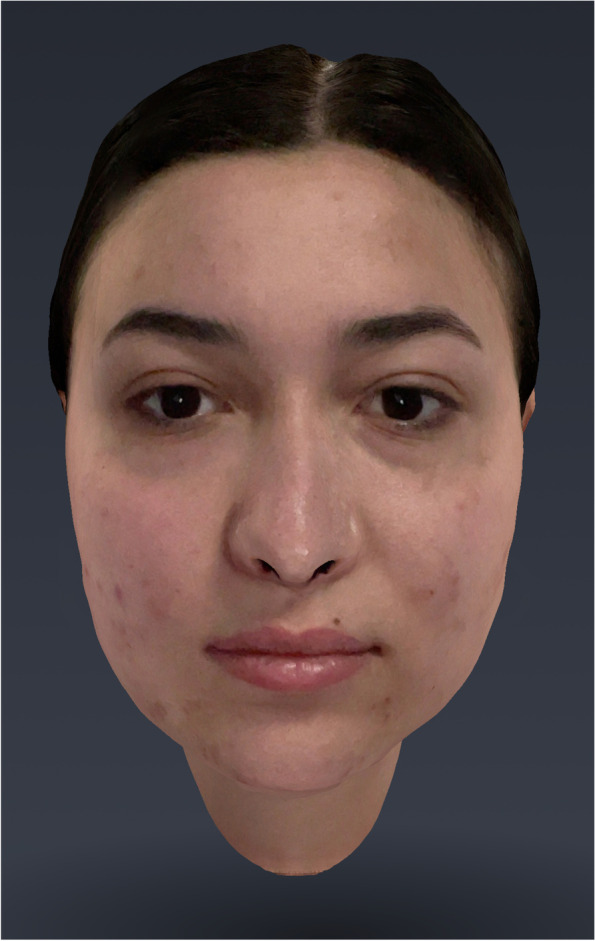
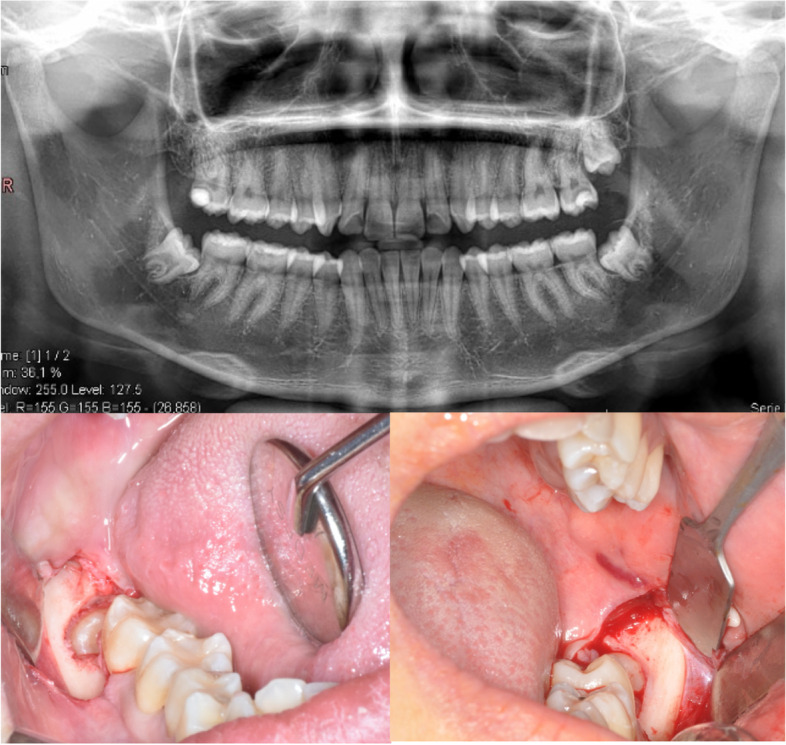
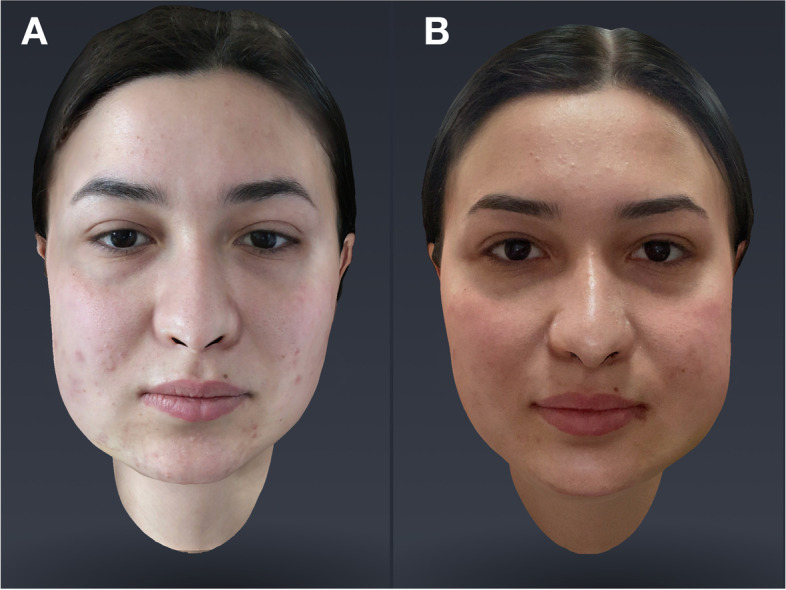
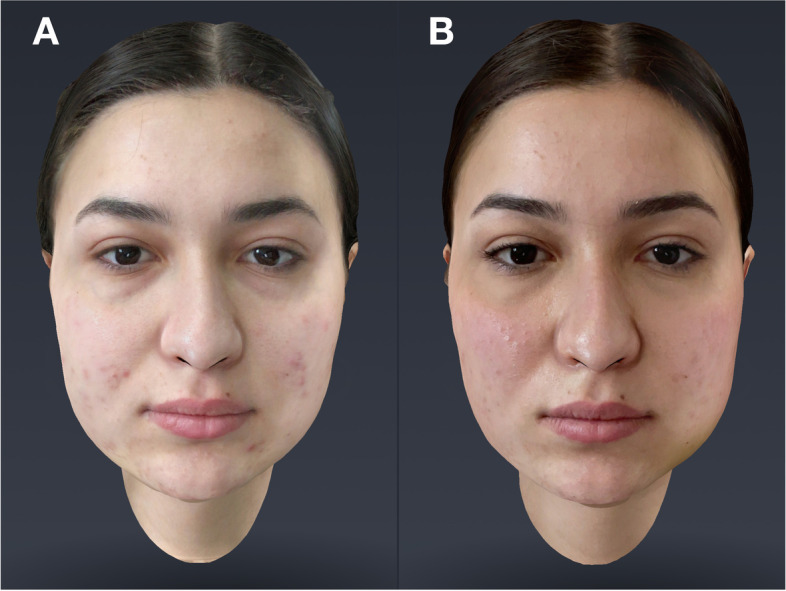
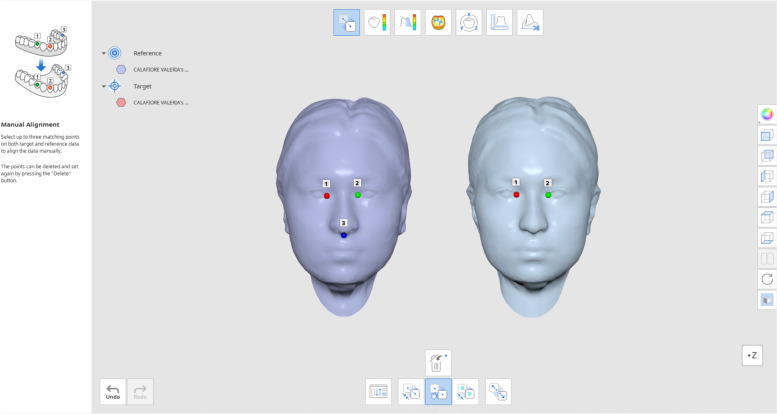
A randomized, split-mouth, single-blind study was conducted on patients, ranging between 18 and 40 years of age, requiring lower third molars extraction and referred at the Oral Surgery Unit of the School of Dentistry of the University of Messina. Twenty-two patients were recruited during an 8 months period according to the following criteria: good general health conditions; bilateral, symmetrical, impacted third molars; no use of medication that would influence or alter wound healing; no temporomandibular joint disorder history; no smoking. All patients underwent bilateral surgical removal. For each patient, a facial scan was obtained prior to the surgical procedures. The two extractions were conducted performing, in a randomized way, osteotomy with rotatory burs or use of piezo surgical instruments. Facial scans were repeated at 3 and 7 days after the surgical procedures. Volumetric differences were calculated via superimposition using a dedicated software. The data obtained were processed using paired t-test.
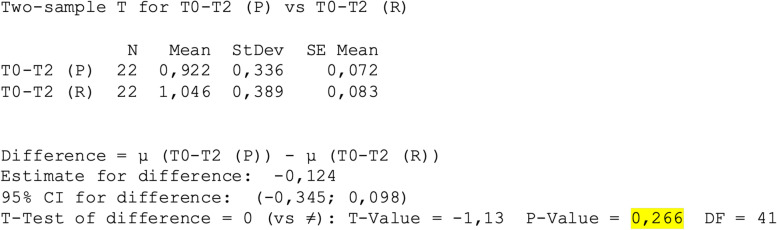
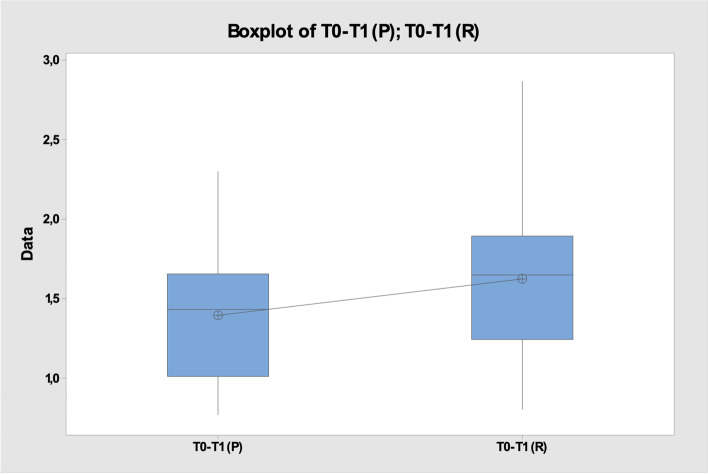
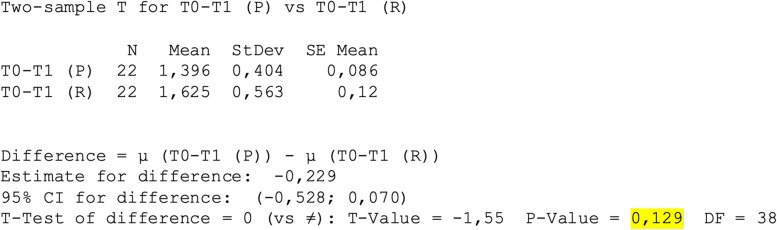
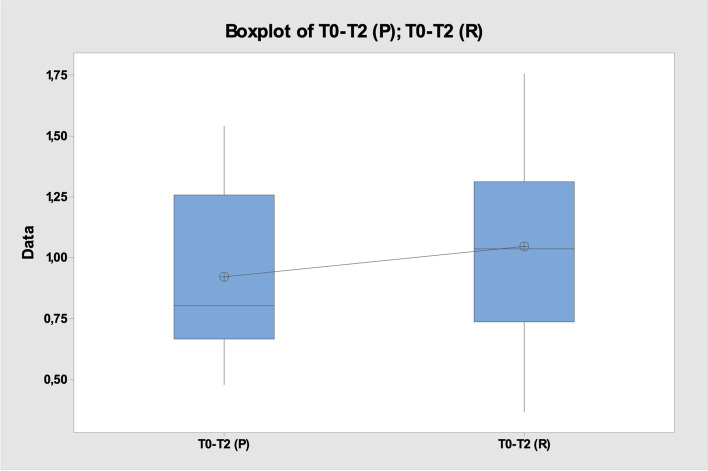
The results obtained from our study showed no significant differences between two groups regarding post-operative swelling. To the best of our knowledge, this study represents the first experience of using an objective method that can be reproducible on the collection of patients' clinical parameters.
The 3D digital analysis, in the evaluation of facial swelling, is a technique of simple application, objective, reproducible, reliable, decreasing the variables of error. Based on these data, it is possible to conclude that piezo surgery is a safe way for performing the osteotomies during third molar surgery. However, regarding the post-operative swelling, it does not show an advantage over classical rotary instruments.
Registered on ClinicalTrials.gov (ID: NCT05488028, on 04/08/2022). Approved by Ethical Committee of Messina: (ID 01-2020, on 27/04/2020).
在下颌智齿手术后的并发症中,肿胀被患者认为是最具破坏性的一种,它既有社会影响,也有生物学影响,会影响患者的生活质量。本研究旨在使用面部重建软件评估在劈开下颌阻生第三磨牙时使用旋转钻头和超声骨刀进行截骨术后的肿胀情况。
这是一项在年龄在 18 至 40 岁之间、需要拔除下颌第三磨牙并被转诊到墨西拿大学牙科学院口腔外科的患者中进行的随机、劈裂口腔、单盲研究。在 8 个月的时间里,根据以下标准招募了 22 名患者:一般健康状况良好;双侧、对称、阻生的第三磨牙;没有使用会影响或改变伤口愈合的药物;没有颞下颌关节紊乱病史;不吸烟。所有患者均行双侧手术切除。在手术前,每位患者都进行了面部扫描。以随机的方式,通过旋转钻头或使用超声骨刀进行截骨术。在手术后 3 天和 7 天重复进行面部扫描。通过使用专用软件进行叠加计算体积差异。使用配对 t 检验处理获得的数据。
我们的研究结果显示,两组患者在术后肿胀方面没有显著差异。据我们所知,这是首次使用可以在收集患者临床参数方面具有可重复性的客观方法进行的研究。
在评估面部肿胀方面,3D 数字分析是一种简单应用、客观、可重复、可靠、减少误差变量的技术。基于这些数据,可以得出结论,超声骨刀在第三磨牙手术中进行截骨术是一种安全的方法。然而,在术后肿胀方面,它并没有比传统的旋转器械显示出优势。
在 ClinicalTrials.gov 注册(ID:NCT05488028,于 2022 年 8 月 4 日)。经墨西拿伦理委员会批准(ID 01-2020,于 2020 年 4 月 27 日)。