Chen Sijie, Huang Longsheng, Liu Guihua, Kang Jie, Qian Qinfang, Wang Jingrong, Wang Rong, Zheng Lizhen, Wang Haijun, Ou Ping
College of Clinical Medicine for Obstetrics & Gynecology and Pediatrics, Fujian Medical University, Fuzhou, Fujian Province, 350108, People's Republic of China.
Child Health Center, Fujian Maternity and Child Health Hospital, Affiliated Hospital of Fujian Medical University, Fuzhou, Fujian Province, 350001, People's Republic of China.
Neuropsychiatr Dis Treat. 2023 Apr 18;19:951-972. doi: 10.2147/NDT.S398321. eCollection 2023.
Acupuncture can improve symptoms of autism spectrum disorder (ASD), but the potential mechanisms remain undefined. So, we aimed to explore the behavioral improvement of autism rat model after acupuncture and to describe the potential molecular mechanism underlying these changes.
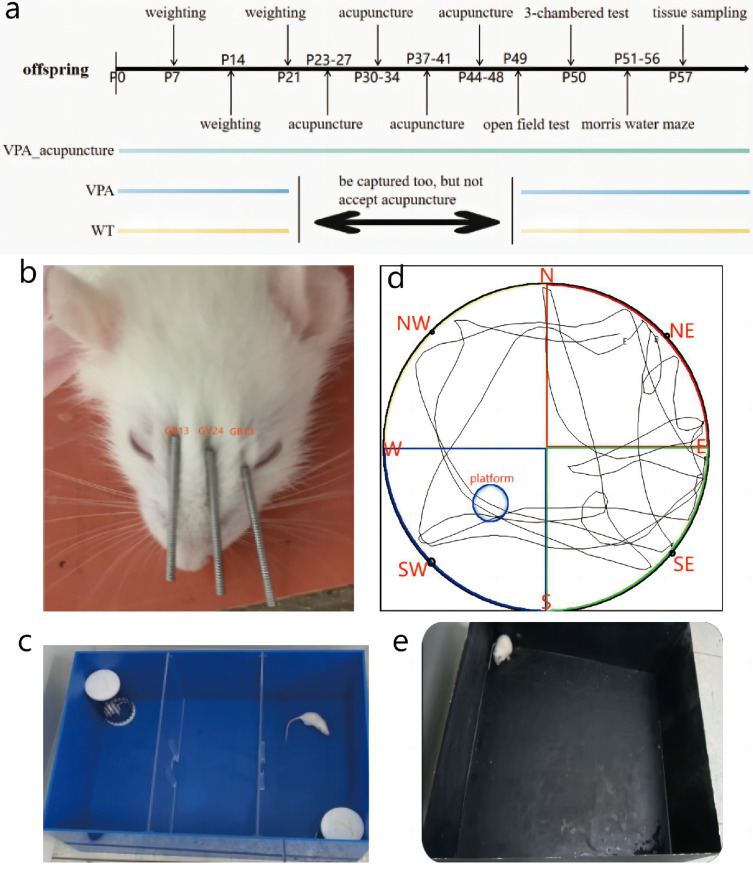
Wistar rats were intraperitoneally injected with VPA 12.5 days after conception, and their offspring were considered as good models of autism. Experimental rats were divided into three groups (wild-type (WT), n = 10; VPA, n = 10; and VPA_acupuncture, n = 10). VPA_acupuncture group rat received 4 weeks of acupuncture treatment (Shéntíng (GV24), and Bilateral Běnshén (GB13)) on the 23rd day after birth. All rats were subjected to behavioral tests, including social interaction, open field, and Morris water maze tests. Afterwards, hippocampal tissues (left side) were removed and subjected to RNA sequencing (RNA-seq) analysis; ELISA was also used to detect the associated serotonin levels in the hippocampus.
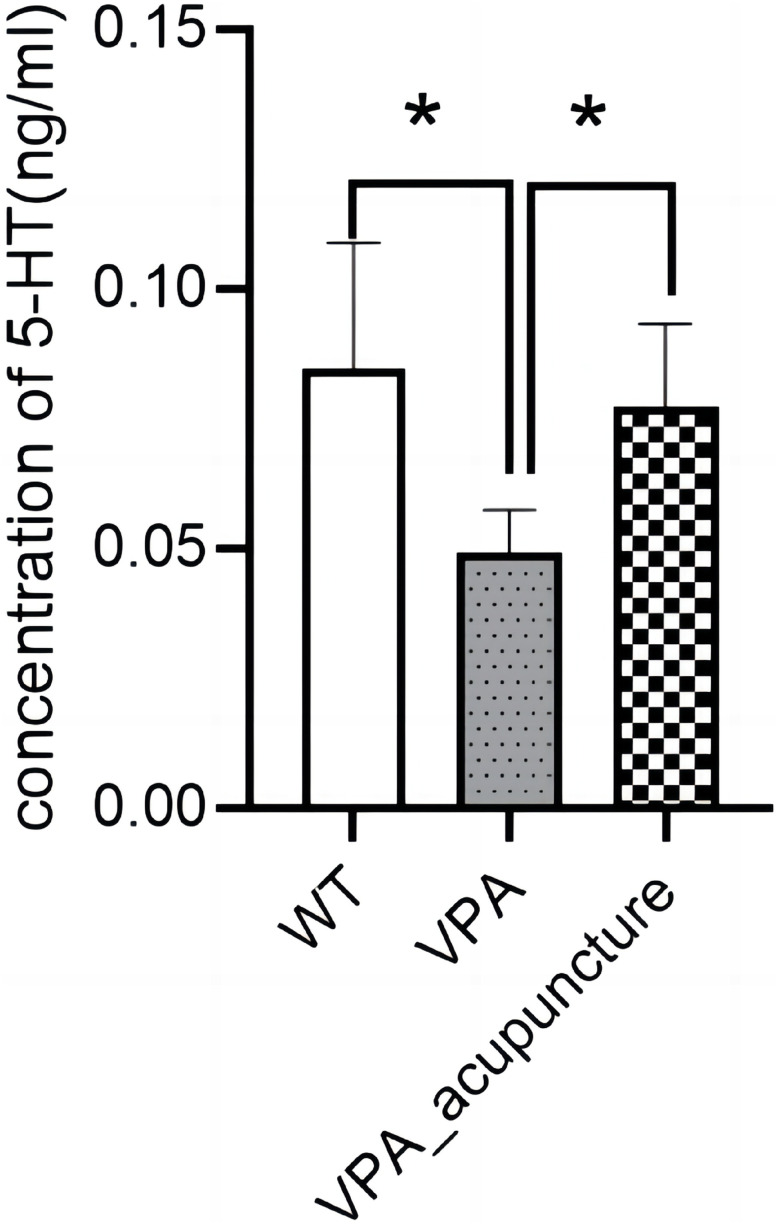
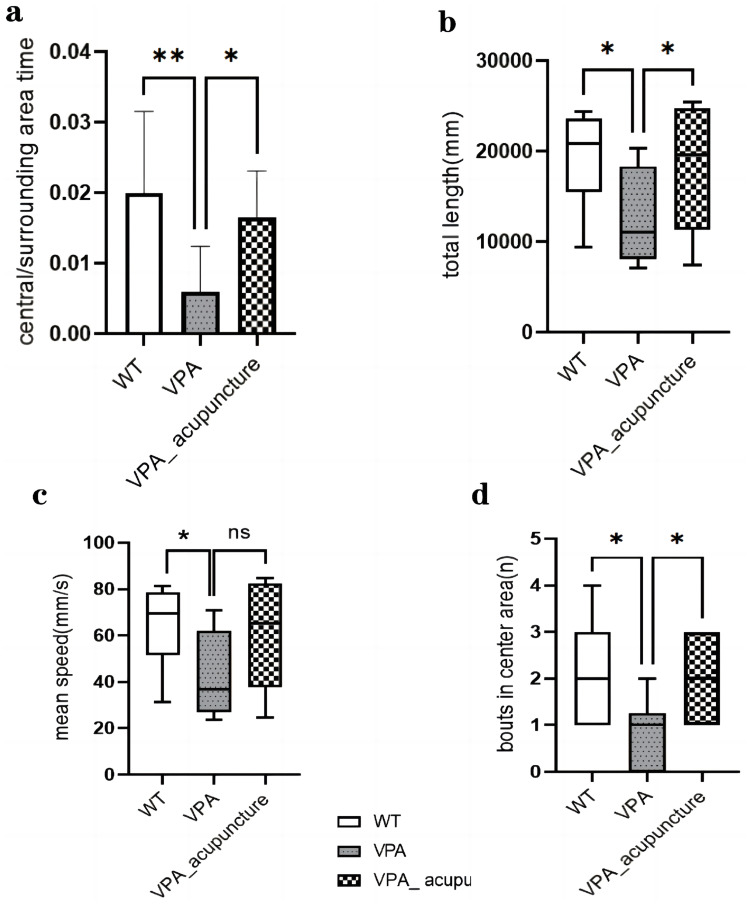
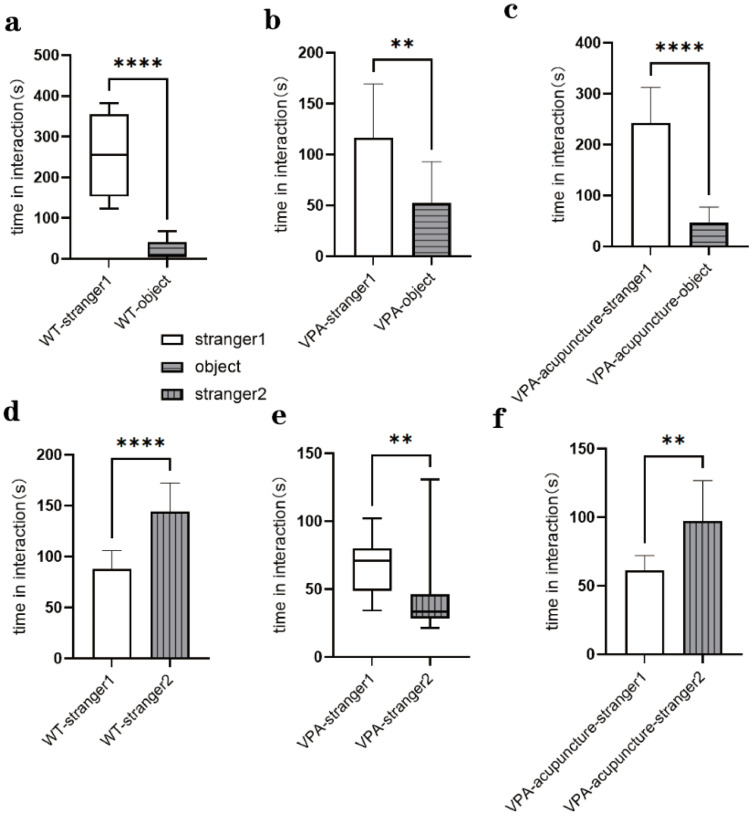
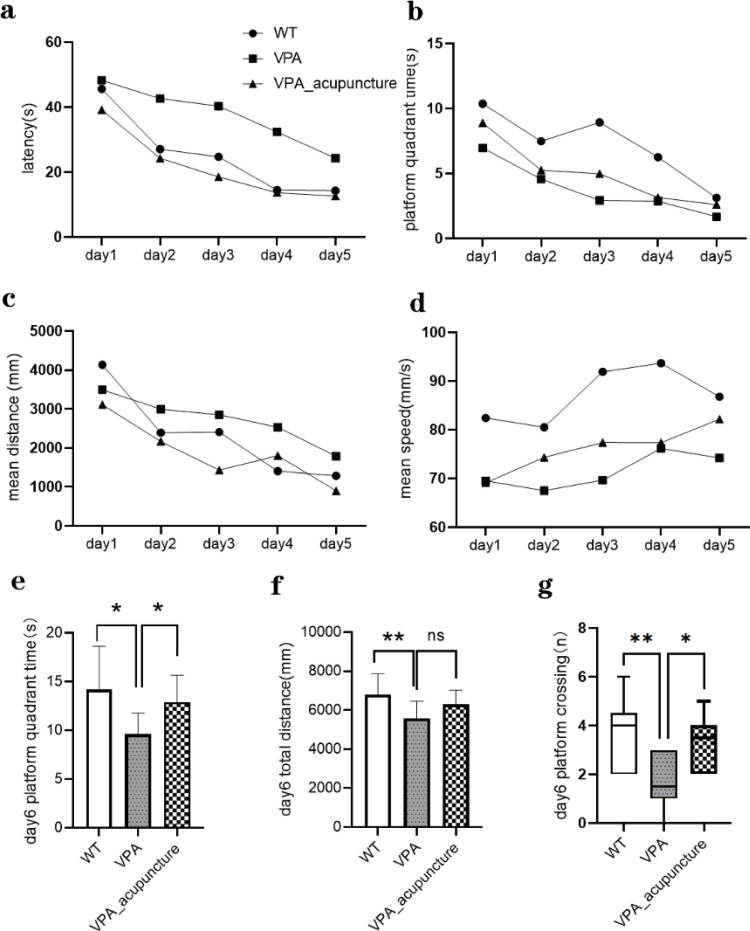
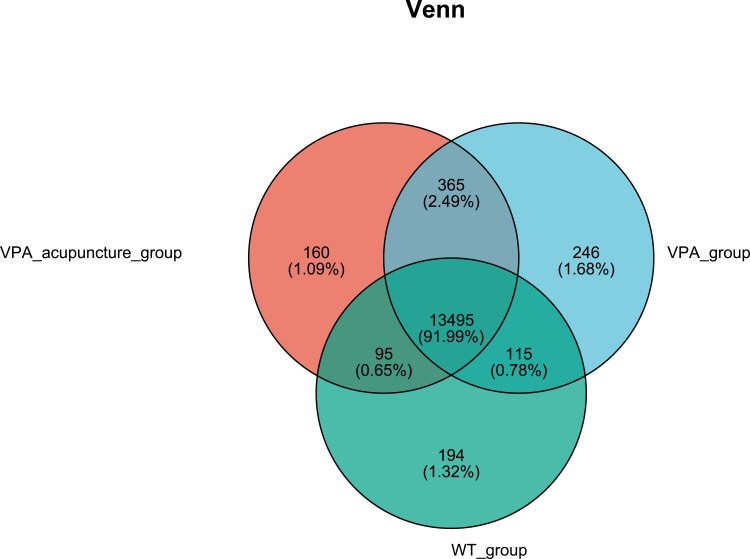
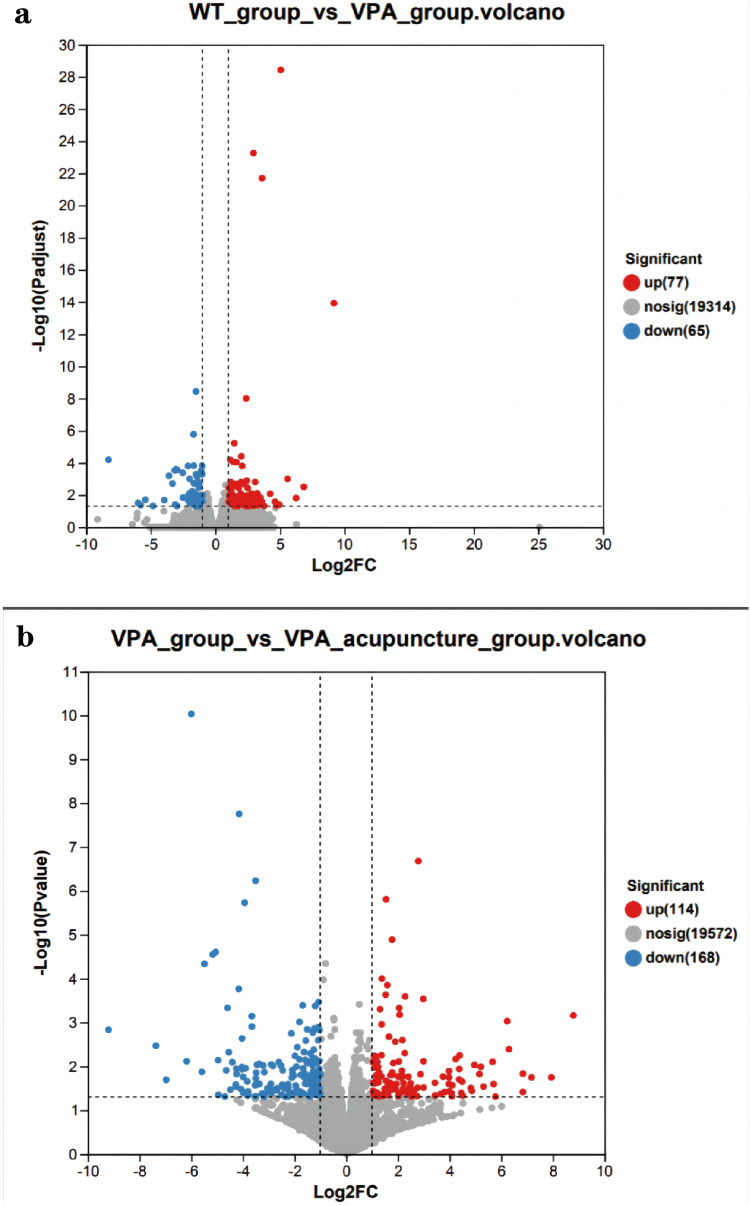
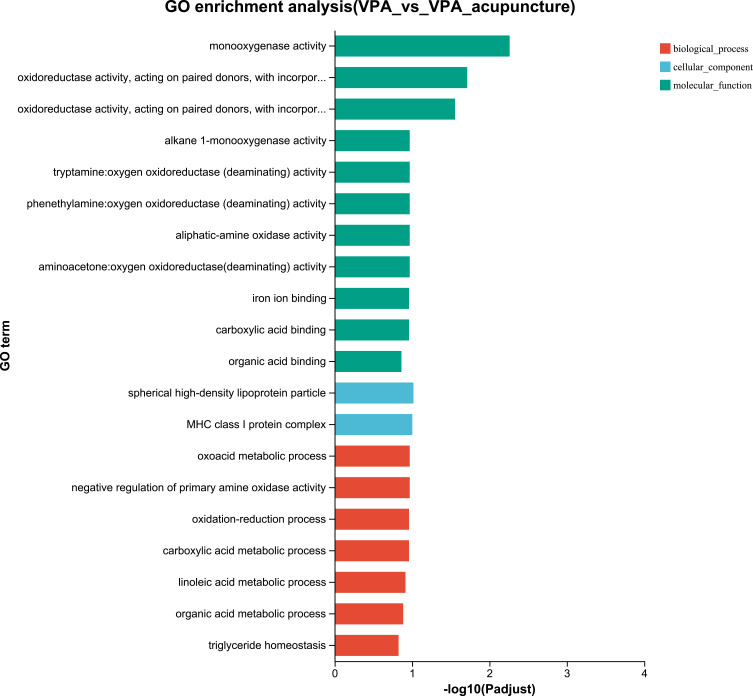
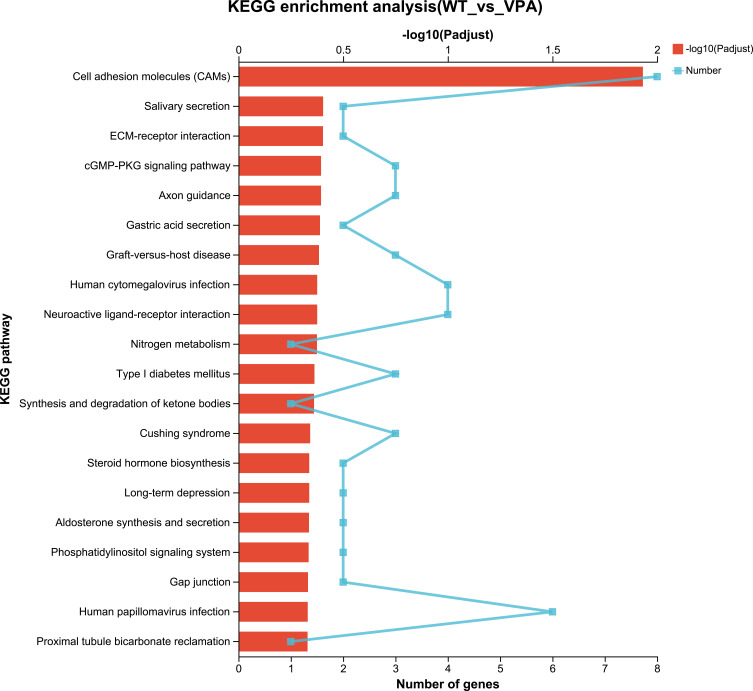
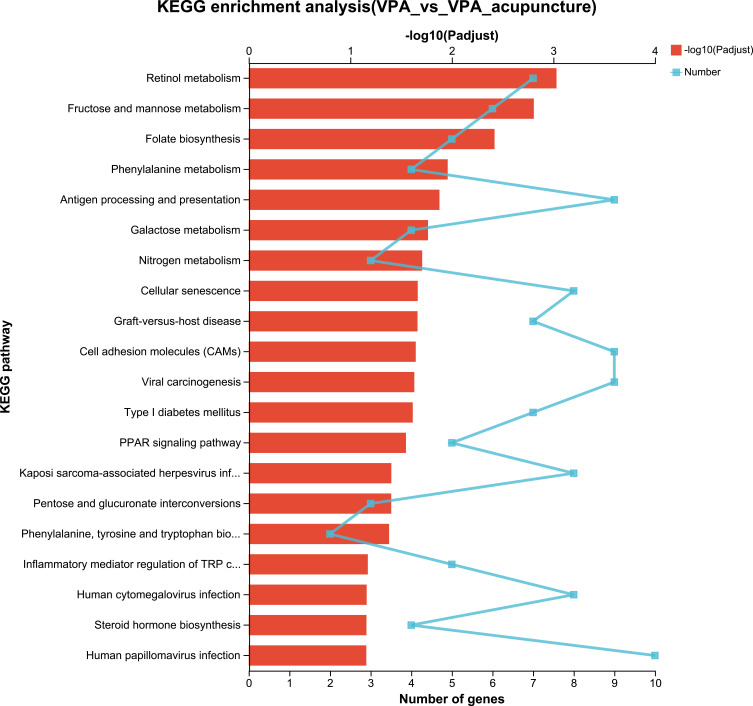
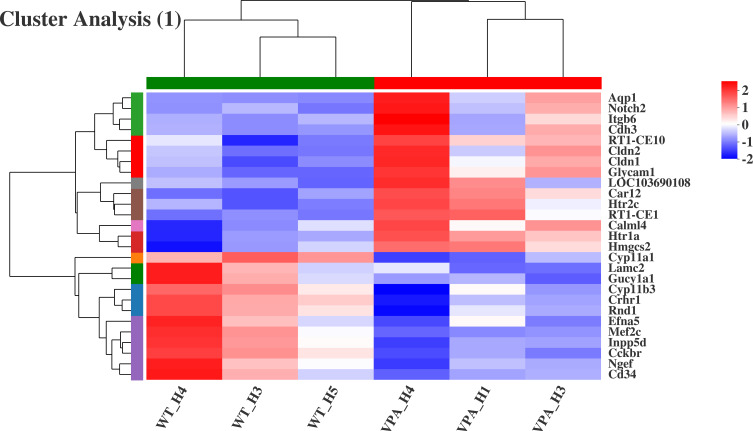
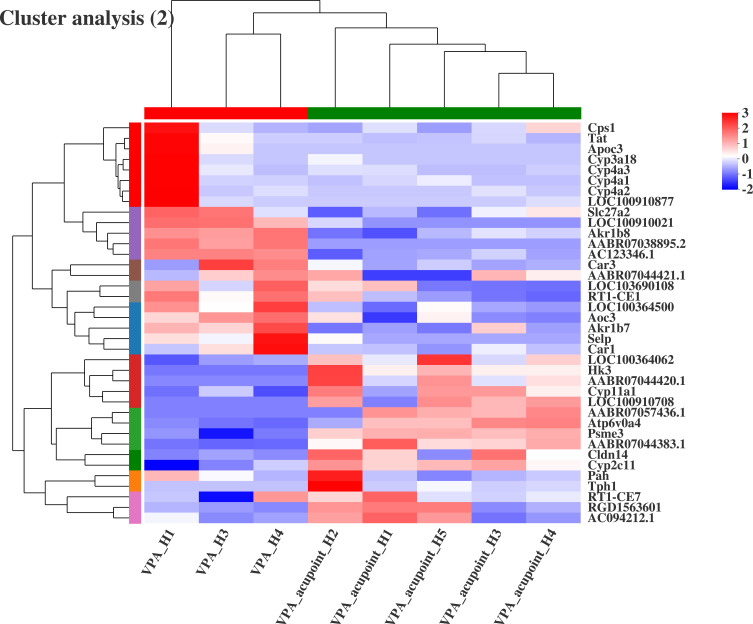
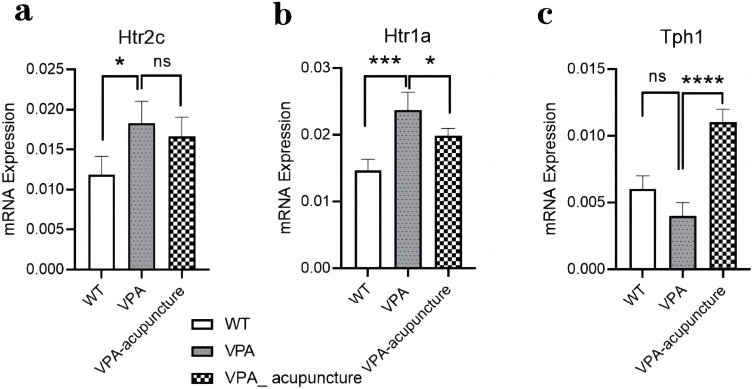
Behavioral tests showed that acupuncture treatment improved spontaneous activity, aberrant social interaction, and alleviated impaired learning and memory in the VPA-induced rat model. Differentially expressed genes (DGEs) analysis showed 142 significantly differentially expressed genes between WT and VPA groups, and 282 between VPA and VPA_acupuncture rats. and , 5-HT receptor genes, were up-regulated in the VPA group compared with WT group. Additionally, , a rate-limiting enzyme gene of 5-HT synthesis, was up-regulated after acupuncture. These genes were confirmed to have the same trend of expression obtained by RT-qPCR and RNA seq. Furthermore, the concentration of serotonin in the hippocampus in the VPA group was significantly lower than the WT and VPA_acupuncture groups.
Acupuncture improved abnormal behavioral symptoms in the VPA-induced rat model. Further experiments showed that the improvement of the serotonin system may be one of the main regulatory mechanisms of acupuncture for treating ASD.
针刺可改善自闭症谱系障碍(ASD)症状,但其潜在机制尚不明确。因此,我们旨在探讨针刺对自闭症大鼠模型行为的改善作用,并描述这些变化背后的潜在分子机制。
在受孕12.5天后,对Wistar大鼠腹腔注射丙戊酸(VPA),其后代被视为良好的自闭症模型。将实验大鼠分为三组(野生型(WT),n = 10;VPA组,n = 10;VPA针刺组,n = 10)。VPA针刺组大鼠在出生后第23天接受为期4周的针刺治疗(神庭(GV24)及双侧本神(GB13))。所有大鼠均接受行为测试,包括社交互动、旷场和莫里斯水迷宫测试。之后,取出海马组织(左侧)并进行RNA测序(RNA-seq)分析;酶联免疫吸附测定(ELISA)也用于检测海马中相关血清素水平。
行为测试表明,针刺治疗改善了VPA诱导的大鼠模型的自发活动、异常社交互动,并减轻了学习和记忆障碍。差异表达基因(DGEs)分析显示,WT组和VPA组之间有142个显著差异表达基因,VPA组和VPA针刺组大鼠之间有282个。与WT组相比,VPA组中5-HT受体基因Htr2c和Htr7上调。此外,5-HT合成的限速酶基因Tph2在针刺后上调。通过逆转录定量聚合酶链反应(RT-qPCR)和RNA测序证实这些基因具有相同的表达趋势。此外,VPA组海马中血清素浓度显著低于WT组和VPA针刺组。
针刺改善了VPA诱导的大鼠模型中的异常行为症状。进一步实验表明,血清素系统的改善可能是针刺治疗ASD的主要调节机制之一。