Lee William G, Evans Lauren L, Johnson Sidney M, Woo Russell K
Department of Surgery, Cedars-Sinai Medical Center, Los Angeles, CA 90048, USA.
Department of Surgery, University of Hawaii, Honolulu, HI 96822, USA.
Bioengineering (Basel). 2023 Apr 1;10(4):442. doi: 10.3390/bioengineering10040442.
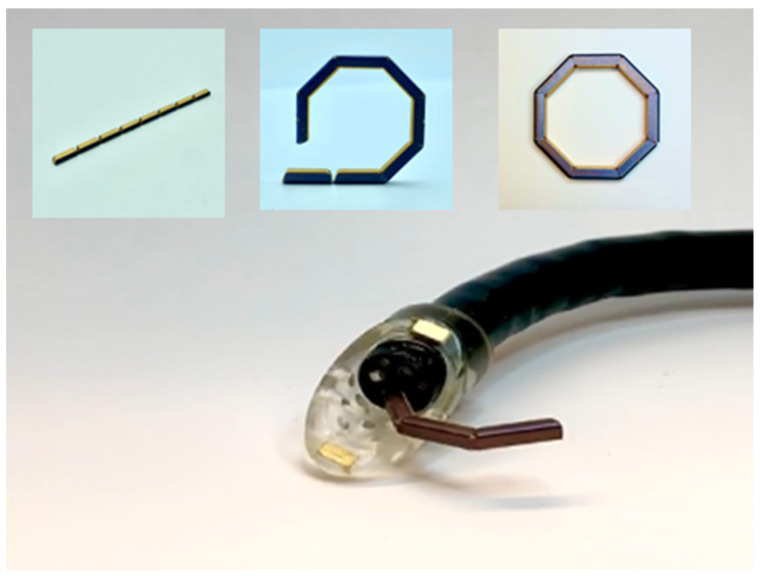
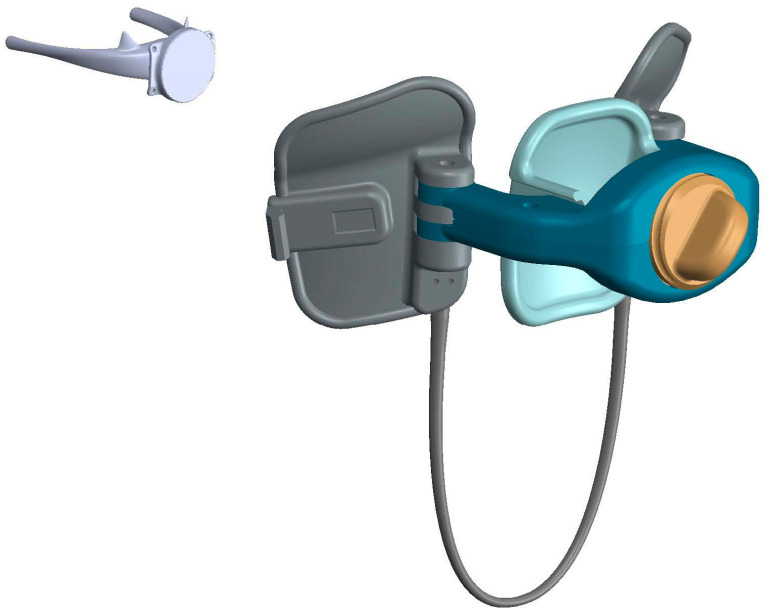
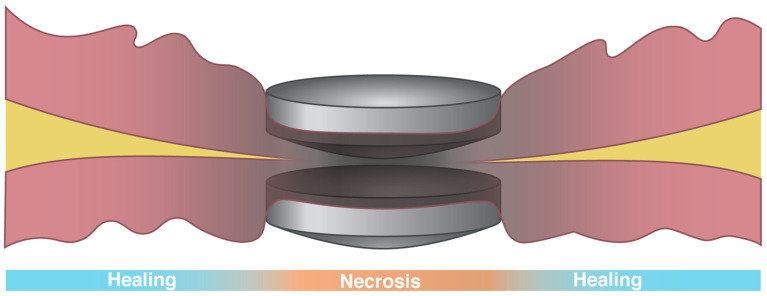
The novel use of magnetic force to optimize modern surgical techniques originated in the 1970s. Since then, magnets have been utilized as an adjunct or alternative to a wide array of existing surgical procedures, ranging from gastrointestinal to vascular surgery. As the use of magnets in surgery continues to grow, the body of knowledge on magnetic surgical devices from preclinical development to clinical implementation has expanded significantly; however, the current magnetic surgical devices can be organized based on their core function: serving as a guidance system, creating a new connection, recreating a physiologic function, or utilization of an internal-external paired magnet system. The purpose of this article is to discuss the biomedical considerations during magnetic device development and review the current surgical applications of magnetic devices.
利用磁力优化现代外科技术的新方法起源于20世纪70年代。从那时起,磁体已被用作多种现有外科手术的辅助手段或替代方法,涵盖从胃肠手术到血管手术等广泛领域。随着磁体在手术中的应用不断增加,从临床前开发到临床应用的磁外科设备知识体系已显著扩展;然而,当前的磁外科设备可根据其核心功能进行分类:用作引导系统、建立新连接、恢复生理功能或利用内外配对磁体系统。本文旨在讨论磁设备开发过程中的生物医学考量,并回顾磁设备当前的外科应用。