Venuta Alessandro, Nasso Rosarita, Gisonna Armando, Iuliano Roberta, Montesarchio Sara, Acampora Vittoria, Sepe Leandra, Avagliano Angelica, Arcone Rosaria, Arcucci Alessandro, Ruocco Maria Rosaria
Department of Public Health, University of Naples Federico II, 80131 Naples, Italy.
Department of Movement Sciences and Wellness, University of Naples "Parthenope", 80133 Naples, Italy.
Life (Basel). 2023 Apr 21;13(4):1067. doi: 10.3390/life13041067.
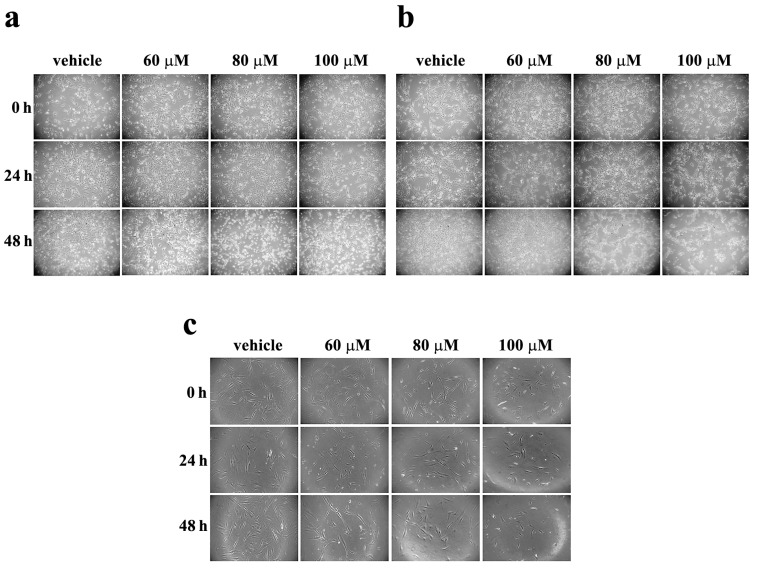
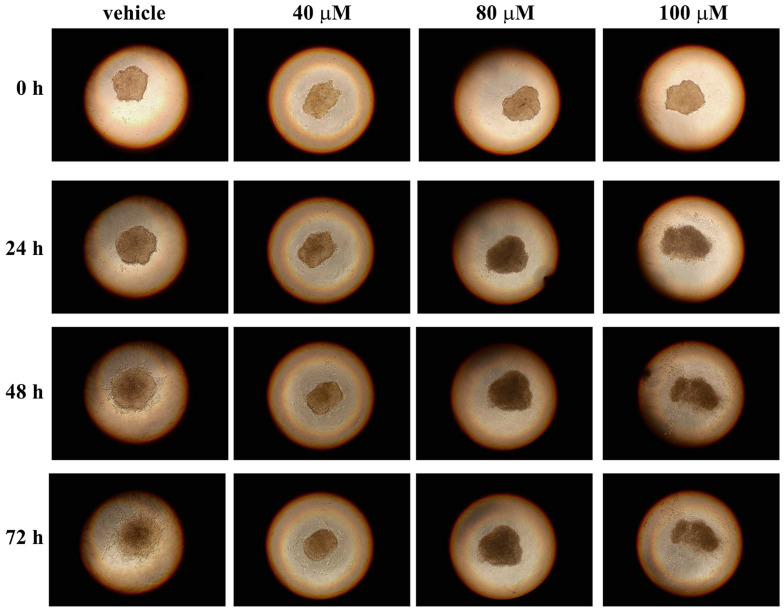
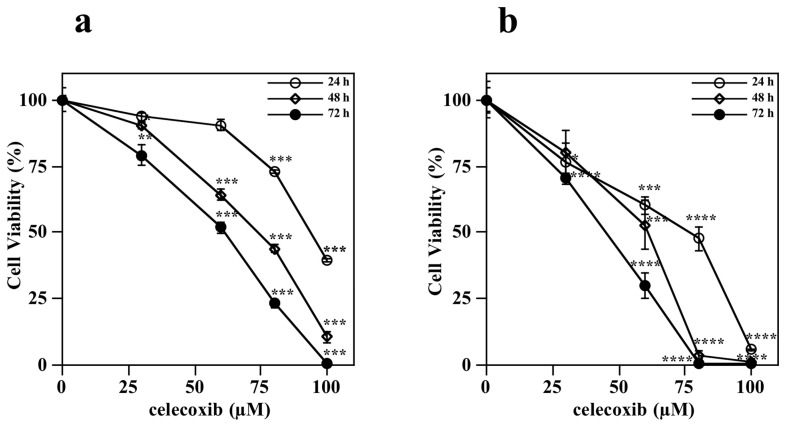
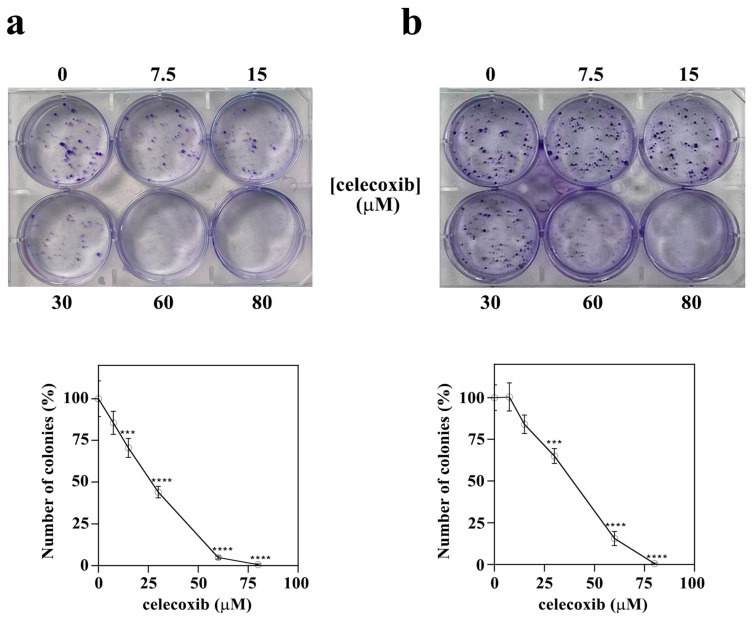
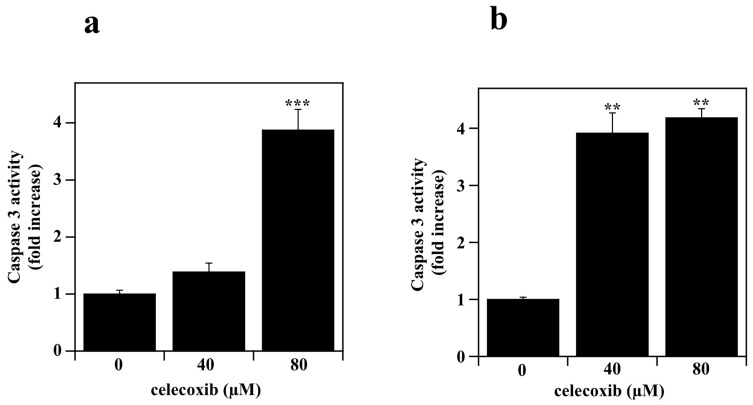
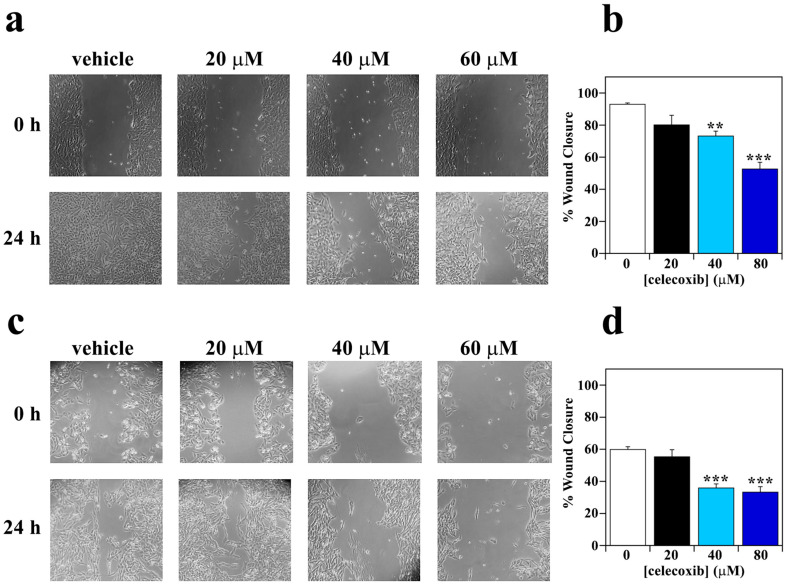
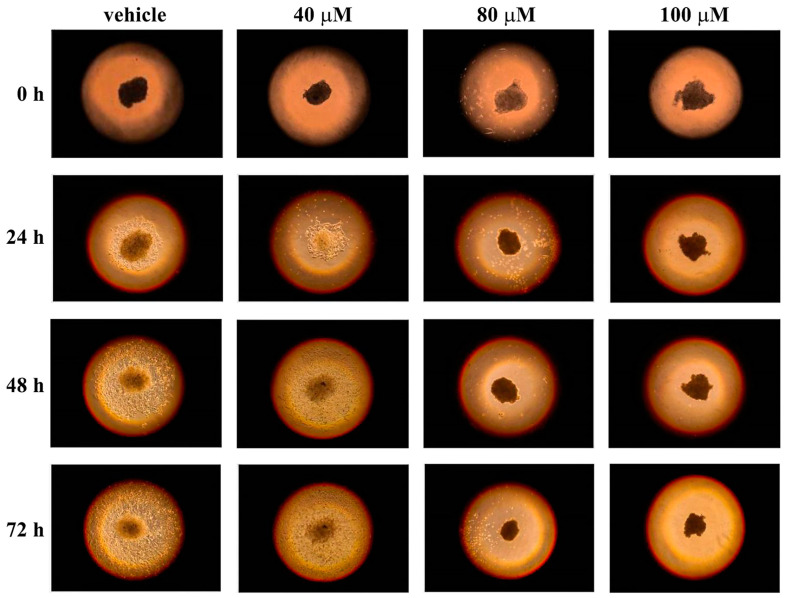
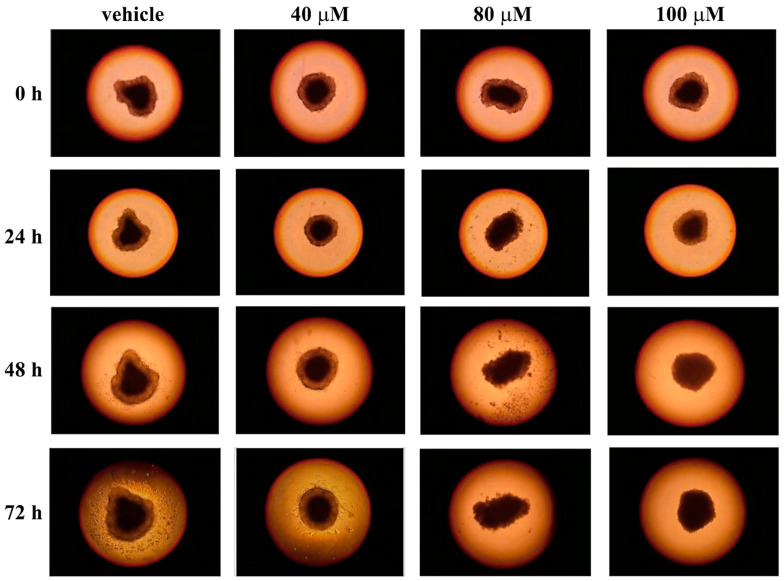
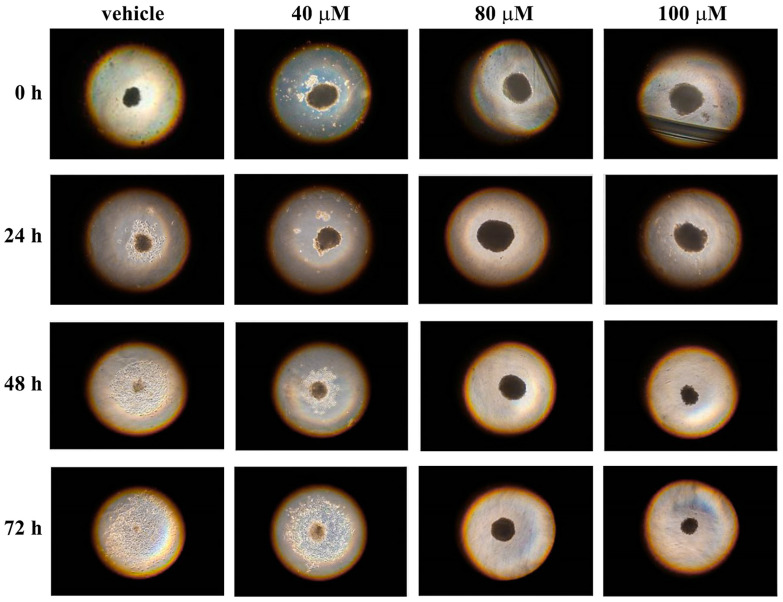
Cutaneous melanoma (CM) remains one of the leading causes of tumor mortality due to its high metastatic spread. CM growth is influenced by inflammation regulated by prostaglandins (PGs) whose synthesis is catalyzed by cyclooxygenases (COXs). COX inhibitors, including non-steroidal anti-inflammatory drugs (NSAIDs), can inhibit tumor development and growth. In particular, in vitro experiments have shown that celecoxib, a NSAID, inhibits the growth of some tumor cell lines. However, two-dimensional (2D) cell cultures, used in traditional in vitro anticancer assays, often show poor efficacy due to a lack of an in vivo like cellular environment. Three-dimensional (3D) cell cultures, such as spheroids, are better models because they can mimic the common features displayed by human solid tumors. Hence, in this study, we evaluated the anti-neoplastic potential of celecoxib, in both 2D and 3D cell cultures of A2058 and SAN melanoma cell lines. In particular, celecoxib reduced the cell viability and migratory capability and triggered the apoptosis of melanoma cells grown as 2D cultures. When celecoxib was tested on 3D melanoma cell cultures, the drug exerted an inhibitory effect on cell outgrowth from spheroids and reduced the invasiveness of melanoma cell spheroids into the hydrogel matrix. This work suggests that celecoxib could represent a new potential therapeutic approach in melanoma therapy.
皮肤黑色素瘤(CM)因其高转移扩散率,仍然是肿瘤死亡率的主要原因之一。CM的生长受前列腺素(PGs)调节的炎症影响,PGs的合成由环氧化酶(COXs)催化。包括非甾体抗炎药(NSAIDs)在内的COX抑制剂可以抑制肿瘤的发生和生长。特别是,体外实验表明,NSAID类药物塞来昔布可抑制某些肿瘤细胞系的生长。然而,传统体外抗癌试验中使用的二维(2D)细胞培养,由于缺乏类似体内的细胞环境,往往显示出较差的疗效。三维(3D)细胞培养,如球体,是更好的模型,因为它们可以模拟人类实体瘤所呈现的共同特征。因此,在本研究中,我们评估了塞来昔布在A2058和SAN黑色素瘤细胞系的二维和三维细胞培养中的抗肿瘤潜力。特别是,塞来昔布降低了二维培养的黑色素瘤细胞的活力和迁移能力,并引发了其凋亡。当在三维黑色素瘤细胞培养中测试塞来昔布时,该药物对球体中的细胞生长具有抑制作用,并降低了黑色素瘤细胞球体对水凝胶基质的侵袭性。这项工作表明,塞来昔布可能代表黑色素瘤治疗中的一种新的潜在治疗方法。