Valencio André, da Silva Miriam Aparecida, Santos Fernanda Fernandes, Polatto Juliana Moutinho, Machado Marcelo Marcondes Ferreira, Piazza Roxane Maria Fontes, Gales Ana Cristina
Division of Infectious Diseases, Department of Internal Medicine, Escola Paulista de Medicina, Universidade Federal de São Paulo, São Paulo 04039-032, Brazil.
Laboratório de Bacteriologia, Instituto Butantan, São Paulo 05503-900, Brazil.
Microorganisms. 2023 Apr 18;11(4):1052. doi: 10.3390/microorganisms11041052.
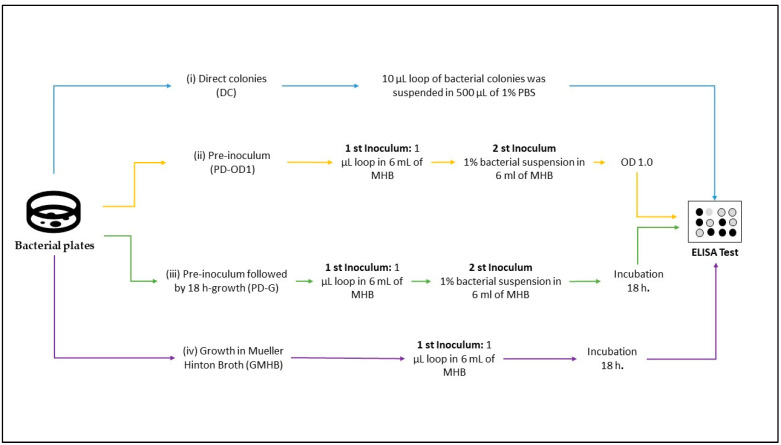
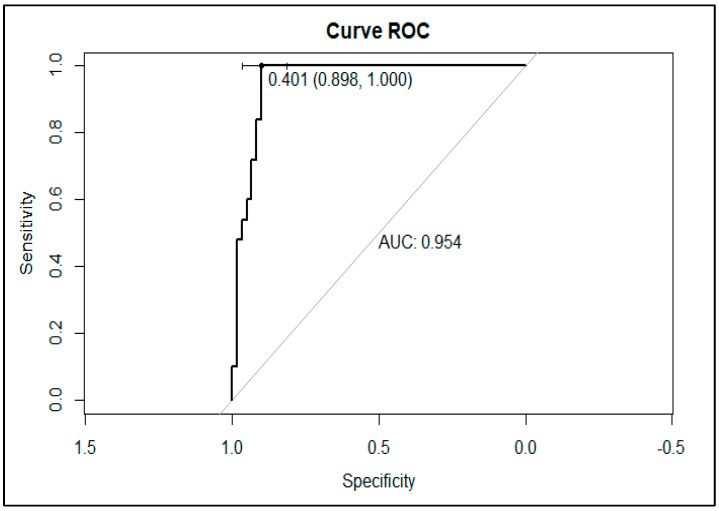
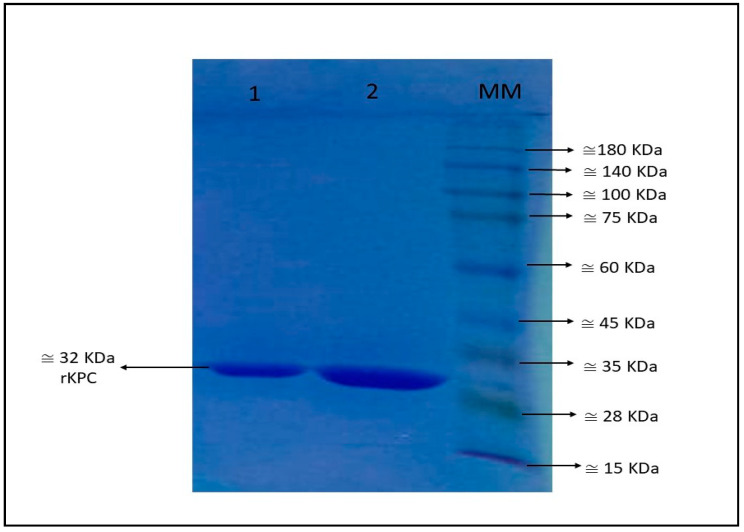
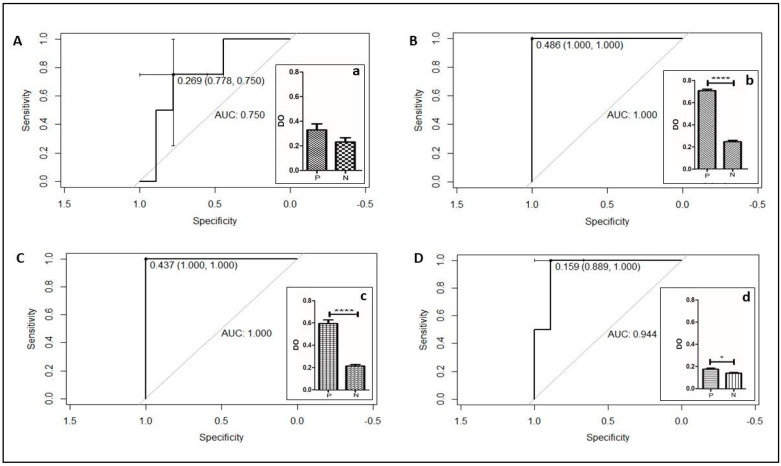
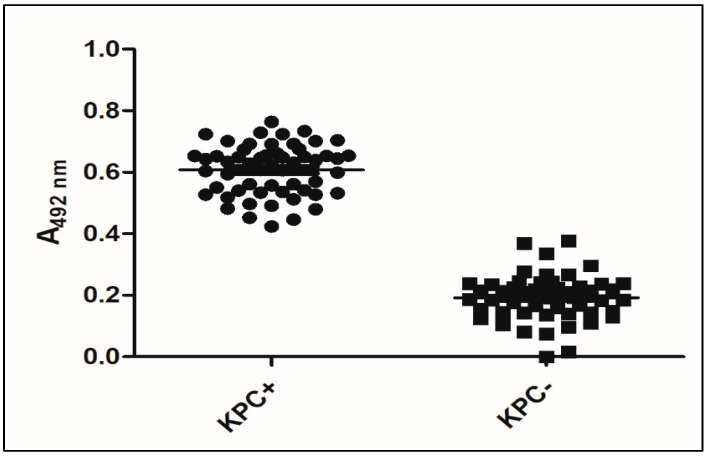
The detection of KPC-type carbapenemases is necessary for guiding appropriate antibiotic therapy and the implementation of antimicrobial stewardship and infection control measures. Currently, few tests are capable of differentiating carbapenemase types, restricting the lab reports to their presence or not. The aim of this work was to raise antibodies and develop an ELISA test to detect KPC-2 and its D179 mutants. The ELISA-KPC test was designed using rabbit and mouse polyclonal antibodies. Four different protocols were tested to select the bacterial inoculum with the highest sensitivity and specificity rates. The standardisation procedure was performed using 109 previously characterised clinical isolates, showing 100% of sensitivity and 89% of specificity. The ELISA-KPC detected all isolates producing carbapenemases, including KPC variants displaying the ESBL phenotype such as KPC-33 and -66.
检测KPC型碳青霉烯酶对于指导恰当的抗生素治疗以及实施抗菌药物管理和感染控制措施而言是必要的。目前,能够区分碳青霉烯酶类型的检测方法很少,实验室报告只能局限于其是否存在。这项工作的目的是制备抗体并开发一种酶联免疫吸附测定(ELISA)试验以检测KPC-2及其D179突变体。ELISA-KPC试验采用兔和小鼠多克隆抗体制备。测试了四种不同方案以选择灵敏度和特异度最高的细菌接种物。使用109株先前已鉴定的临床分离株进行标准化程序,显示灵敏度为100%,特异度为89%。ELISA-KPC检测到所有产碳青霉烯酶的分离株,包括表现出超广谱β-内酰胺酶(ESBL)表型的KPC变体,如KPC-33和-66。