• 文献检索
  • 文档翻译
  • 深度研究
  • 学术资讯
  • Suppr Zotero 插件Zotero 插件
  • 邀请有礼
  • 套餐&价格
  • 历史记录
应用&插件
Suppr Zotero 插件Zotero 插件浏览器插件Mac 客户端Windows 客户端微信小程序
定价
高级版会员购买积分包购买API积分包
服务
文献检索文档翻译深度研究API 文档MCP 服务
关于我们
关于 Suppr公司介绍联系我们用户协议隐私条款
关注我们

Suppr 超能文献

核心技术专利:CN118964589B侵权必究
粤ICP备2023148730 号-1Suppr @ 2026

文献检索

告别复杂PubMed语法,用中文像聊天一样搜索,搜遍4000万医学文献。AI智能推荐,让科研检索更轻松。

立即免费搜索

文件翻译

保留排版,准确专业,支持PDF/Word/PPT等文件格式,支持 12+语言互译。

免费翻译文档

深度研究

AI帮你快速写综述,25分钟生成高质量综述,智能提取关键信息,辅助科研写作。

立即免费体验

挖掘-锚固-支护机器人多液压缸主动干扰抑制位置同步控制研究。

Research on Synchronous Control of Active Disturbance Rejection Position of Multiple Hydraulic Cylinders of Digging-Anchor-Support Robot.

机构信息

State Key Laboratory of Mining Response and Disaster Prevention and Control in Deep Coal, Anhui University of Science and Technology, Huainan 232000, China.

College of Mechanical Engineering, Anhui University of Science and Technology, Huainan 232000, China.

出版信息

Sensors (Basel). 2023 Apr 19;23(8):4092. doi: 10.3390/s23084092.

DOI:10.3390/s23084092
PMID:37112433
原文链接:https://pmc.ncbi.nlm.nih.gov/articles/PMC10144339/
Abstract

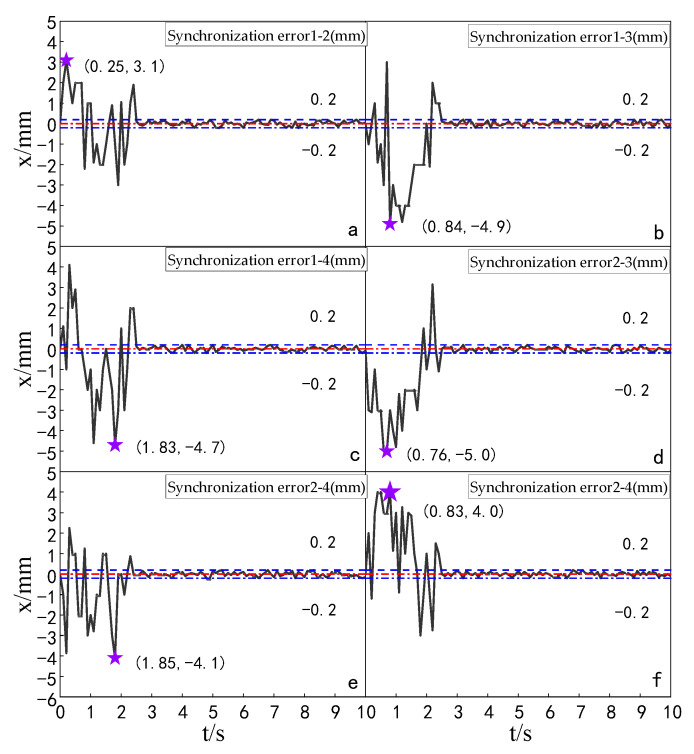
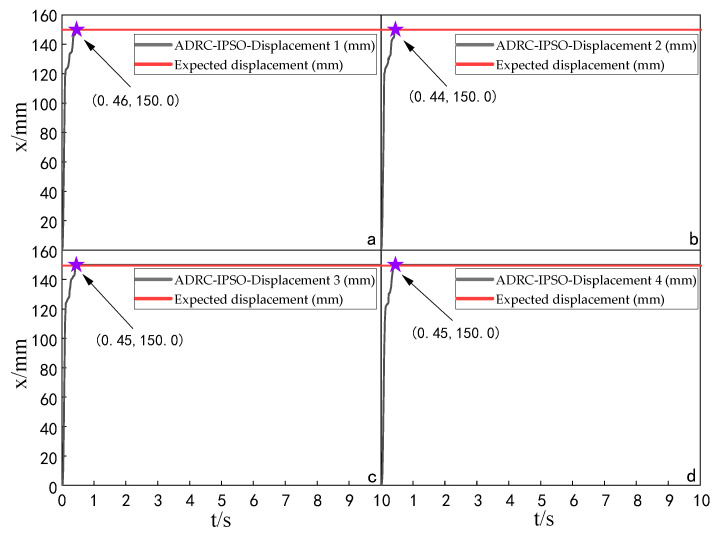
In order to solve the problems of nonlinearity, uncertainty and coupling of multi-hydraulic cylinder group platform of a digging-anchor-support robot, as well as the lack of synchronization control accuracy of hydraulic synchronous motors, an improved Automatic Disturbance Rejection Controller-Improved Particle Swarm Optimization (ADRC-IPSO) position synchronization control method is proposed. The mathematical model of a multi-hydraulic cylinder group platform of a digging-anchor-support robot is established, the compression factor is used to replace the inertia weight, and the traditional Particle Swarm Optimization (PSO) algorithm is improved by using the genetic algorithm theory to improve the optimization range and convergence rate of the algorithm, and the parameters of the Active Disturbance Rejection Controller (ADRC) were adjusted online. The simulation results verify the effectiveness of the improved ADRC-IPSO control method. The experimental results show that, compared with the traditional ADRC, ADRC-PSO and PID controller, the improved ADRC-IPSO has better position tracking performance and shorter adjusting time, and its step signal synchronization error is controlled within 5.0 mm, and the adjusting time is less than 2.55 s, indicating that the designed controller has better synchronization control effect.

摘要

为了解决挖掘-锚固-支撑机器人多液压缸组平台的非线性、不确定性和耦合问题,以及液压同步电机同步控制精度的不足,提出了一种改进的自抗扰控制器-改进的粒子群优化(ADRC-IPSO)位置同步控制方法。建立了挖掘-锚固-支撑机器人多液压缸组平台的数学模型,用压缩因子代替惯性权重,利用遗传算法理论对传统粒子群优化(PSO)算法进行改进,提高算法的优化范围和收敛速度,并在线调整自抗扰控制器(ADRC)的参数。仿真结果验证了改进的 ADRC-IPSO 控制方法的有效性。实验结果表明,与传统 ADRC、ADRC-PSO 和 PID 控制器相比,改进的 ADRC-IPSO 具有更好的位置跟踪性能和更短的调整时间,其阶跃信号同步误差控制在 5.0mm 以内,调整时间小于 2.55s,表明所设计的控制器具有更好的同步控制效果。

https://cdn.ncbi.nlm.nih.gov/pmc/blobs/5b8f/10144339/993a5617094d/sensors-23-04092-g030.jpg
https://cdn.ncbi.nlm.nih.gov/pmc/blobs/5b8f/10144339/4378b1822ef7/sensors-23-04092-g001.jpg
https://cdn.ncbi.nlm.nih.gov/pmc/blobs/5b8f/10144339/ff701d900f9a/sensors-23-04092-g002.jpg
https://cdn.ncbi.nlm.nih.gov/pmc/blobs/5b8f/10144339/befa66c23767/sensors-23-04092-g003.jpg
https://cdn.ncbi.nlm.nih.gov/pmc/blobs/5b8f/10144339/fa9ba97849d3/sensors-23-04092-g004.jpg
https://cdn.ncbi.nlm.nih.gov/pmc/blobs/5b8f/10144339/abc0f6b132a4/sensors-23-04092-g005.jpg
https://cdn.ncbi.nlm.nih.gov/pmc/blobs/5b8f/10144339/58710d4a0f66/sensors-23-04092-g006.jpg
https://cdn.ncbi.nlm.nih.gov/pmc/blobs/5b8f/10144339/9099c9ed6808/sensors-23-04092-g007.jpg
https://cdn.ncbi.nlm.nih.gov/pmc/blobs/5b8f/10144339/9ce621eca900/sensors-23-04092-g008.jpg
https://cdn.ncbi.nlm.nih.gov/pmc/blobs/5b8f/10144339/4b10c23521f2/sensors-23-04092-g009.jpg
https://cdn.ncbi.nlm.nih.gov/pmc/blobs/5b8f/10144339/2b7734fc9226/sensors-23-04092-g010.jpg
https://cdn.ncbi.nlm.nih.gov/pmc/blobs/5b8f/10144339/934c84081c42/sensors-23-04092-g011.jpg
https://cdn.ncbi.nlm.nih.gov/pmc/blobs/5b8f/10144339/a9e81886a4d0/sensors-23-04092-g012.jpg
https://cdn.ncbi.nlm.nih.gov/pmc/blobs/5b8f/10144339/246959a57777/sensors-23-04092-g013.jpg
https://cdn.ncbi.nlm.nih.gov/pmc/blobs/5b8f/10144339/d028acd6db78/sensors-23-04092-g014.jpg
https://cdn.ncbi.nlm.nih.gov/pmc/blobs/5b8f/10144339/75ad8a722802/sensors-23-04092-g015.jpg
https://cdn.ncbi.nlm.nih.gov/pmc/blobs/5b8f/10144339/833b9bce1dd7/sensors-23-04092-g016.jpg
https://cdn.ncbi.nlm.nih.gov/pmc/blobs/5b8f/10144339/480971d41ced/sensors-23-04092-g017.jpg
https://cdn.ncbi.nlm.nih.gov/pmc/blobs/5b8f/10144339/bc24376b58bf/sensors-23-04092-g018.jpg
https://cdn.ncbi.nlm.nih.gov/pmc/blobs/5b8f/10144339/a14367be103a/sensors-23-04092-g019.jpg
https://cdn.ncbi.nlm.nih.gov/pmc/blobs/5b8f/10144339/703f8dda9dc5/sensors-23-04092-g020.jpg
https://cdn.ncbi.nlm.nih.gov/pmc/blobs/5b8f/10144339/944b3a817c0e/sensors-23-04092-g021.jpg
https://cdn.ncbi.nlm.nih.gov/pmc/blobs/5b8f/10144339/7ea5b9ba6ccb/sensors-23-04092-g022.jpg
https://cdn.ncbi.nlm.nih.gov/pmc/blobs/5b8f/10144339/5499bcd9faa4/sensors-23-04092-g023.jpg
https://cdn.ncbi.nlm.nih.gov/pmc/blobs/5b8f/10144339/b9c4fca659ea/sensors-23-04092-g024.jpg
https://cdn.ncbi.nlm.nih.gov/pmc/blobs/5b8f/10144339/3959b0556a67/sensors-23-04092-g025.jpg
https://cdn.ncbi.nlm.nih.gov/pmc/blobs/5b8f/10144339/366bc5b0bfbb/sensors-23-04092-g026.jpg
https://cdn.ncbi.nlm.nih.gov/pmc/blobs/5b8f/10144339/2744bea99137/sensors-23-04092-g027.jpg
https://cdn.ncbi.nlm.nih.gov/pmc/blobs/5b8f/10144339/5ed6f9d088cc/sensors-23-04092-g028.jpg
https://cdn.ncbi.nlm.nih.gov/pmc/blobs/5b8f/10144339/73deeb91957b/sensors-23-04092-g029.jpg
https://cdn.ncbi.nlm.nih.gov/pmc/blobs/5b8f/10144339/993a5617094d/sensors-23-04092-g030.jpg
https://cdn.ncbi.nlm.nih.gov/pmc/blobs/5b8f/10144339/4378b1822ef7/sensors-23-04092-g001.jpg
https://cdn.ncbi.nlm.nih.gov/pmc/blobs/5b8f/10144339/ff701d900f9a/sensors-23-04092-g002.jpg
https://cdn.ncbi.nlm.nih.gov/pmc/blobs/5b8f/10144339/befa66c23767/sensors-23-04092-g003.jpg
https://cdn.ncbi.nlm.nih.gov/pmc/blobs/5b8f/10144339/fa9ba97849d3/sensors-23-04092-g004.jpg
https://cdn.ncbi.nlm.nih.gov/pmc/blobs/5b8f/10144339/abc0f6b132a4/sensors-23-04092-g005.jpg
https://cdn.ncbi.nlm.nih.gov/pmc/blobs/5b8f/10144339/58710d4a0f66/sensors-23-04092-g006.jpg
https://cdn.ncbi.nlm.nih.gov/pmc/blobs/5b8f/10144339/9099c9ed6808/sensors-23-04092-g007.jpg
https://cdn.ncbi.nlm.nih.gov/pmc/blobs/5b8f/10144339/9ce621eca900/sensors-23-04092-g008.jpg
https://cdn.ncbi.nlm.nih.gov/pmc/blobs/5b8f/10144339/4b10c23521f2/sensors-23-04092-g009.jpg
https://cdn.ncbi.nlm.nih.gov/pmc/blobs/5b8f/10144339/2b7734fc9226/sensors-23-04092-g010.jpg
https://cdn.ncbi.nlm.nih.gov/pmc/blobs/5b8f/10144339/934c84081c42/sensors-23-04092-g011.jpg
https://cdn.ncbi.nlm.nih.gov/pmc/blobs/5b8f/10144339/a9e81886a4d0/sensors-23-04092-g012.jpg
https://cdn.ncbi.nlm.nih.gov/pmc/blobs/5b8f/10144339/246959a57777/sensors-23-04092-g013.jpg
https://cdn.ncbi.nlm.nih.gov/pmc/blobs/5b8f/10144339/d028acd6db78/sensors-23-04092-g014.jpg
https://cdn.ncbi.nlm.nih.gov/pmc/blobs/5b8f/10144339/75ad8a722802/sensors-23-04092-g015.jpg
https://cdn.ncbi.nlm.nih.gov/pmc/blobs/5b8f/10144339/833b9bce1dd7/sensors-23-04092-g016.jpg
https://cdn.ncbi.nlm.nih.gov/pmc/blobs/5b8f/10144339/480971d41ced/sensors-23-04092-g017.jpg
https://cdn.ncbi.nlm.nih.gov/pmc/blobs/5b8f/10144339/bc24376b58bf/sensors-23-04092-g018.jpg
https://cdn.ncbi.nlm.nih.gov/pmc/blobs/5b8f/10144339/a14367be103a/sensors-23-04092-g019.jpg
https://cdn.ncbi.nlm.nih.gov/pmc/blobs/5b8f/10144339/703f8dda9dc5/sensors-23-04092-g020.jpg
https://cdn.ncbi.nlm.nih.gov/pmc/blobs/5b8f/10144339/944b3a817c0e/sensors-23-04092-g021.jpg
https://cdn.ncbi.nlm.nih.gov/pmc/blobs/5b8f/10144339/7ea5b9ba6ccb/sensors-23-04092-g022.jpg
https://cdn.ncbi.nlm.nih.gov/pmc/blobs/5b8f/10144339/5499bcd9faa4/sensors-23-04092-g023.jpg
https://cdn.ncbi.nlm.nih.gov/pmc/blobs/5b8f/10144339/b9c4fca659ea/sensors-23-04092-g024.jpg
https://cdn.ncbi.nlm.nih.gov/pmc/blobs/5b8f/10144339/3959b0556a67/sensors-23-04092-g025.jpg
https://cdn.ncbi.nlm.nih.gov/pmc/blobs/5b8f/10144339/366bc5b0bfbb/sensors-23-04092-g026.jpg
https://cdn.ncbi.nlm.nih.gov/pmc/blobs/5b8f/10144339/2744bea99137/sensors-23-04092-g027.jpg
https://cdn.ncbi.nlm.nih.gov/pmc/blobs/5b8f/10144339/5ed6f9d088cc/sensors-23-04092-g028.jpg
https://cdn.ncbi.nlm.nih.gov/pmc/blobs/5b8f/10144339/73deeb91957b/sensors-23-04092-g029.jpg
https://cdn.ncbi.nlm.nih.gov/pmc/blobs/5b8f/10144339/993a5617094d/sensors-23-04092-g030.jpg

相似文献

1
Research on Synchronous Control of Active Disturbance Rejection Position of Multiple Hydraulic Cylinders of Digging-Anchor-Support Robot.挖掘-锚固-支护机器人多液压缸主动干扰抑制位置同步控制研究。
Sensors (Basel). 2023 Apr 19;23(8):4092. doi: 10.3390/s23084092.
2
Active Disturbance Rejection Control Design Using the Optimization Algorithm for a Hydraulic Quadruped Robot.基于优化算法的液压四足机器人自抗扰控制设计
Comput Intell Neurosci. 2021 Mar 15;2021:6683584. doi: 10.1155/2021/6683584. eCollection 2021.
3
PD-Based Optimal ADRC with Improved Linear Extended State Observer.基于PD的具有改进型线性扩张状态观测器的最优自抗扰控制器
Entropy (Basel). 2021 Jul 13;23(7):888. doi: 10.3390/e23070888.
4
The Improved Particle Swarm Optimization Method: An Efficient Parameter Tuning Method with the Tuning Parameters of a Dual-Motor Active Disturbance Rejection Controller.改进的粒子群优化方法:一种用于双电机自抗扰控制器调谐参数的高效参数调谐方法。
Sensors (Basel). 2023 Oct 20;23(20):8605. doi: 10.3390/s23208605.
5
A compound control strategy combining velocity compensation with ADRC of electro-hydraulic position servo control system.一种将速度补偿与自抗扰控制相结合的电液位置伺服控制系统复合控制策略。
ISA Trans. 2014 Nov;53(6):1910-8. doi: 10.1016/j.isatra.2014.06.011. Epub 2014 Jul 30.
6
Design of an active front steering system for a vehicle using an active disturbance rejection control method.基于自抗扰控制方法的车辆主动前轮转向系统设计
Sci Prog. 2020 Jan-Mar;103(1):36850419883565. doi: 10.1177/0036850419883565. Epub 2019 Nov 1.
7
Anti-disturbance control design of Exoskeleton Knee robotic system for rehabilitative care.用于康复护理的外骨骼膝关节机器人系统的抗干扰控制设计
Heliyon. 2024 Mar 31;10(9):e28911. doi: 10.1016/j.heliyon.2024.e28911. eCollection 2024 May 15.
8
Multi-loop active disturbance rejection control and PID control strategy for poultry house based on GA, PSO and GWO algorithms.基于遗传算法、粒子群算法和灰狼算法的禽舍多回路自抗扰控制与PID控制策略
Heliyon. 2024 Apr 14;10(8):e29579. doi: 10.1016/j.heliyon.2024.e29579. eCollection 2024 Apr 30.
9
Active Disturbance Rejection Position Synchronous Control of Dual-Hydraulic Actuators with Unknown Dead-Zones.具有未知死区的双液压执行器的自抗扰位置同步控制
Sensors (Basel). 2020 Oct 28;20(21):6124. doi: 10.3390/s20216124.
10
An Improved PSO-GWO Algorithm With Chaos and Adaptive Inertial Weight for Robot Path Planning.一种具有混沌和自适应惯性权重的改进粒子群优化-灰狼优化算法用于机器人路径规划
Front Neurorobot. 2021 Nov 5;15:770361. doi: 10.3389/fnbot.2021.770361. eCollection 2021.

引用本文的文献

1
Prediction of Input-Output Characteristic Curves of Hydraulic Cylinders Based on Three-Layer BP Neural Network.基于三层BP神经网络的液压缸输入输出特性曲线预测
Sensors (Basel). 2025 Mar 20;25(6):1949. doi: 10.3390/s25061949.
2
Enhanced path tracking control of hydraulic support pushing mechanism via adaptive sliding mode technique in coal mine backfill operations.基于自适应滑模技术的煤矿充填作业中液压支架推移机构增强路径跟踪控制
Heliyon. 2024 Sep 26;10(19):e38437. doi: 10.1016/j.heliyon.2024.e38437. eCollection 2024 Oct 15.
3
An improve nonlinear robust control approach for robotic manipulators with PSO-based global optimization strategy.

本文引用的文献

1
Bearing fault diagnosis based on particle swarm optimization fusion convolutional neural network.基于粒子群优化融合卷积神经网络的轴承故障诊断
Front Neurorobot. 2022 Nov 25;16:1044965. doi: 10.3389/fnbot.2022.1044965. eCollection 2022.
2
Safety monitoring method of moving target in underground coal mine based on computer vision processing.基于计算机视觉处理的煤矿井下移动目标安全监测方法
Sci Rep. 2022 Oct 25;12(1):17899. doi: 10.1038/s41598-022-22564-8.
3
Nonlinear seepage erosion model of water inrush considering particle size distribution of karst collapse column and its engineering applications.
一种基于粒子群优化全局优化策略的机器人机械手改进非线性鲁棒控制方法。
Sci Rep. 2024 Sep 13;14(1):21447. doi: 10.1038/s41598-024-72156-x.
4
Observer-Based Adaptive Sliding Mode Compensation Position-Tracking Control for Drilling Tool Attitude Adjustment.基于观测器的自适应滑模补偿位置跟踪控制用于钻具姿态调整
Sensors (Basel). 2024 Apr 9;24(8):2404. doi: 10.3390/s24082404.
考虑岩溶陷落柱粒径分布的突水非线性渗流侵蚀模型及其工程应用
Sci Rep. 2022 Oct 12;12(1):17078. doi: 10.1038/s41598-022-21623-4.
4
Research on Safety Interlock System Design and Control Experiment of Combined Support and Anchor Equipment.联合支护与锚固设备安全互锁系统设计与控制实验研究。
Sensors (Basel). 2022 Aug 13;22(16):6058. doi: 10.3390/s22166058.
5
CFHBA-PID Algorithm: Dual-Loop PID Balancing Robot Attitude Control Algorithm Based on Complementary Factor and Honey Badger Algorithm.CFHBA-PID 算法:基于互补因子和蜜獾算法的双环 PID 平衡机器人姿态控制算法。
Sensors (Basel). 2022 Jun 14;22(12):4492. doi: 10.3390/s22124492.
6
Active disturbance rejection synchronization control for parallel electro-coating conveyor.
ISA Trans. 2020 Jun;101:327-334. doi: 10.1016/j.isatra.2020.01.035. Epub 2020 Feb 10.