Ludwig Institute for Cancer Research, University of Lausanne, Lausanne, Switzerland.
Department of Oncology, Centre hospitalier universitaire vaudois, Lausanne, Switzerland.
Nat Cancer. 2023 May;4(5):608-628. doi: 10.1038/s43018-023-00548-5. Epub 2023 May 1.
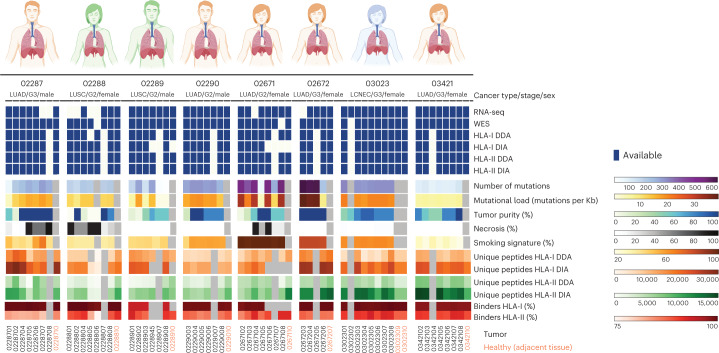
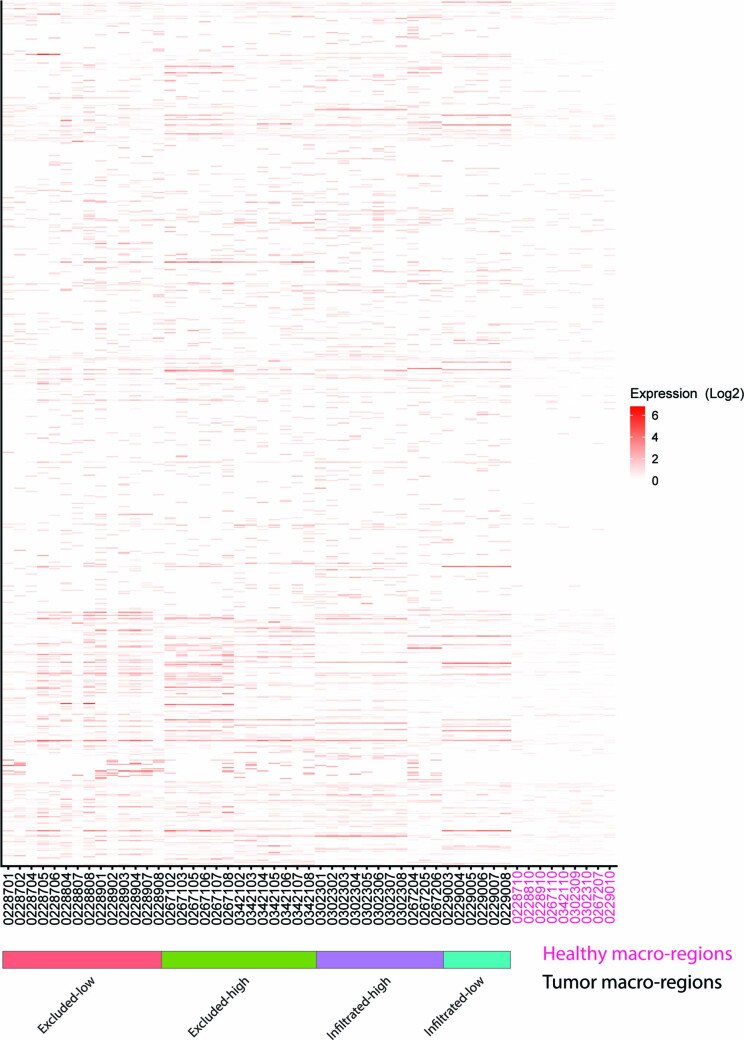
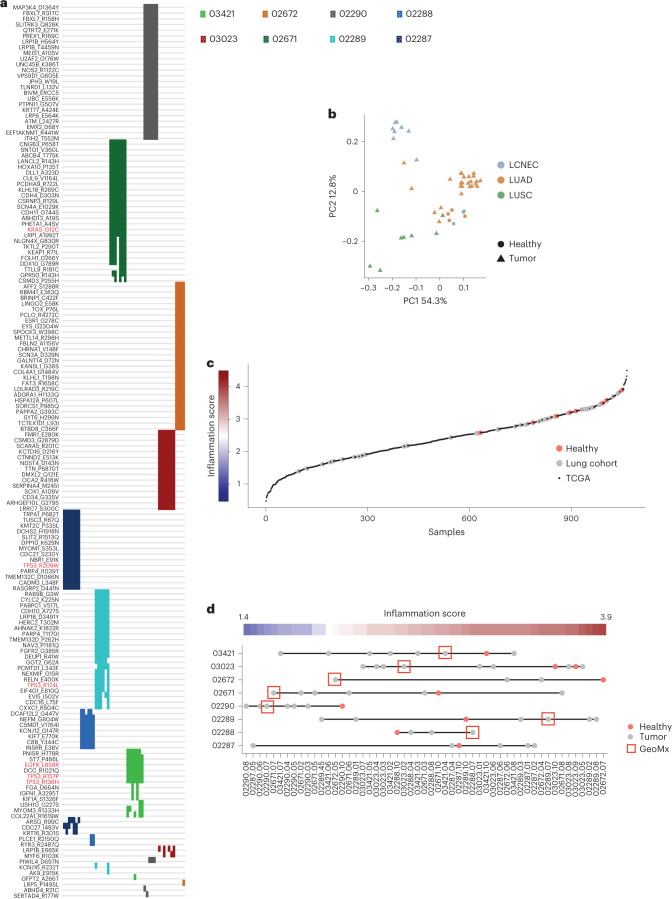
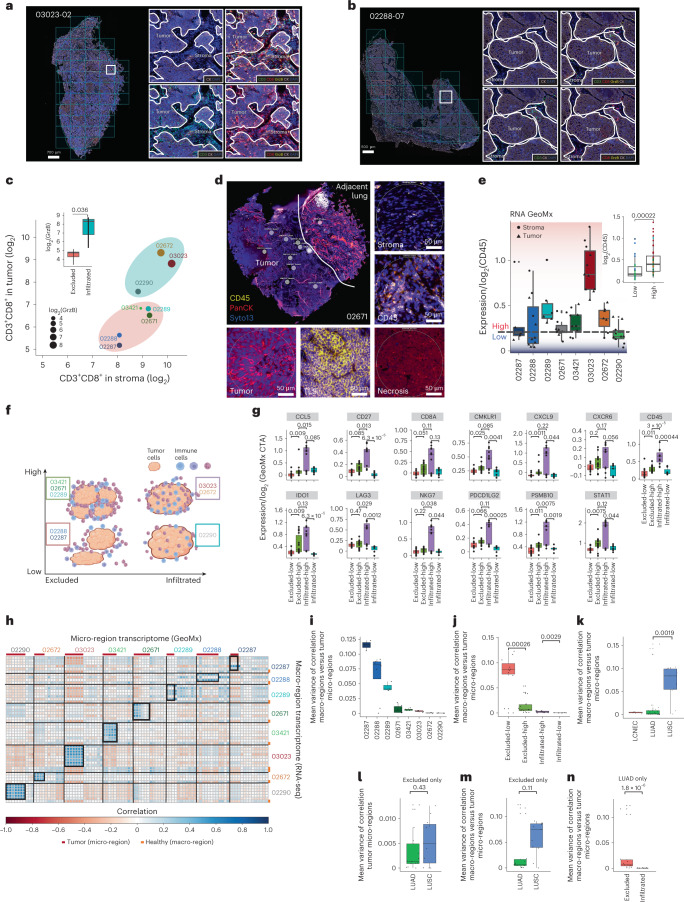
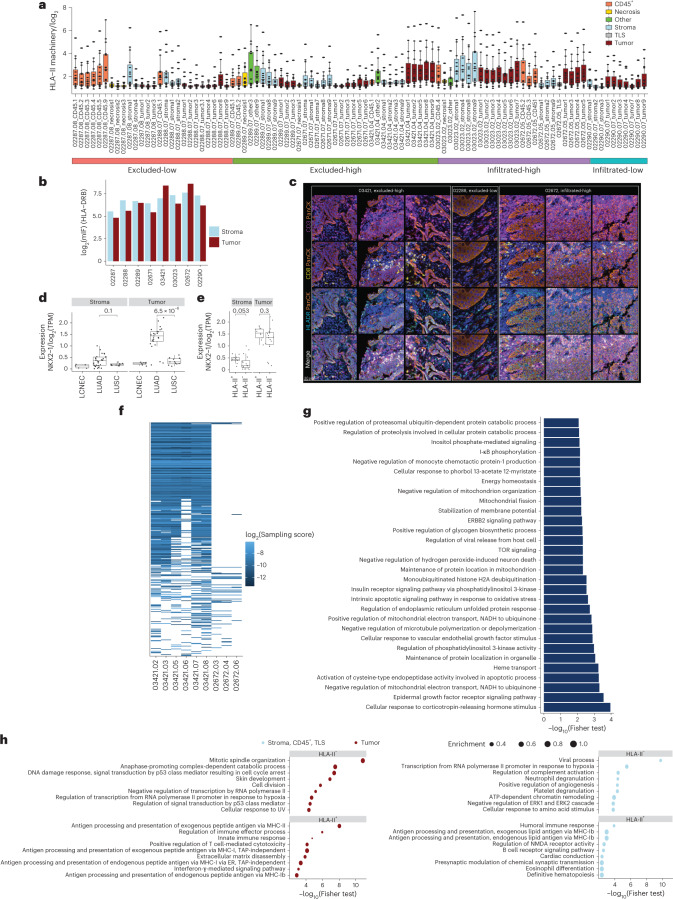
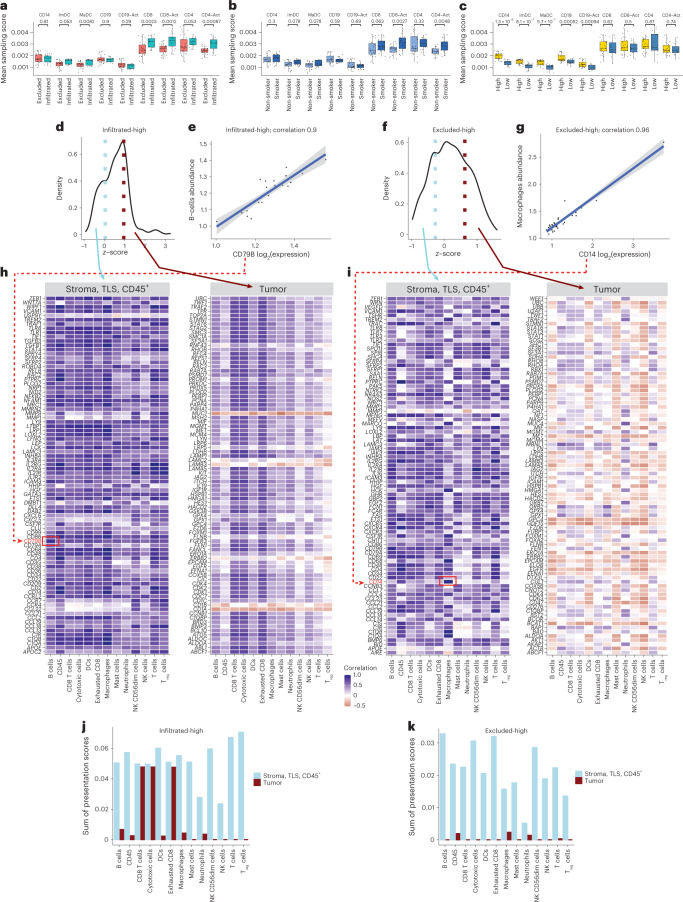
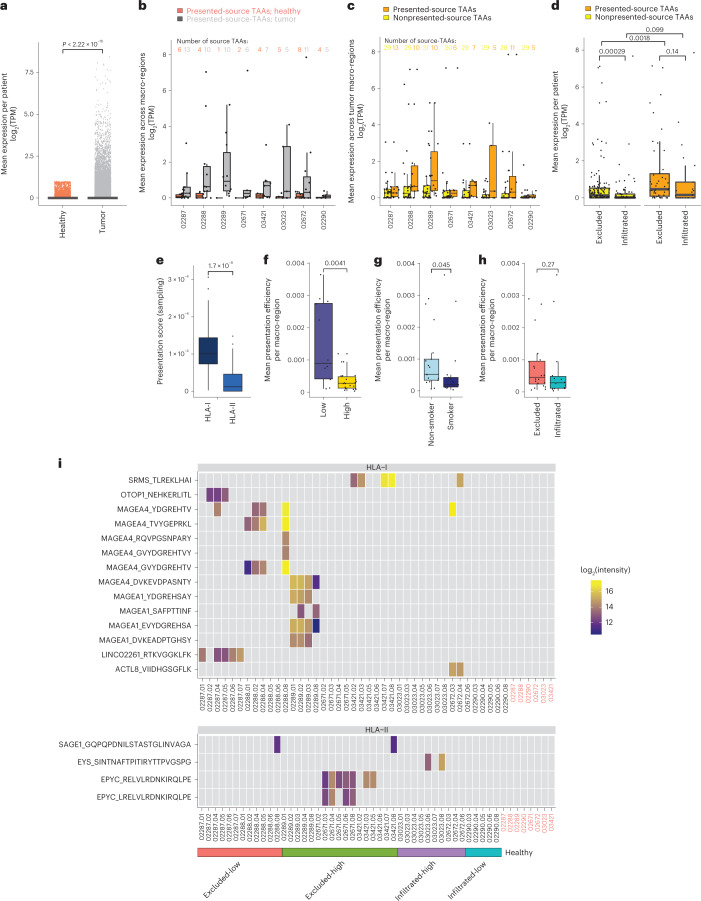
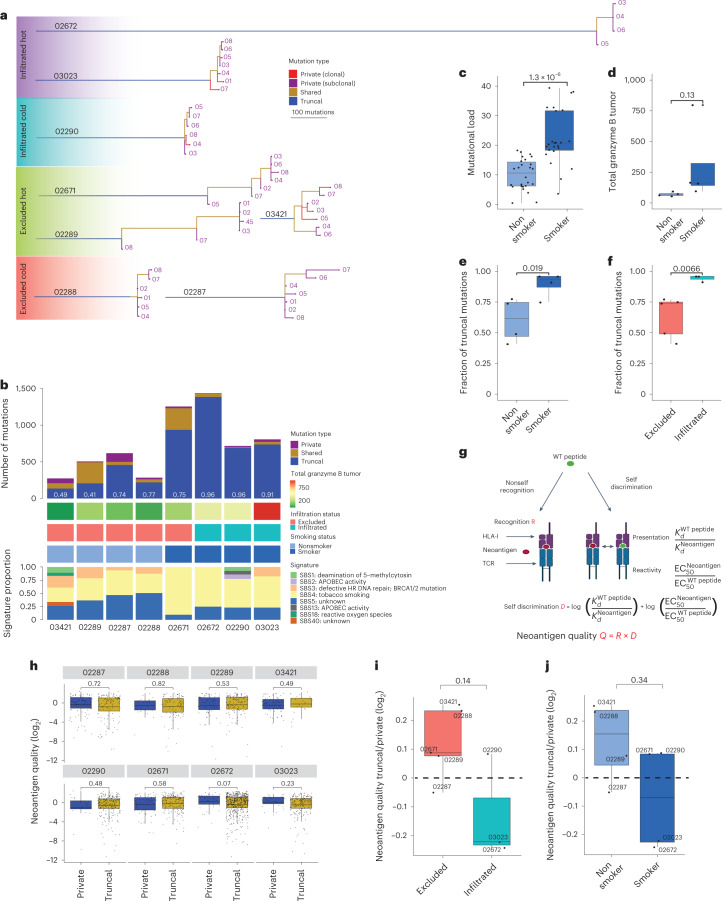
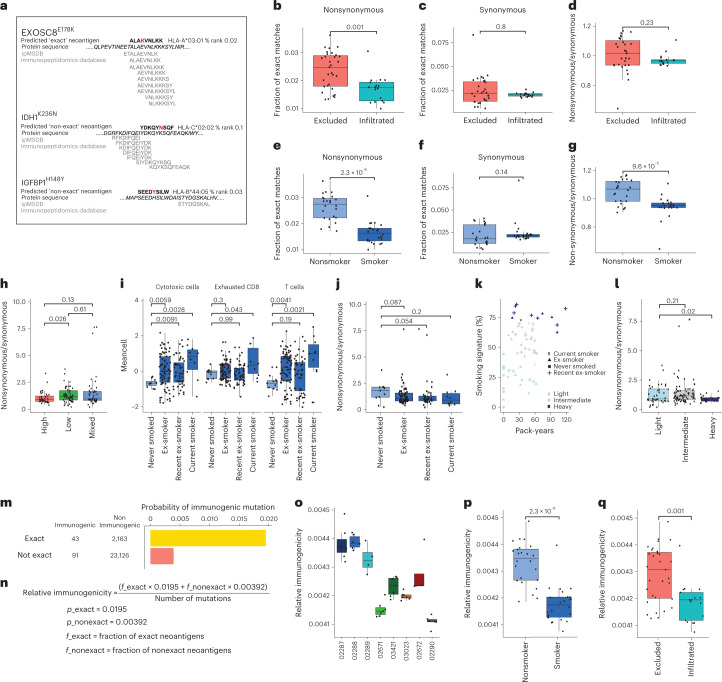
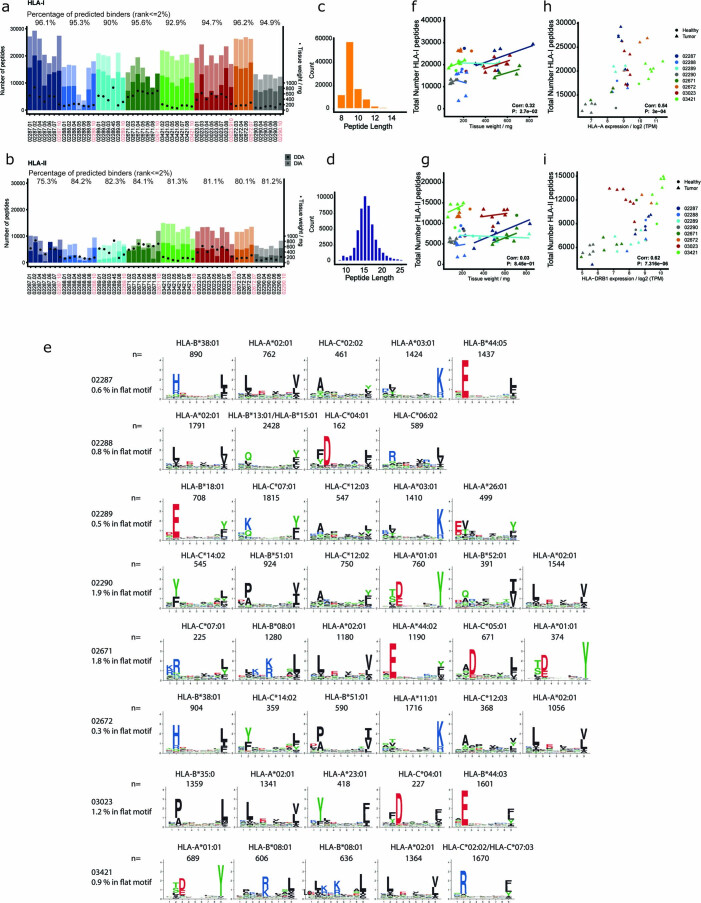
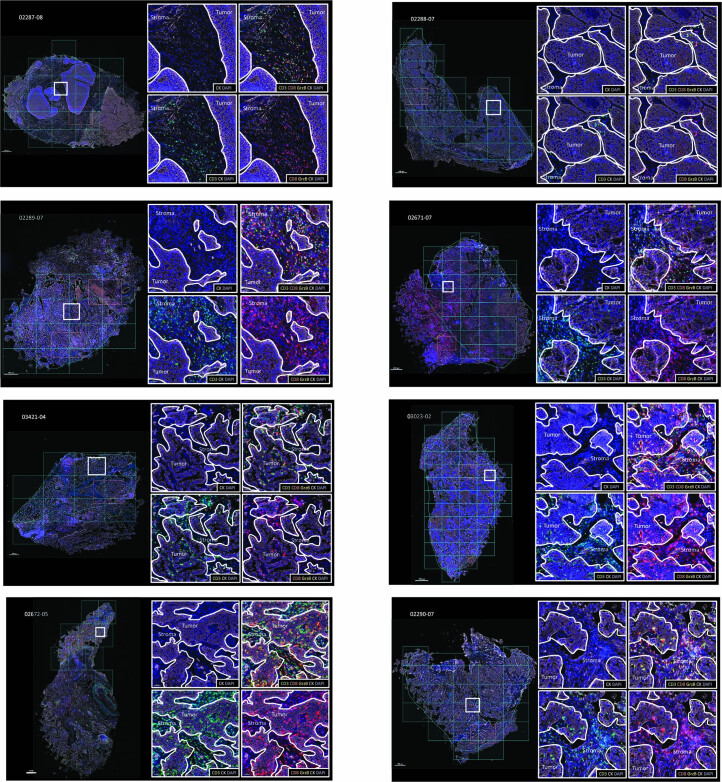
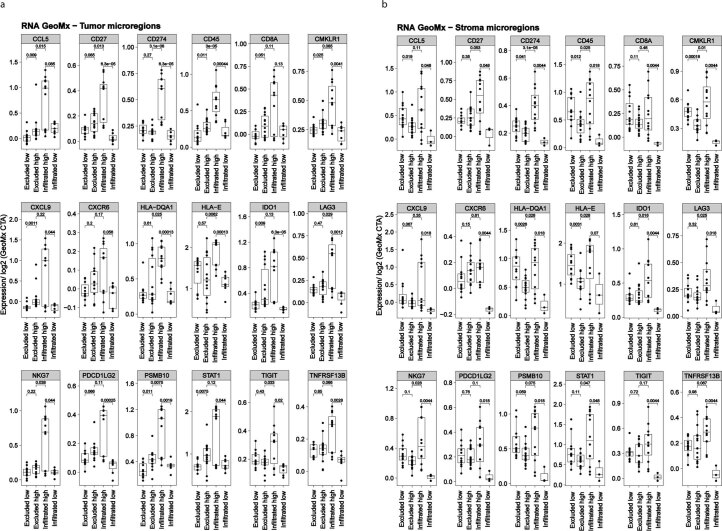
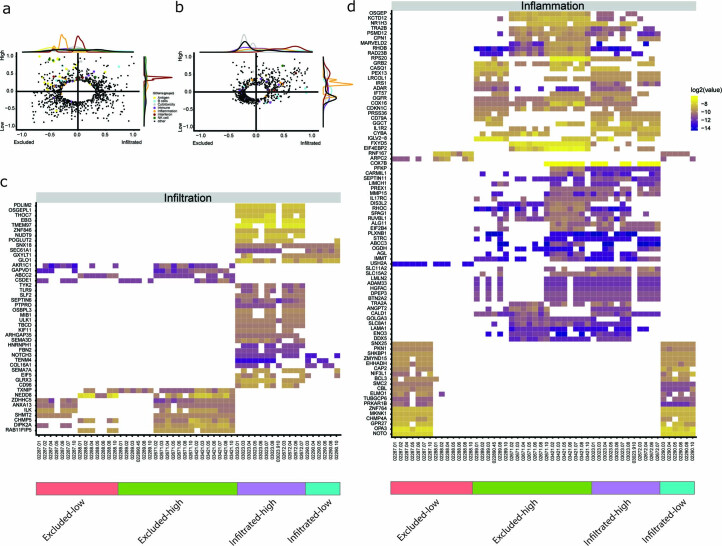
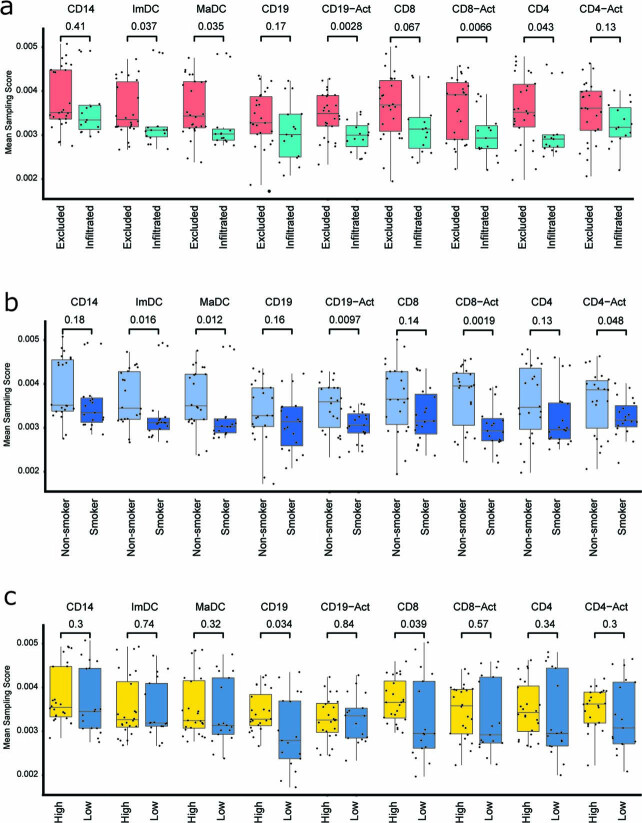
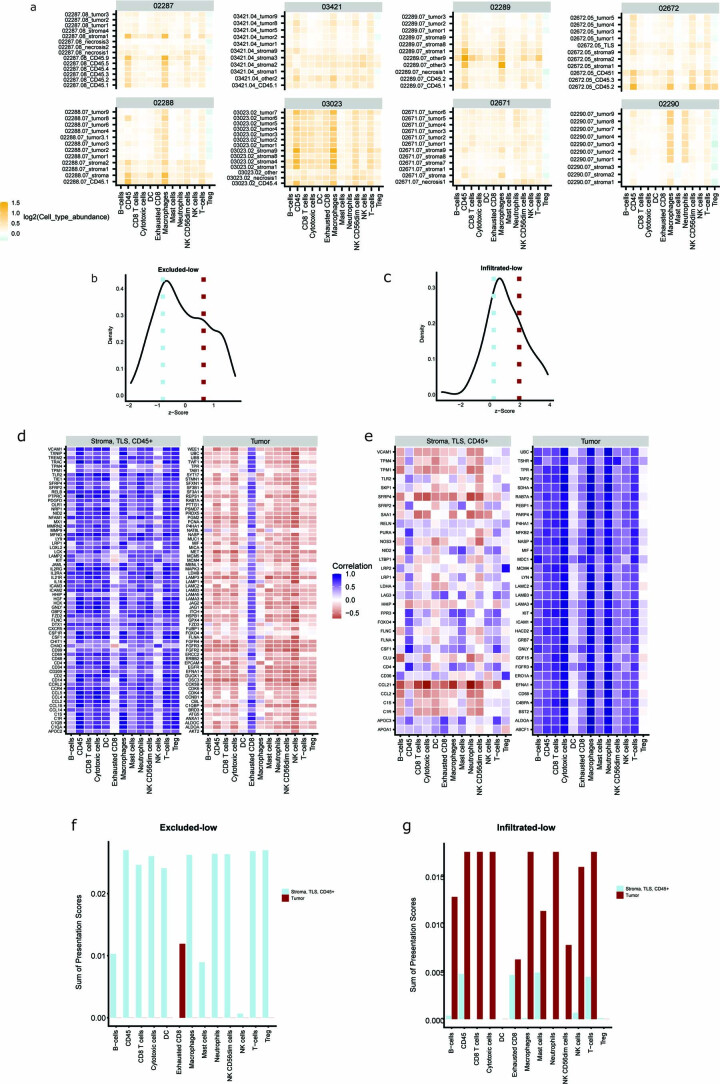
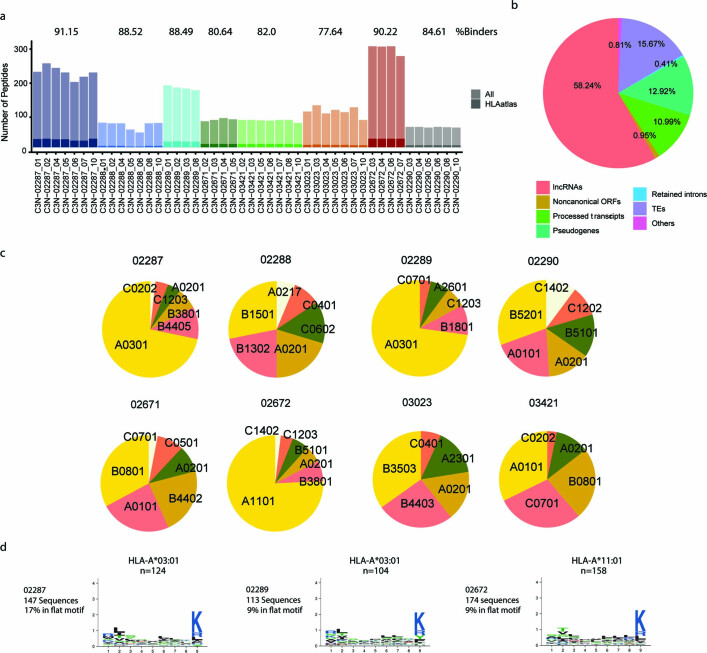
One key barrier to improving efficacy of personalized cancer immunotherapies that are dependent on the tumor antigenic landscape remains patient stratification. Although patients with CD3CD8 T cell-inflamed tumors typically show better response to immune checkpoint inhibitors, it is still unknown whether the immunopeptidome repertoire presented in highly inflamed and noninflamed tumors is substantially different. We surveyed 61 tumor regions and adjacent nonmalignant lung tissues from 8 patients with lung cancer and performed deep antigen discovery combining immunopeptidomics, genomics, bulk and spatial transcriptomics, and explored the heterogeneous expression and presentation of tumor (neo)antigens. In the present study, we associated diverse immune cell populations with the immunopeptidome and found a relatively higher frequency of predicted neoantigens located within HLA-I presentation hotspots in CD3CD8 T cell-excluded tumors. We associated such neoantigens with immune recognition, supporting their involvement in immune editing. This could have implications for the choice of combination therapies tailored to the patient's mutanome and immune microenvironment.
提高依赖肿瘤抗原景观的个性化癌症免疫疗法疗效的一个关键障碍仍然是患者分层。虽然 CD3CD8 T 细胞浸润的肿瘤患者通常对免疫检查点抑制剂有更好的反应,但仍不清楚高度炎症和非炎症肿瘤中呈现的免疫肽组谱是否有很大的不同。我们调查了 8 名肺癌患者的 61 个肿瘤区域和相邻的非恶性肺组织,并结合免疫肽组学、基因组学、批量和空间转录组学进行了深度抗原发现,探索了肿瘤(新)抗原的异质性表达和呈现。在本研究中,我们将不同的免疫细胞群体与免疫肽组学相关联,发现 CD3CD8 T 细胞排除的肿瘤中,位于 HLA-I 呈递热点内的预测新抗原的频率相对较高。我们将这些新抗原与免疫识别相关联,支持它们参与免疫编辑。这可能对选择针对患者突变组和免疫微环境的定制联合治疗具有重要意义。