Tang Hongguang, Zhu Jianhua, Wang Yongliang, Zhang Jianjie, Zhou Jianwei, Chen Zhoumiao
Department of Thoracic Surgery, Xinchang County People's Hospital Affiliated to Wenzhou Medical University, Shaoxing, China.
Department of Thoracic Surgery, Sir Run Run Shaw Hospital, School of Medicine, Zhejiang University, Hangzhou, China.
J Thorac Dis. 2025 Apr 30;17(4):1888-1905. doi: 10.21037/jtd-24-1083. Epub 2025 Apr 28.
Several studies have shown that glucocorticoid-related genes (GCGs) play a crucial role in cancer. However, the mechanism of GCGs in lung adenocarcinoma (LUAD) is not fully understood. This study aimed to identify distinct subtypes of LUAD by integrating GCGs and to develop prognostic models for precise prognosis prediction and immunotherapy guidance.
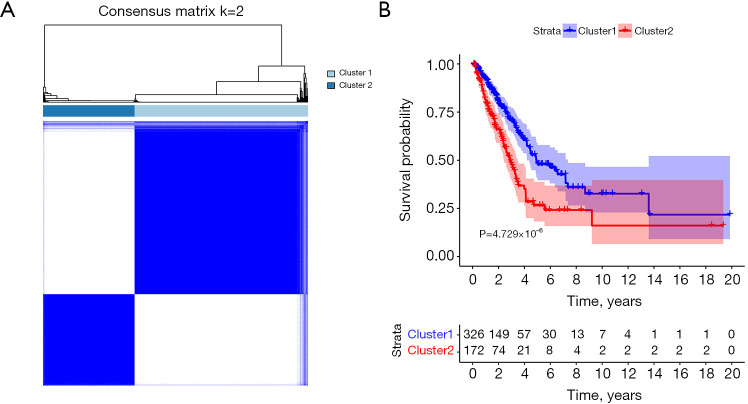
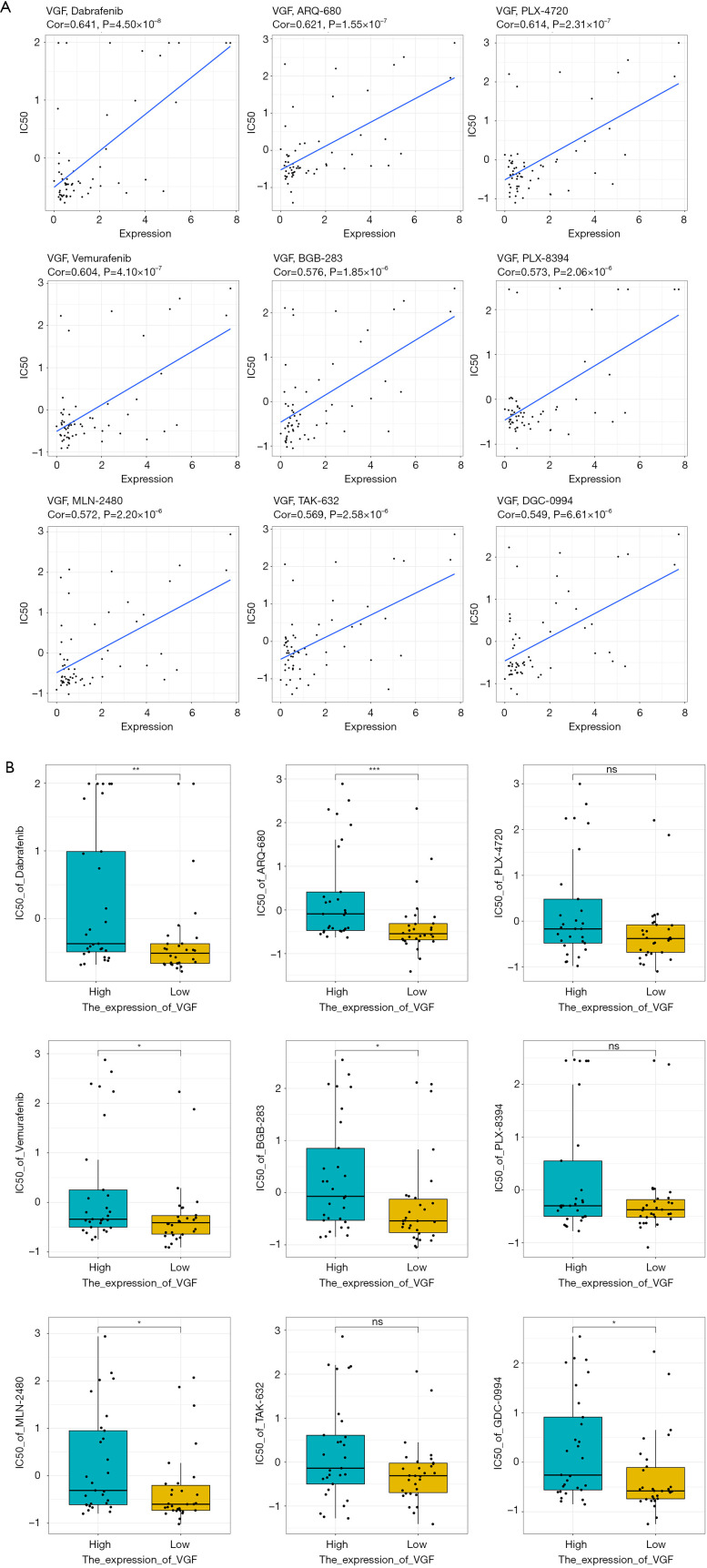
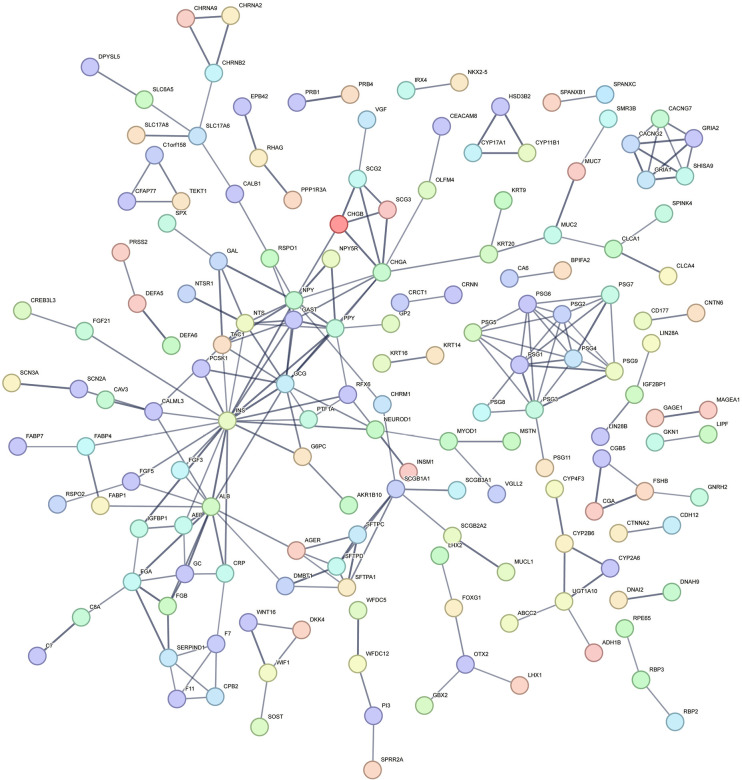
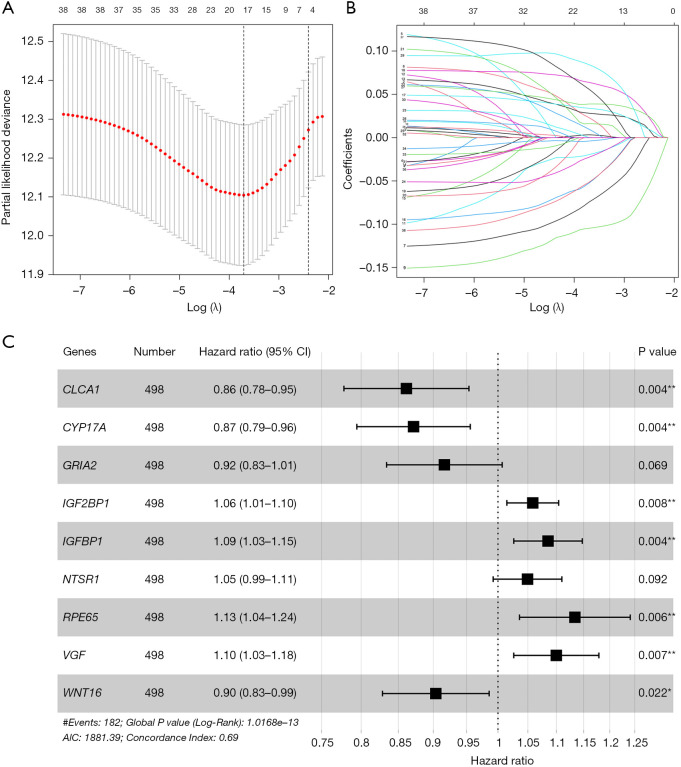
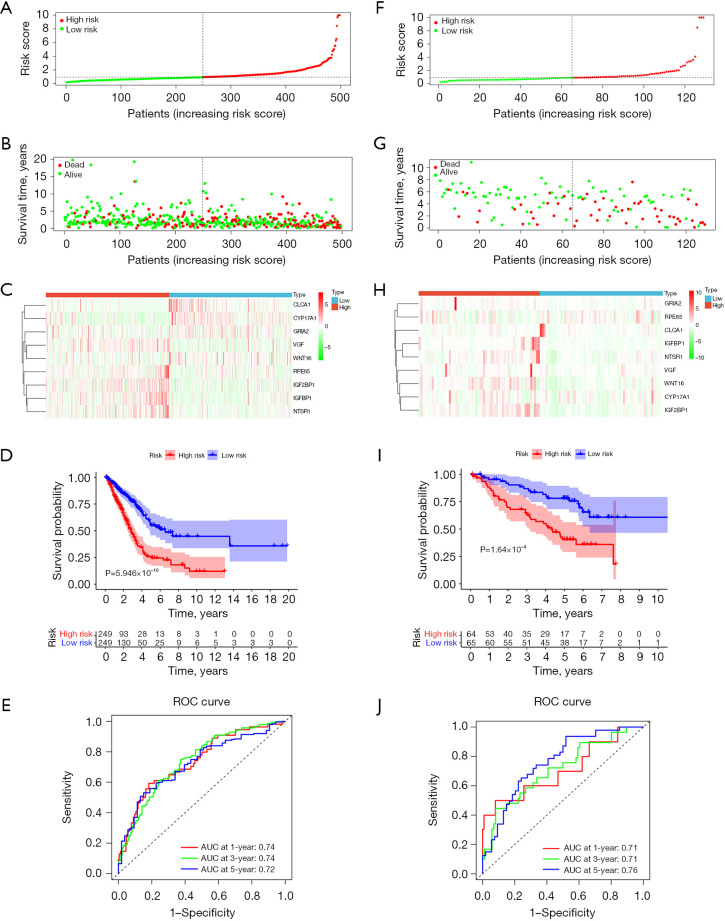
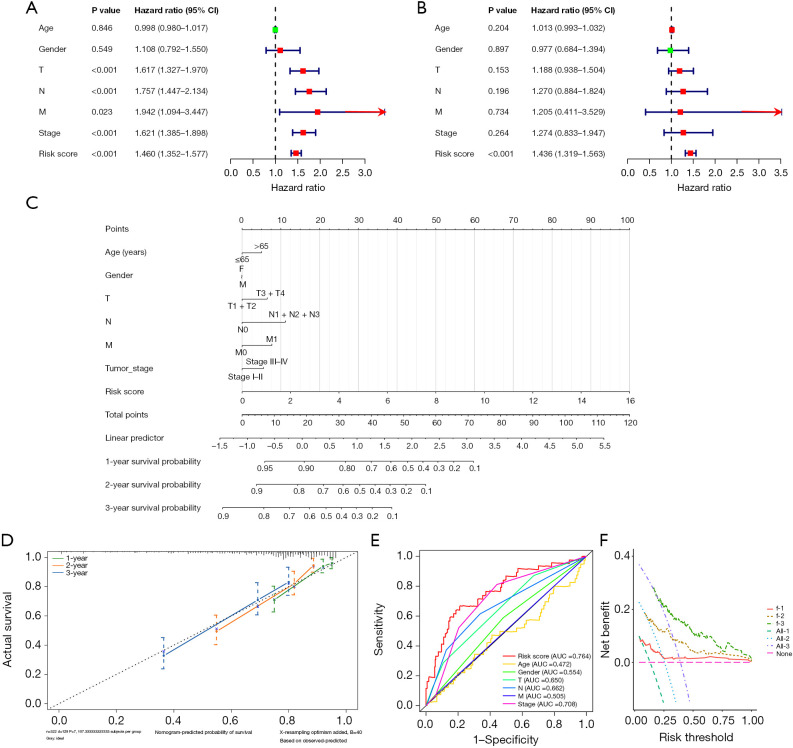
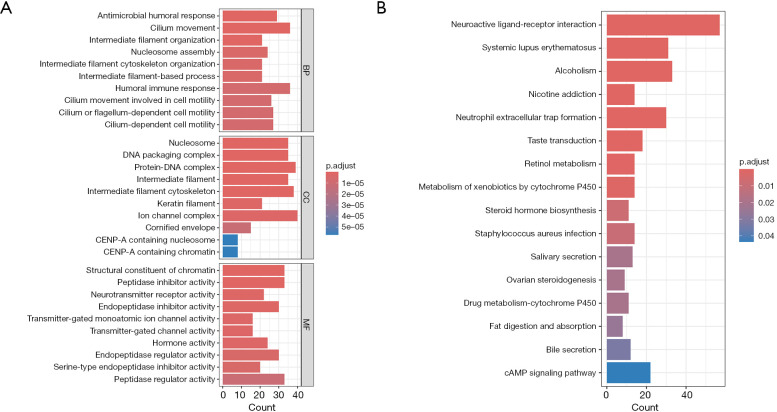
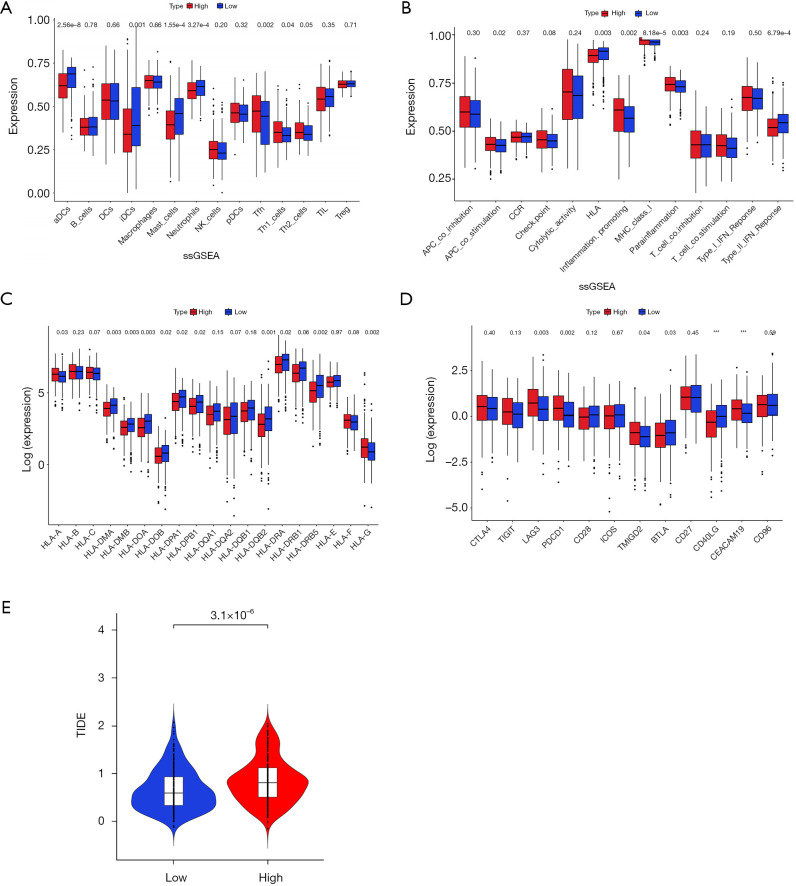
In this study, sample data of LUAD were collected from The Cancer Genome Atlas (TCGA) database, and unsupervised clustering was used to identify LUAD subtypes with different GCGs characteristics. Survival-related genes were screened by differential expression analysis and protein-protein interaction (PPI) network analysis. After that, the least absolute shrinkage and selection operator (LASSO) combined with Cox regression analysis was used to establish the prognosis model. Differences in the immune microenvironment of different risk groups were analyzed, and Tumor Immune Dysfunction and Exclusion (TIDE) was used to predict the response of patients to immunotherapy. Finally, the CellMiner database was used to predict potential drugs.
Two subtypes of LUAD were identified, namely cluster 1 (high survival rate) and cluster 2 (low survival rate). A prognostic model was constructed based on 9 characteristic genes, including , , , , , , , , and , and the prognosis of LUAD patients was positively predicted. There were differences in the immune microenvironment of different risk LUAD patients, and high-risk LUAD patients may benefit less from immunotherapy. BGB-283 was a candidate for LUAD targeting VGF.
Our study elucidates the impact of GCGs on LUAD prognosis and immune responses, offering insights for prognostic forecasting and immunotherapeutic strategies for LUAD patients.
多项研究表明,糖皮质激素相关基因(GCGs)在癌症中起关键作用。然而,GCGs在肺腺癌(LUAD)中的作用机制尚未完全明确。本研究旨在通过整合GCGs来识别LUAD的不同亚型,并开发用于精确预后预测和免疫治疗指导的预后模型。
在本研究中,从癌症基因组图谱(TCGA)数据库收集LUAD的样本数据,并使用无监督聚类来识别具有不同GCGs特征的LUAD亚型。通过差异表达分析和蛋白质-蛋白质相互作用(PPI)网络分析筛选与生存相关的基因。之后,使用最小绝对收缩和选择算子(LASSO)结合Cox回归分析建立预后模型。分析不同风险组免疫微环境的差异,并使用肿瘤免疫功能障碍和排除(TIDE)来预测患者对免疫治疗的反应。最后,使用CellMiner数据库预测潜在药物。
识别出LUAD的两个亚型,即簇1(高生存率)和簇2(低生存率)。基于9个特征基因构建了预后模型,包括 、 、 、 、 、 、 、 和 ,并对LUAD患者的预后进行了正向预测。不同风险的LUAD患者免疫微环境存在差异,高危LUAD患者可能从免疫治疗中获益较少。BGB-283是靶向VGF的LUAD候选药物。
我们的研究阐明了GCGs对LUAD预后和免疫反应的影响,为LUAD患者的预后预测和免疫治疗策略提供了见解。