Department of Cell Biology and Biochemistry, Texas Tech University Health Sciences Center, Lubbock, TX, 79430, USA.
Programa de Estudio y Control de Enfermedades Tropicales, Universidad de Antioquia. Medellín, Medellín, 050010, Colombia.
Nat Commun. 2023 May 5;14(1):2605. doi: 10.1038/s41467-023-38221-1.
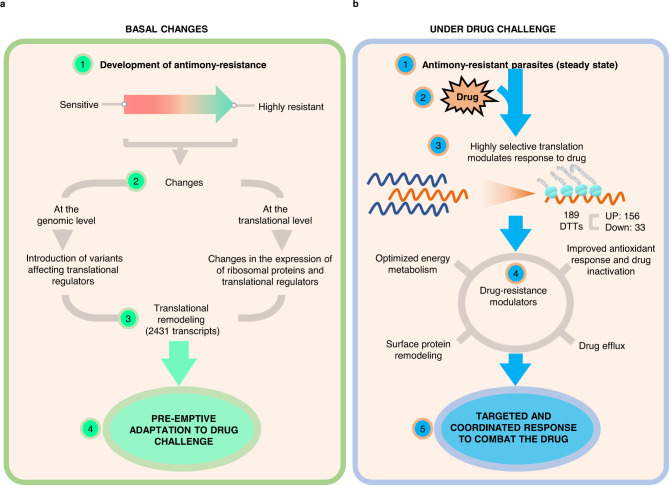
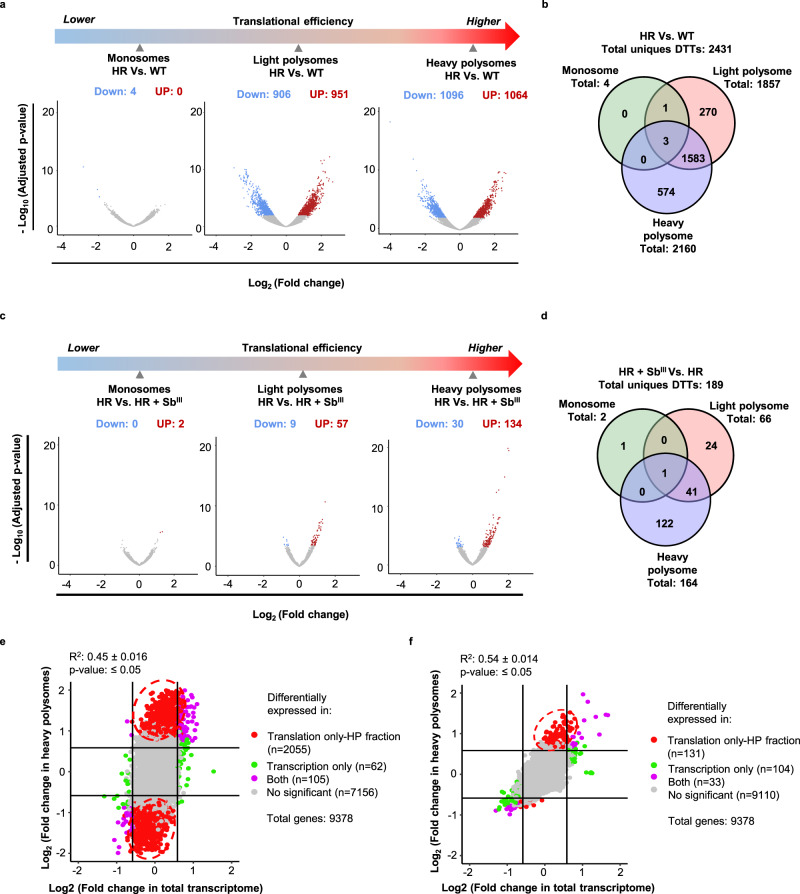
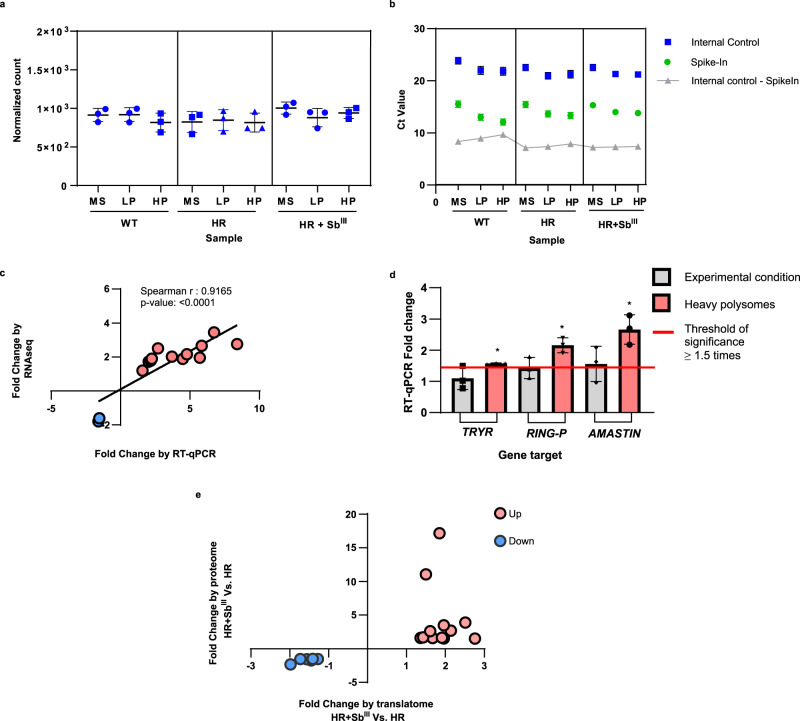
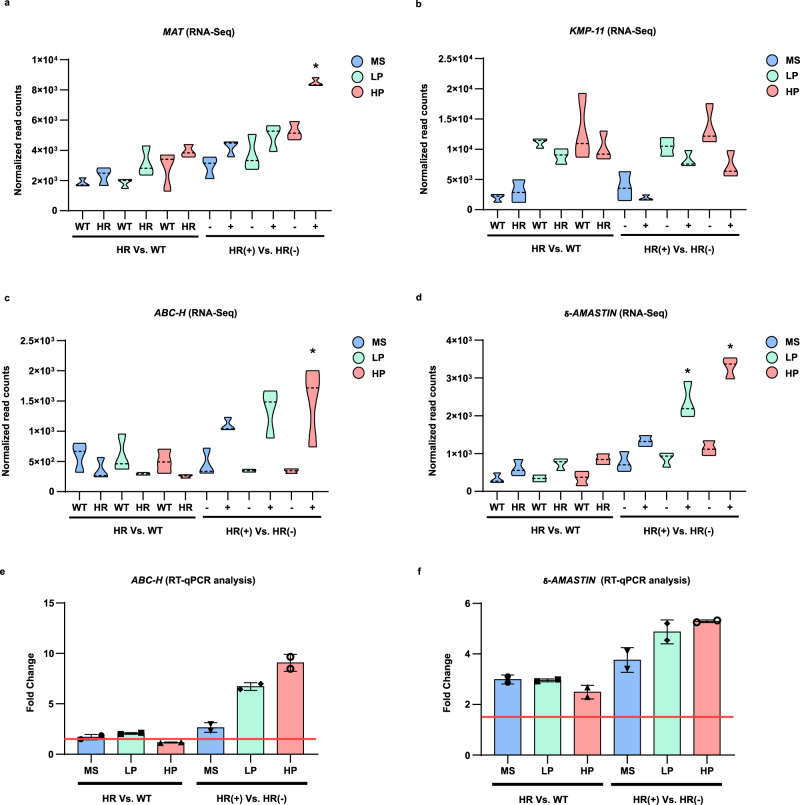
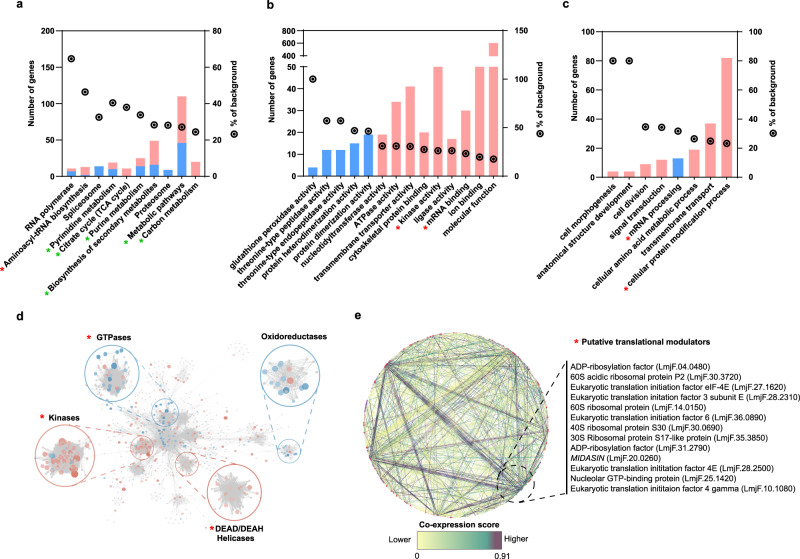
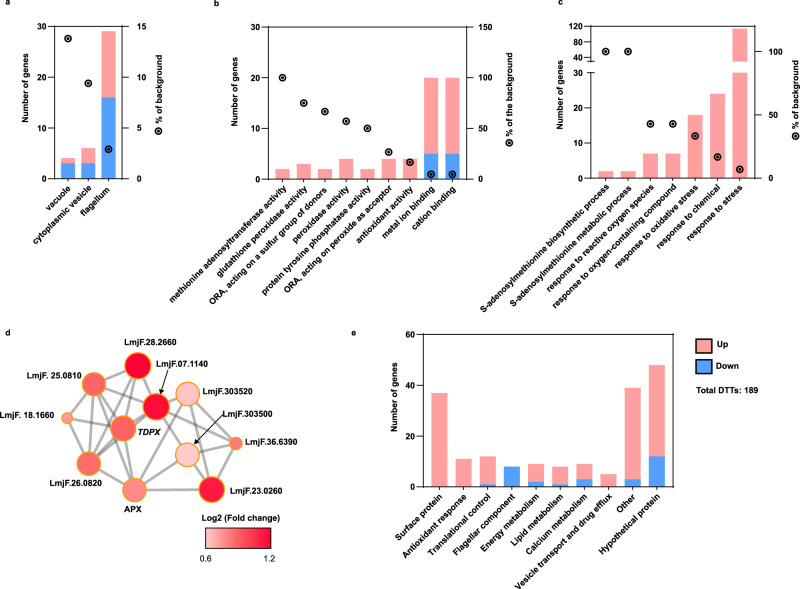
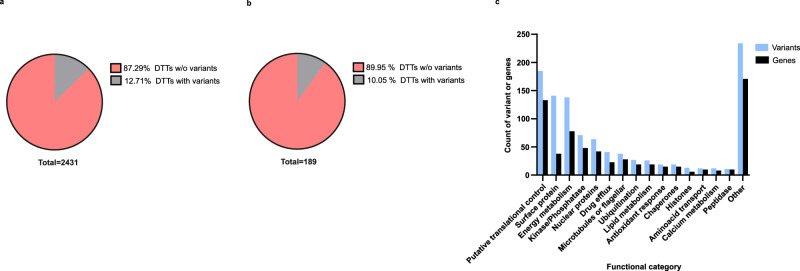
Leishmania is a unicellular protozoan that has a limited transcriptional control and mostly uses post-transcriptional regulation of gene expression, although the molecular mechanisms of the process are still poorly understood. Treatments of leishmaniasis, pathologies associated with Leishmania infections, are limited due to drug resistance. Here, we report dramatic differences in mRNA translation in antimony drug-resistant and sensitive strains at the full translatome level. The major differences (2431 differentially translated transcripts) were demonstrated in the absence of the drug pressure supporting that complex preemptive adaptations are needed to efficiently compensate for the loss of biological fitness once they are exposed to the antimony. In contrast, drug-resistant parasites exposed to antimony activated a highly selective translation of only 156 transcripts. This selective mRNA translation is associated with surface protein rearrangement, optimized energy metabolism, amastins upregulation, and improved antioxidant response. We propose a novel model that establishes translational control as a major driver of antimony-resistant phenotypes in Leishmania.
利什曼原虫是一种单细胞原生动物,其转录控制有限,主要通过基因表达的转录后调控,尽管该过程的分子机制仍知之甚少。由于耐药性,利什曼病(与利什曼虫感染相关的病理学)的治疗方法受到限制。在这里,我们在全翻译组水平上报告了抗锑药物耐药和敏感株之间 mRNA 翻译的显著差异。在没有药物压力的情况下,主要差异(2431 个差异翻译的转录本)被证明存在,这表明一旦接触到锑,就需要复杂的预先适应来有效地补偿生物适应性的丧失。相比之下,暴露于锑的耐药寄生虫仅激活了 156 个转录本的高度选择性翻译。这种选择性的 mRNA 翻译与表面蛋白重排、优化的能量代谢、阿米斯汀上调和改善的抗氧化反应有关。我们提出了一个新的模型,该模型将翻译控制确立为利什曼虫中抗锑表型的主要驱动因素。