Institute for Medical Engineering and Science (IMES), Department of Chemistry, and Koch Institute for Integrative Cancer Research, Massachusetts Institute of Technology, Massachusetts, USA.
The Ragon Institute of Massachusetts General Hospital, Massachusetts Institute of Technology and Harvard University, 400 Technology Square, Cambridge, Massachusetts, USA.
Hepatology. 2023 Nov 1;78(5):1525-1541. doi: 10.1097/HEP.0000000000000438. Epub 2023 May 10.
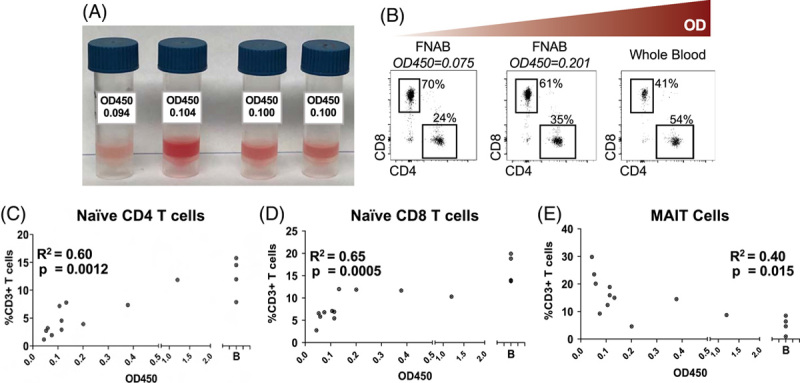
HBV infection is restricted to the liver, where it drives exhaustion of virus-specific T and B cells and pathogenesis through dysregulation of intrahepatic immunity. Our understanding of liver-specific events related to viral control and liver damage has relied almost solely on animal models, and we lack useable peripheral biomarkers to quantify intrahepatic immune activation beyond cytokine measurement. Our objective was to overcome the practical obstacles of liver sampling using fine-needle aspiration and develop an optimized workflow to comprehensively compare the blood and liver compartments within patients with chronic hepatitis B using single-cell RNA sequencing.
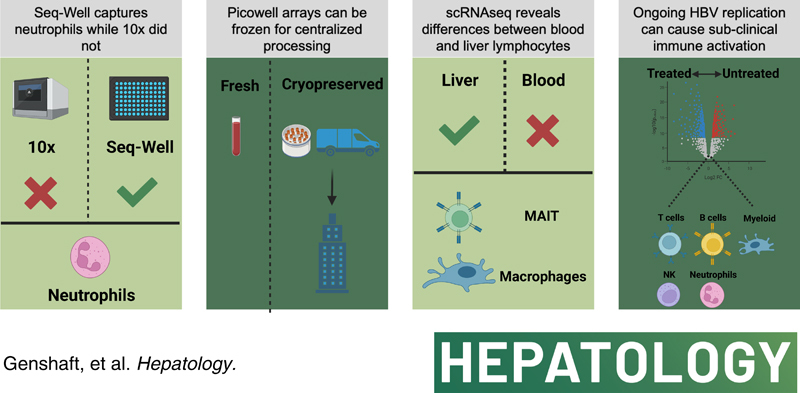
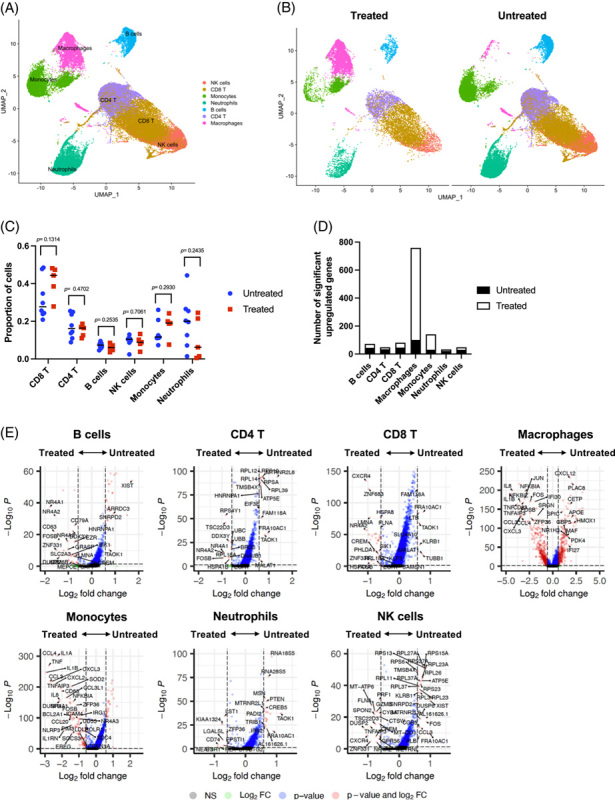
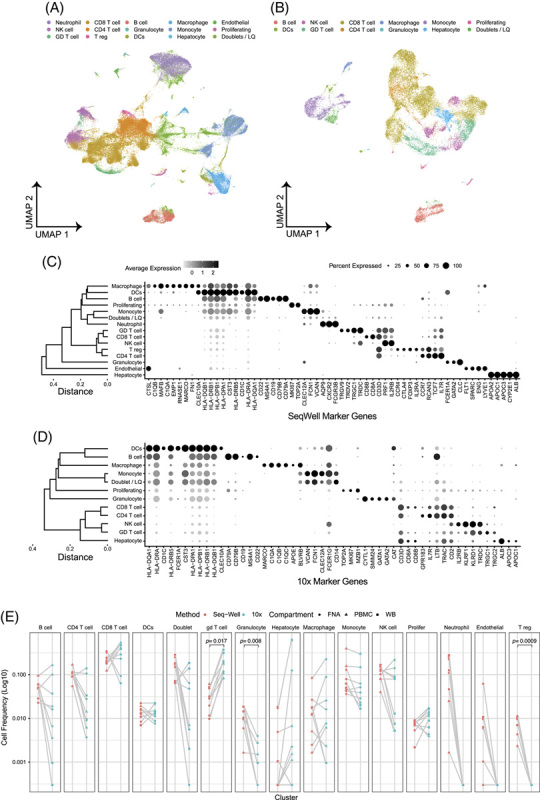
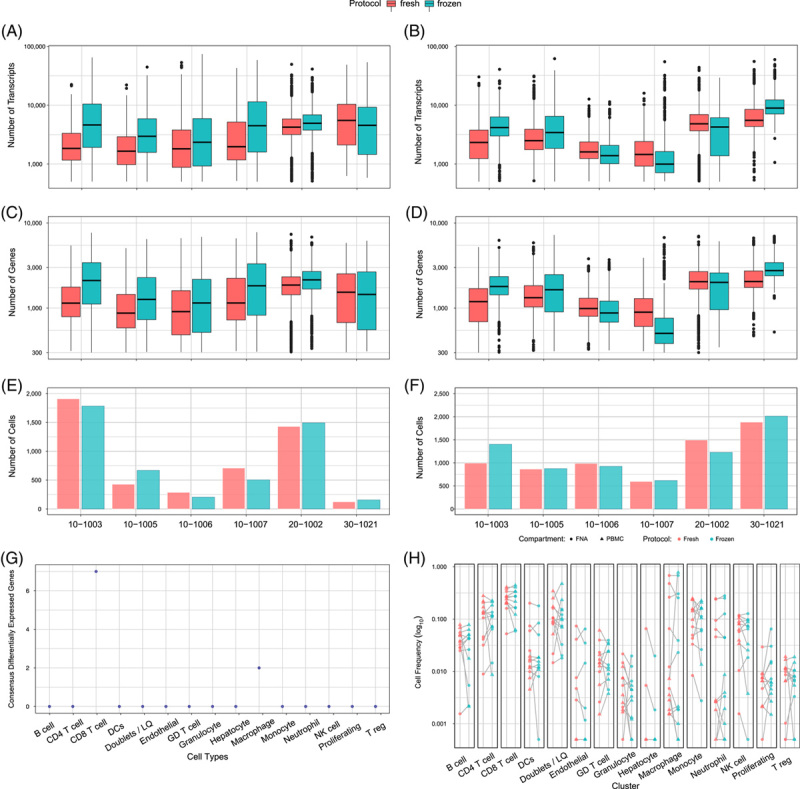
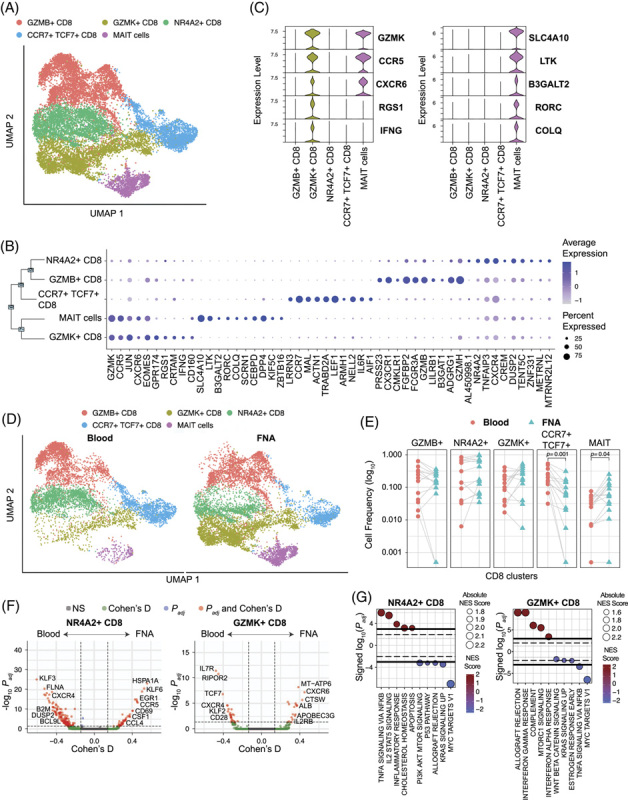
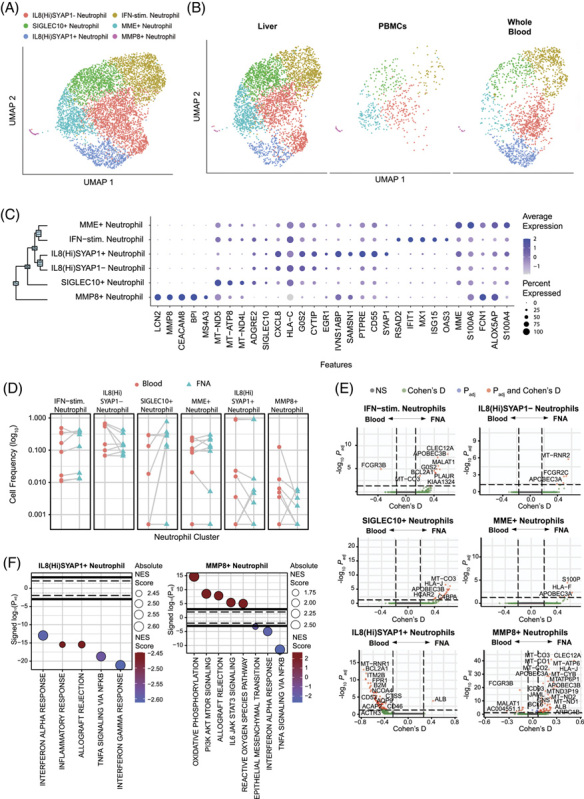
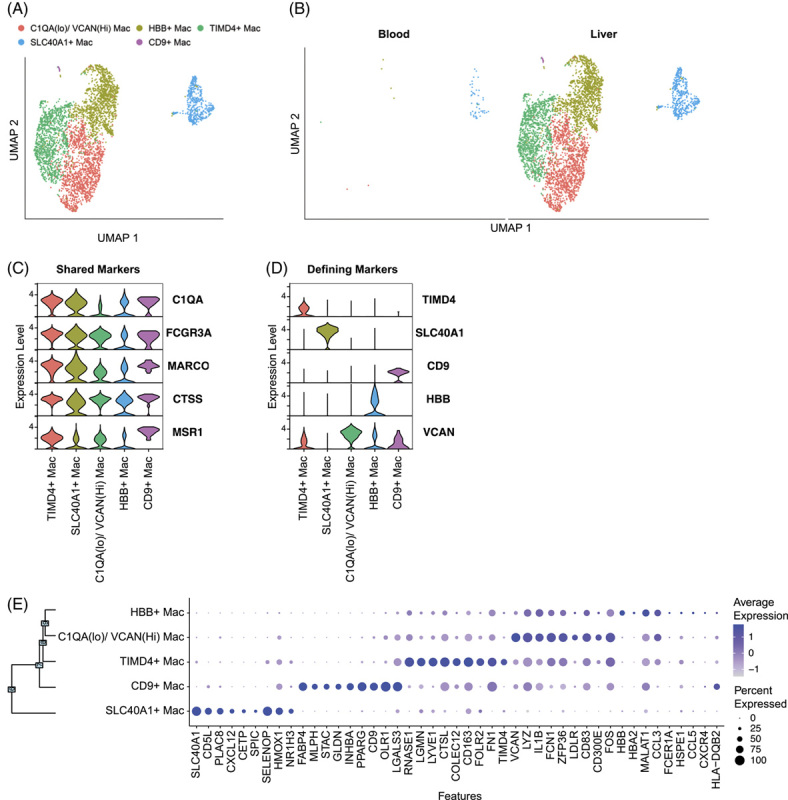
We developed a workflow that enabled multi-site international studies and centralized single-cell RNA sequencing. Blood and liver fine-needle aspirations were collected, and cellular and molecular captures were compared between the Seq-Well S 3 picowell-based and the 10× Chromium reverse-emulsion droplet-based single-cell RNA sequencing technologies. Both technologies captured the cellular diversity of the liver, but Seq-Well S 3 effectively captured neutrophils, which were absent in the 10× dataset. CD8 T cells and neutrophils displayed distinct transcriptional profiles between blood and liver. In addition, liver fine-needle aspirations captured a heterogeneous liver macrophage population. Comparison between untreated patients with chronic hepatitis B and patients treated with nucleoside analogs showed that myeloid cells were highly sensitive to environmental changes while lymphocytes displayed minimal differences.
The ability to electively sample and intensively profile the immune landscape of the liver, and generate high-resolution data, will enable multi-site clinical studies to identify biomarkers for intrahepatic immune activity in HBV and beyond.
HBV 感染仅限于肝脏,它通过失调的肝内免疫导致病毒特异性 T 和 B 细胞耗竭和发病机制。我们对与病毒控制和肝损伤相关的肝脏特异性事件的理解几乎完全依赖于动物模型,并且我们缺乏可用的外周生物标志物来量化肝内免疫激活,而不仅仅是细胞因子测量。我们的目标是克服使用细针穿刺进行肝取样的实际障碍,并开发一种优化的工作流程,使用单细胞 RNA 测序全面比较慢性乙型肝炎患者的血液和肝脏 compartments。
我们开发了一种工作流程,使多地点国际研究和集中单细胞 RNA 测序成为可能。采集血液和肝脏细针穿刺,并比较基于 Seq-Well S 3 picowell 的细胞和分子捕获与 10×Chromium 反向乳液液滴单细胞 RNA 测序技术。这两种技术都捕获了肝脏的细胞多样性,但 Seq-Well S 3 有效地捕获了中性粒细胞,而 10×数据集则没有。CD8 T 细胞和中性粒细胞在血液和肝脏之间显示出不同的转录谱。此外,肝脏细针穿刺术还捕获了异质的肝脏巨噬细胞群体。未经治疗的慢性乙型肝炎患者和接受核苷类似物治疗的患者之间的比较表明,髓样细胞对环境变化高度敏感,而淋巴细胞则显示出最小的差异。
选择性采样和深入分析肝脏免疫景观并生成高分辨率数据的能力将使多地点临床研究能够识别 HBV 及其他疾病的肝内免疫活性的生物标志物。