Zhang Xiaoling, Zhao Yongjuan, Zeng Yi, Zhang Chiyu
Shanghai Public Health Clinical Center, Fudan University, Shanghai 201508, China.
Diagnostics (Basel). 2023 Apr 24;13(9):1530. doi: 10.3390/diagnostics13091530.
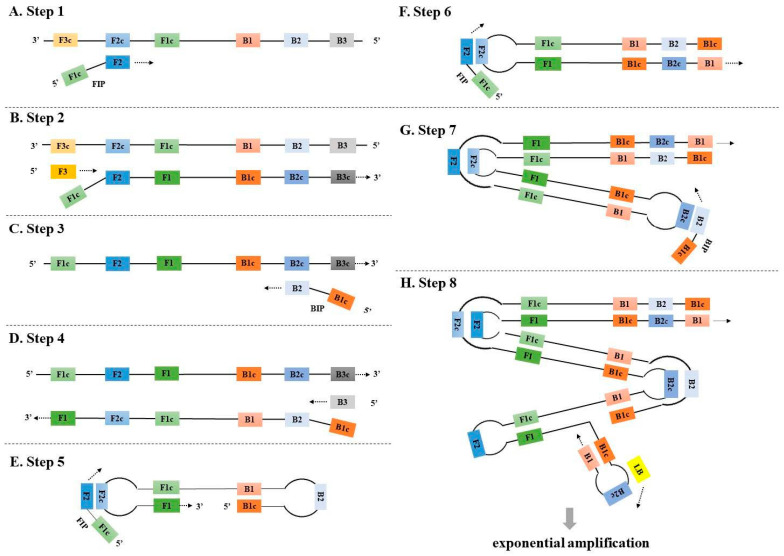
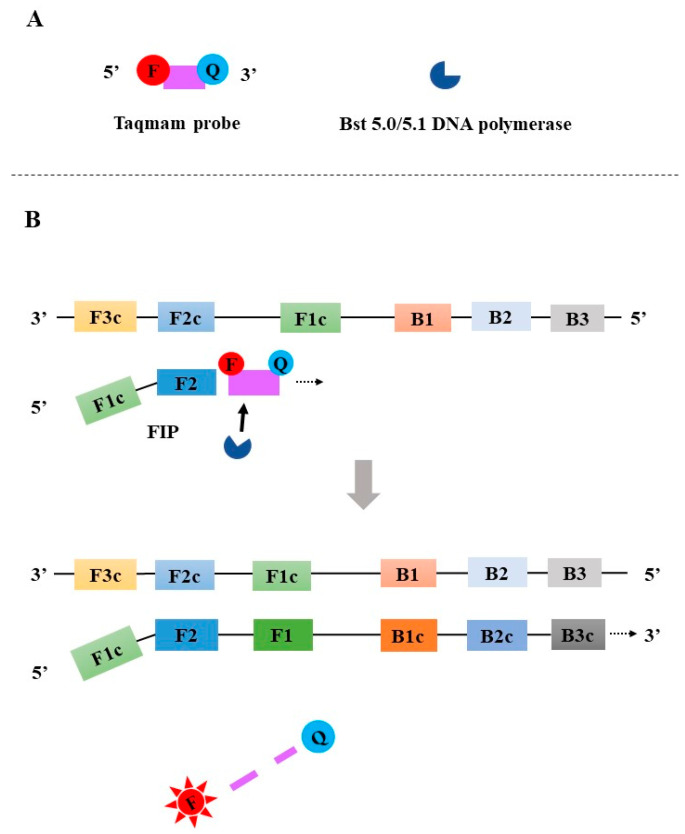
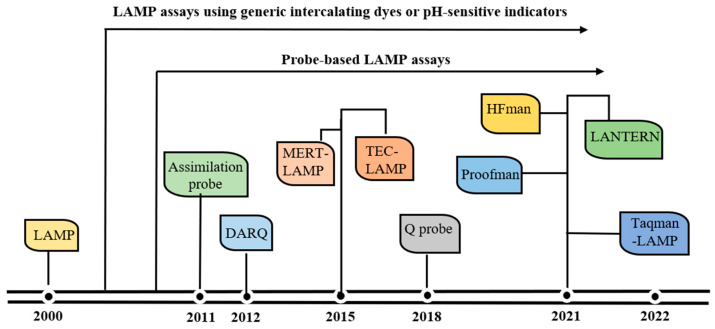
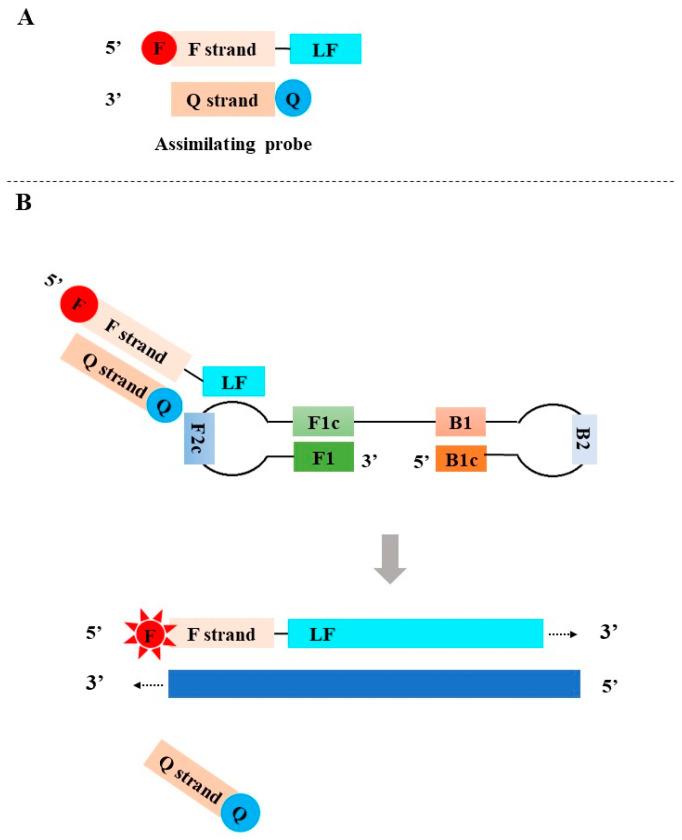
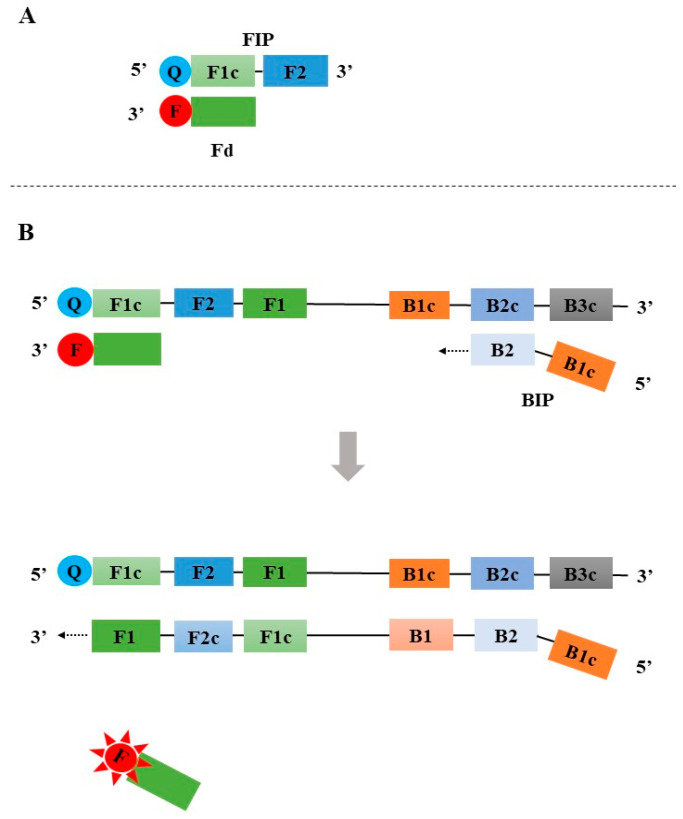
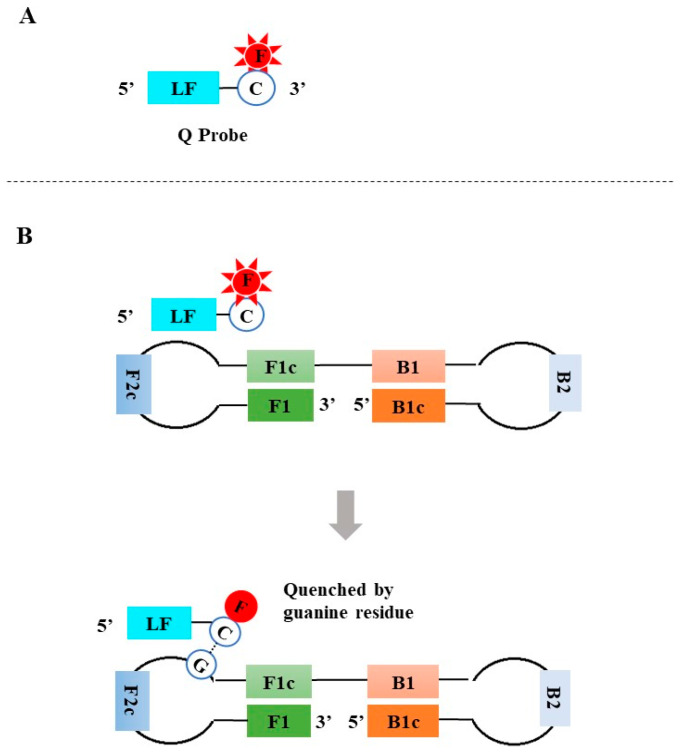
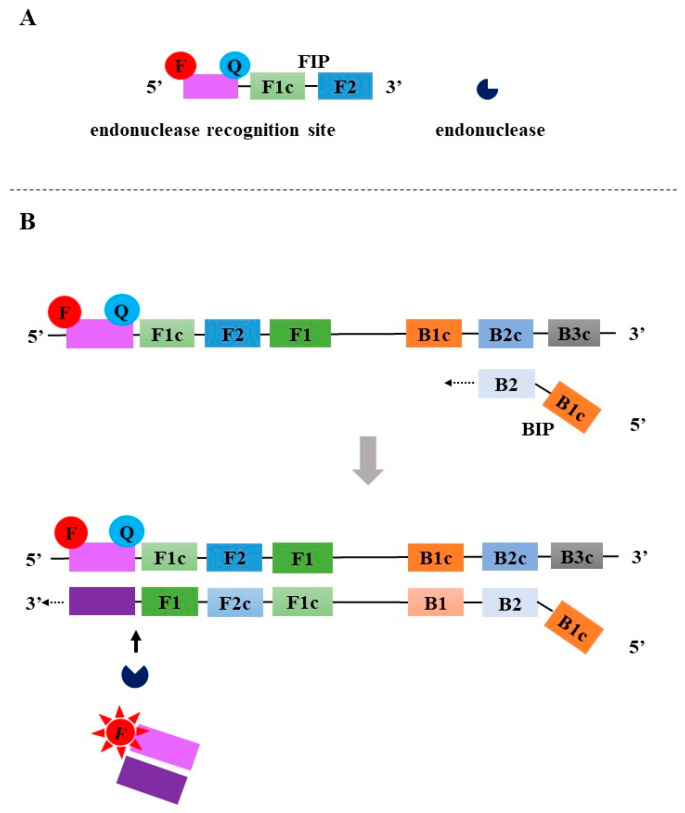
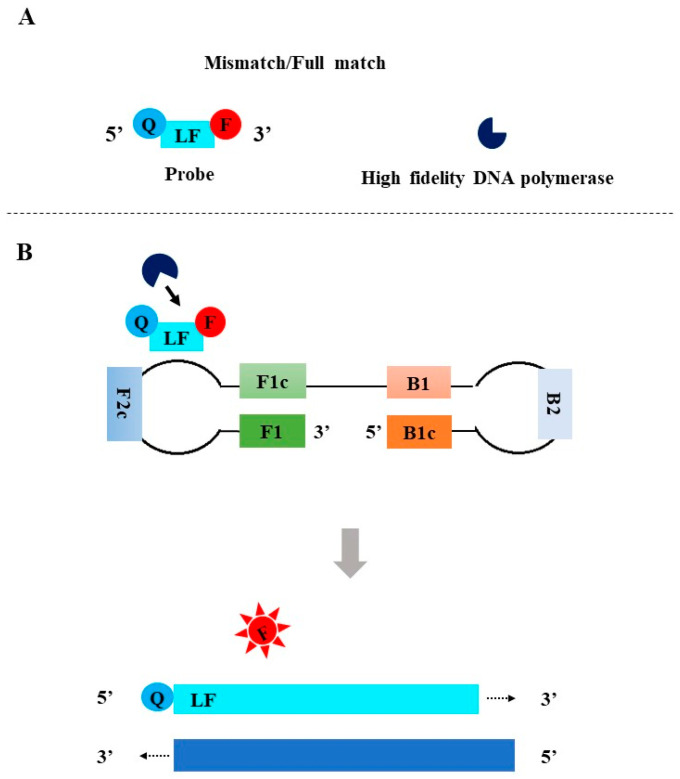
Loop-mediated isothermal amplification (LAMP), as the rank one alternative to a polymerase chain reaction (PCR), has been widely applied in point-of-care testing (POCT) due to its rapid, simple, and cost-effective characteristics. However, it is difficult to achieve real-time monitoring and multiplex detection with the traditional LAMP method. In addition, these approaches that use turbidimetry, sequence-independent intercalating dyes, or pH-sensitive indicators to indirectly reflect amplification can result in false-positive results if non-specific amplification occurs. To fulfill the needs of specific target detection and one-pot multiplex detection, a variety of probe-based LAMP assays have been developed. This review focuses on the principles of these assays, summarizes their applications in pathogen detection, and discusses their features and advantages over the traditional LAMP methods.
环介导等温扩增技术(LAMP)作为聚合酶链反应(PCR)的首要替代技术,凭借其快速、简便且经济高效的特点,已在即时检测(POCT)中得到广泛应用。然而,传统的LAMP方法难以实现实时监测和多重检测。此外,这些使用比浊法、非序列特异性嵌入染料或pH敏感指示剂来间接反映扩增情况的方法,如果发生非特异性扩增,可能会导致假阳性结果。为满足特定目标检测和一锅式多重检测的需求,已开发出多种基于探针的LAMP检测方法。本文综述聚焦于这些检测方法的原理,总结它们在病原体检测中的应用,并讨论它们相较于传统LAMP方法的特点和优势。