Lin Judy, Bellinger Ryan, Shedd Andrew, Wolfshohl Jon, Walker Jennifer, Healy Jack, Taylor Jimmy, Chao Kevin, Yen Yi-Hsuan, Tzeng Ching-Fang Tiffany, Chou Eric H
Department of Emergency Medicine, Baylor Scott & White All Saints Medical Center, Fort Worth, TX 76104, USA.
Burnett School of Medicine, Texas Christian University, Fort Worth, TX 76109, USA.
Diagnostics (Basel). 2023 Apr 25;13(9):1541. doi: 10.3390/diagnostics13091541.
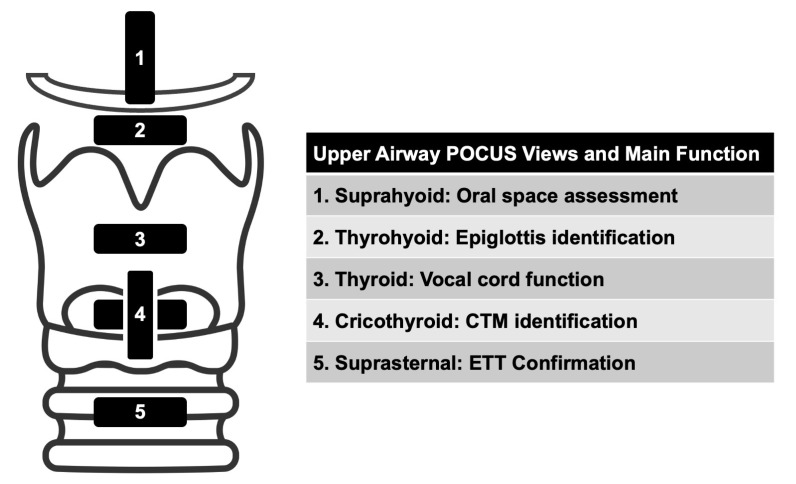
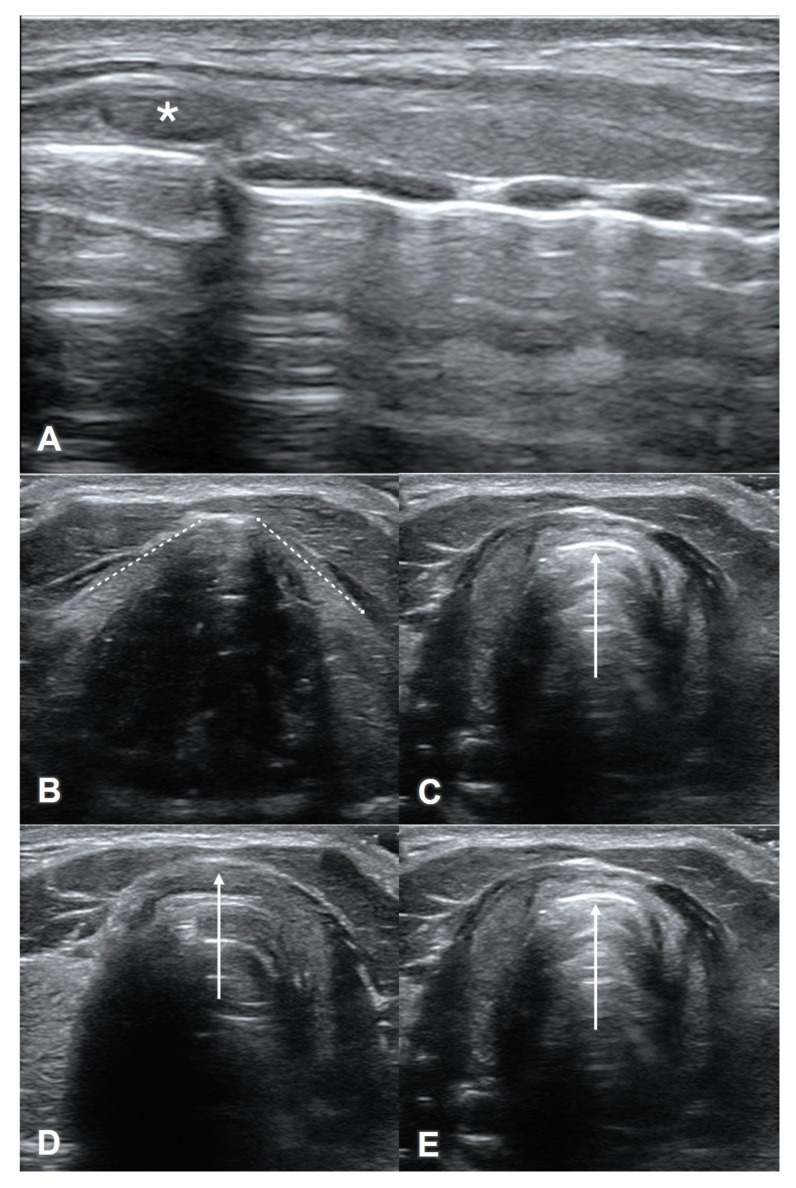
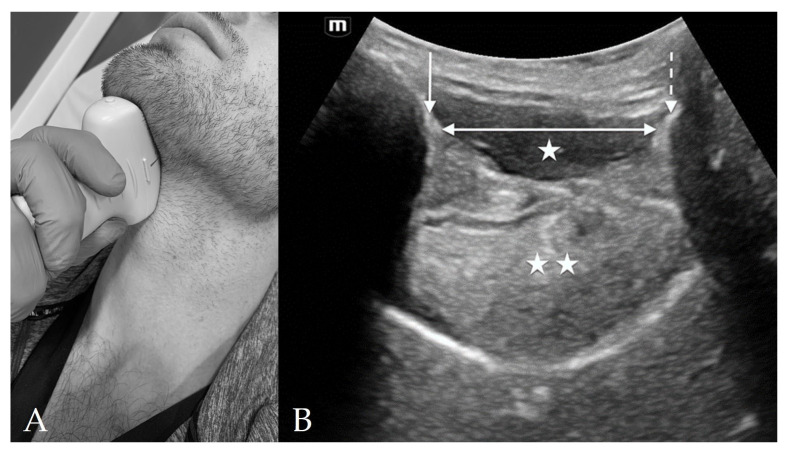
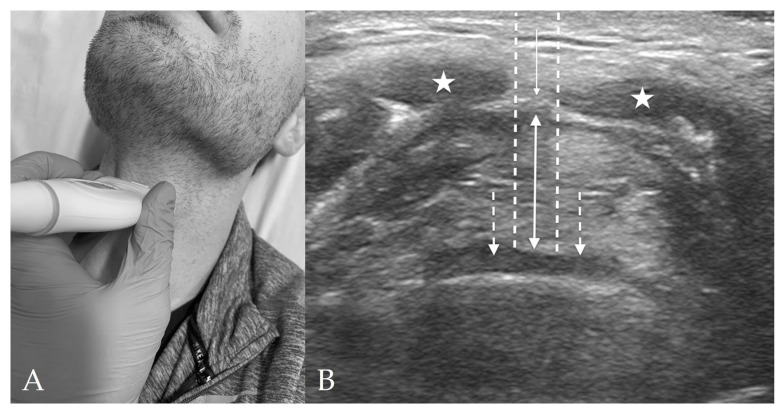
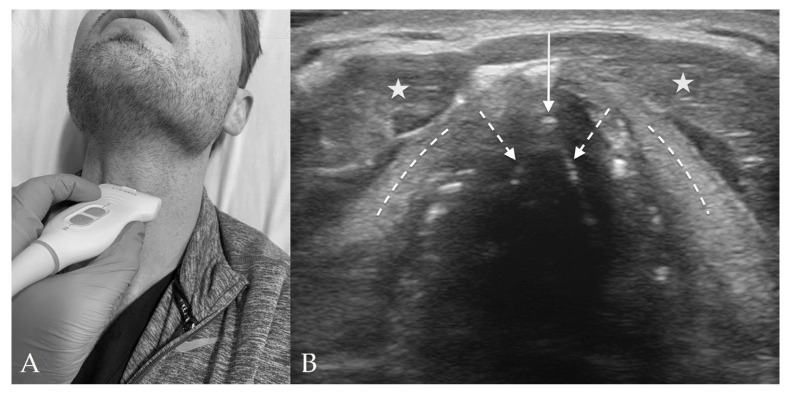
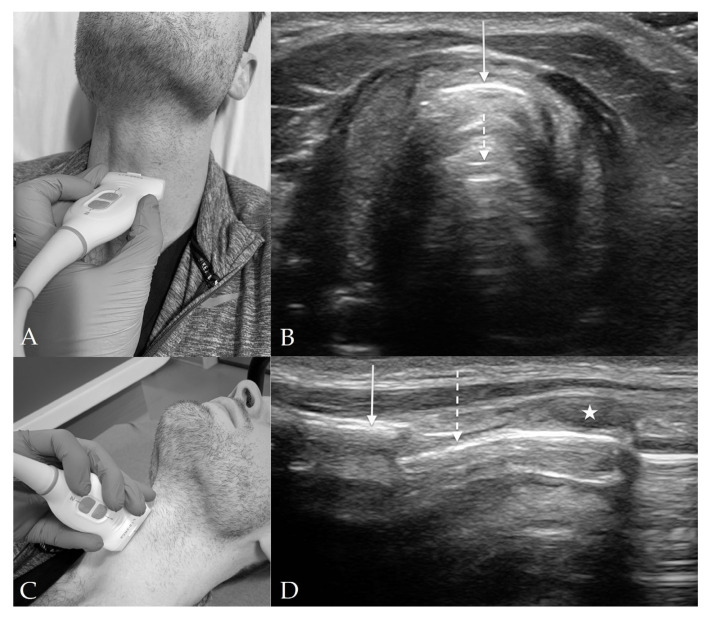
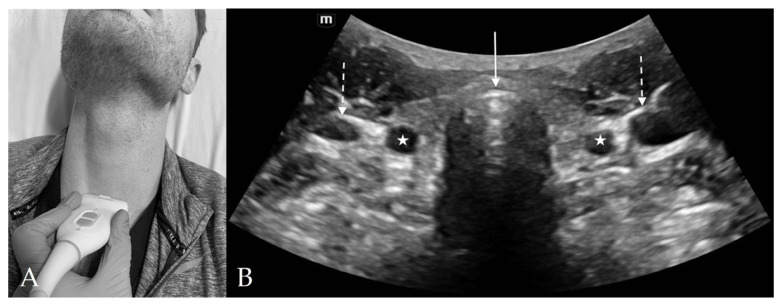
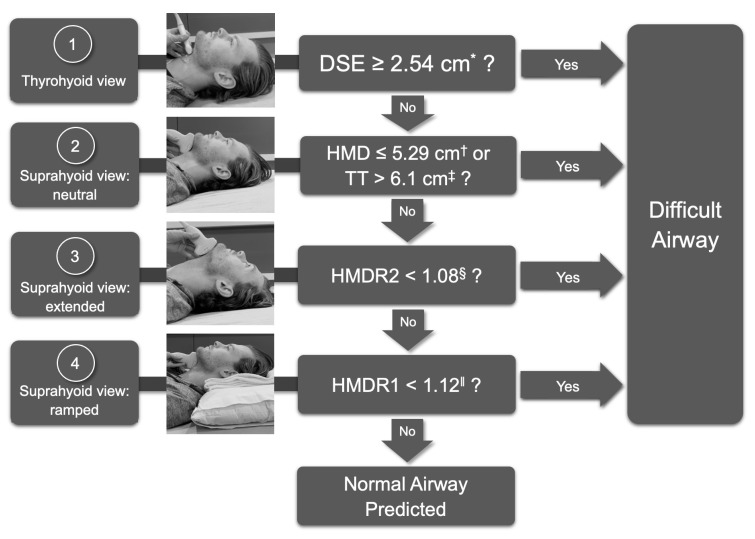
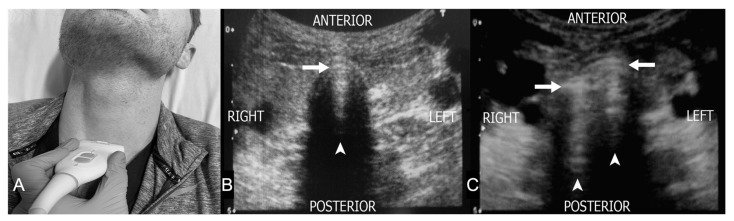
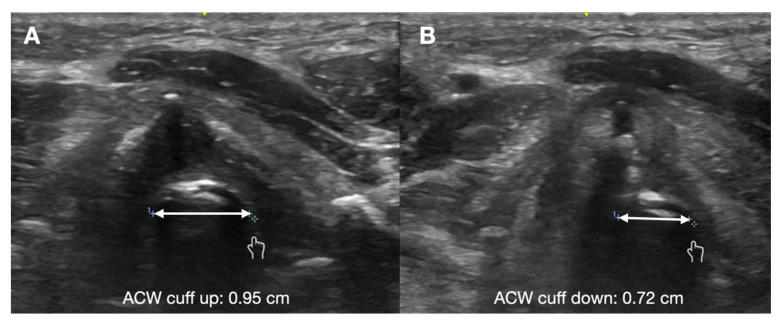
Airway management is a common and critical procedure in acute settings, such as the Emergency Department (ED) or Intensive Care Unit (ICU) of hospitals. Many of the traditional physical examination methods have limitations in airway assessment. Point-of-care ultrasound (POCUS) has emerged as a promising tool for airway management due to its familiarity, accessibility, safety, and non-invasive nature. It can assist physicians in identifying relevant anatomy of the upper airway with objective measurements of airway parameters, and it can guide airway interventions with dynamic real-time images. To date, ultrasound has been considered highly accurate for assessment of the difficult airway, confirmation of proper endotracheal intubation, prediction of post-extubation laryngeal edema, and preparation for cricothyrotomy by identifying the cricothyroid membrane. This review aims to provide a comprehensive overview of the key evidence on the use of ultrasound in airway management. Databases including PubMed and Embase were systematically searched. A search strategy using a combination of the term "ultrasound" combined with several search terms, i.e., "probe", "anatomy", "difficult airway", "endotracheal intubation", "laryngeal edema", and "cricothyrotomy" was performed. In conclusion, POCUS is a valuable tool with multiple applications ranging from pre- and post-intubation management. Clinicians should consider using POCUS in conjunction with traditional exam techniques to manage the airway more efficiently in the acute setting.
气道管理是医院急诊科(ED)或重症监护病房(ICU)等急性情况下常见且关键的操作。许多传统的体格检查方法在气道评估方面存在局限性。床旁超声(POCUS)因其熟悉性、可及性、安全性和非侵入性,已成为气道管理的一种有前景的工具。它可以通过客观测量气道参数帮助医生识别上气道的相关解剖结构,并能通过动态实时图像指导气道干预。迄今为止,超声在评估困难气道、确认气管插管是否正确、预测拔管后喉水肿以及通过识别环甲膜为环甲膜切开术做准备方面被认为具有高度准确性。本综述旨在全面概述超声在气道管理中应用的关键证据。对包括PubMed和Embase在内的数据库进行了系统检索。采用了将“超声”一词与几个检索词(即“探头”“解剖结构”“困难气道”“气管插管”“喉水肿”和“环甲膜切开术”)相结合的检索策略。总之,床旁超声是一种有价值的工具,在插管前和插管后管理等方面有多种应用。临床医生应考虑将床旁超声与传统检查技术结合使用,以便在急性情况下更有效地管理气道。