Department of Diagnostic Sciences, Ghent University, Ghent, Belgium.
Lawson Health Research Institute, London, ON, Canada.
J Alzheimers Dis. 2023;93(4):1211-1221. doi: 10.3233/JAD-221125.
Perfusion imaging has the potential to identify neurodegenerative disorders in a preclinical stage. However, to correctly interpret perfusion-derived parameters, the impact of perfusion modifiers should be evaluated.
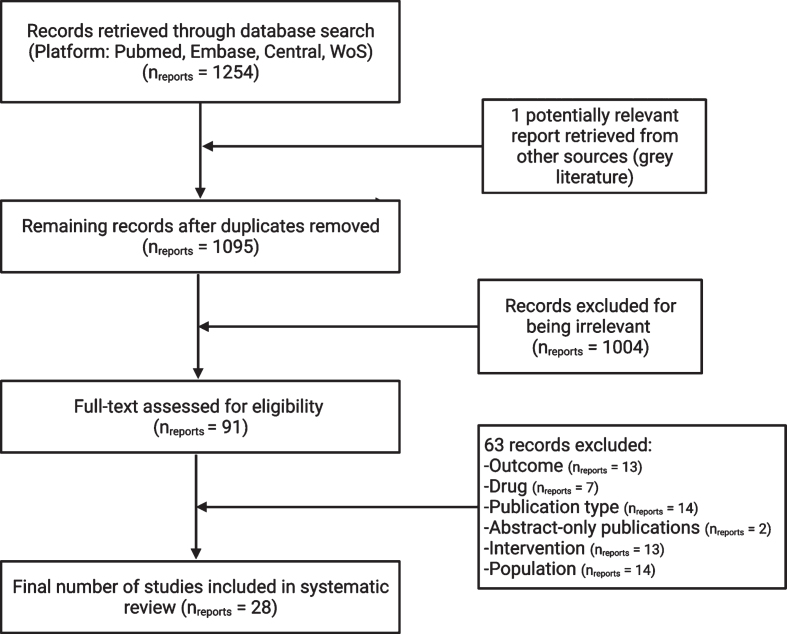
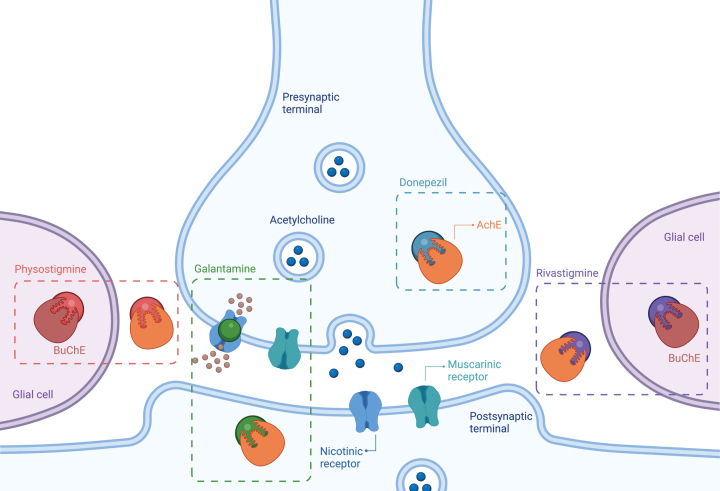
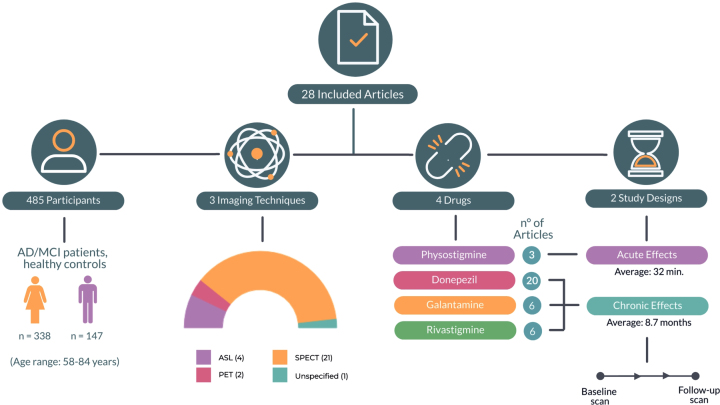
In this systematic review, the impact of acute and chronic intake of four acetylcholinesterase inhibitors (AChEIs) on cerebral perfusion in adults was investigated: physostigmine, donepezil, galantamine, and rivastigmine.
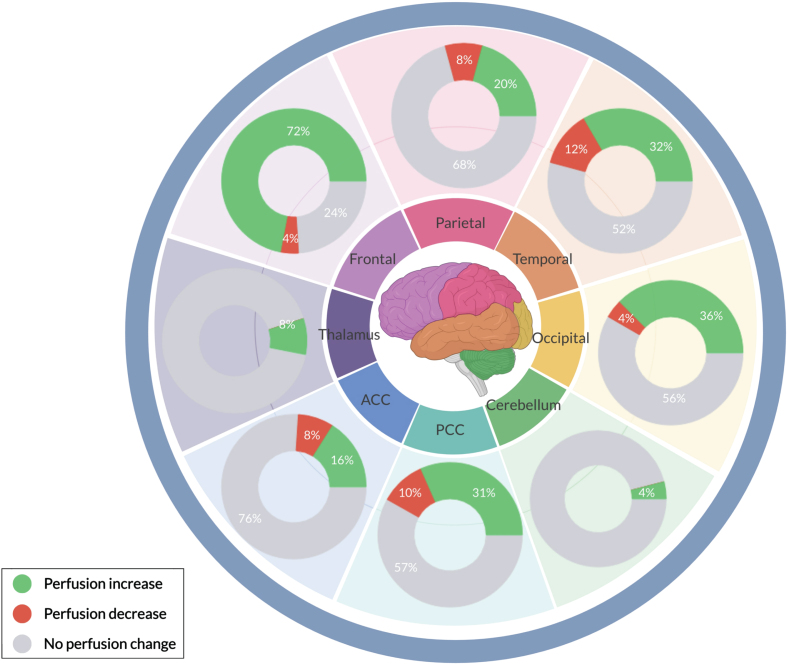
Chronic AChEI treatment results in an increase of cerebral perfusion in treatment-responsive patients with Alzheimer's disease, dementia with Lewy bodies, and Parkinson's disease dementia in the frontal, parietal, temporal, and occipital lobes, as well as the cingulate gyrus. These effects appear to be temporary, dose-related, and consistent across populations and different AChEI types. On the contrary, further perfusion decline was reported in patients not receiving AChEIs or not responding to the treatment.
AChEIs appear to be a potential perfusion modifier in neurodegenerative patients. More research focused on quantitative perfusion in both patients with and without a cholinergic deficit is needed to draw conclusions on whether AChEI intake should be considered when analyzing perfusion data.
灌注成像是识别临床前阶段神经退行性疾病的潜在方法。然而,为了正确解释灌注衍生参数,应评估灌注修饰剂的影响。
在这项系统评价中,研究了四种乙酰胆碱酯酶抑制剂(AChEIs)急性和慢性摄入对成年人脑灌注的影响:毒扁豆碱、多奈哌齐、加兰他敏和利伐斯的明。
慢性 AChEI 治疗可使阿尔茨海默病、路易体痴呆和帕金森病痴呆的治疗反应性患者的额叶、顶叶、颞叶和枕叶以及扣带回的脑灌注增加。这些影响似乎是暂时的、剂量相关的,且在人群和不同 AChEI 类型之间一致。相反,未接受 AChEI 治疗或对治疗无反应的患者报告了进一步的灌注下降。
AChEI 似乎是神经退行性疾病患者的潜在灌注修饰剂。需要更多关注有和无胆碱能缺陷的患者的定量灌注,以确定在分析灌注数据时是否应考虑 AChEI 摄入。