Department of Orthodontics, Faculty of Dentistry, Chulalongkorn University, Bangkok, Thailand.
Department of Microbiology and Center of Excellence on Oral Microbiology and Immunology, Faculty of Dentistry, Chulalongkorn University, Bangkok, Thailand.
BMC Oral Health. 2023 May 15;23(1):293. doi: 10.1186/s12903-023-02977-1.
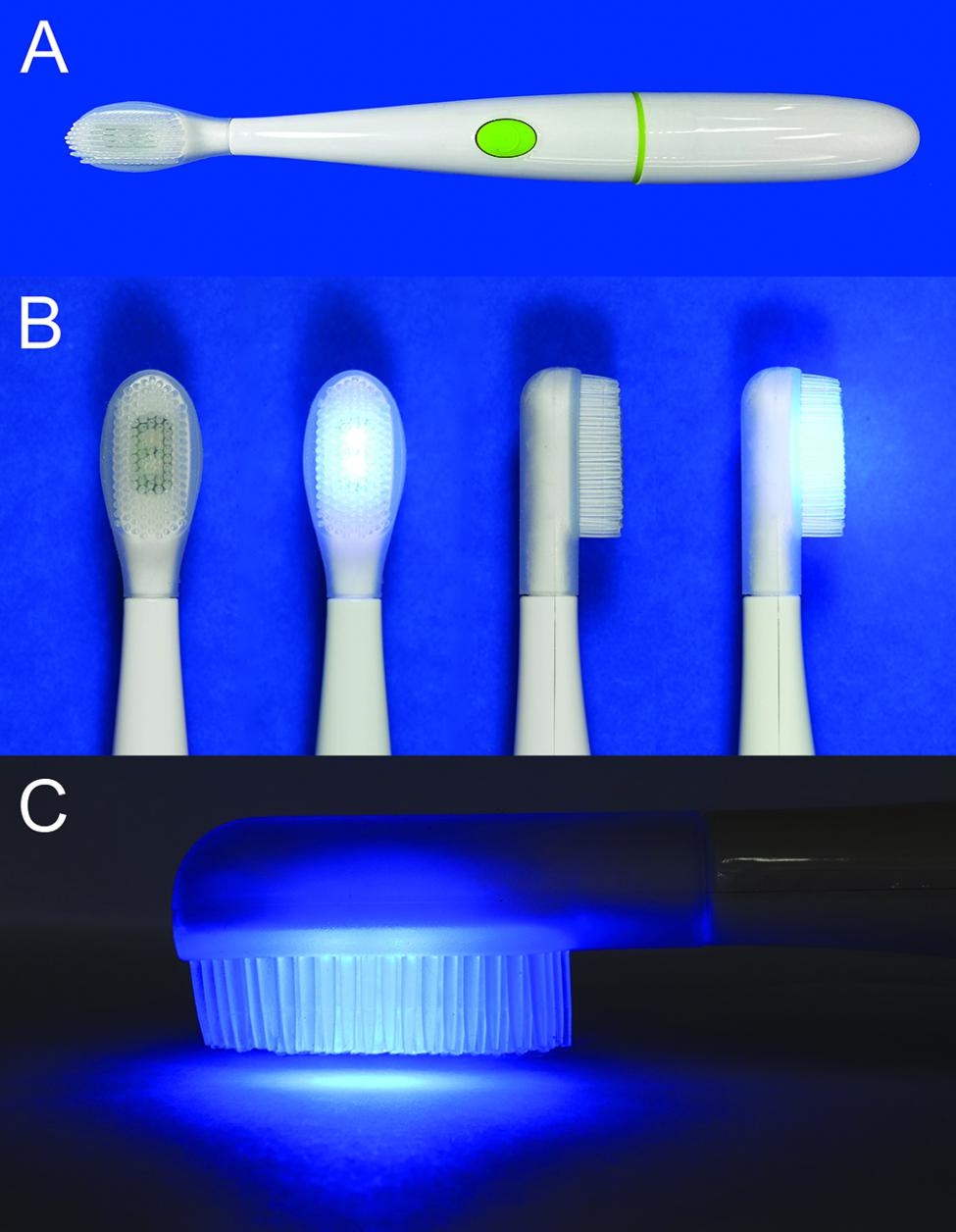
Patients with fixed orthodontic appliances have higher plaque accumulation and gingival inflammation. Our aim was to compare the effectiveness of a light emitting diode (LED) toothbrush with a manual toothbrush in reducing dental plaque and gingival inflammation in orthodontic patients with fixed appliances, and to investigate the effect of the LED toothbrush on Streptococcus mutans (S. mutans) biofilm in vitro.
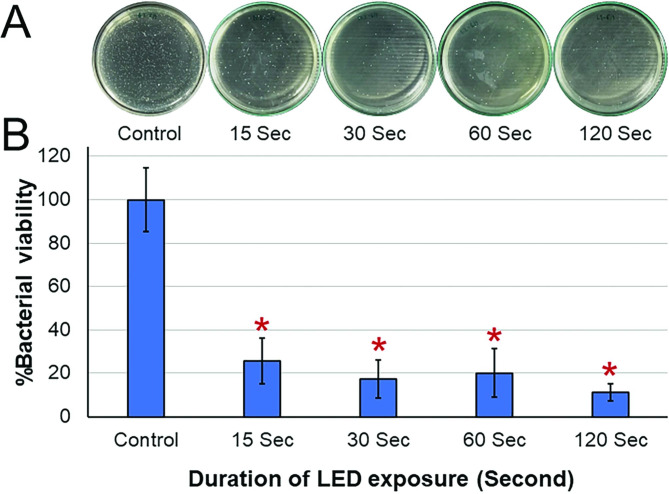
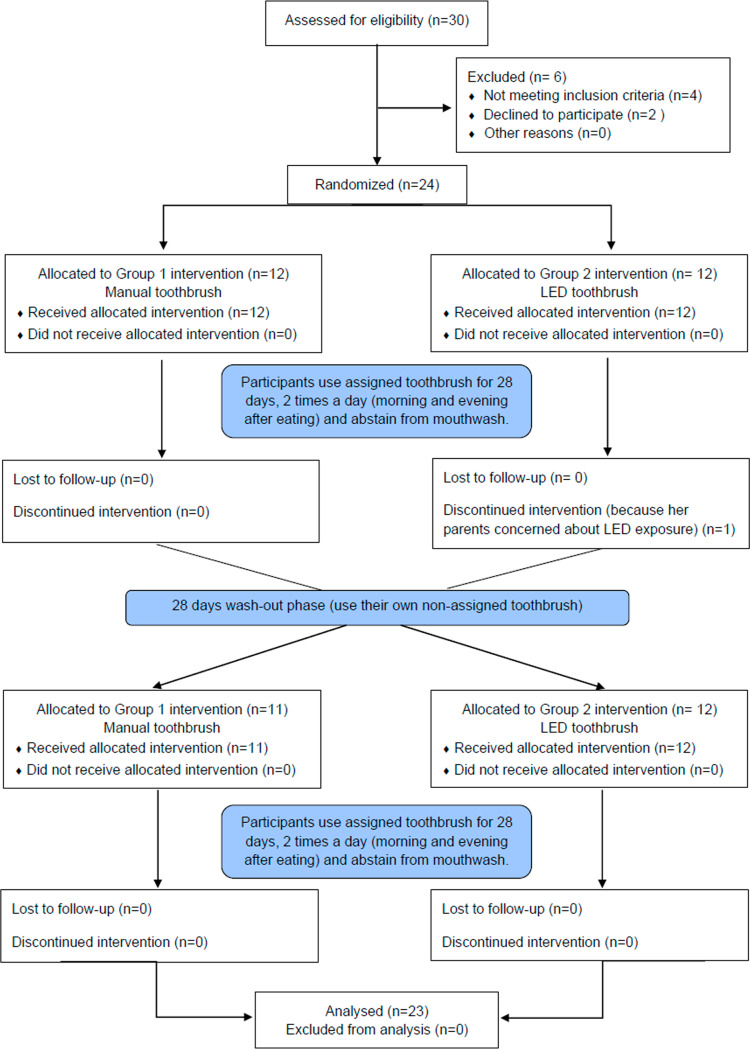
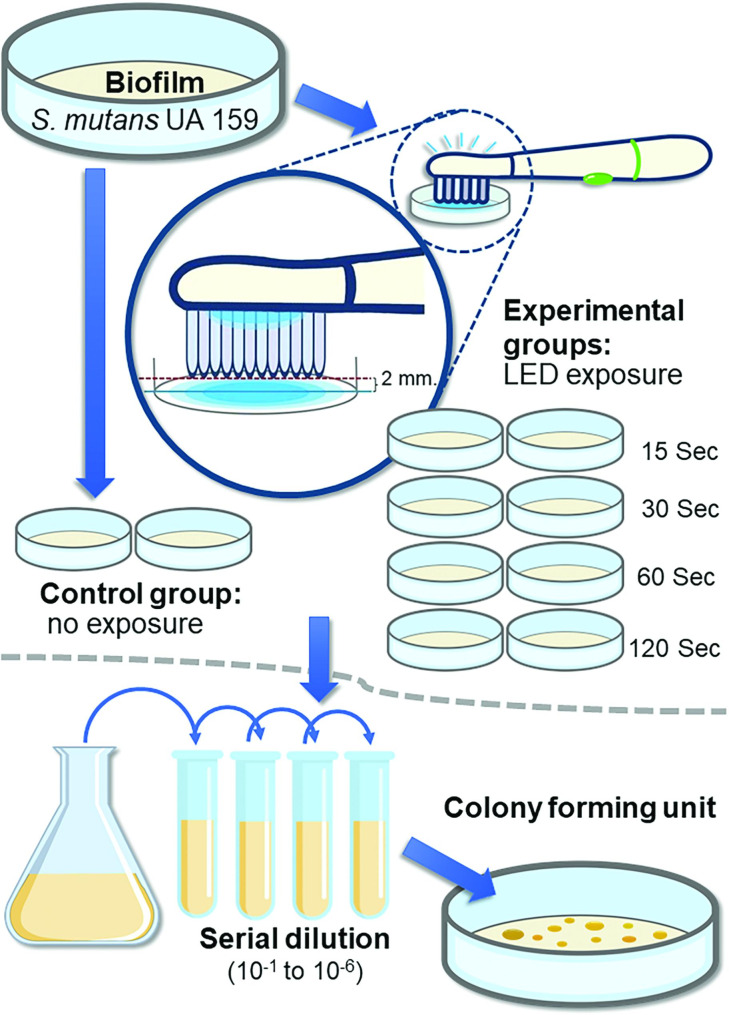
Twenty-four orthodontic patients were recruited and randomly assigned into 2 groups: (1) started with manual and (2) started with LED toothbrushes. After a 28-day usage and 28-day wash-out period, the patients switched to the other intervention. The plaque and gingival indices were determined at baseline and 28 days after each intervention. The patients' compliance and satisfaction scores were collected using questionnaires. For the in vitro experiments, S. mutans biofilm was divided into 5 groups (n = 6) with 15-, 30-, 60-, or 120-sec LED exposure, and without LED exposure as a control group.
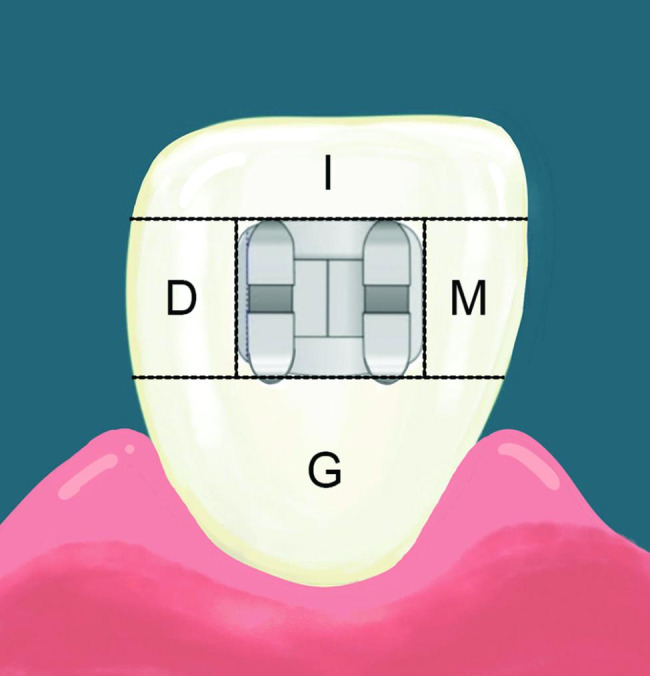
There was no significant difference in the gingival index between the manual and LED toothbrush groups. The manual toothbrush was significantly more effective in reducing the plaque index in the proximal area on the bracket side (P = 0.031). However, no significant difference was found between the two groups in other areas around the brackets or on the non-bracket side. After LED exposure in vitro, the percentages of bacterial viability after LED exposure for 15-120 s were significantly lower compared with the control (P = 0.006).
Clinically, the LED toothbrush was not more effective in reducing dental plaque or gingival inflammation than the manual toothbrush in orthodontic patients with fixed appliances. However, the blue light from the LED toothbrush significantly reduced the number of S. mutans in biofilm when it was exposed to the light for at least 15 s in vitro.
Thai Clinical Trials Registry (TCTR20210510004). Registered 10/05/2021.
固定正畸患者的菌斑堆积和牙龈炎症较高。我们的目的是比较发光二极管(LED)牙刷和手动牙刷在减少固定正畸患者牙菌斑和牙龈炎症方面的效果,并研究 LED 牙刷对变形链球菌(S. mutans)生物膜的体外影响。
招募了 24 名正畸患者,并将其随机分为 2 组:(1)起始使用手动牙刷,(2)起始使用 LED 牙刷。经过 28 天的使用和 28 天的洗脱期后,患者切换到另一种干预措施。在基线和每次干预后 28 天,分别测定菌斑和牙龈指数。通过问卷收集患者的依从性和满意度评分。对于体外实验,将变形链球菌生物膜分为 5 组(n=6),分别用 LED 照射 15、30、60 或 120 秒,不用 LED 照射作为对照组。
手动牙刷和 LED 牙刷组的牙龈指数无显著差异。手动牙刷在减少托槽侧近中区域菌斑指数方面明显更有效(P=0.031)。然而,在托槽周围的其他区域或非托槽侧,两组之间没有发现显著差异。体外 LED 照射后,与对照组相比,LED 照射 15-120 秒后细菌存活率的百分比明显降低(P=0.006)。
临床上,在固定正畸患者中,与手动牙刷相比,LED 牙刷在减少牙菌斑或牙龈炎症方面没有更有效。然而,LED 牙刷发出的蓝光在体外至少照射 15 秒时,明显减少了生物膜中变形链球菌的数量。
泰国临床试验注册中心(TCTR20210510004)。注册于 2021 年 5 月 10 日。