Reddy V Prakash, Aryal Puspa, Soni Pallavi
Department of Chemistry, Missouri University of Science and Technology, Rolla, MO 65409, USA.
Biomedicines. 2023 Apr 9;11(4):1131. doi: 10.3390/biomedicines11041131.
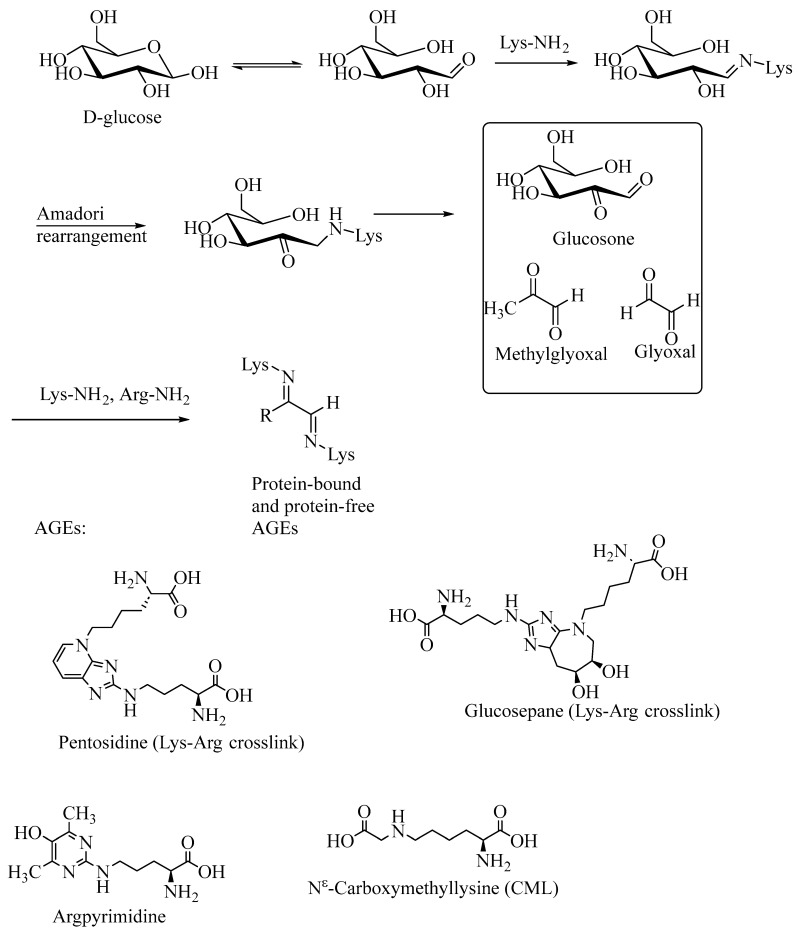
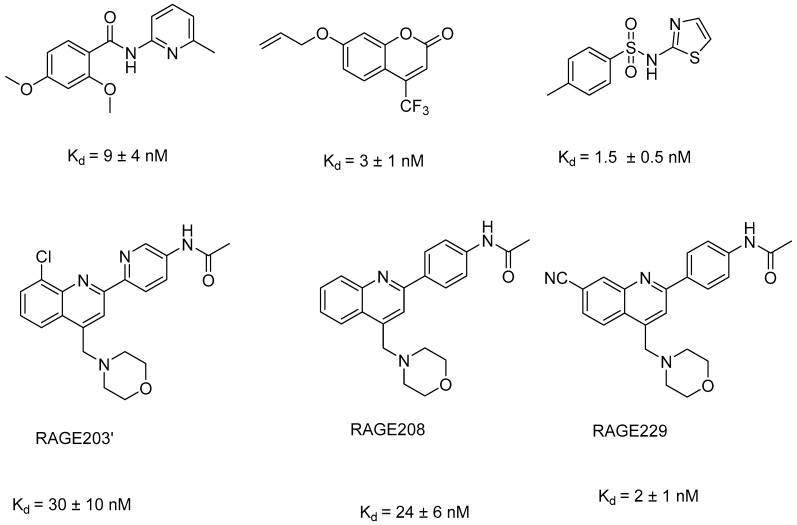
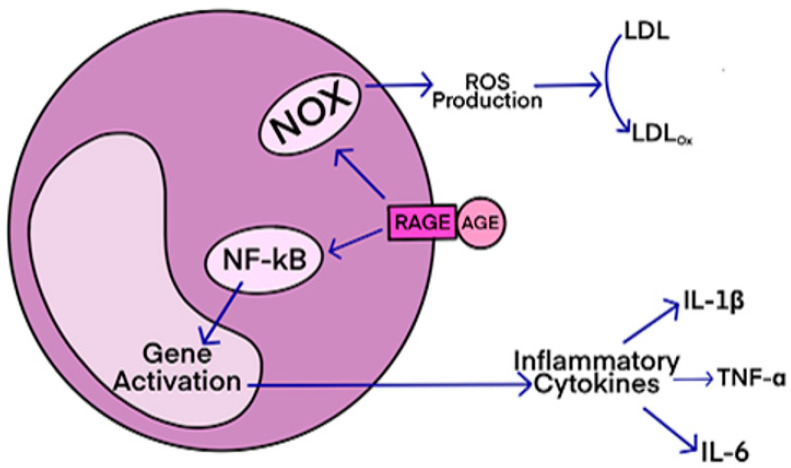
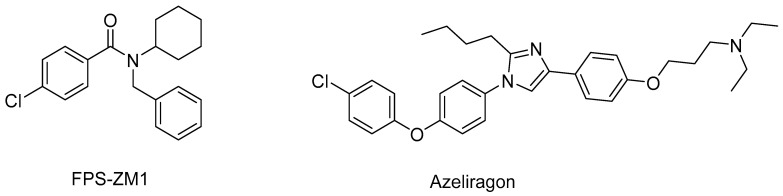
Nonenzymatic reactions of reducing sugars with primary amino groups of amino acids, proteins, and nucleic acids, followed by oxidative degradations would lead to the formation of advanced glycation endproducts (AGEs). The AGEs exert multifactorial effects on cell damage leading to the onset of neurological disorders. The interaction of AGEs with the receptors for advanced glycation endproducts (RAGE) contribute to the activation of intracellular signaling and the expression of the pro-inflammatory transcription factors and various inflammatory cytokines. This inflammatory signaling cascade is associated with various neurological diseases, including Alzheimer's disease (AD), secondary effects of traumatic brain injury (TBI), amyotrophic lateral sclerosis (ALS), and diabetic neuropathy, and other AGE-related diseases, including diabetes and atherosclerosis. Furthermore, the imbalance of gut microbiota and intestinal inflammation are also associated with endothelial dysfunction, disrupted blood-brain barrier (BBB) and thereby the onset and progression of AD and other neurological diseases. AGEs and RAGE play an important role in altering the gut microbiota composition and thereby increase the gut permeability and affect the modulation of the immune-related cytokines. The inhibition of the AGE-RAGE interactions, through small molecule-based therapeutics, prevents the inflammatory cascade of events associated with AGE-RAGE interactions, and thereby attenuates the disease progression. Some of the RAGE antagonists, such as Azeliragon, are currently in clinical development for treating neurological diseases, including AD, although currently there have been no FDA-approved therapeutics based on the RAGE antagonists. This review outlines the AGE-RAGE interactions as a leading cause of the onset of neurological diseases and the current efforts on developing therapeutics for neurological diseases based on the RAGE antagonists.
还原糖与氨基酸、蛋白质和核酸的伯氨基发生非酶促反应,随后进行氧化降解,会导致晚期糖基化终产物(AGEs)的形成。AGEs对细胞损伤具有多方面影响,会引发神经紊乱。AGEs与晚期糖基化终产物受体(RAGE)的相互作用会促使细胞内信号传导激活以及促炎转录因子和多种炎性细胞因子的表达。这种炎性信号级联反应与多种神经疾病相关,包括阿尔茨海默病(AD)、创伤性脑损伤(TBI)的继发性影响、肌萎缩侧索硬化症(ALS)和糖尿病性神经病变,以及其他与AGE相关的疾病,如糖尿病和动脉粥样硬化。此外,肠道微生物群失衡和肠道炎症也与内皮功能障碍、血脑屏障(BBB)破坏相关,进而与AD及其他神经疾病的发生和发展有关。AGEs和RAGE在改变肠道微生物群组成方面发挥重要作用,从而增加肠道通透性并影响免疫相关细胞因子的调节。通过基于小分子的疗法抑制AGE-RAGE相互作用,可预防与AGE-RAGE相互作用相关的炎性事件级联反应,从而减轻疾病进展。一些RAGE拮抗剂,如阿泽利康,目前正在进行治疗包括AD在内的神经疾病的临床开发,尽管目前尚无基于RAGE拮抗剂的FDA批准疗法。本综述概述了AGE-RAGE相互作用是神经疾病发病的主要原因,以及目前基于RAGE拮抗剂开发神经疾病治疗方法的努力。