Manikas Ioannis, Ali Beshir M, Sundarakani Balan
Faculty of Business, University of Wollongong in Dubai, Knowledge Park, 20183 Dubai, United Arab Emirates.
Agric Food Secur. 2023;12(1):10. doi: 10.1186/s40066-023-00415-7. Epub 2023 May 5.
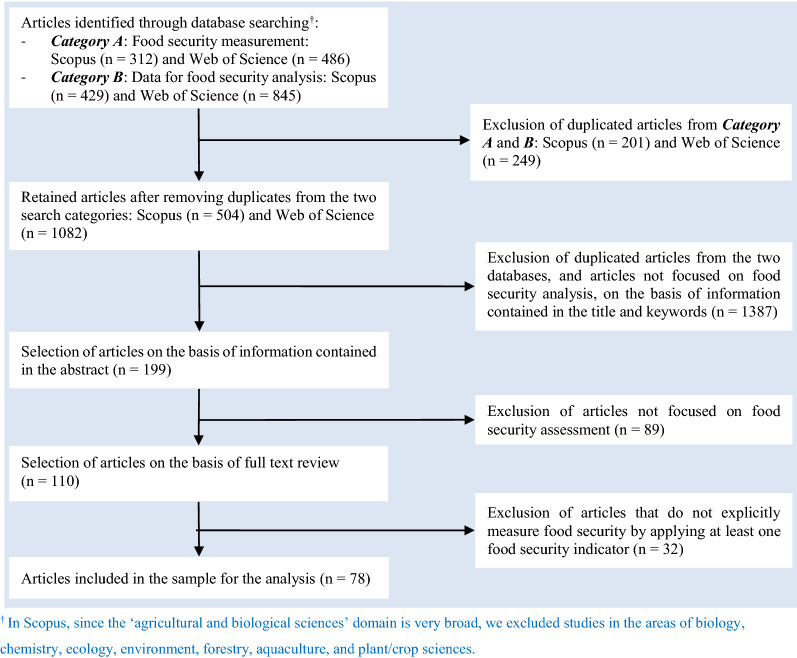
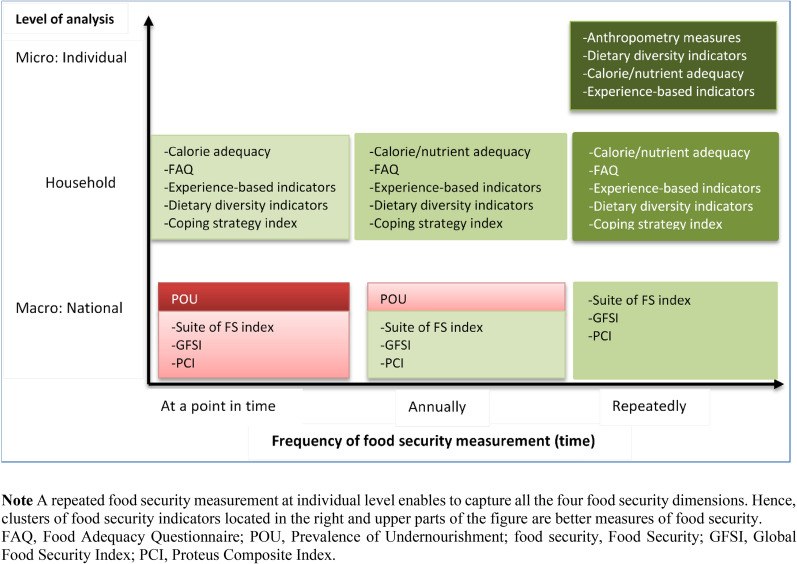
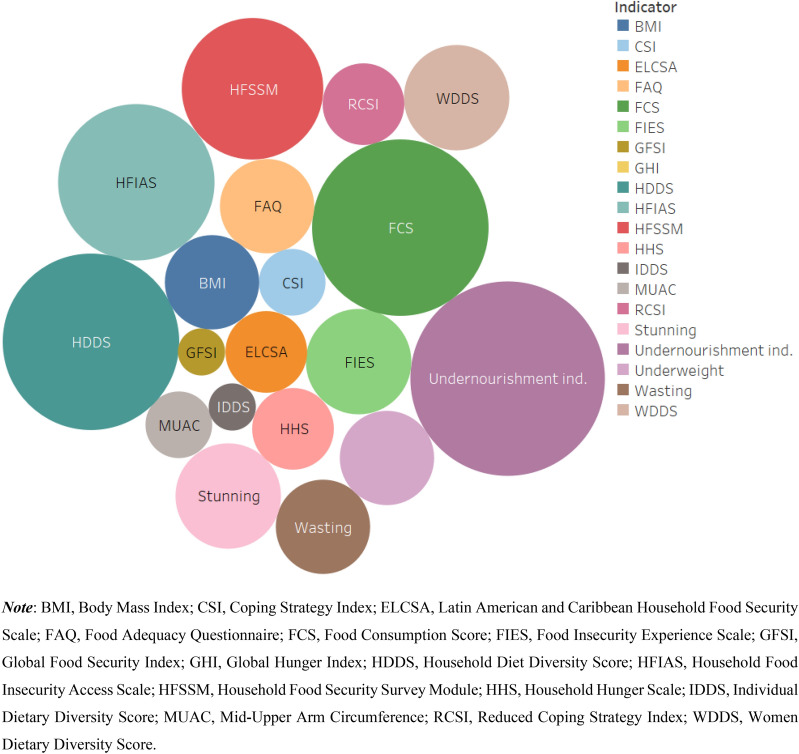
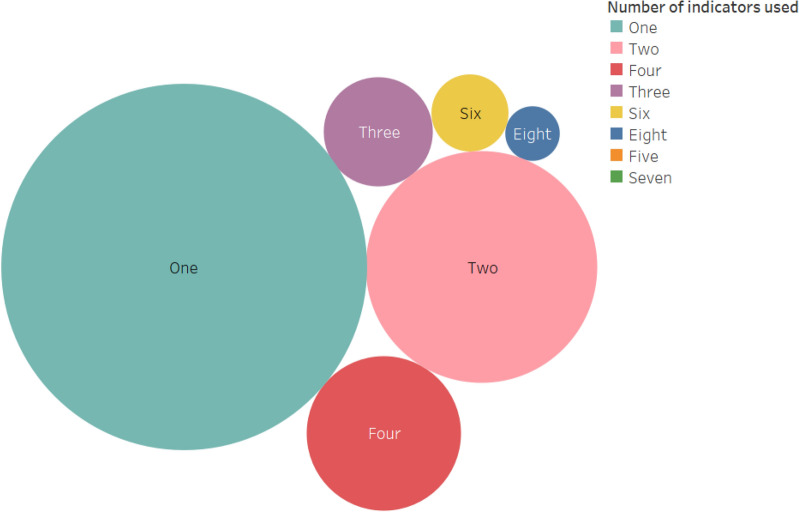
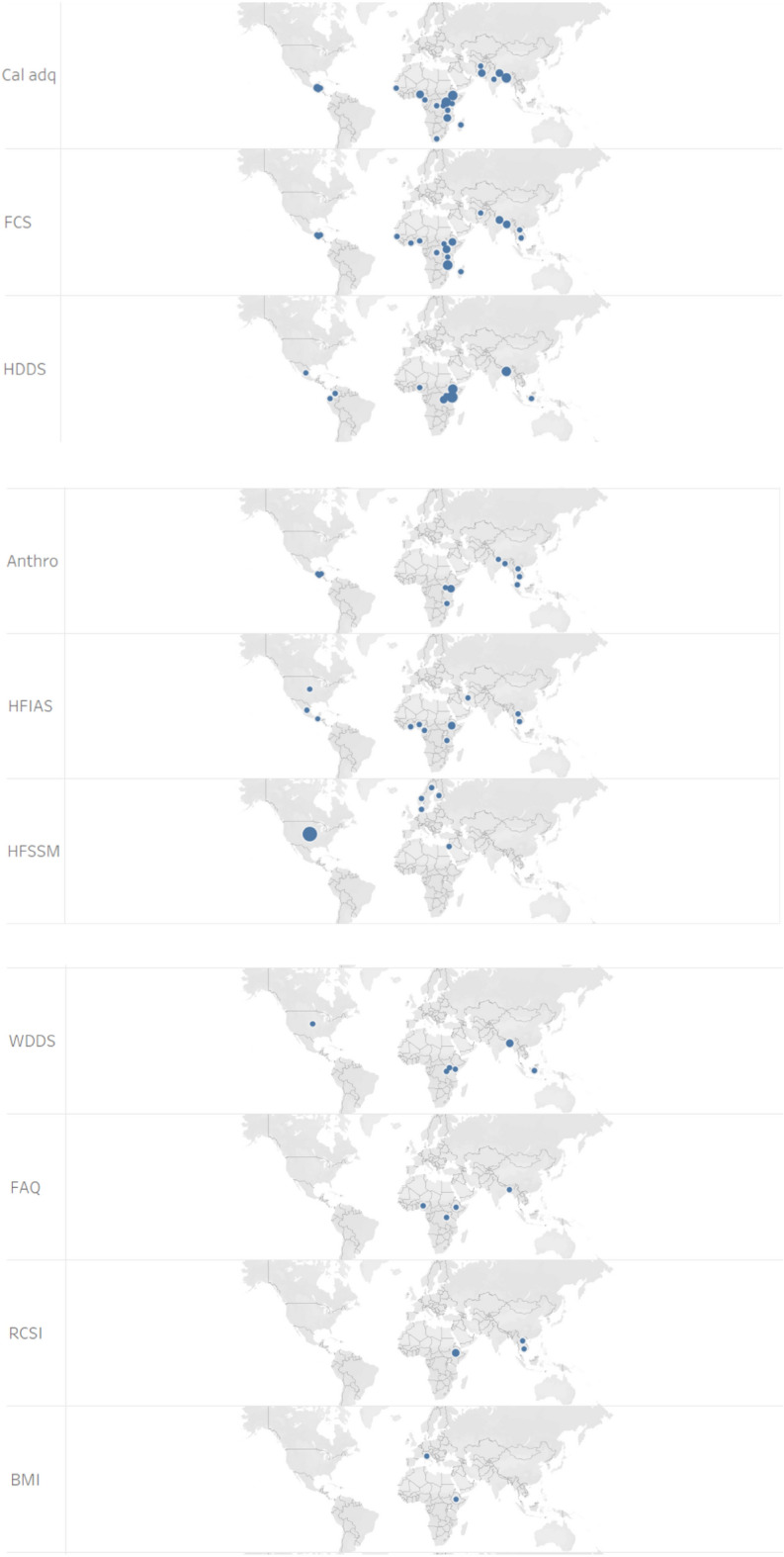
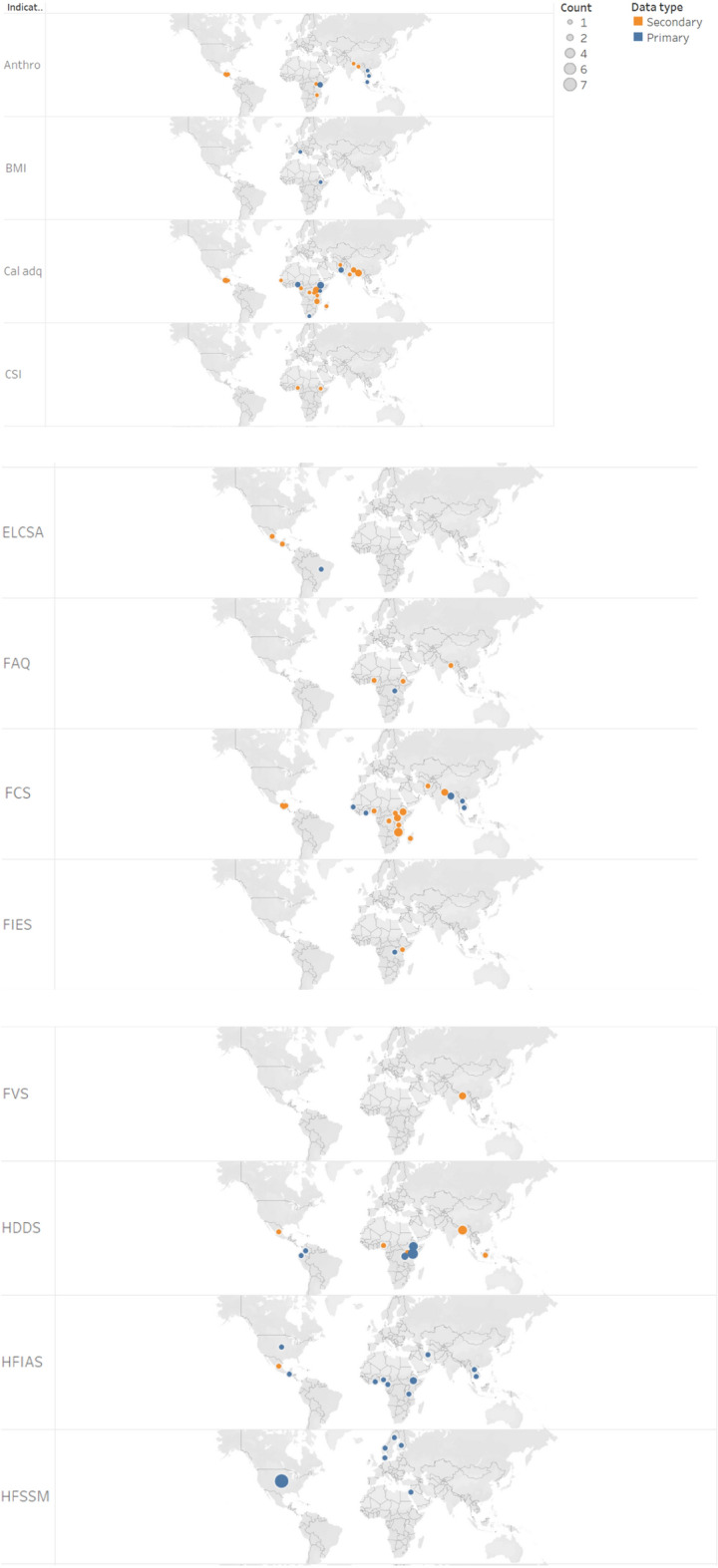
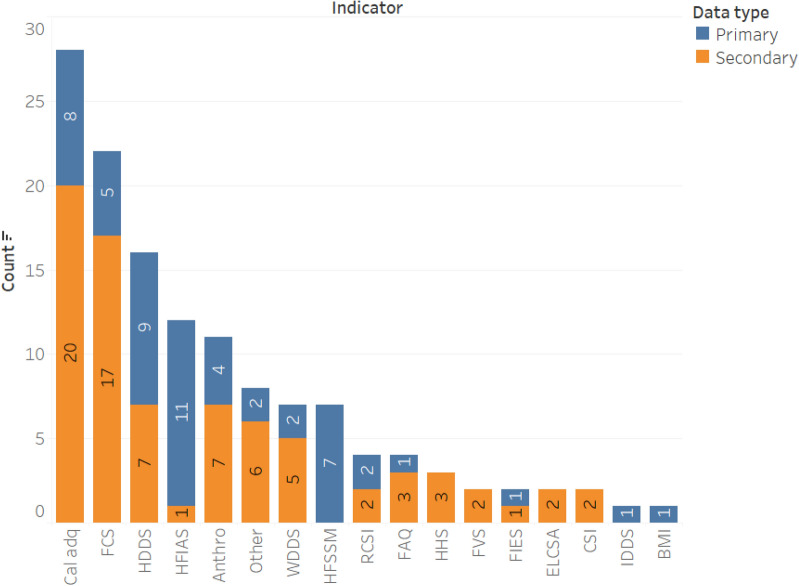
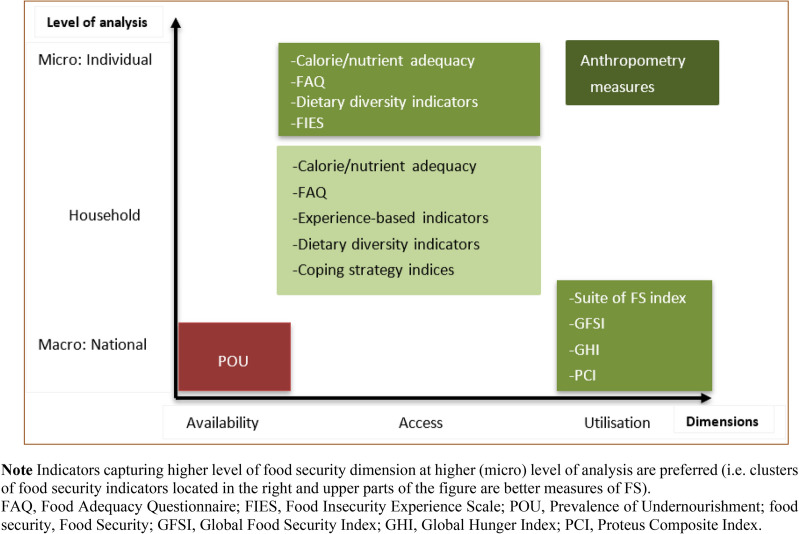
Measurement is critical for assessing and monitoring food security. Yet, it is difficult to comprehend which food security dimensions, components, and levels the numerous available indicators reflect. We thus conducted a systematic literature review to analyse the scientific evidence on these indicators to comprehend the food security dimensions and components covered, intended purpose, level of analysis, data requirements, and recent developments and concepts applied in food security measurement. Data analysis of 78 articles shows that the household-level calorie adequacy indicator is the most frequently used (22%) as a sole measure of food security. The dietary diversity-based (44%) and experience-based (40%) indicators also find frequent use. The food utilisation (13%) and stability (18%) dimensions were seldom captured when measuring food security, and only three of the retrieved publications measured food security by considering all the four food security dimensions. The majority of the studies that applied calorie adequacy and dietary diversity-based indicators employed secondary data whereas most of the studies that applied experience-based indicators employed primary data, suggesting the convenience of collecting data for experience-based indicators than dietary-based indicators. We confirm that the estimation of complementary food security indicators consistently over time can help capture the different food security dimensions and components, and experience-based indicators are more suitable for rapid food security assessments. We suggest practitioners to integrate food consumption and anthropometry data in regular household living standard surveys for more comprehensive food security analysis. The results of this study can be used by food security stakeholders such as governments, practitioners and academics for briefs, teaching, as well as policy-related interventions and evaluations.
The online version contains supplementary material available at 10.1186/s40066-023-00415-7.
衡量对于评估和监测粮食安全至关重要。然而,很难理解众多现有指标反映了哪些粮食安全维度、组成部分和水平。因此,我们进行了一项系统的文献综述,以分析关于这些指标的科学证据,从而理解所涵盖的粮食安全维度和组成部分、预期目的、分析水平、数据要求以及粮食安全衡量中应用的最新发展和概念。对78篇文章的数据分析表明,家庭层面的卡路里充足指标作为粮食安全的唯一衡量标准使用最为频繁(22%)。基于饮食多样性(44%)和基于体验(40%)的指标也经常被使用。在衡量粮食安全时,粮食利用(13%)和稳定性(18%)维度很少被涉及,在所检索的出版物中只有三篇通过考虑所有四个粮食安全维度来衡量粮食安全。大多数应用卡路里充足和基于饮食多样性指标的研究采用了二手数据,而大多数应用基于体验指标的研究采用了一手数据,这表明收集基于体验指标的数据比基于饮食指标的数据更方便。我们证实,随着时间的推移持续估计补充粮食安全指标有助于捕捉不同的粮食安全维度和组成部分,并且基于体验的指标更适合快速粮食安全评估。我们建议从业者在常规的家庭生活水平调查中整合食物消费和人体测量数据,以进行更全面的粮食安全分析。本研究结果可供政府、从业者和学者等粮食安全利益相关者用于简报、教学以及与政策相关的干预和评估。
在线版本包含可在10.1186/s40066-023-00415-7获取的补充材料。