Aging and Dementia Group, Cellular and Molecular Division (CEMO), Institute of Neuroscience (IoNS), UCLouvain, Brussels, Belgium.
Laboratory for Neuropathology, Department of Imaging and Pathology, Leuven Brain Institute (LBI), KU Leuven, Leuven, Belgium.
Acta Neuropathol Commun. 2023 May 17;11(1):82. doi: 10.1186/s40478-023-01578-x.
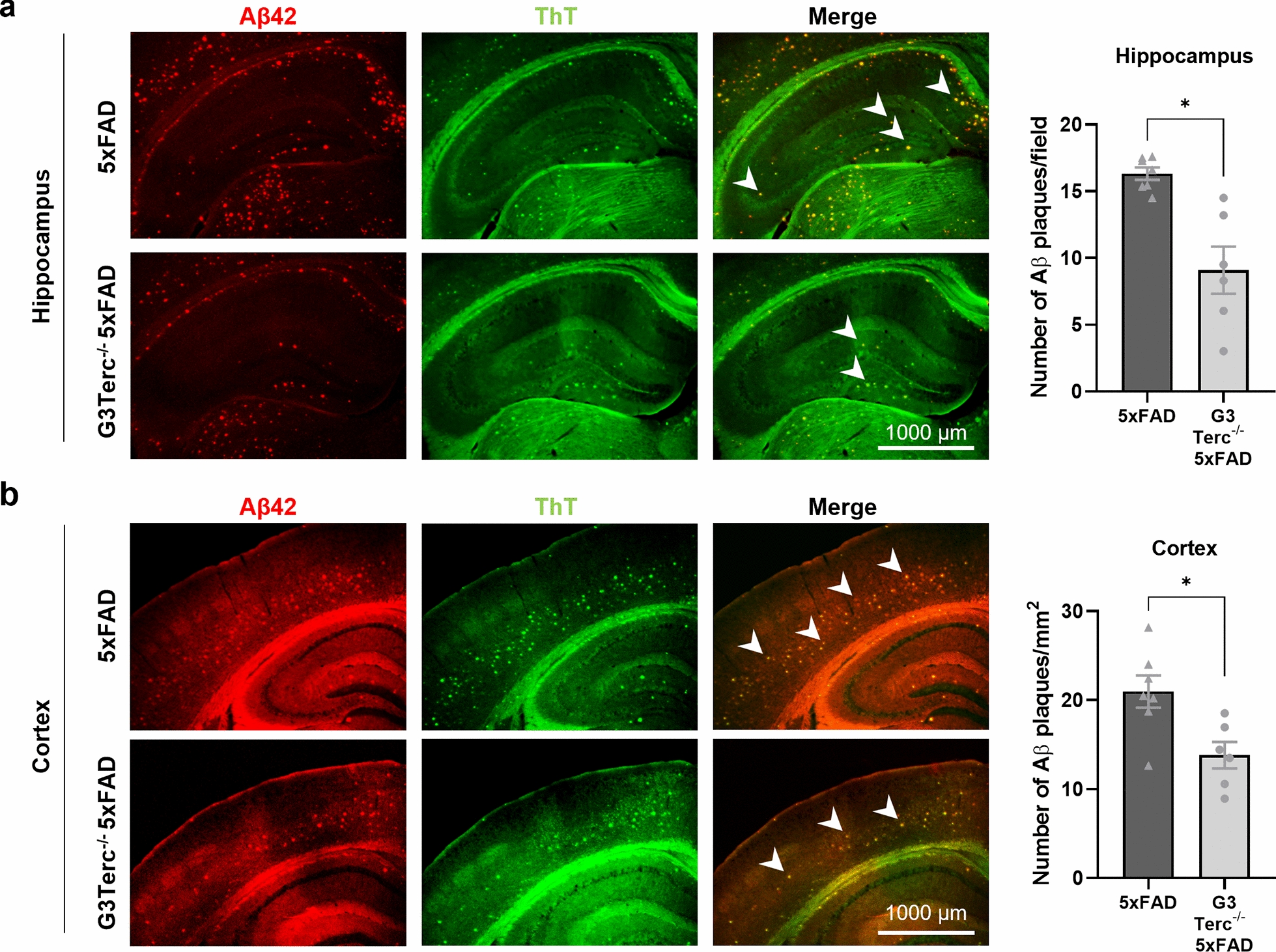
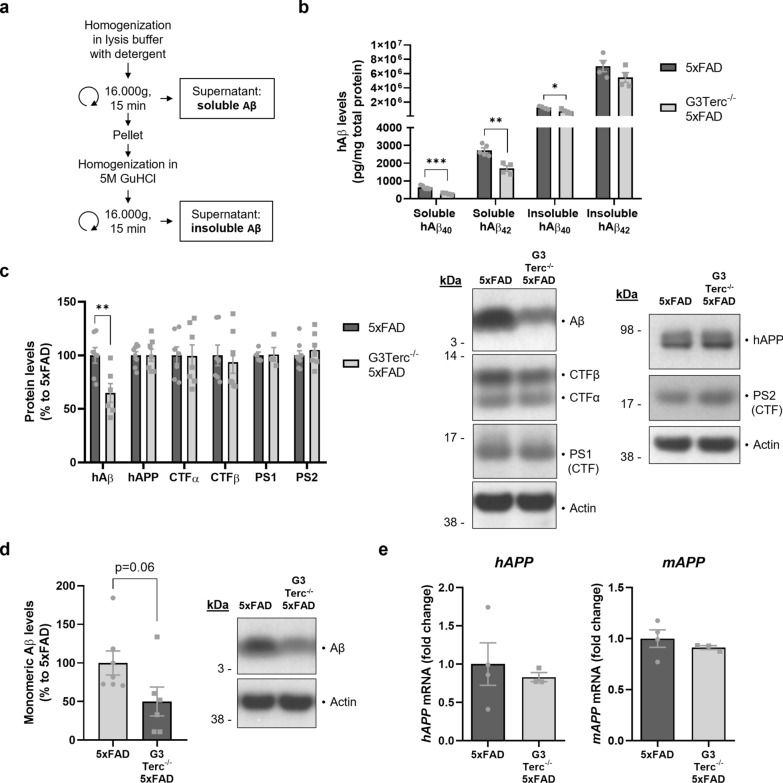
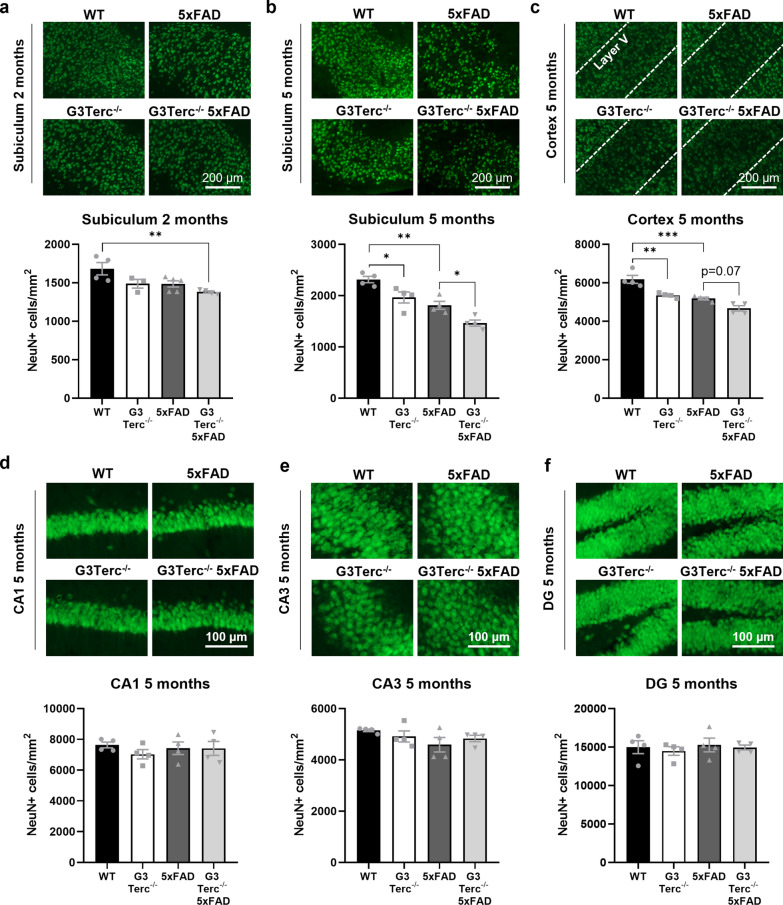
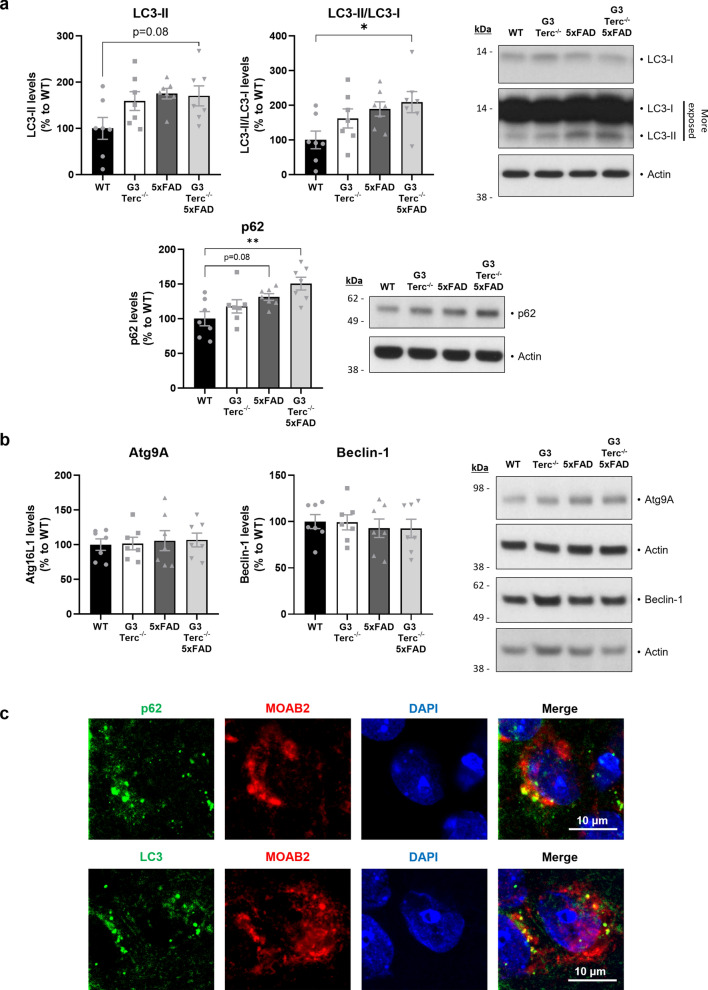
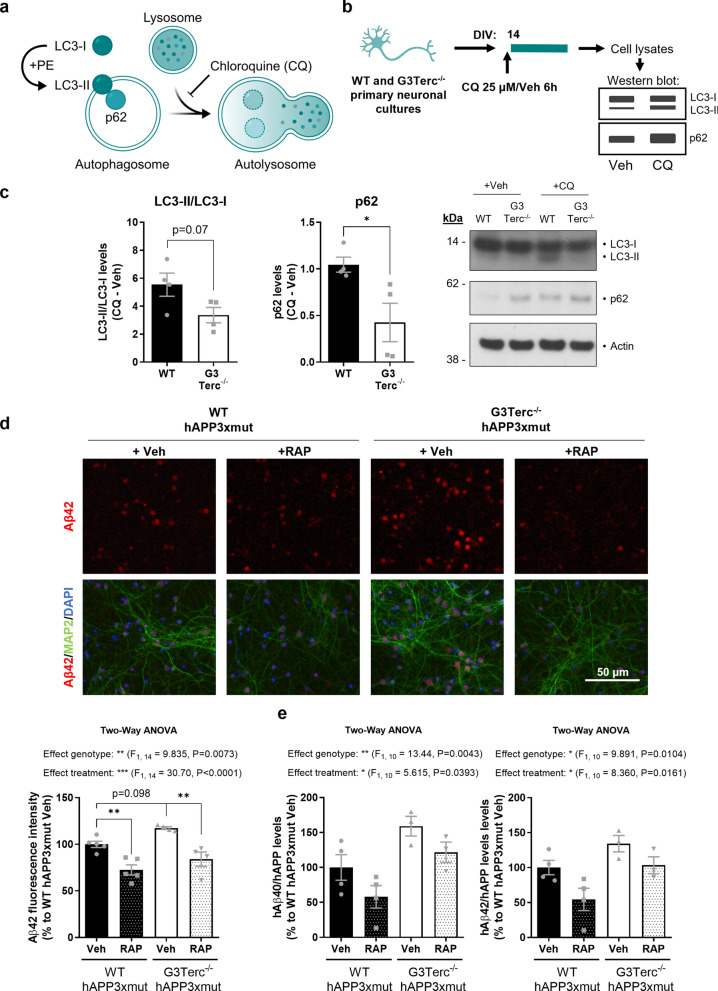
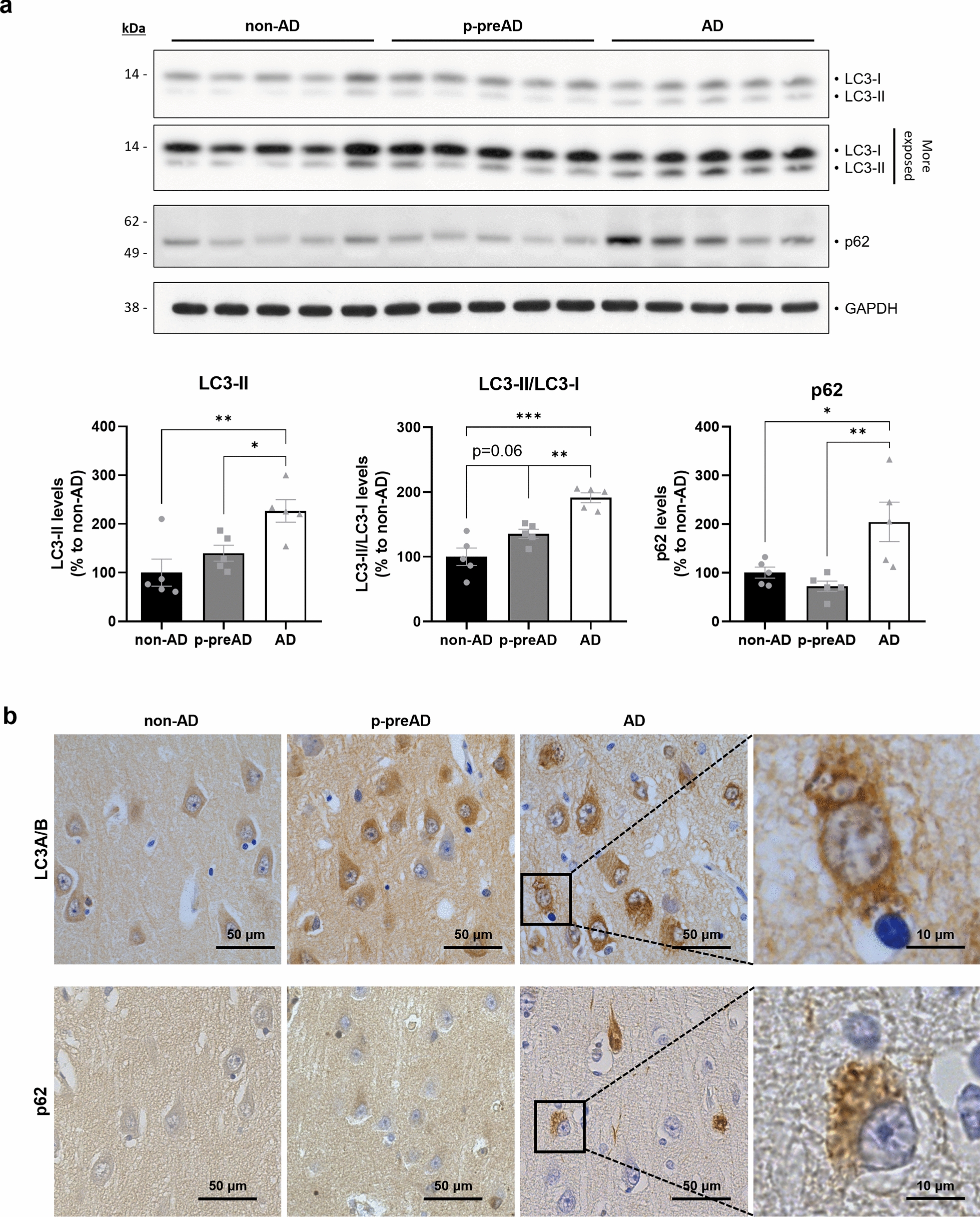
Aging is the main risk factor for Alzheimer's disease (AD) and other neurodegenerative pathologies, but the molecular and cellular changes underlying pathological aging of the nervous system are poorly understood. AD pathology seems to correlate with the appearance of cells that become senescent due to the progressive accumulation of cellular insults causing DNA damage. Senescence has also been shown to reduce the autophagic flux, a mechanism involved in clearing damaged proteins from the cell, and such impairment has been linked to AD pathogenesis. In this study, we investigated the role of cellular senescence on AD pathology by crossing a mouse model of AD-like amyloid-β (Aβ) pathology (5xFAD) with a mouse model of senescence that is genetically deficient for the RNA component of the telomerase (Terc). We studied changes in amyloid pathology, neurodegeneration, and the autophagy process in brain tissue samples and primary cultures derived from these mice by complementary biochemical and immunostaining approaches. Postmortem human brain samples were also processed to evaluate autophagy defects in AD patients. Our results show that accelerated senescence produces an early accumulation of intraneuronal Aβ in the subiculum and cortical layer V of 5xFAD mice. This correlates with a reduction in amyloid plaques and Aβ levels in connecting brain regions at a later disease stage. Neuronal loss was specifically observed in brain regions presenting intraneuronal Aβ and was linked to telomere attrition. Our results indicate that senescence affects intraneuronal Aβ accumulation by impairing autophagy function and that early autophagy defects can be found in the brains of AD patients. Together, these findings demonstrate the instrumental role of senescence in intraneuronal Aβ accumulation, which represents a key event in AD pathophysiology, and emphasize the correlation between the initial stages of amyloid pathology and defects in the autophagy flux.
衰老是阿尔茨海默病(AD)和其他神经退行性病变的主要风险因素,但神经病理性衰老的分子和细胞变化仍知之甚少。AD 病理学似乎与由于细胞损伤导致的 DNA 损伤而逐渐积累的衰老细胞的出现相关。衰老也被证明会降低自噬通量,自噬是一种从细胞中清除受损蛋白质的机制,这种损伤与 AD 发病机制有关。在这项研究中,我们通过将具有 AD 样淀粉样蛋白-β(Aβ)病理学(5xFAD)的小鼠模型与 RNA 成分缺陷的端粒酶(Terc)的小鼠模型进行杂交,研究了细胞衰老对 AD 病理学的作用。我们通过互补的生化和免疫染色方法研究了脑组织样本和源自这些小鼠的原代培养物中的淀粉样蛋白病理学、神经退行性变和自噬过程的变化。还对死后的人脑样本进行了处理,以评估 AD 患者的自噬缺陷。我们的结果表明,加速衰老会导致 5xFAD 小鼠的海马体和皮质层 V 中神经元内 Aβ的早期积累。这与在疾病后期连接脑区的淀粉样斑块和 Aβ水平减少相关。在出现神经元内 Aβ的脑区观察到神经元丢失,并且与端粒磨损有关。我们的结果表明,衰老通过损害自噬功能影响神经元内 Aβ的积累,并且可以在 AD 患者的大脑中发现早期的自噬缺陷。总之,这些发现表明衰老在神经元内 Aβ积累中起着重要作用,这是 AD 病理生理学中的关键事件,并强调了淀粉样蛋白病理学的初始阶段与自噬通量缺陷之间的相关性。