Adhikari Emily H, Lu Pei, Kang Ye Jin, McDonald Ann R, Pruszynski Jessica E, Bates Timothy A, McBride Savannah K, Trank-Greene Mila, Tafesse Fikadu G, Lu Lenette L
Division of Maternal-Fetal Medicine and Department of Obstetrics and Gynecology, UTSW Medical Center, Dallas, TX.
Parkland Health, Dallas TX.
bioRxiv. 2023 May 2:2023.05.01.538955. doi: 10.1101/2023.05.01.538955.
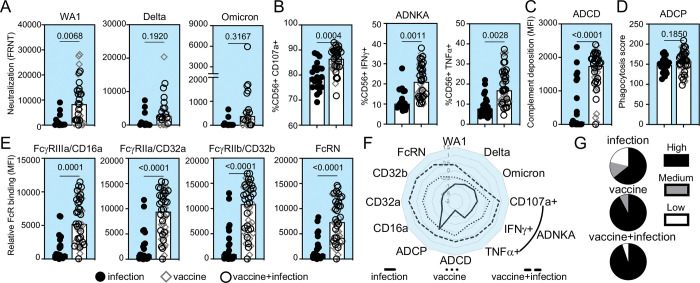
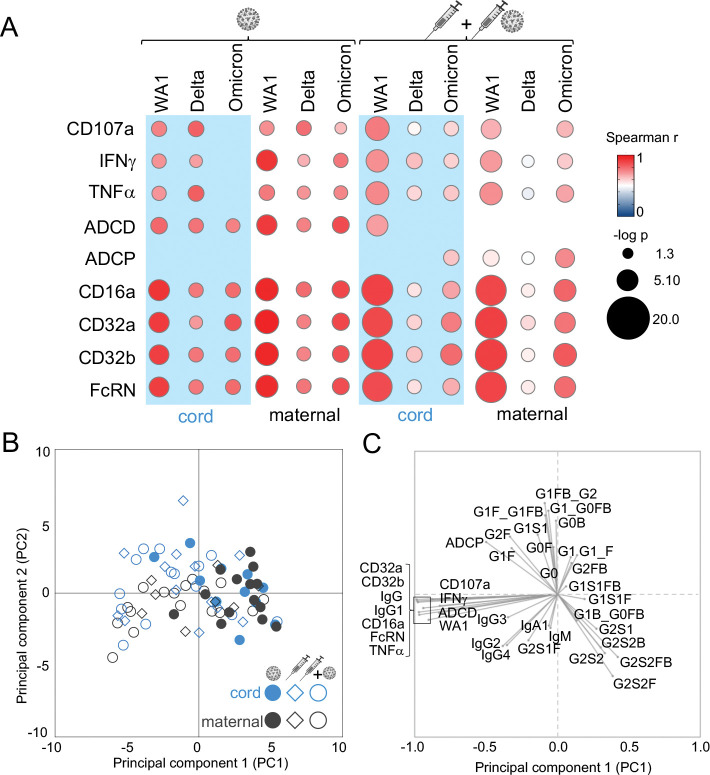
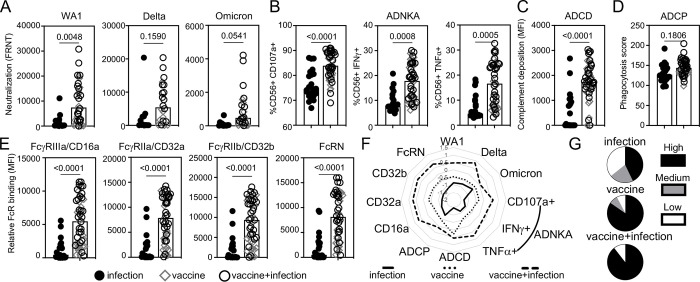
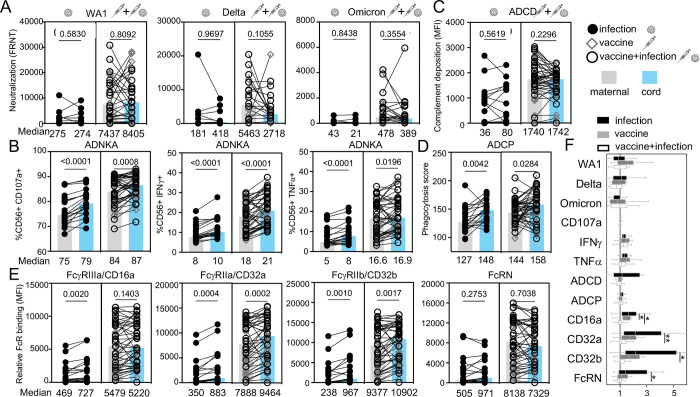
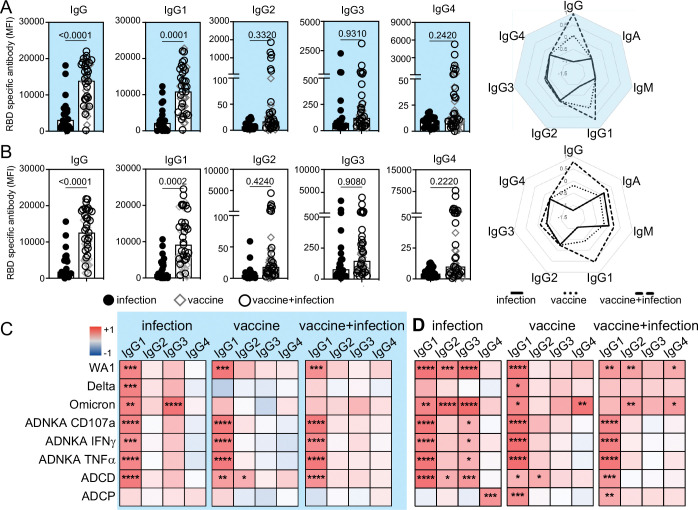
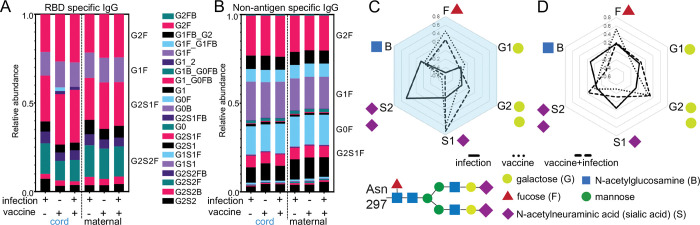
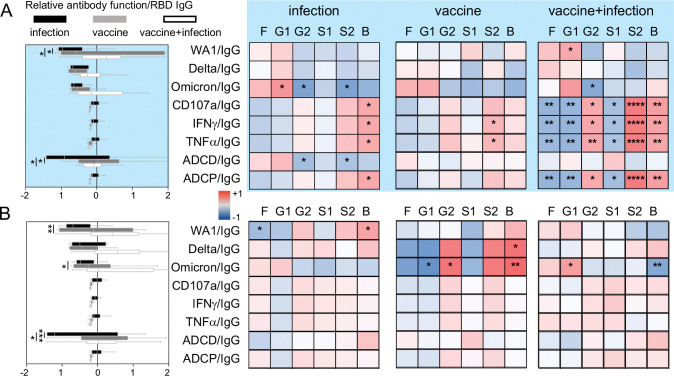
Immunization in pregnancy is a critical tool that can be leveraged to protect the infant with an immature immune system but how vaccine-induced antibodies transfer to the placenta and protect the maternal-fetal dyad remains unclear. Here, we compare matched maternal-infant cord blood from individuals who in pregnancy received mRNA COVID-19 vaccine, were infected by SARS-CoV-2, or had the combination of these two immune exposures. We find that some but not all antibody neutralizing activities and Fc effector functions are enriched with vaccination compared to infection. Preferential transport to the fetus of Fc functions and not neutralization is observed. Immunization compared to infection enriches IgG1-mediated antibody functions with changes in antibody post-translational sialylation and fucosylation that impact fetal more than maternal antibody functional potency. Thus, vaccine enhanced antibody functional magnitude, potency and breadth in the fetus are driven more by antibody glycosylation and Fc effector functions compared to maternal responses, highlighting prenatal opportunities to safeguard newborns as SARS-CoV-2 becomes endemic.
孕期免疫接种是一种关键手段,可用于保护免疫系统尚未成熟的婴儿,但疫苗诱导的抗体如何转移至胎盘并保护母婴二元体仍不清楚。在此,我们比较了孕期接种mRNA新冠疫苗、感染严重急性呼吸综合征冠状病毒2(SARS-CoV-2)或经历这两种免疫暴露组合的个体的配对母婴脐带血。我们发现,与感染相比,接种疫苗后部分而非全部抗体中和活性和Fc效应功能有所增强。观察到Fc功能而非中和作用优先转运至胎儿。与感染相比,免疫接种使IgG1介导的抗体功能增强,抗体翻译后唾液酸化和岩藻糖基化发生变化,对胎儿抗体功能效力的影响大于对母体的影响。因此,与母体反应相比,疫苗增强的胎儿抗体功能强度、效力和广度更多地由抗体糖基化和Fc效应功能驱动,这突出了在SARS-CoV-2成为地方病时保护新生儿的产前机会。