Global Computational Biology and Digital Science, Research Boehringer Ingelheim Pharma GmbH & Co.KG, Biberach, Germany.
Ardigen, Podole 76, 30-394, Kraków, Poland.
Sci Data. 2023 May 19;10(1):304. doi: 10.1038/s41597-023-02220-0.
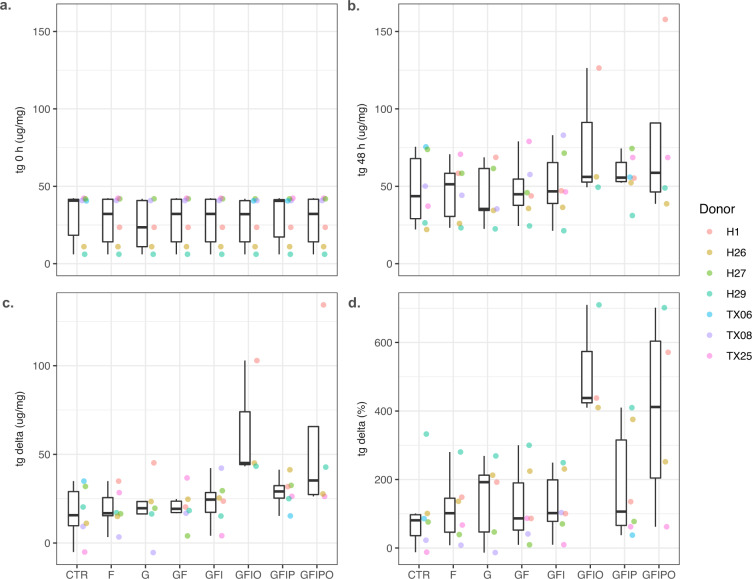
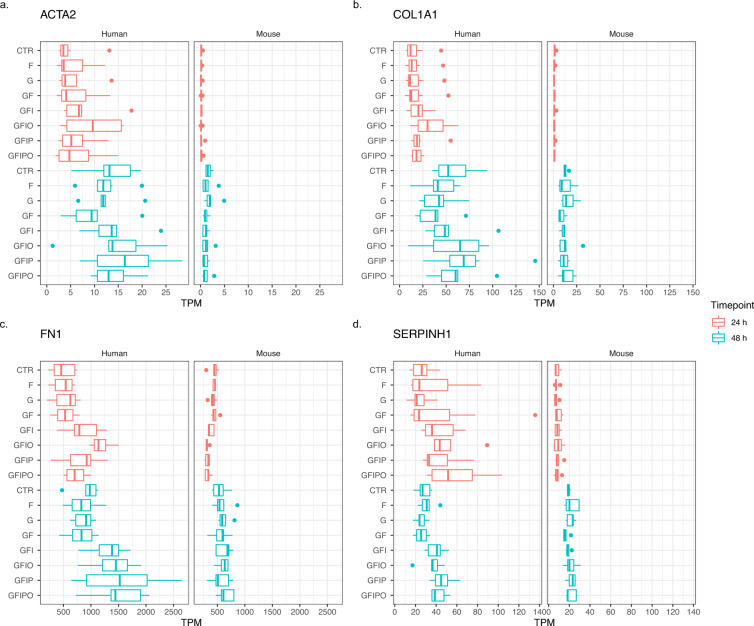
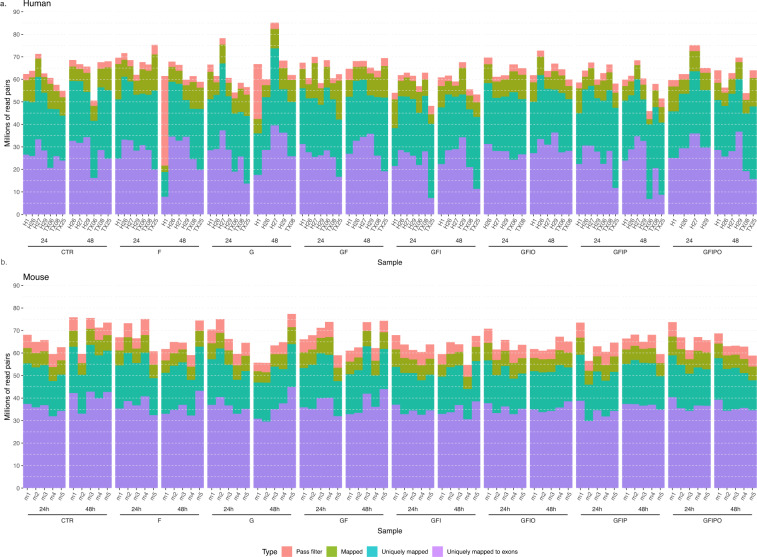
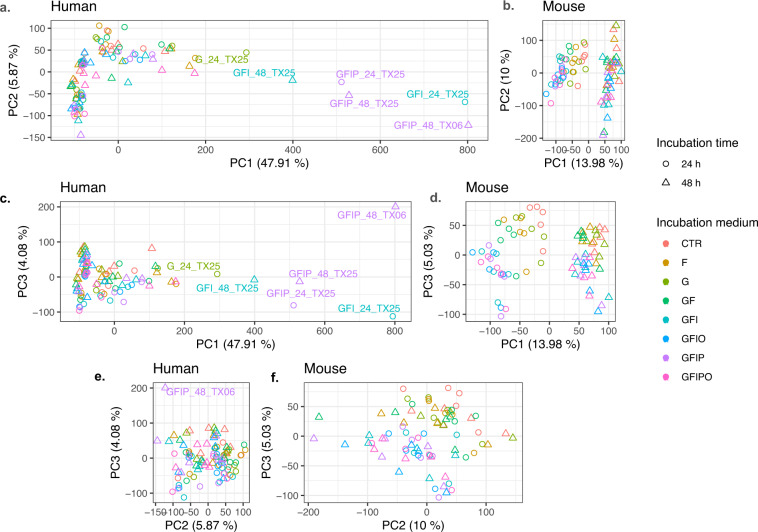
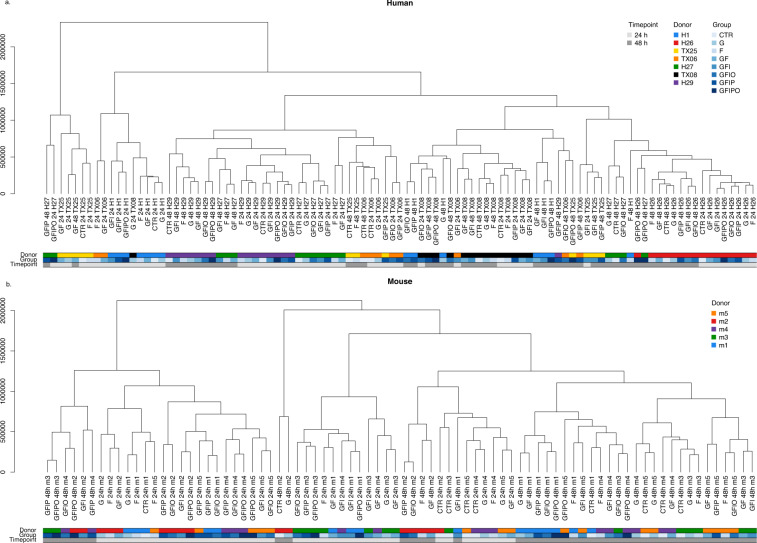
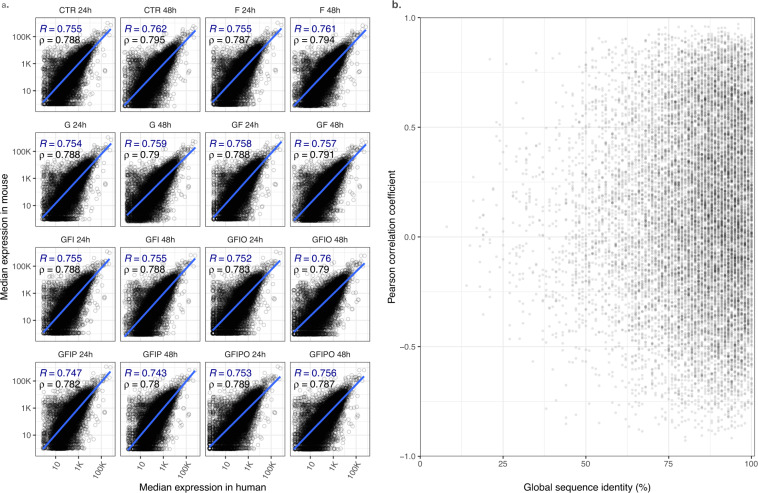
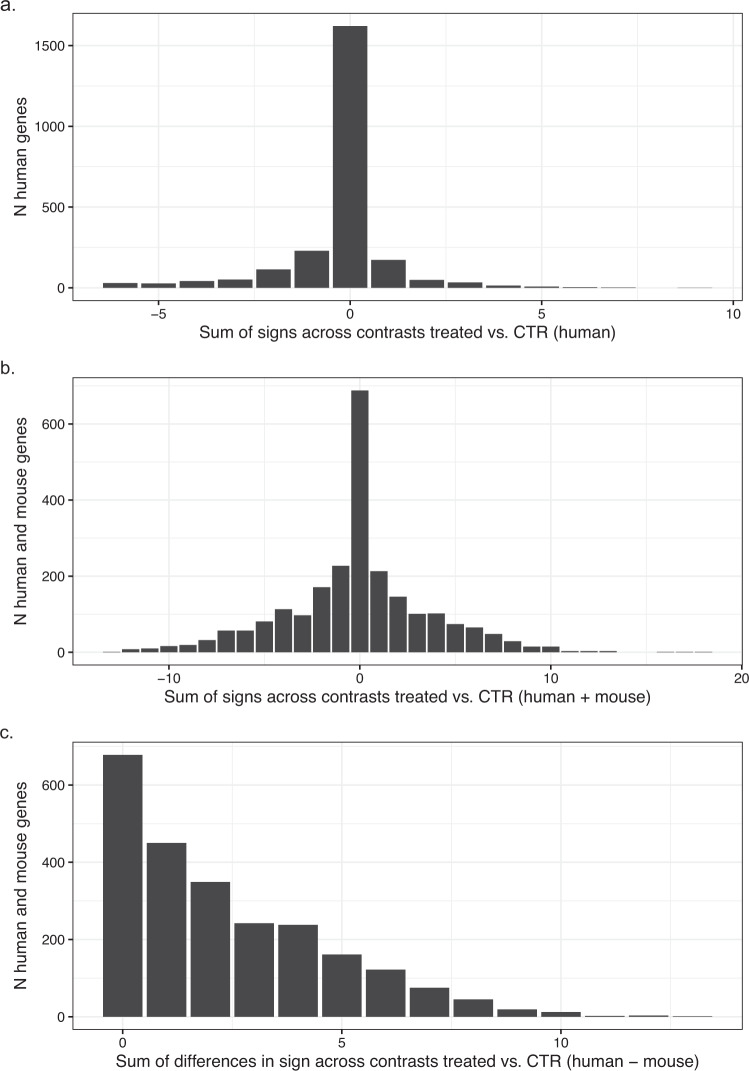
There is a high need for predictive human ex vivo models for non-alcoholic fatty liver disease (NAFLD). About a decade ago, precision-cut liver slices (PCLSs) have been established as an ex vivo assay for humans and other organisms. In the present study, we use transcriptomics by RNASeq to profile a new human and mouse PCLSs based assay for steatosis in NAFLD. Steatosis as quantified by an increase of triglycerides after 48 h in culture, is induced by incremental supplementation of sugars (glucose and fructose), insulin, and fatty acids (palmitate, oleate). We mirrored the experimental design for human vs. mouse liver organ derived PCLSs and profiled each organ at eight different nutrient conditions after 24 h and 48 h time in culture. Thus, the provided data allows a comprehensive analysis of the donor, species, time, and nutrient factor specific regulation of gene expression in steatosis, despite the heterogeneity of the human tissue samples. Exemplified this is demonstrated by ranking homologous gene pairs by convergent or divergent expression pattern across nutrient conditions.
目前,人们非常需要用于非酒精性脂肪性肝病 (NAFLD) 的预测性人体离体模型。大约十年前,人们建立了精确切割肝切片 (PCLS),作为人类和其他生物体的离体分析方法。在本研究中,我们使用转录组学 RNAseq 对一种新的基于人类和小鼠 PCLS 的脂肪变性分析方法进行了分析。通过在培养 48 小时后甘油三酯的增加来定量脂肪变性,这是通过逐步补充糖(葡萄糖和果糖)、胰岛素和脂肪酸(棕榈酸、油酸)来诱导的。我们对源自人类和小鼠肝脏的 PCLS 的实验设计进行了镜像,并在培养 24 小时和 48 小时后,对每个器官的 8 种不同营养条件进行了分析。因此,提供的数据允许综合分析供体、物种、时间和营养因素对脂肪变性中基因表达的特异性调节,尽管存在人类组织样本的异质性。通过对同源基因对在营养条件下的收敛或发散表达模式进行排序,就可以证明这一点。