Li Mei, Larsen Frederik T, van den Heuvel Marius C, Gier Konstanze, Gorter Alan R, Oosterhuis Dorenda, Bijzet Johan, de Meijer Vincent E, Ravnskjaer Kim, Nagelkerke Anika, Olinga Peter
Department of Pharmaceutical Technology and Biopharmacy, Groningen Research Institute of Pharmacy, University of Groningen, 9713 AV Groningen, The Netherlands.
Department of Biochemistry and Molecular Biology, University of Southern Denmark, 5230 Odense M, Denmark.
Nutrients. 2024 Feb 23;16(5):626. doi: 10.3390/nu16050626.
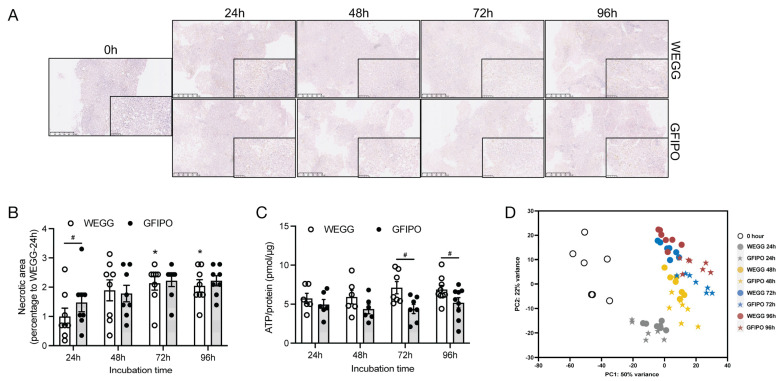
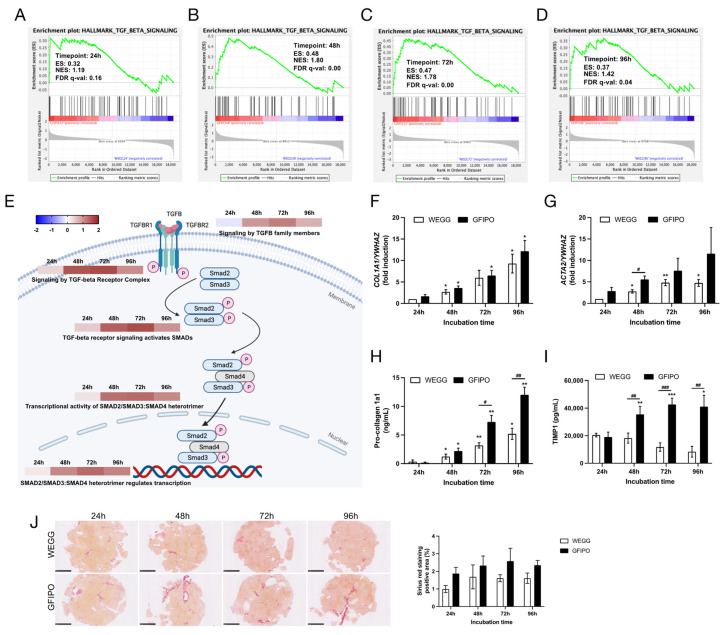
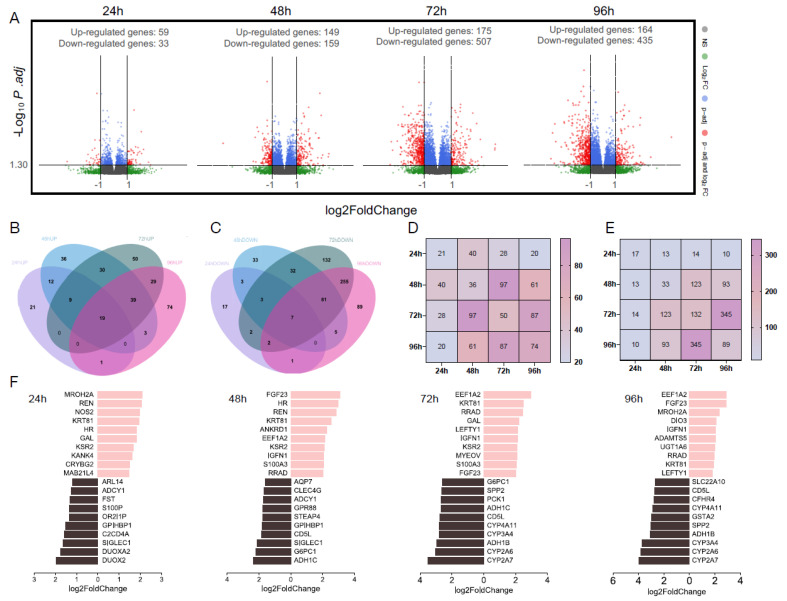
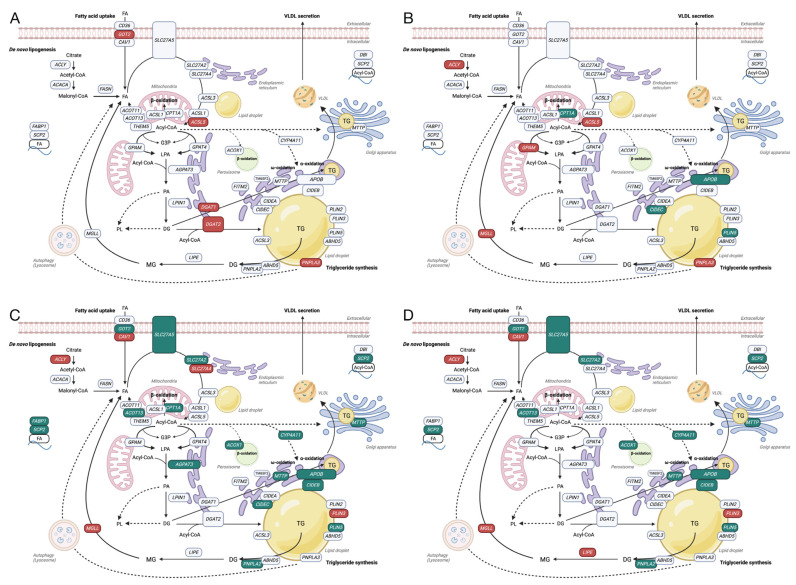
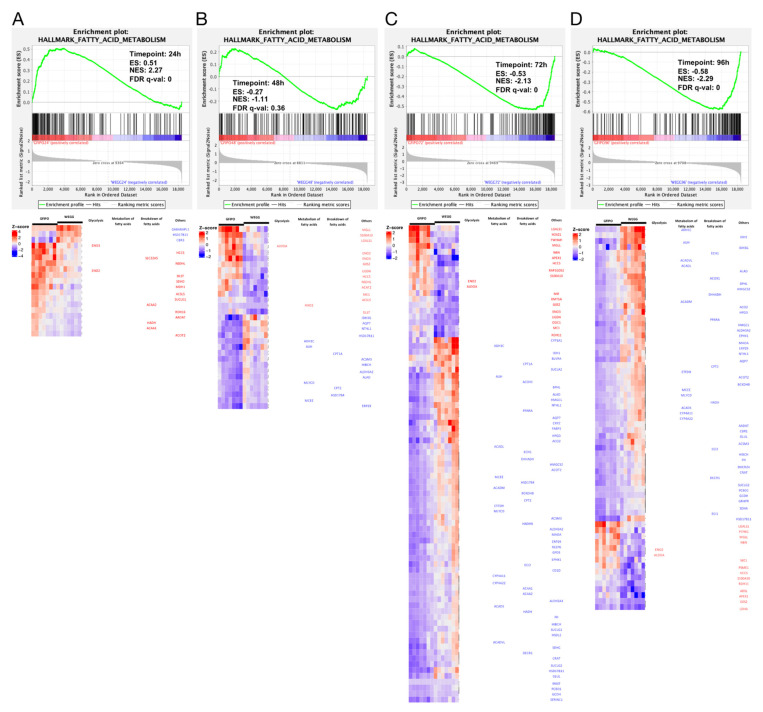
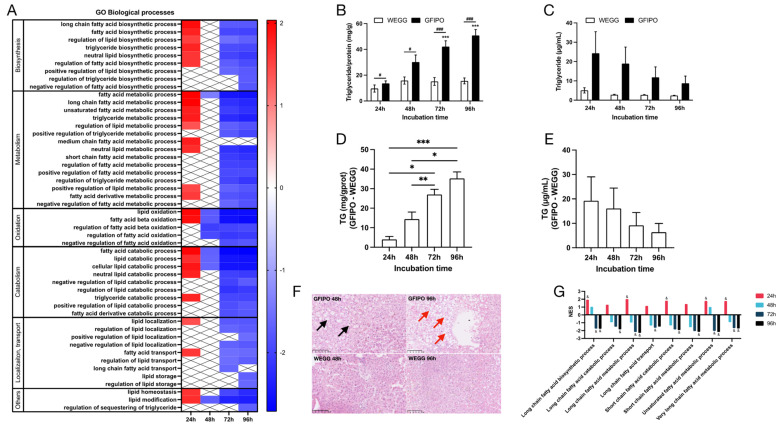
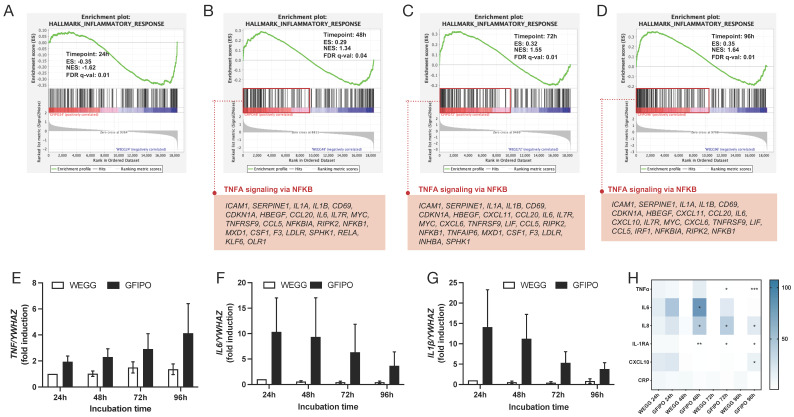
Metabolic dysfunction-associated steatotic liver disease (MASLD) is a growing healthcare problem with limited therapeutic options. Progress in this field depends on the availability of reliable preclinical models. Human precision-cut liver slices (PCLSs) have been employed to replicate the initiation of MASLD, but a comprehensive investigation into MASLD progression is still missing. This study aimed to extend the current incubation time of human PCLSs to examine different stages in MASLD. Healthy human PCLSs were cultured for up to 96 h in a medium enriched with high sugar, high insulin, and high fatty acids to induce MASLD. PCLSs displayed hepatic steatosis, characterized by accumulated intracellular fat. The development of hepatic steatosis appeared to involve a time-dependent impact on lipid metabolism, with an initial increase in fatty acid uptake and storage, and a subsequent down-regulation of lipid oxidation and secretion. PCLSs also demonstrated liver inflammation, including increased pro-inflammatory gene expression and cytokine production. Additionally, liver fibrosis was also observed through the elevated production of pro-collagen 1a1 and tissue inhibitor of metalloproteinase-1 (TIMP1). RNA sequencing showed that the tumor necrosis factor alpha (TNFα) signaling pathway and transforming growth factor beta (TGFβ) signaling pathway were consistently activated, potentially contributing to the development of inflammation and fibrosis. In conclusion, the prolonged incubation of human PCLSs can establish a robust ex vivo model for MASLD, facilitating the identification and evaluation of potential therapeutic interventions.
代谢功能障碍相关脂肪性肝病(MASLD)是一个日益严重的医疗问题,治疗选择有限。该领域的进展取决于可靠的临床前模型。人类精密肝切片(PCLSs)已被用于复制MASLD的起始过程,但对MASLD进展的全面研究仍然缺失。本研究旨在延长人类PCLSs的当前孵育时间,以检查MASLD的不同阶段。将健康的人类PCLSs在富含高糖、高胰岛素和高脂肪酸的培养基中培养长达96小时,以诱导MASLD。PCLSs表现出肝脂肪变性,其特征是细胞内脂肪积累。肝脂肪变性的发展似乎涉及对脂质代谢的时间依赖性影响,最初脂肪酸摄取和储存增加,随后脂质氧化和分泌下调。PCLSs还表现出肝脏炎症,包括促炎基因表达增加和细胞因子产生。此外,通过前胶原1a1和金属蛋白酶组织抑制剂-1(TIMP1)的产生增加也观察到了肝纤维化。RNA测序表明肿瘤坏死因子α(TNFα)信号通路和转化生长因子β(TGFβ)信号通路持续激活,可能促进炎症和纤维化的发展。总之,延长人类PCLSs的孵育时间可以建立一个强大的MASLD体外模型,有助于识别和评估潜在的治疗干预措施。