Fiebig Aretha, Schnizlein Matthew K, Pena-Rivera Selymar, Trigodet Florian, Dubey Abhishek Anil, Hennessy Miette, Basu Anindita, Pott Sebastian, Dalal Sushila, Rubin David, Sogin Mitchell L, Murat Eren A, Chang Eugene B, Crosson Sean
Department of Microbiology and Molecular Genetics, Michigan State University, East Lansing, MI, USA.
Department of Medicine, University of Chicago, Chicago, IL, USA.
bioRxiv. 2023 Oct 17:2023.05.11.540287. doi: 10.1101/2023.05.11.540287.
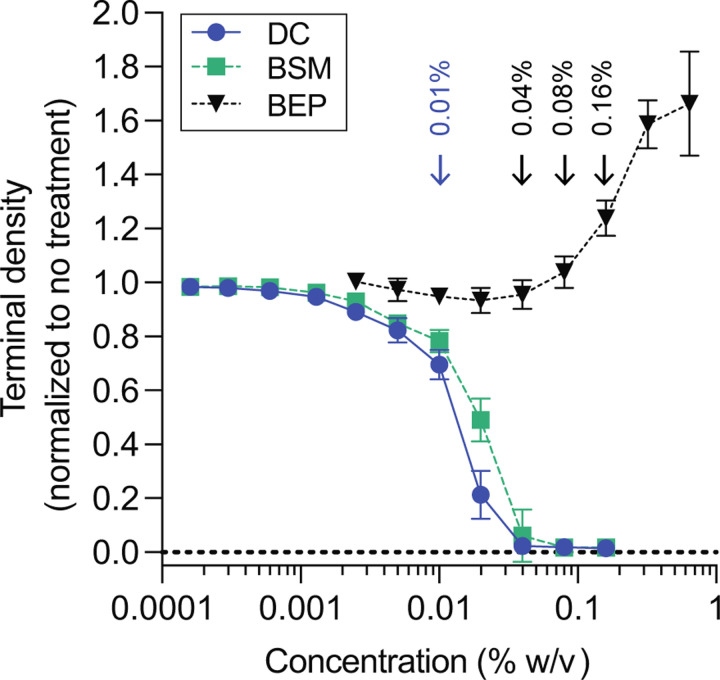
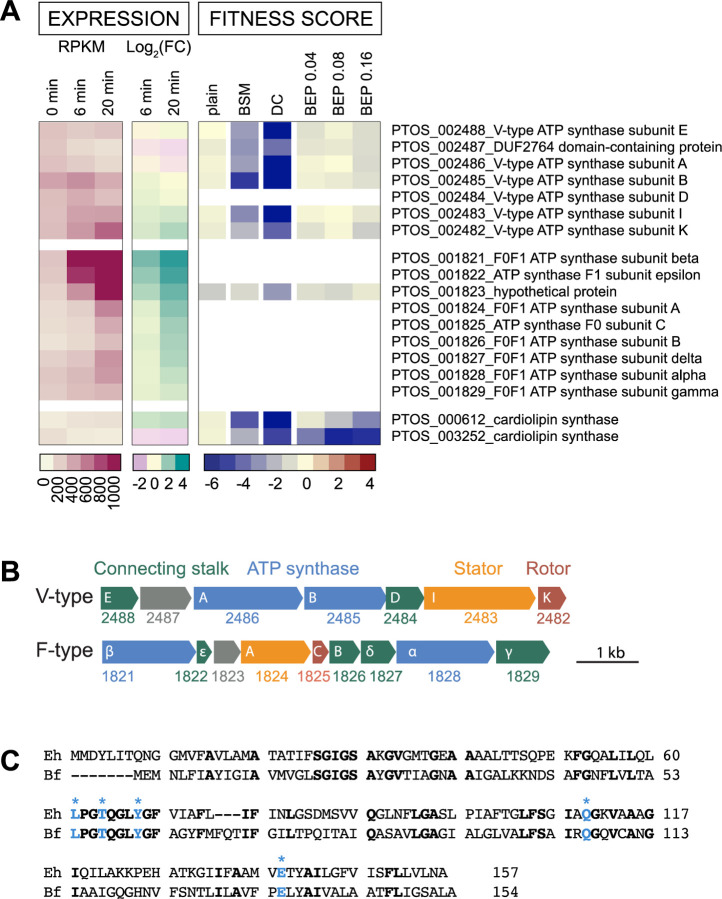
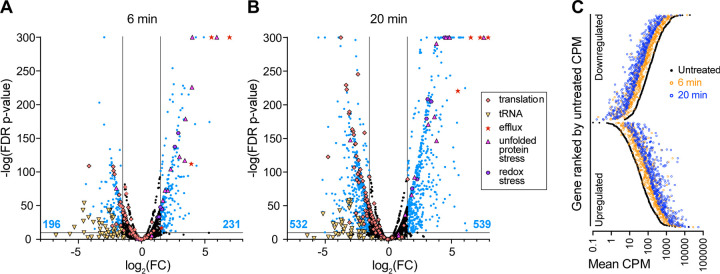
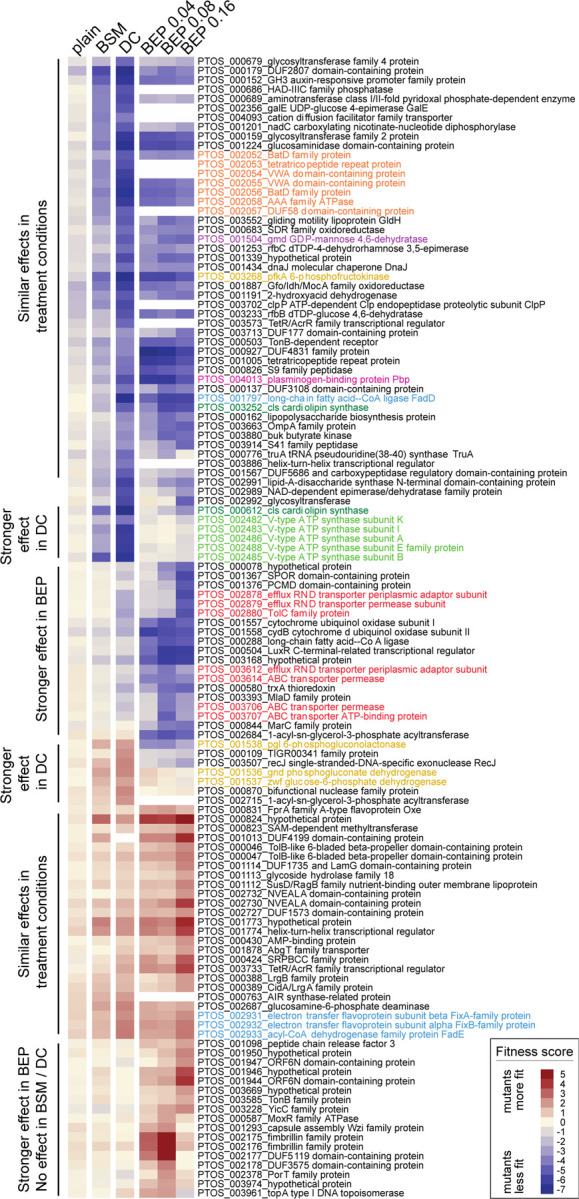
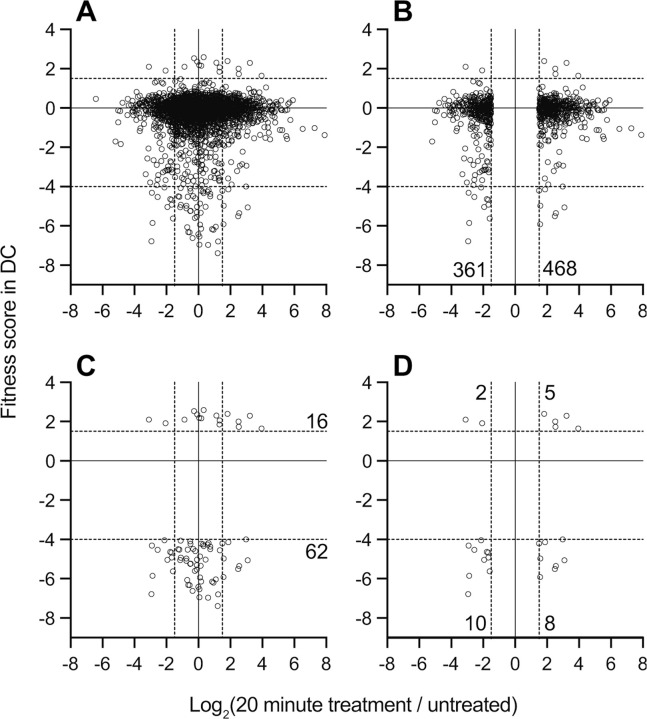
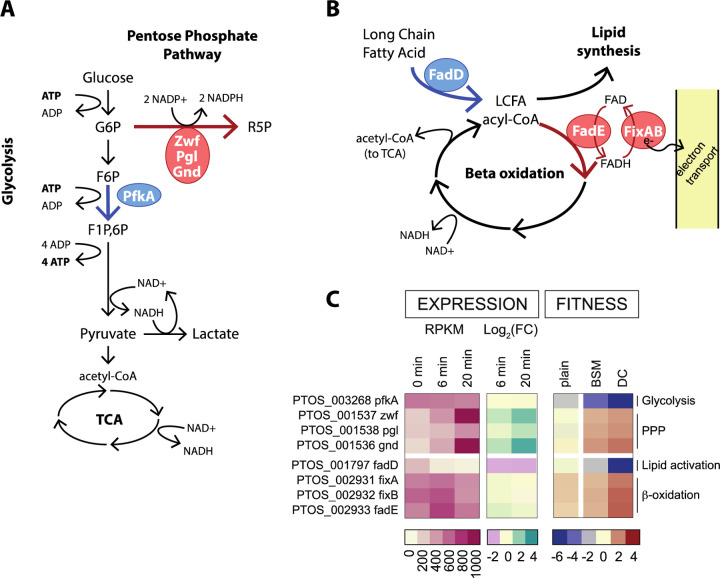
comprises 1-5% of the gut microbiota in healthy humans but can expand to >50% of the population in ulcerative colitis (UC) patients experiencing inflammation. The mechanisms underlying such microbial blooms are poorly understood, but the gut of UC patients has physicochemical features that differ from healthy patients and likely impact microbial physiology. For example, levels of the secondary bile acid deoxycholate (DC) are highly reduced in the ileoanal J-pouch of UC colectomy patients. We isolated a strain from a UC patient with pouch inflammation (i.e. pouchitis) and developed it as a genetic model system to identify genes and pathways that are regulated by DC and that impact fitness in DC and crude bile. Treatment of with a physiologically relevant concentration of DC reduced cell growth and remodeled transcription of one-quarter of the genome. DC strongly induced expression of chaperones and select transcriptional regulators and efflux systems and downregulated protein synthesis genes. Using a barcoded collection of ≈50,000 unique insertional mutants, we further defined genes that contribute to fitness in media containing DC or crude bile. Genes impacting cell envelope functions including cardiolipin synthesis, cell surface glycosylation, and systems implicated in sodium-dependent bioenergetics were major bile acid fitness factors. As expected, there was limited overlap between transcriptionally regulated genes and genes that impacted fitness in bile when disrupted. Our study provides a genome-scale view of a bile response and genetic determinants of its fitness in DC and crude bile.
在健康人体内占肠道微生物群的1%-5%,但在患有炎症的溃疡性结肠炎(UC)患者中,其比例可扩大至超过50%。这种微生物大量繁殖的潜在机制尚不清楚,但UC患者的肠道具有与健康患者不同的物理化学特征,可能会影响微生物生理学。例如,UC结肠切除术患者回肠肛管J袋中次级胆汁酸脱氧胆酸(DC)的水平显著降低。我们从一名患有袋炎(即囊炎)的UC患者中分离出一株菌株,并将其开发为一种遗传模型系统,以鉴定受DC调控且影响在DC和粗胆汁中适应性的基因和途径。用生理相关浓度的DC处理该菌株可降低细胞生长,并重塑四分之一基因组的转录。DC强烈诱导伴侣蛋白、特定转录调节因子和外排系统的表达,并下调蛋白质合成基因。使用约50000个独特插入突变体的条形码文库,我们进一步确定了在含有DC或粗胆汁的培养基中有助于适应性的基因。影响细胞膜功能的基因,包括心磷脂合成、细胞表面糖基化以及与钠依赖性生物能量学相关的系统,是主要的胆汁酸适应性因子。正如预期的那样,转录调控基因与破坏时影响胆汁适应性的基因之间的重叠有限。我们的研究提供了胆汁反应及其在DC和粗胆汁中适应性的遗传决定因素的全基因组视角。