Department of Otorhinolaryngology, Head and Neck Surgery, Section Experimental and Translational Head and Neck Oncology, Heidelberg University Hospital, 69120 Heidelberg, Germany.
Department of Otorhinolaryngology, Head and Neck Surgery, Klinikum rechts der Isar, Technical University Munich, 81675 Munich, Germany.
Int J Mol Sci. 2023 May 18;24(10):8938. doi: 10.3390/ijms24108938.
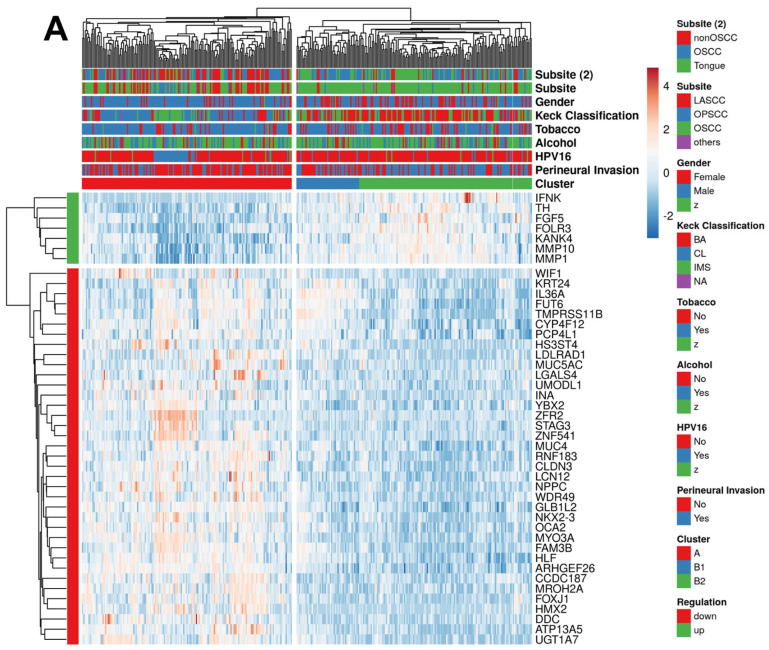
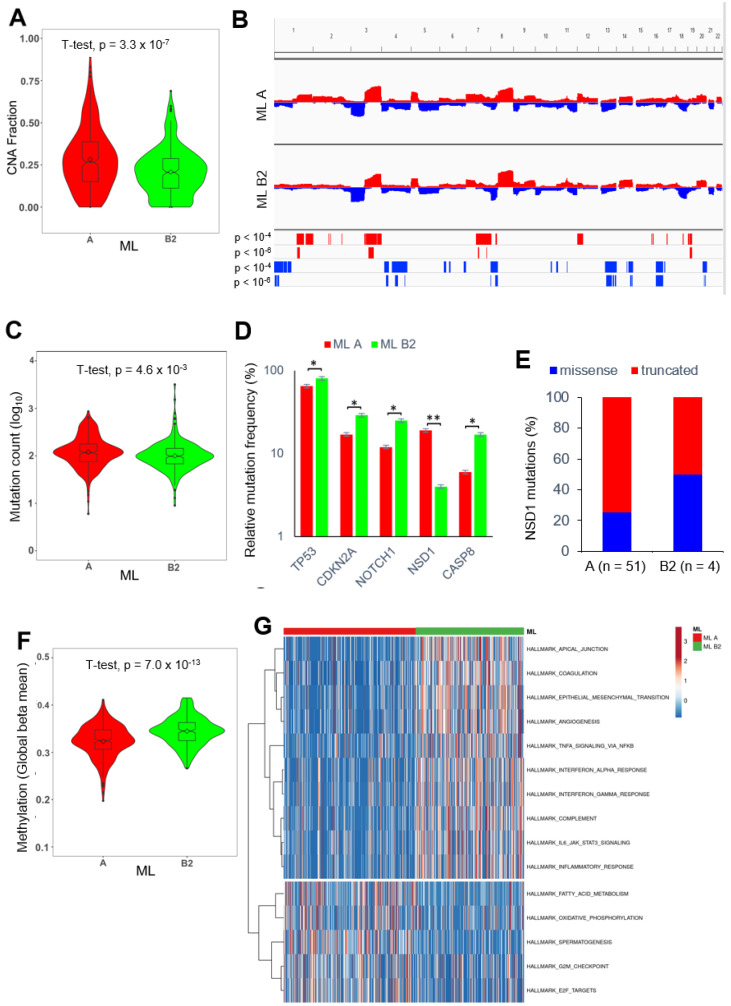
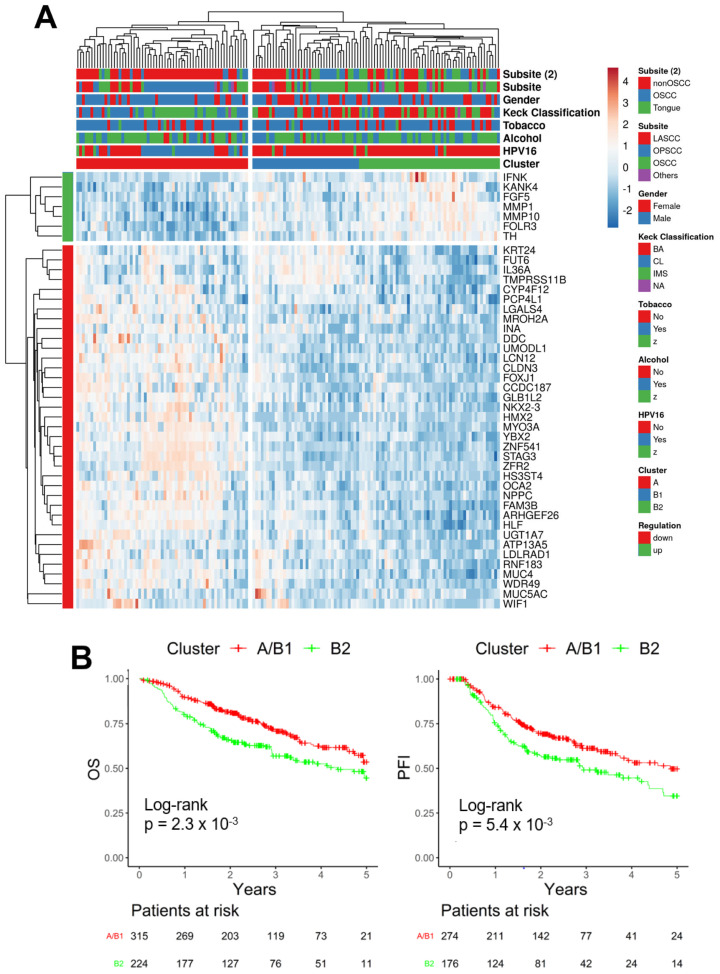
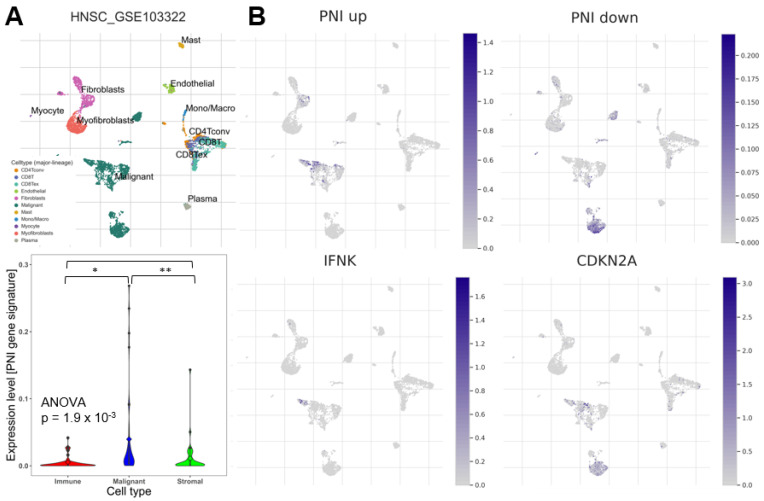
Perineural invasion is a prevalent pathological finding in head and neck squamous cell carcinoma and a risk factor for unfavorable survival. An adequate diagnosis of perineural invasion by pathologic examination is limited due to the availability of tumor samples from surgical resection, which can arise in cases of definitive nonsurgical treatment. To address this medical need, we established a random forest prediction model for the risk assessment of perineural invasion, including occult perineural invasion, and characterized distinct cellular and molecular features based on our new and extended classification. RNA sequencing data of head and neck squamous cell carcinoma from The Cancer Genome Atlas were used as a training cohort to identify differentially expressed genes that are associated with perineural invasion. A random forest classification model was established based on these differentially expressed genes and was validated by inspection of H&E-stained whole image slides. Differences in epigenetic regulation and the mutational landscape were detected by an integrative analysis of multiomics data and single-cell RNA-sequencing data were analyzed. We identified a 44-gene expression signature related to perineural invasion and enriched for genes mainly expressed in cancer cells according to single-cell RNA-sequencing data. A machine learning model was trained based on the expression pattern of the 44-gene set with the unique feature to predict occult perineural invasion. This extended classification model enabled a more accurate analysis of alterations in the mutational landscape and epigenetic regulation by DNA methylation as well as quantitative and qualitative differences in the cellular composition in the tumor microenvironment between head and neck squamous cell carcinoma with or without perineural invasion. In conclusion, the newly established model could not only complement histopathologic examination as an additional diagnostic tool but also guide the identification of new drug targets for therapeutic intervention in future clinical trials with head and neck squamous cell carcinoma patients at a higher risk for treatment failure due to perineural invasion.
神经周围侵犯是头颈部鳞状细胞癌中一种常见的病理发现,也是预后不良的危险因素。由于手术切除时获得的肿瘤样本有限,因此通过病理检查来充分诊断神经周围侵犯受到限制,这种情况可能出现在非手术治疗的确定性治疗中。为了满足这一医疗需求,我们建立了一个用于评估神经周围侵犯风险(包括隐匿性神经周围侵犯)的随机森林预测模型,并根据我们的新扩展分类,对不同的细胞和分子特征进行了特征描述。使用来自癌症基因组图谱的头颈部鳞状细胞癌的 RNA 测序数据作为训练队列,以鉴定与神经周围侵犯相关的差异表达基因。基于这些差异表达基因建立了随机森林分类模型,并通过检查 H&E 染色的全图像幻灯片进行了验证。通过整合多组学数据和单细胞 RNA 测序数据进行分析,检测到表观遗传调控和突变景观的差异。我们确定了一个与神经周围侵犯相关的 44 个基因表达特征,并根据单细胞 RNA 测序数据,该特征主要富集在癌细胞中表达的基因。基于 44 个基因集的表达模式,我们训练了一个机器学习模型,具有预测隐匿性神经周围侵犯的独特特征。这种扩展分类模型能够更准确地分析神经周围侵犯的头颈部鳞状细胞癌中突变景观和表观遗传调控的改变,以及肿瘤微环境中癌细胞组成的定量和定性差异。总之,新建立的模型不仅可以作为组织病理学检查的补充诊断工具,而且还可以指导在未来的临床试验中识别新的药物靶点,为因神经周围侵犯而治疗失败风险较高的头颈部鳞状细胞癌患者进行治疗干预。