Department of Cardiovascular Medicine, The First Hospital of Jilin University, Changchun, China.
State Key Laboratory of Bioactive Substance and Function of Natural Medicines, Institute of Materia Medica, Chinese Academy of Medical Sciences/Peking Union Medical College, Beijing, China.
Front Cell Infect Microbiol. 2023 May 16;13:1191936. doi: 10.3389/fcimb.2023.1191936. eCollection 2023.
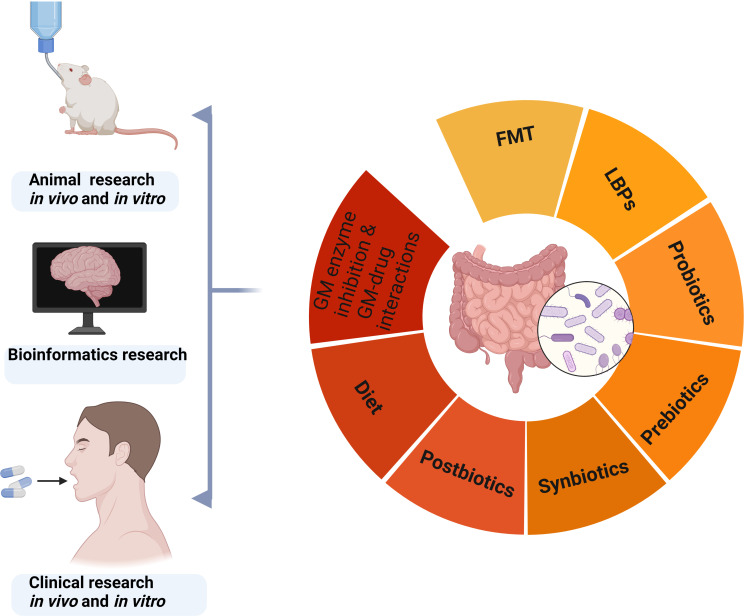
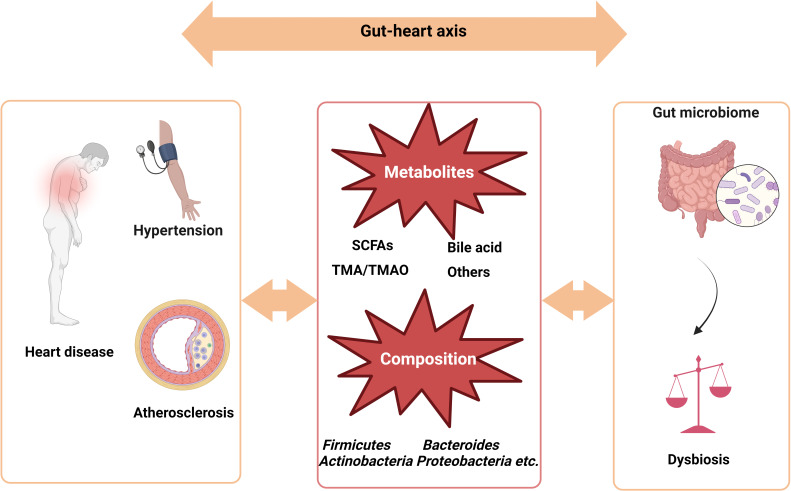
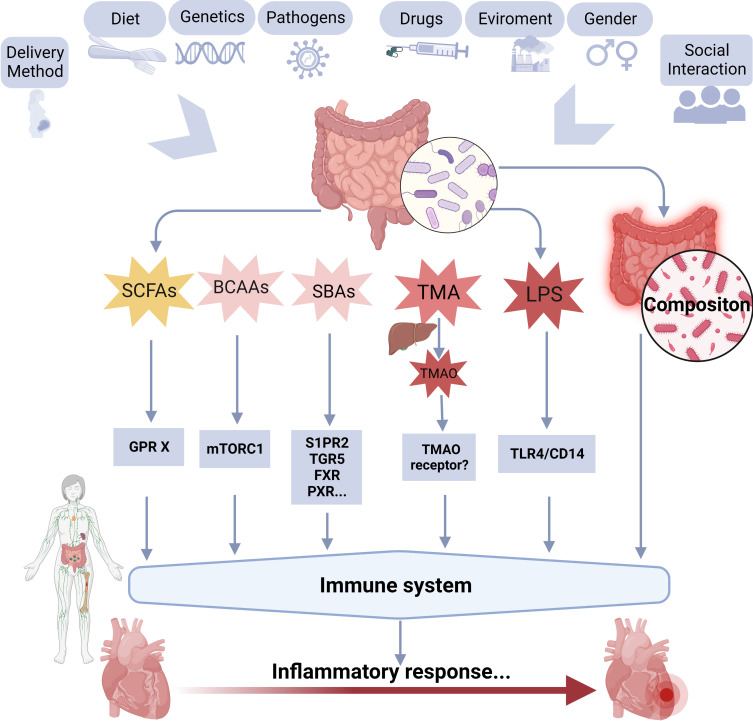
Numerous studies have demonstrated that gut microbiota plays an important role in the development and treatment of different cardiovascular diseases, including hypertension, heart failure, myocardial infarction, arrhythmia, and atherosclerosis. Furthermore, evidence from recent studies has shown that gut microbiota contributes to the development of myocarditis. Myocarditis is an inflammatory disease that often results in myocardial damage. Myocarditis is a common cause of sudden cardiac death in young adults. The incidence of myocarditis and its associated dilated cardiomyopathy has been increasing yearly. Myocarditis has gained significant attention on social media due to its association with both COVID-19 and COVID-19 vaccinations. However, the current therapeutic options for myocarditis are limited. In addition, little is known about the potential therapeutic targets of myocarditis. In this study, we review (1) the evidence on the gut-heart axis, (2) the crosslink between gut microbiota and the immune system, (3) the association between myocarditis and the immune system, (4) the impact of gut microbiota and its metabolites on myocarditis, (5) current strategies for modulating gut microbiota, (6) challenges and future directions for targeted gut microbiota in the treatment of myocarditis. The approach of targeting the gut microbiota in myocarditis is still in its infancy, and this is the study to explore the gut microbiota-immune system-myocarditis axis. Our findings are expected to pave the way for the use of gut microbiota as a potential therapeutic target in the treatment of myocarditis.
大量研究表明,肠道微生物群在不同心血管疾病(包括高血压、心力衰竭、心肌梗死、心律失常和动脉粥样硬化)的发生和治疗中发挥着重要作用。此外,最近的研究证据表明,肠道微生物群有助于心肌炎的发生。心肌炎是一种炎症性疾病,常导致心肌损伤。心肌炎是年轻人心源性猝死的常见原因。心肌炎及其相关扩张型心肌病的发病率逐年上升。由于心肌炎与 COVID-19 和 COVID-19 疫苗接种都有关联,因此它在社交媒体上引起了广泛关注。然而,目前心肌炎的治疗选择有限。此外,人们对心肌炎的潜在治疗靶点知之甚少。在本研究中,我们回顾了(1)肠道-心脏轴的证据,(2)肠道微生物群与免疫系统的交联,(3)心肌炎与免疫系统的关联,(4)肠道微生物群及其代谢物对心肌炎的影响,(5)调节肠道微生物群的当前策略,(6)靶向心肌炎治疗中肠道微生物群的挑战和未来方向。靶向心肌炎中肠道微生物群的方法仍处于起步阶段,这是一项探索肠道微生物群-免疫系统-心肌炎轴的研究。我们的发现有望为将肠道微生物群作为心肌炎治疗的潜在治疗靶点铺平道路。