Department of Ophthalmology and Visual Sciences, Case Western Reserve University, Cleveland, OH 44106, USA.
Prayoga Institute of Education Research, Bengaluru, KA 560116, India.
Chem Rec. 2023 Oct;23(10):e202300113. doi: 10.1002/tcr.202300113. Epub 2023 Jun 2.
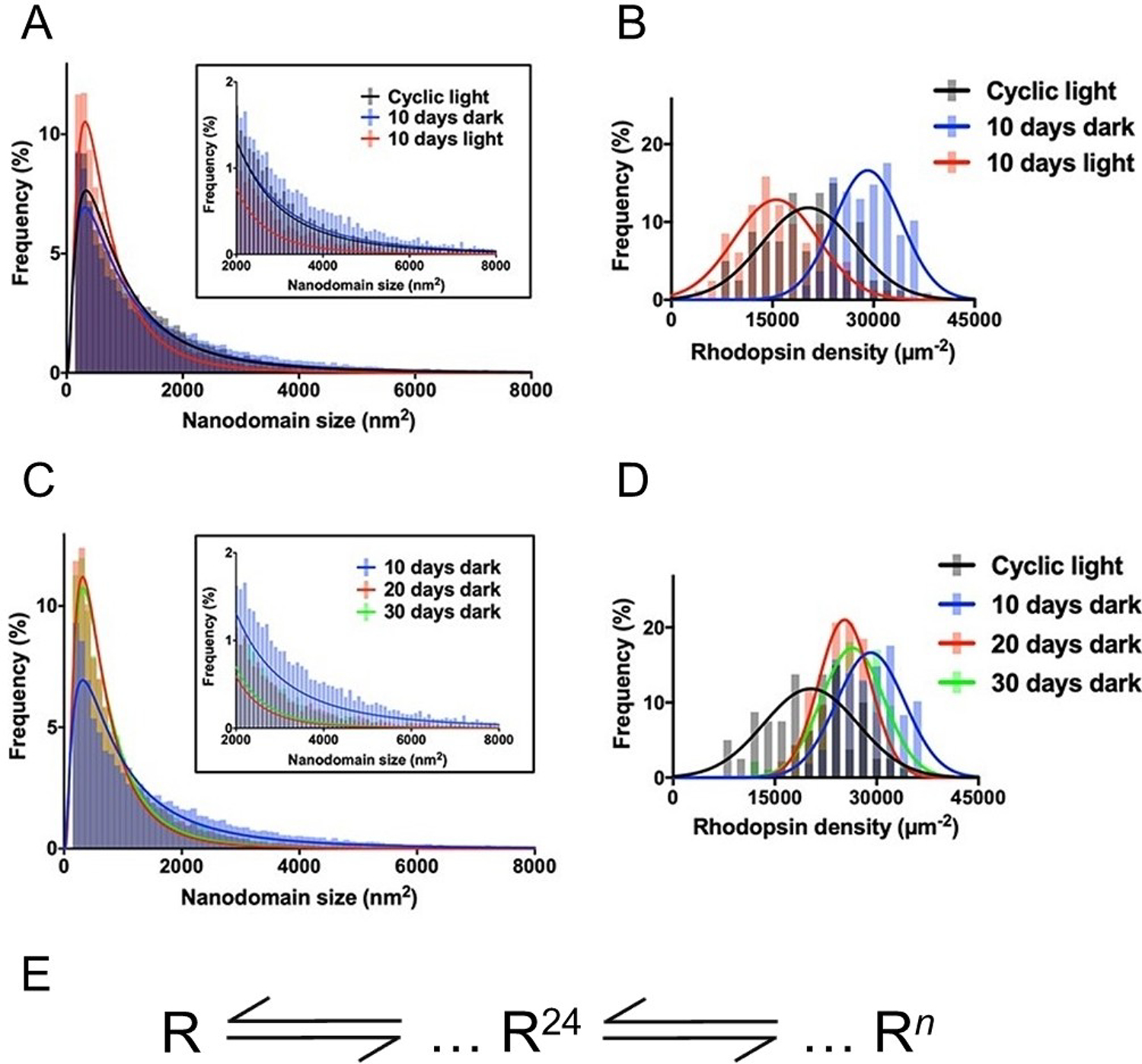
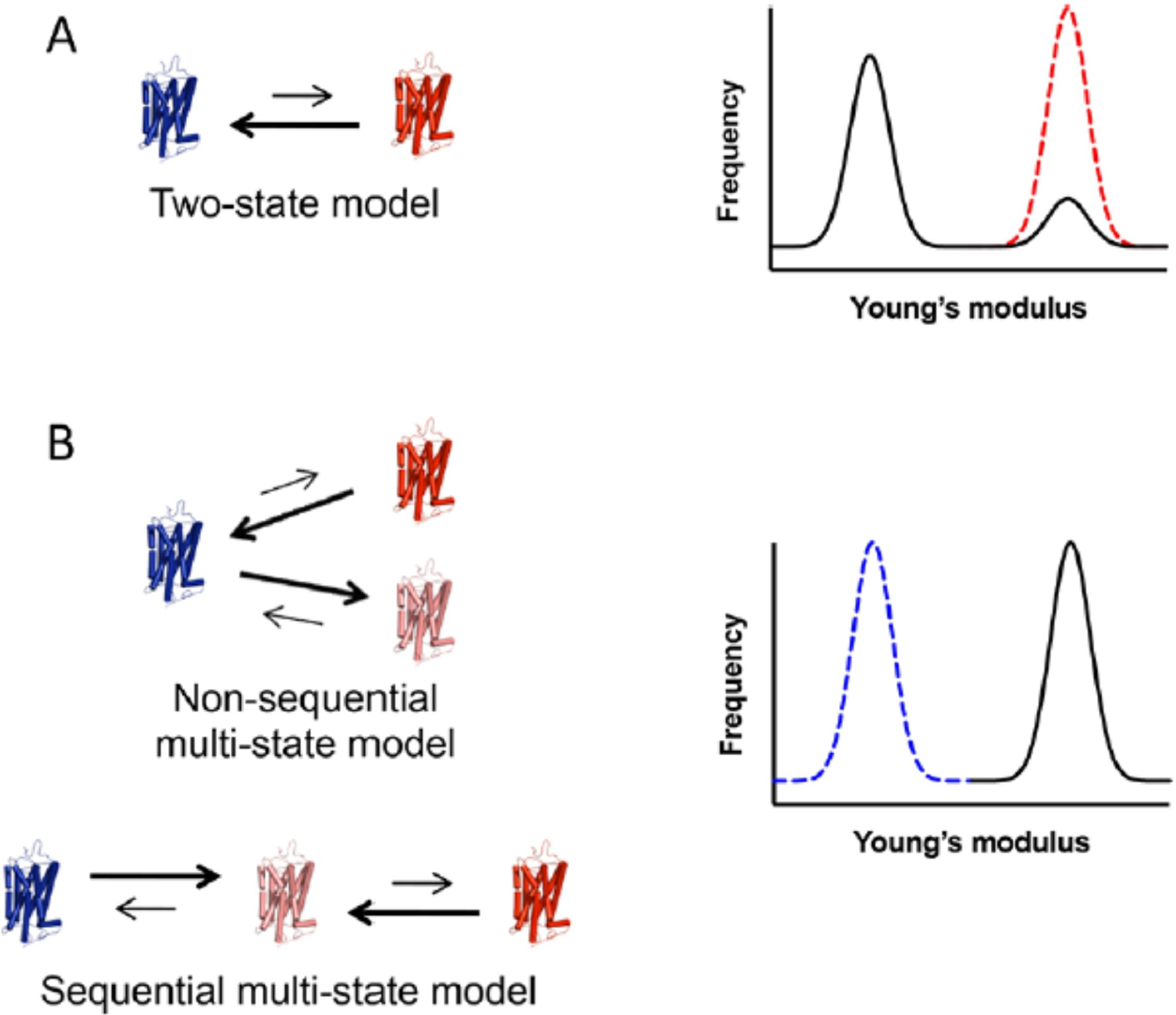
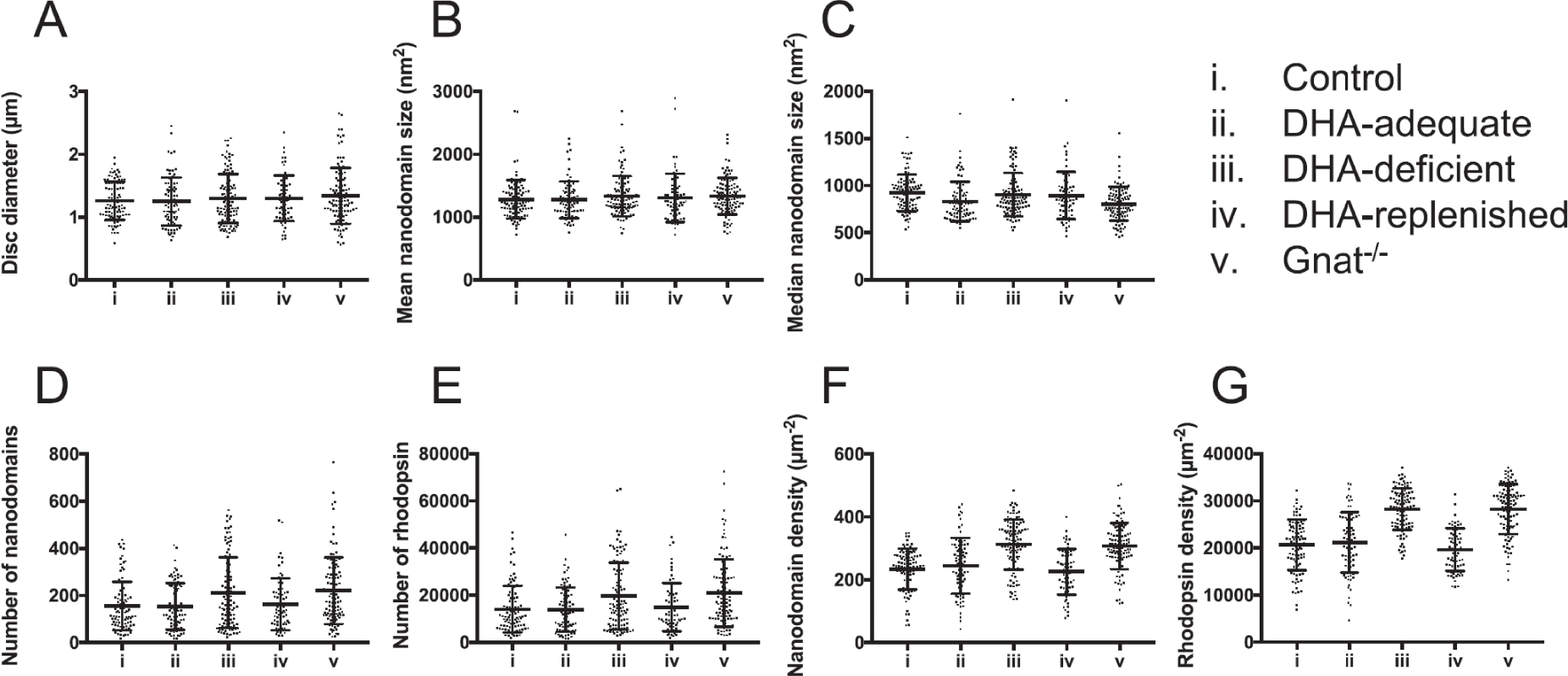
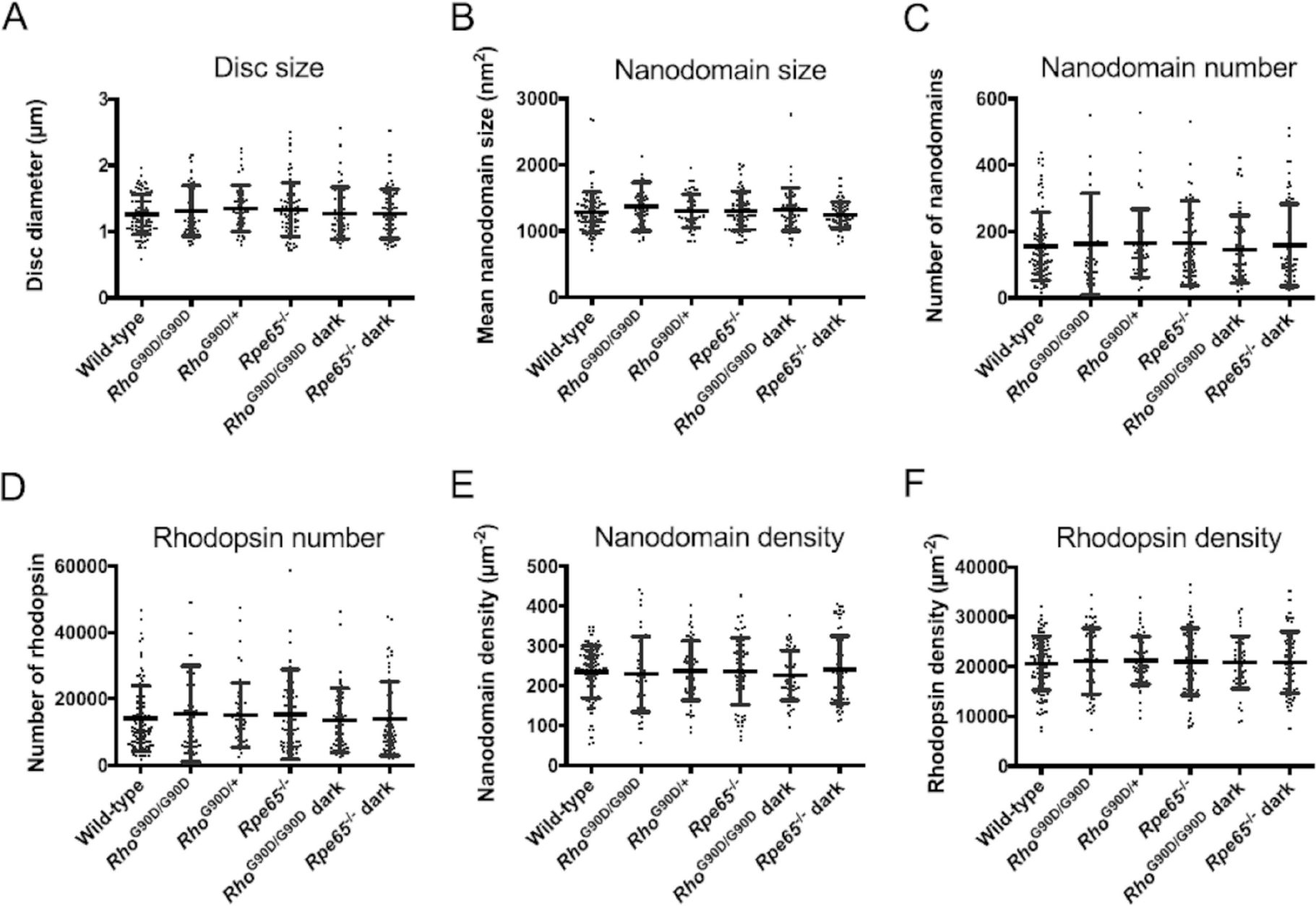
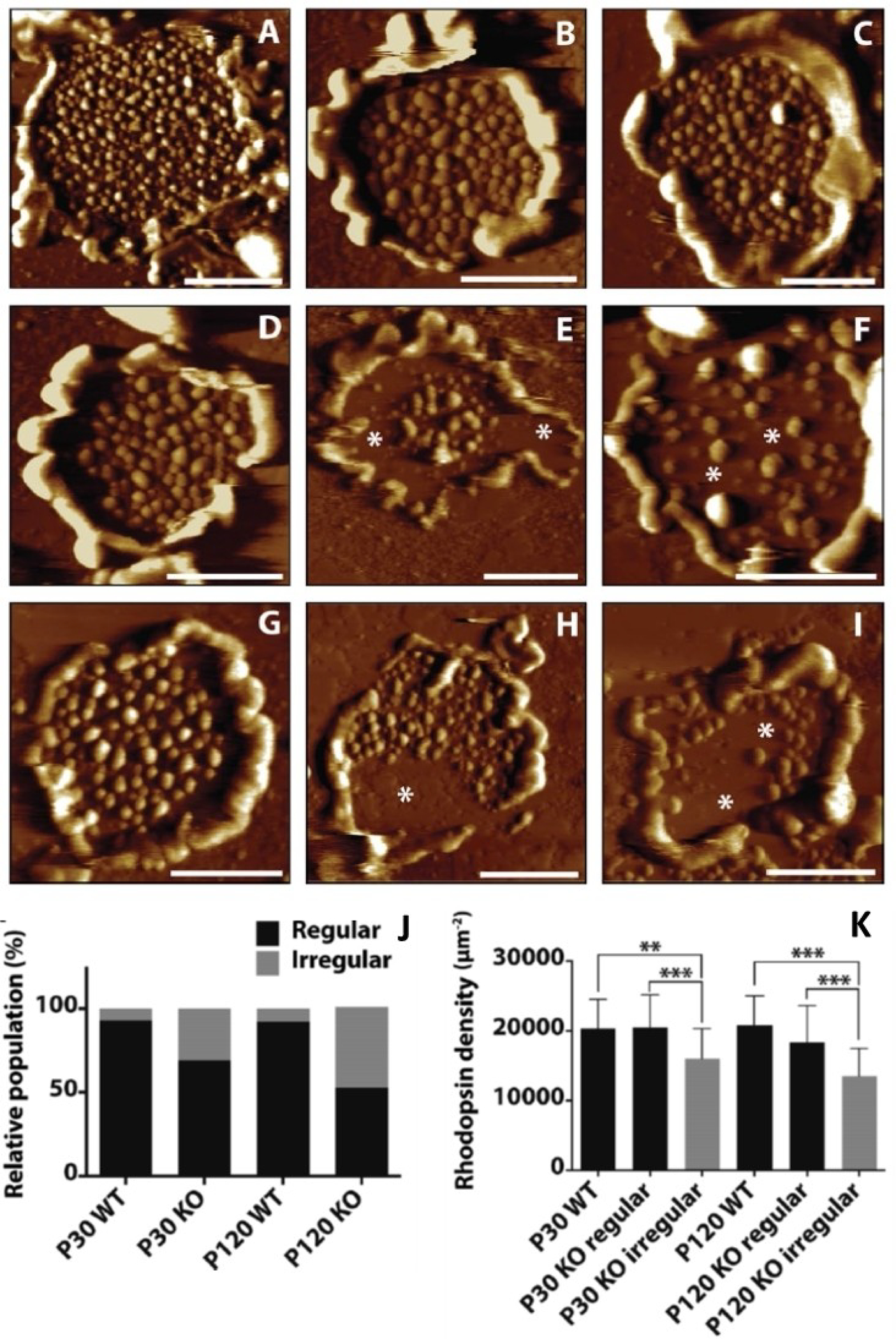
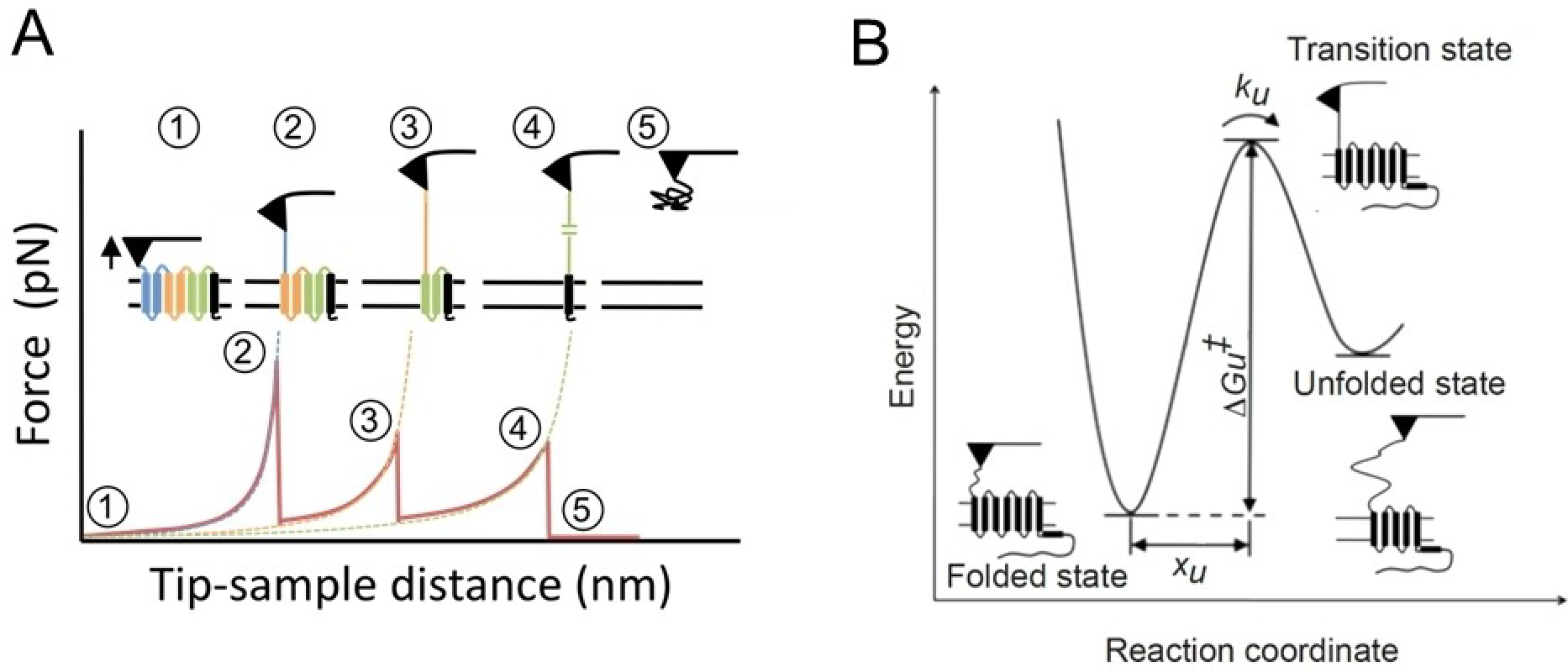
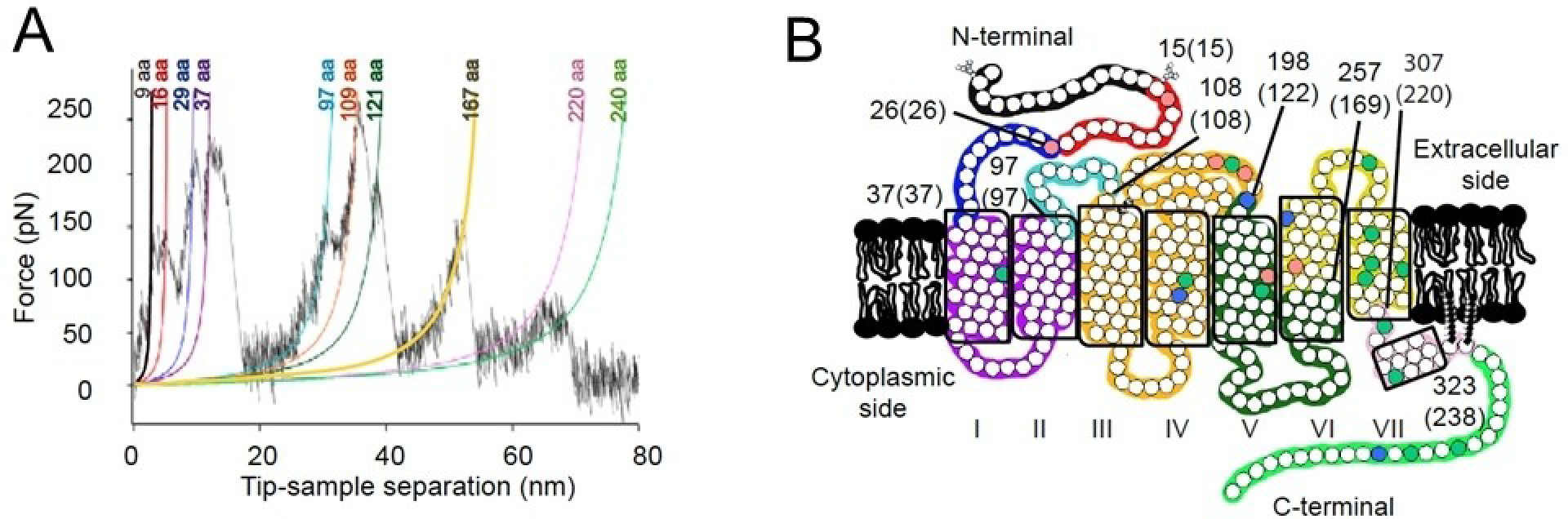
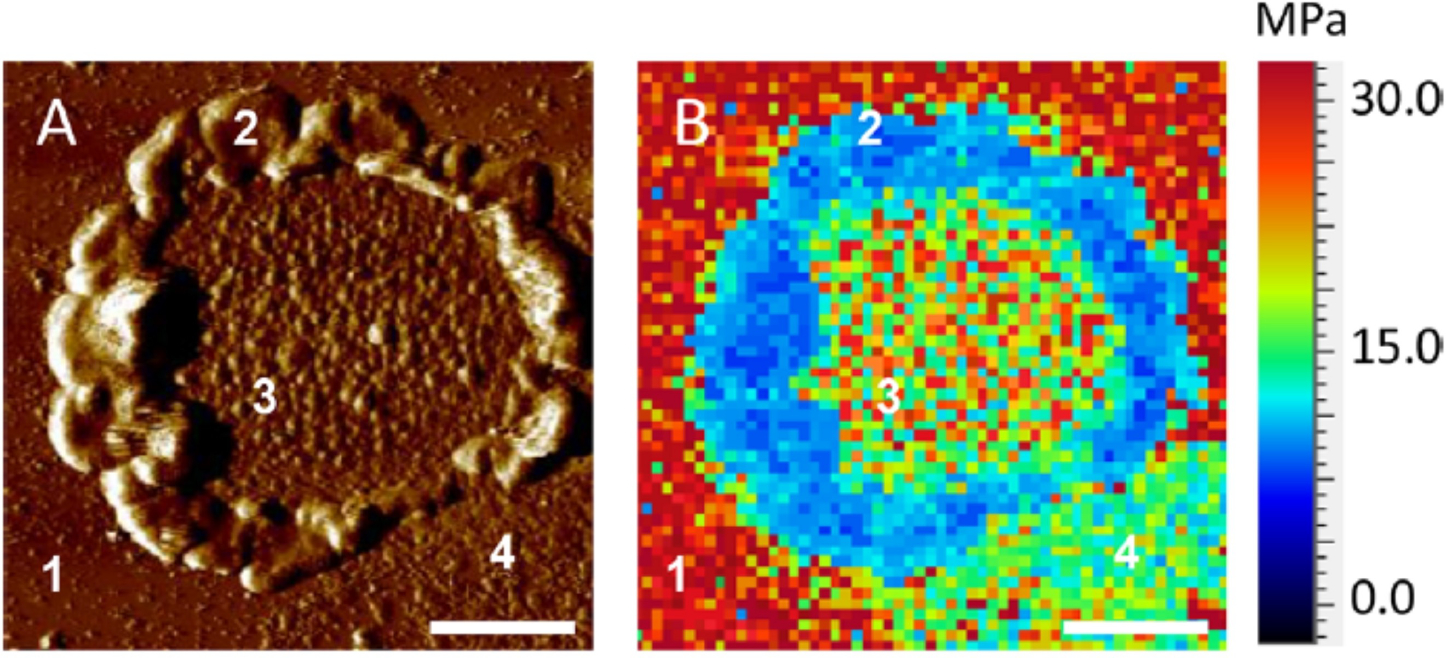
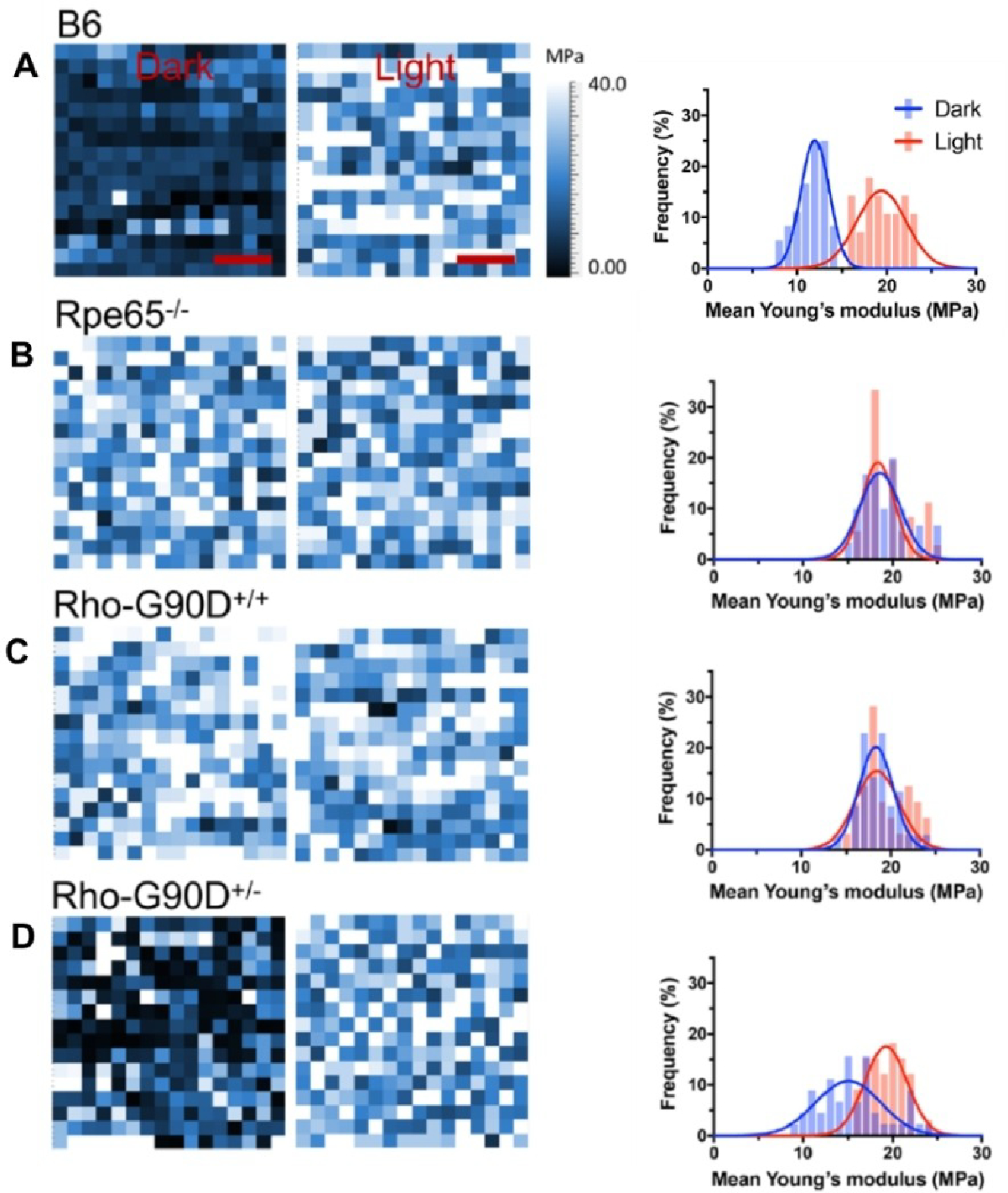
Rhodopsin is a G protein-coupled receptor (GPCR) present in the rod outer segment (ROS) of photoreceptor cells that initiates the phototransduction cascade required for scotopic vision. Due to the remarkable advancements in technological tools, the chemistry of rhodopsin has begun to unravel especially over the past few decades, but mostly at the ensemble scale. Atomic force microscopy (AFM) is a tool capable of providing critical information from a single-molecule point of view. In this regard, to bolster our understanding of rhodopsin at the nanoscale level, AFM-based imaging, force spectroscopy, and nano-indentation techniques were employed on ROS disc membranes containing rhodopsin, isolated from vertebrate species both in normal and diseased states. These AFM studies on samples from native retinal tissue have provided fundamental insights into the structure and function of rhodopsin under normal and dysfunctional states. We review here the findings from these AFM studies that provide important insights on the supramolecular organization of rhodopsin within the membrane and factors that contribute to this organization, the molecular interactions stabilizing the structure of the receptor and factors that can modify those interactions, and the mechanism underlying constitutive activity in the receptor that can cause disease.
视紫红质是一种存在于光感受器细胞的视杆外段(ROS)中的 G 蛋白偶联受体(GPCR),它启动了暗视觉所需的光转导级联反应。由于技术工具的显著进步,视紫红质的化学性质开始被揭示,尤其是在过去几十年,但主要是在整体尺度上。原子力显微镜(AFM)是一种能够从单分子角度提供关键信息的工具。在这方面,为了增强我们对视紫红质在纳米尺度水平的理解,使用了基于 AFM 的成像、力谱和纳米压痕技术,对从正常和患病状态的脊椎动物物种中分离出来的含有视紫红质的 ROS 盘膜进行了研究。这些对天然视网膜组织样本的 AFM 研究提供了对视紫红质在正常和功能失调状态下的结构和功能的基本认识。我们在这里回顾了这些 AFM 研究的结果,这些结果对视紫红质在膜内的超分子组织以及导致这种组织的因素、稳定受体结构的分子相互作用以及可以修饰这些相互作用的因素以及受体的组成活性的机制提供了重要的见解,这种活性可能导致疾病。