Institute of Pharmacology & Toxicology, College of Pharmaceutical Sciences, School of Medicine, Zhejiang University, Hangzhou, China.
Key Laboratory of Neuropharmacology and Translational Medicine of Zhejiang Province, School of Pharmaceutical Sciences, Zhejiang Chinese Medical University, Hangzhou, China.
Signal Transduct Target Ther. 2023 Jun 7;8(1):225. doi: 10.1038/s41392-023-01433-4.
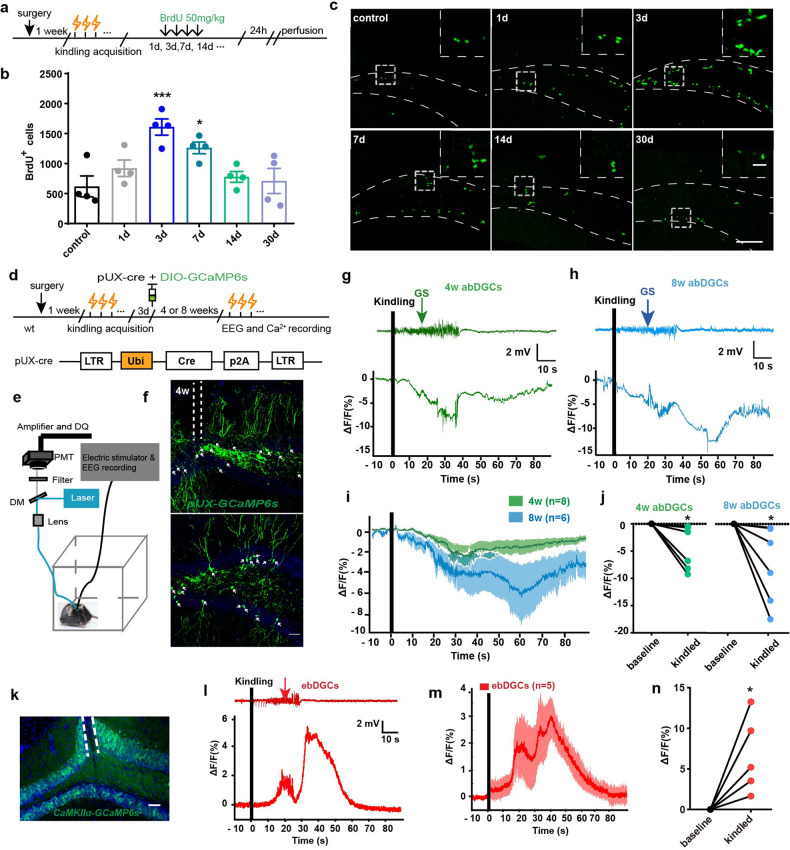
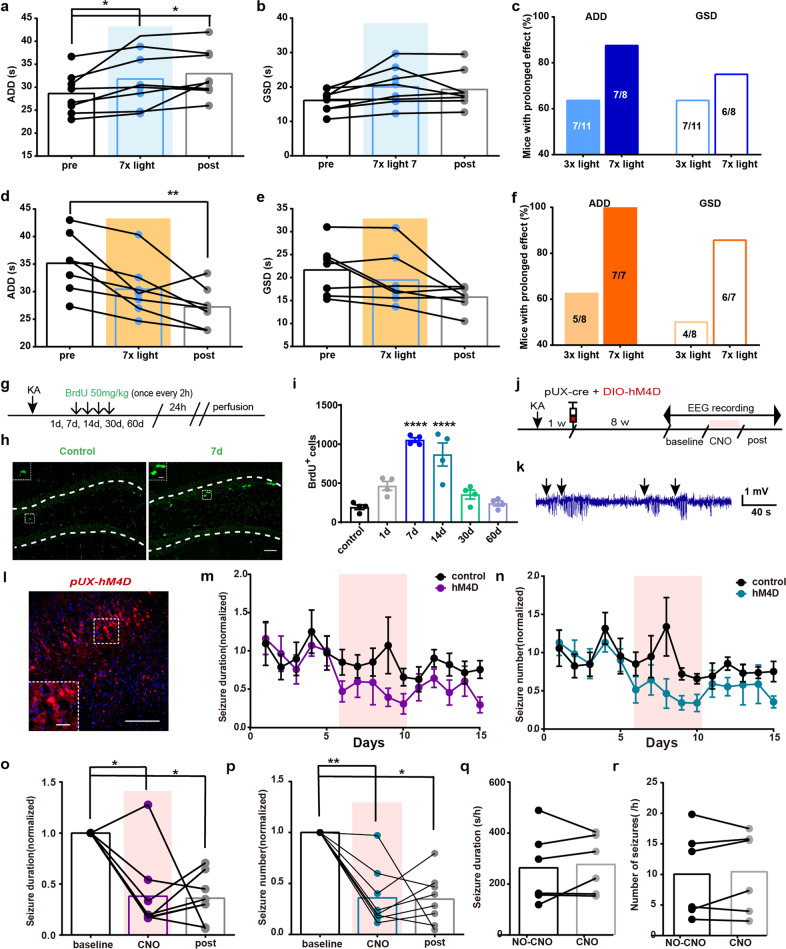
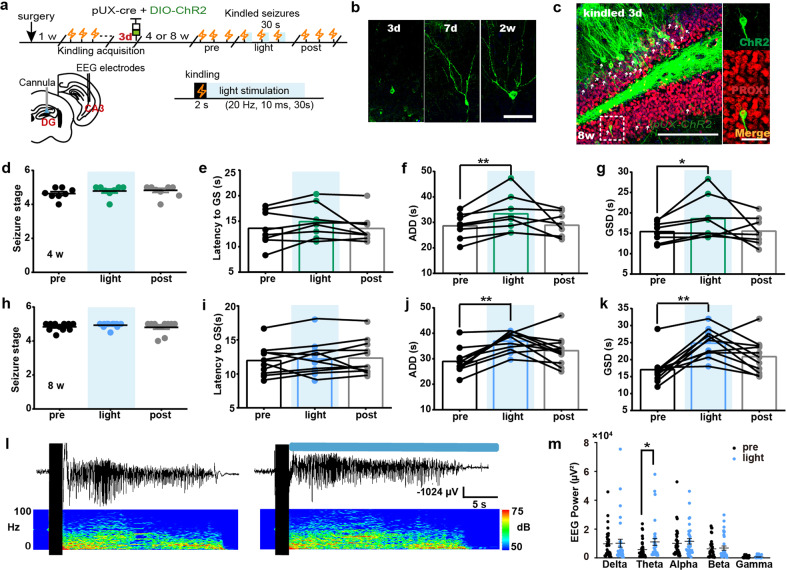
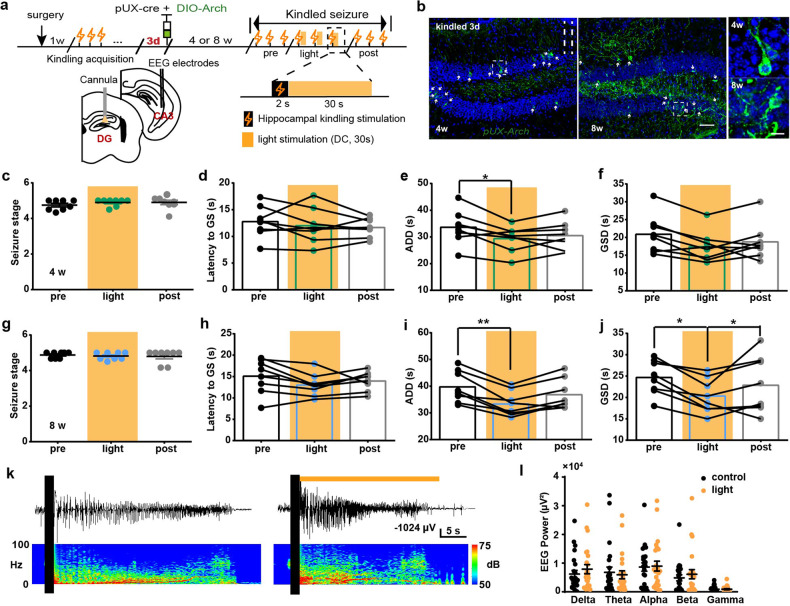
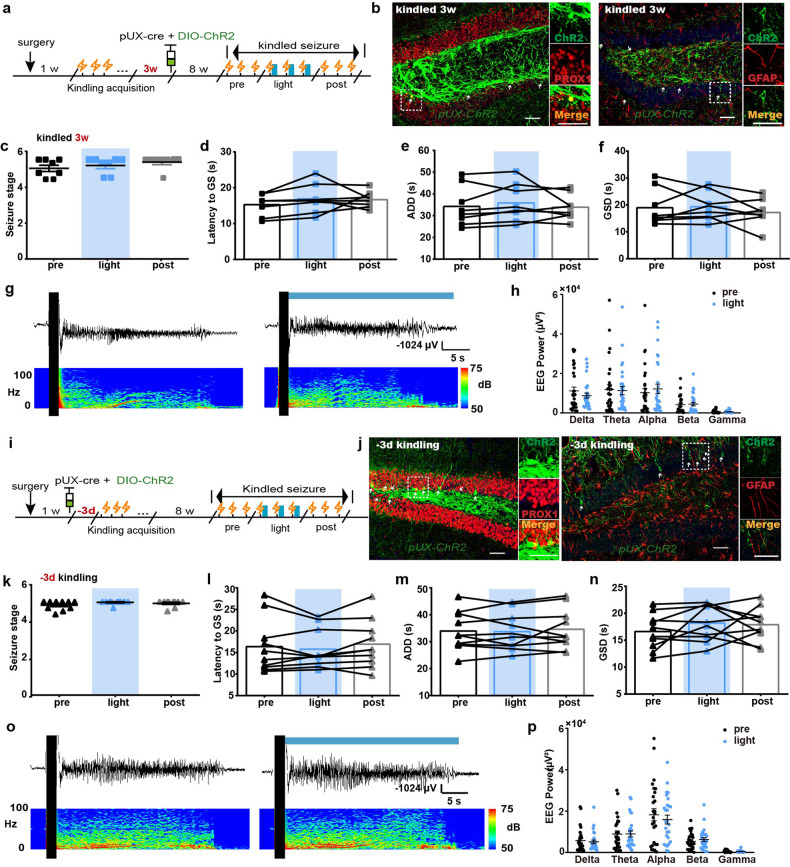
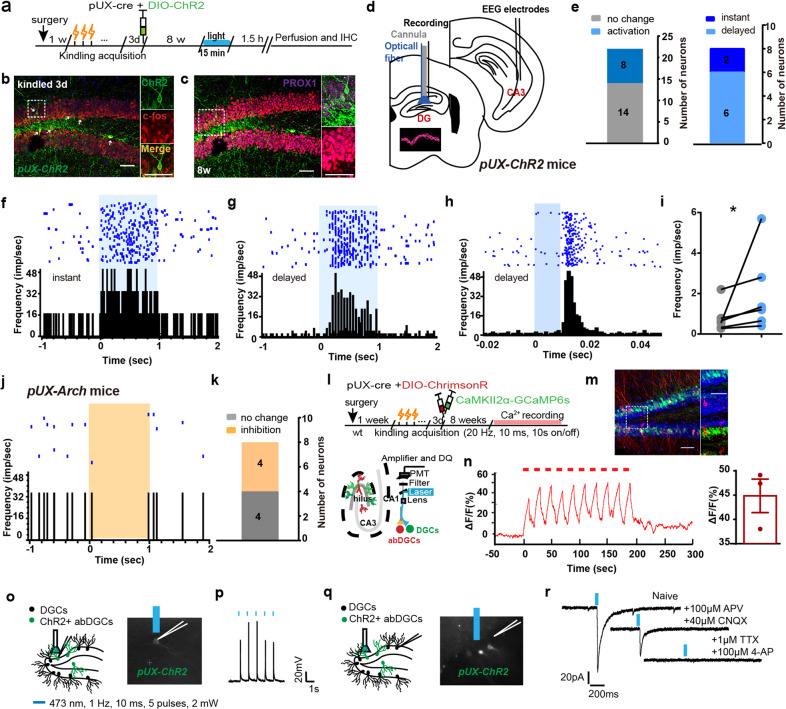
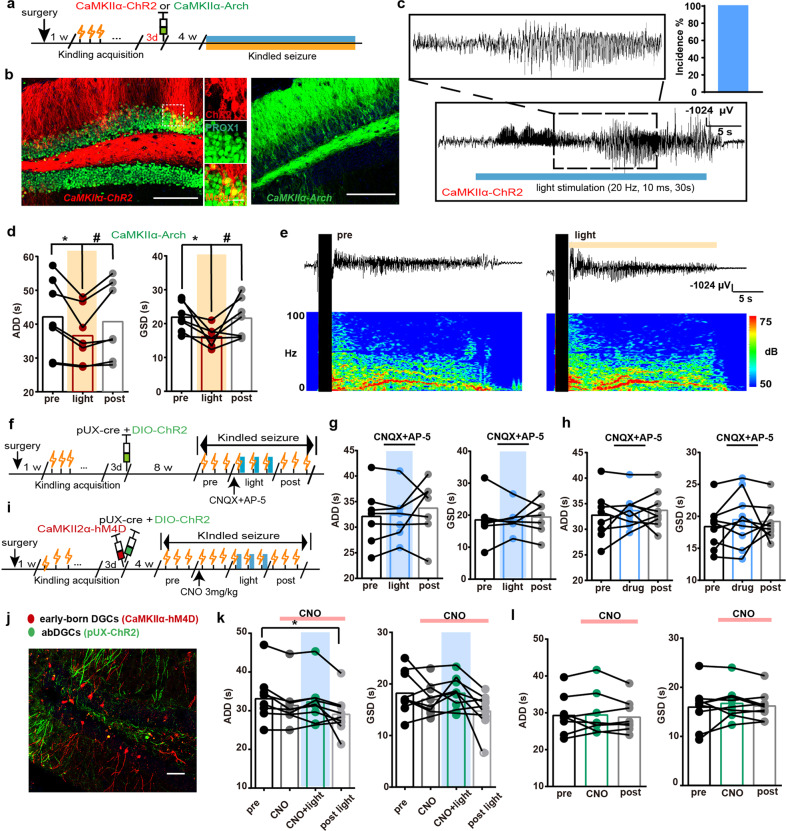
Temporal lobe epilepsy (TLE), one common type of medically refractory epilepsy, is accompanied with altered adult-born dentate granule cells (abDGCs). However, the causal role of abDGCs in recurrent seizures of TLE is not fully understood. Here, taking advantage of optogenetic and chemogenetic tools to selectively manipulate abDGCs in a reversible manner, combined with Ca fiber photometry, trans-synaptic viral tracing, in vivo/vitro electrophysiology approaches, we aimed to test the role of abDGCs born at different period of epileptogenic insult in later recurrent seizures in mouse TLE models. We found that abDGCs were functionally inhibited during recurrent seizures. Optogenetic activation of abDGCs significantly extended, while inhibition curtailed, the seizure duration. This seizure-modulating effect was attributed to specific abDGCs born at a critical early phase after kindled status, which experienced specific type of circuit re-organization. Further, abDGCs extended seizure duration via local excitatory circuit with early-born granule cells (ebDGCs). Repeated modulation of "abDGC-ebDGC" circuit may easily induce a change of synaptic plasticity, and achieve long-term anti-seizure effects in both kindling and kainic acid-induced TLE models. Together, we demonstrate that abDGCs born at a critical period of epileptogenic insult maintain seizure duration via local aberrant excitatory circuits, and inactivation of these aberrant circuits can long-termly alleviate severity of seizures. This provides a deeper and more comprehensive understanding of the potential pathological changes of abDGCs circuit and may be helpful for the precise treatment in TLE.
颞叶癫痫(TLE)是一种常见的药物难治性癫痫,伴随着成年新生齿状回颗粒细胞(abDGCs)的改变。然而,abDGCs 在 TLE 复发性癫痫中的因果作用尚不完全清楚。在这里,我们利用光遗传学和化学遗传学工具以可逆的方式选择性地操纵 abDGCs,结合 Ca 纤维光度法、跨突触病毒追踪、体内/体外电生理学方法,旨在测试在不同癫痫发作期间产生的 abDGCs 在小鼠 TLE 模型中晚期复发性癫痫中的作用。我们发现,abDGCs 在复发性癫痫期间功能受到抑制。abDGCs 的光遗传学激活显著延长了癫痫发作持续时间,而抑制则缩短了癫痫发作持续时间。这种癫痫调节作用归因于在点燃状态后关键早期产生的特定 abDGCs,它们经历了特定类型的电路重新组织。此外,abDGCs 通过早期产生的颗粒细胞(ebDGCs)的局部兴奋性电路延长了癫痫发作持续时间。“abDGC-ebDGC”电路的重复调制可能容易引起突触可塑性的变化,并在点燃和海人酸诱导的 TLE 模型中实现长期抗癫痫作用。总之,我们证明了在癫痫发作的关键时期产生的 abDGCs 通过局部异常兴奋性电路维持癫痫发作持续时间,而这些异常电路的失活可以长期缓解癫痫发作的严重程度。这为 abDGCs 电路的潜在病理变化提供了更深入和更全面的理解,并可能有助于 TLE 的精确治疗。