Department of Pathology, Dana-Farber Cancer Institute, Boston, MA, USA.
Broad Institute of MIT and Harvard, Cambridge, MA, USA.
Nature. 2023 Jun;618(7966):834-841. doi: 10.1038/s41586-023-06156-8. Epub 2023 Jun 7.
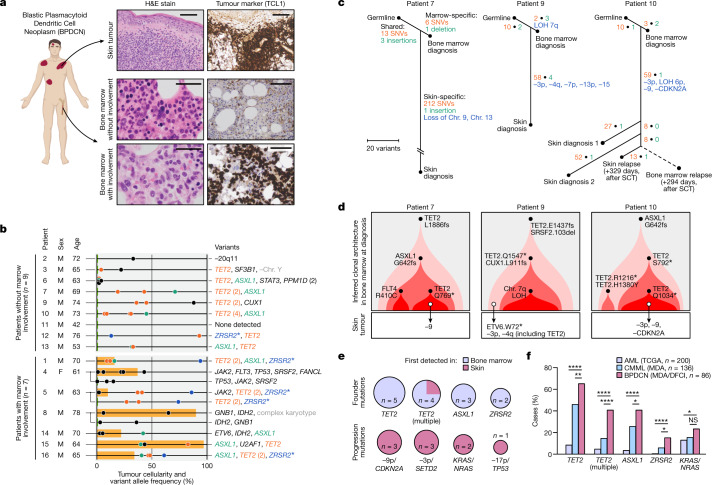
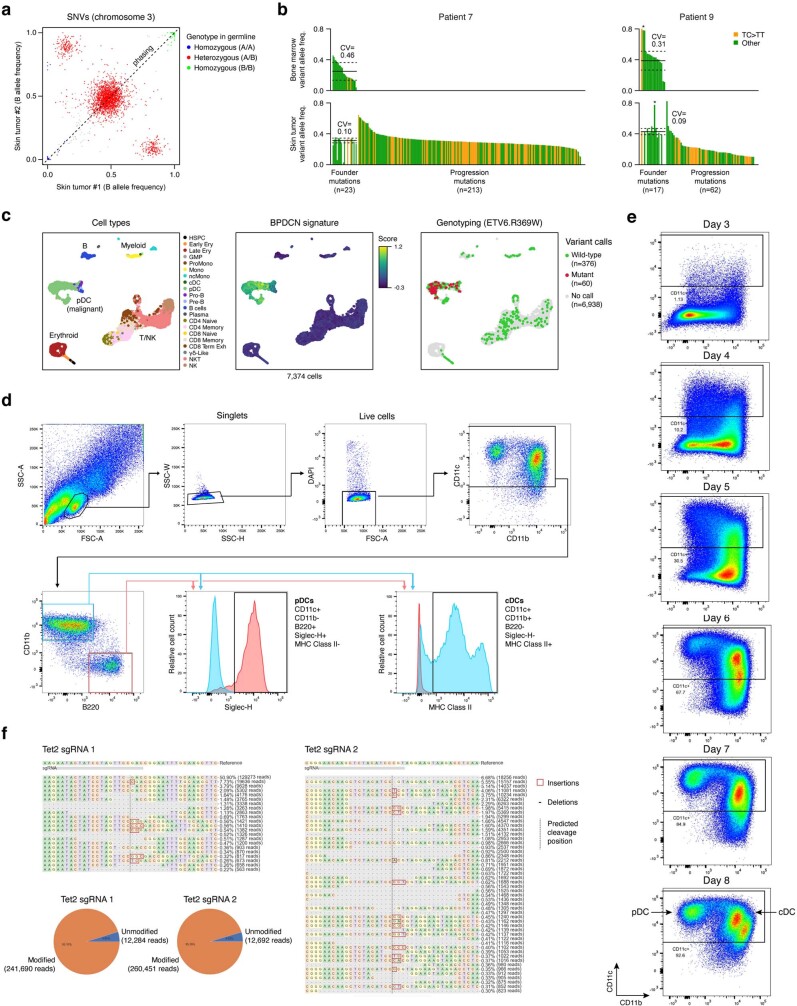
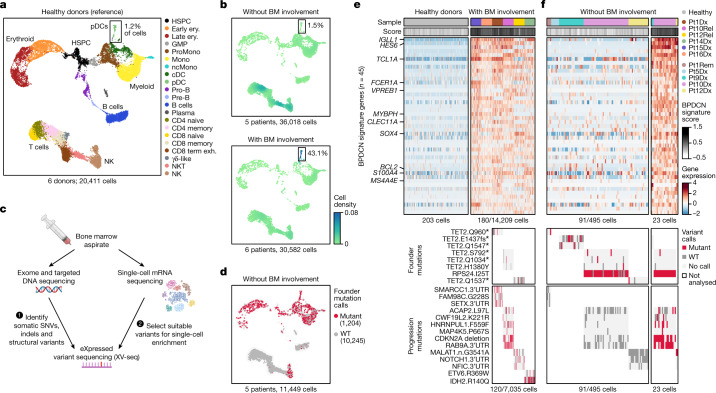
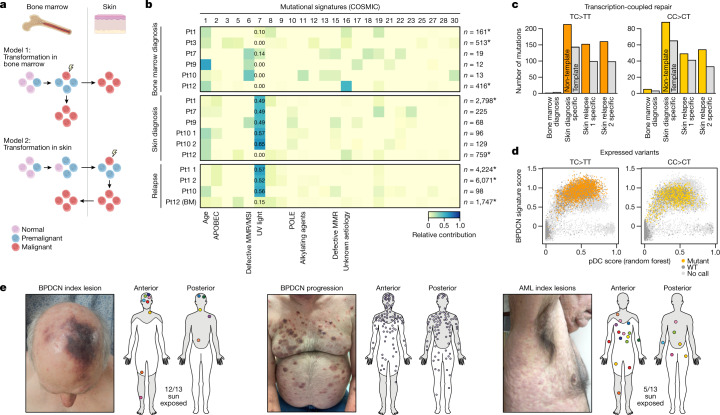
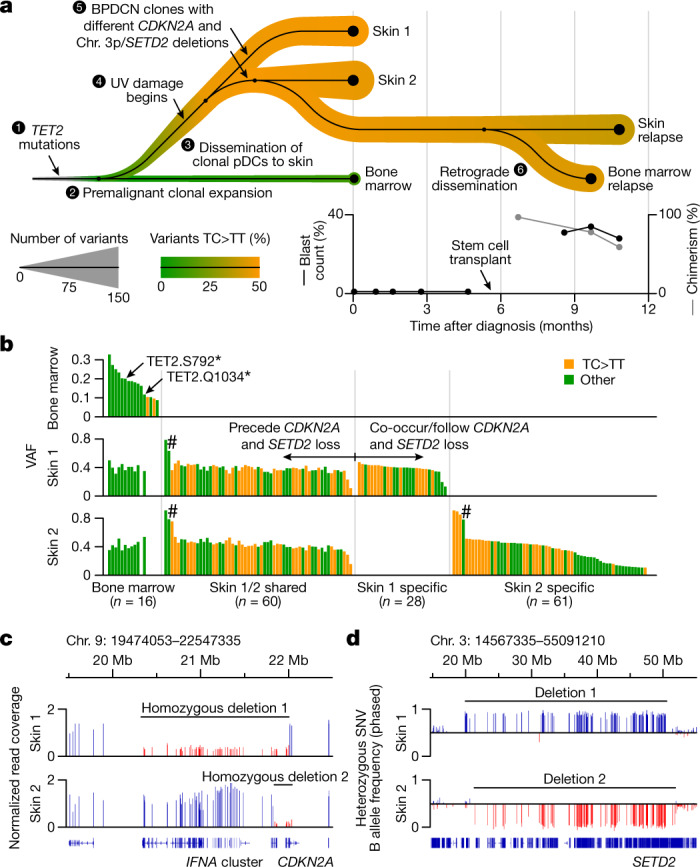
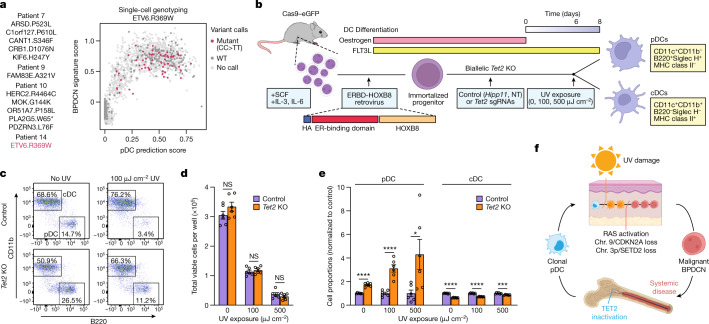
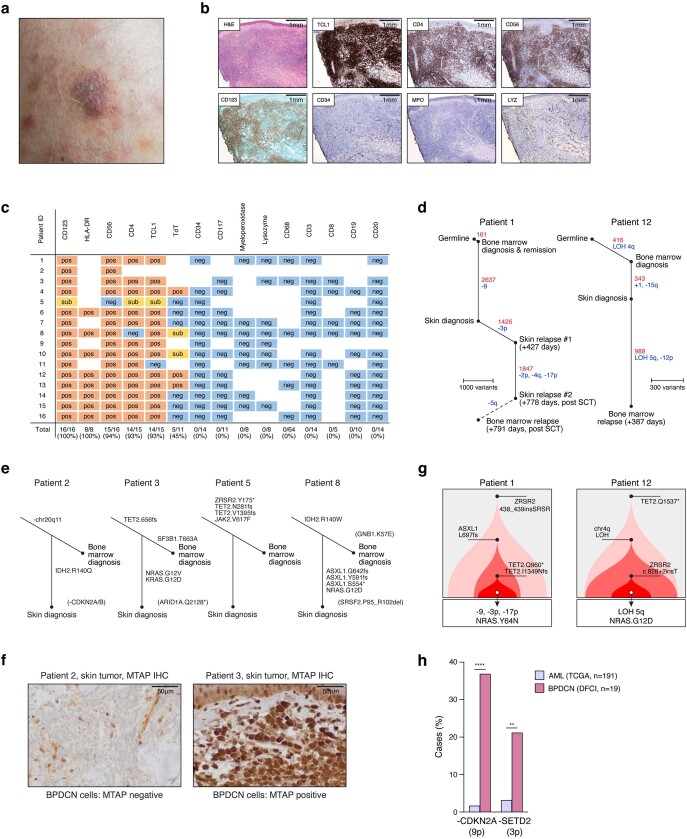
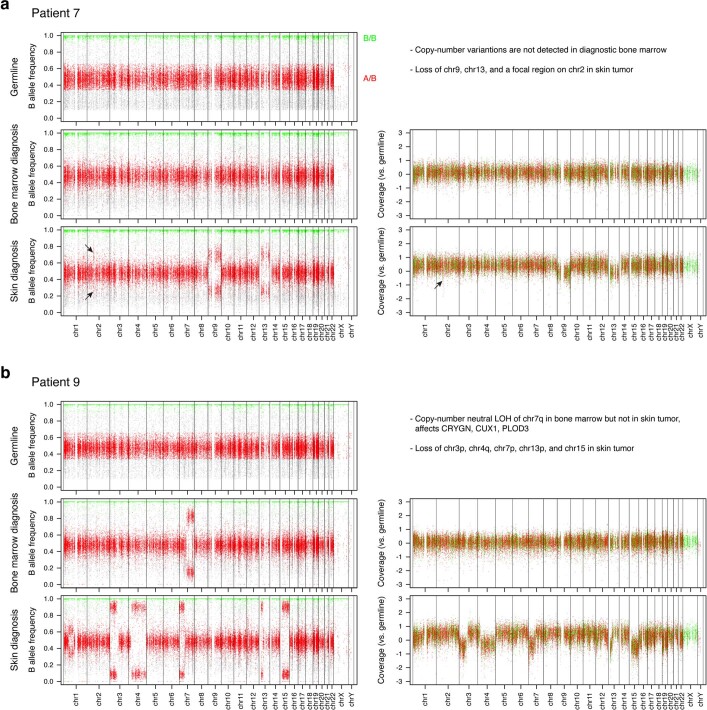
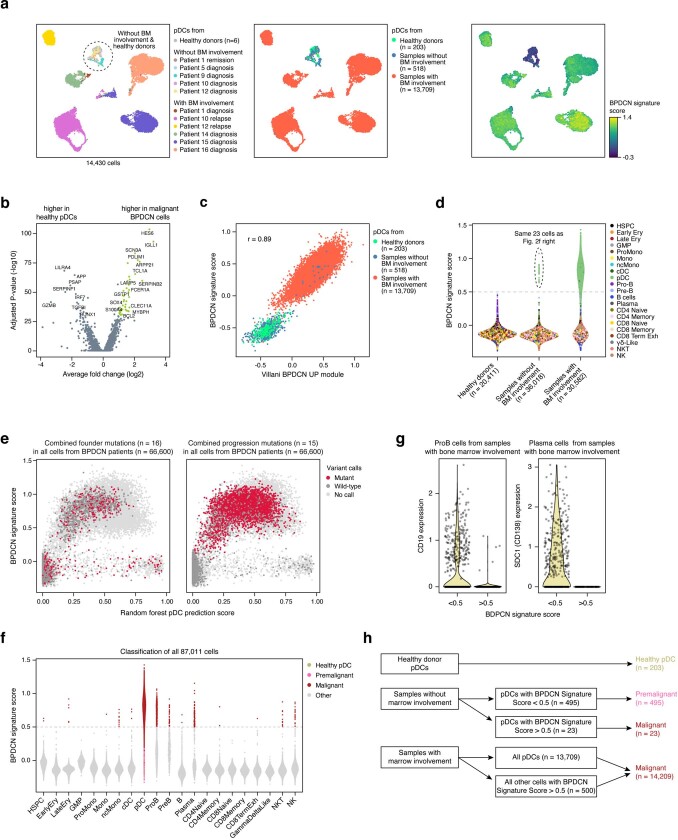
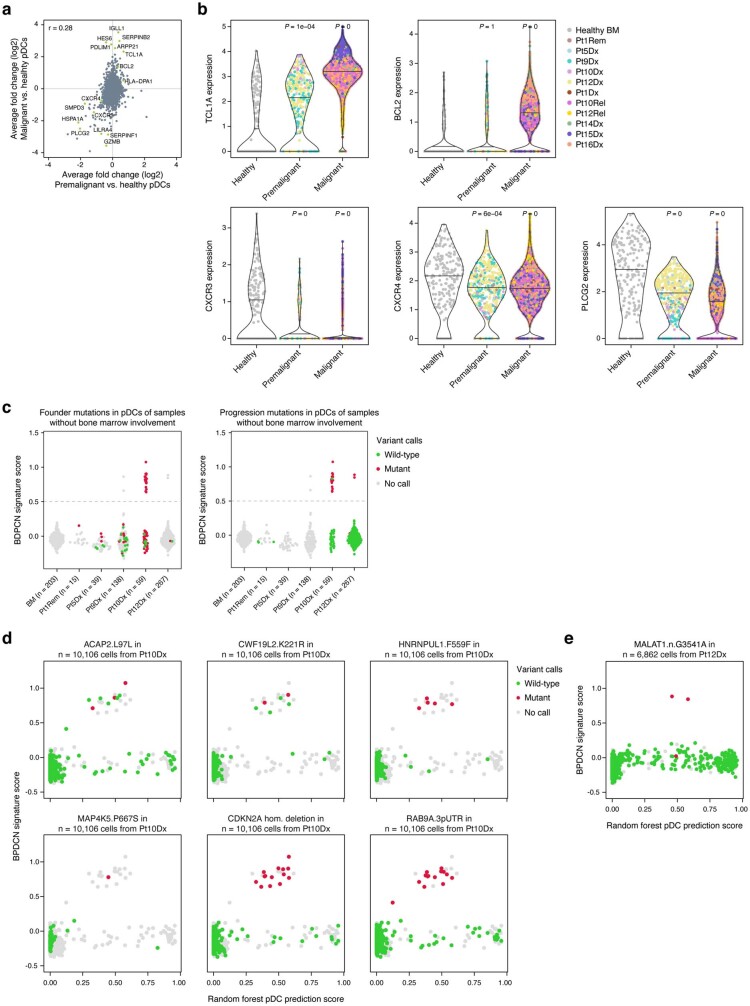
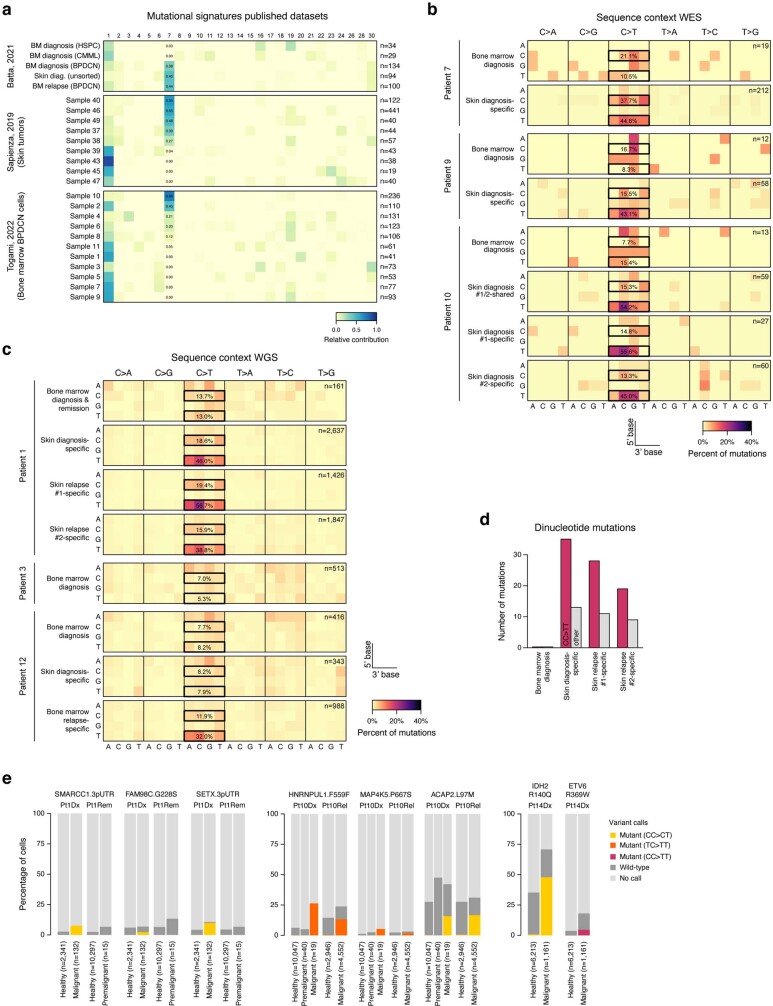
Tumours most often arise from progression of precursor clones within a single anatomical niche. In the bone marrow, clonal progenitors can undergo malignant transformation to acute leukaemia, or differentiate into immune cells that contribute to disease pathology in peripheral tissues. Outside the marrow, these clones are potentially exposed to a variety of tissue-specific mutational processes, although the consequences of this are unclear. Here we investigate the development of blastic plasmacytoid dendritic cell neoplasm (BPDCN)-an unusual form of acute leukaemia that often presents with malignant cells isolated to the skin. Using tumour phylogenomics and single-cell transcriptomics with genotyping, we find that BPDCN arises from clonal (premalignant) haematopoietic precursors in the bone marrow. We observe that BPDCN skin tumours first develop at sun-exposed anatomical sites and are distinguished by clonally expanded mutations induced by ultraviolet (UV) radiation. A reconstruction of tumour phylogenies reveals that UV damage can precede the acquisition of alterations associated with malignant transformation, implicating sun exposure of plasmacytoid dendritic cells or committed precursors during BPDCN pathogenesis. Functionally, we find that loss-of-function mutations in Tet2, the most common premalignant alteration in BPDCN, confer resistance to UV-induced cell death in plasmacytoid, but not conventional, dendritic cells, suggesting a context-dependent tumour-suppressive role for TET2. These findings demonstrate how tissue-specific environmental exposures at distant anatomical sites can shape the evolution of premalignant clones to disseminated cancer.
肿瘤通常起源于单个解剖部位内前体细胞克隆的进展。在骨髓中,克隆祖细胞可发生恶性转化为急性白血病,或分化为免疫细胞,导致外周组织疾病病理。骨髓外,这些克隆可能会受到各种组织特异性突变过程的影响,但目前尚不清楚其后果。在这里,我们研究了原始骨髓细胞性树突状细胞肿瘤(BPDCN)的发展 - 这是一种罕见的急性白血病形式,通常表现为孤立于皮肤的恶性细胞。我们通过肿瘤系统发生基因组学和单细胞转录组学与基因分型发现,BPDCN 起源于骨髓中克隆(癌前)造血前体。我们观察到 BPDCN 皮肤肿瘤首先在暴露于阳光的解剖部位发展,并具有由紫外线(UV)辐射诱导的克隆性扩展突变所区分。肿瘤系统发生重建揭示了 UV 损伤可以先于与恶性转化相关的改变的获得,这暗示了在 BPDCN 发病机制中,紫外线暴露于浆细胞样树突状细胞或定型前体。功能上,我们发现 BPDCN 中最常见的癌前改变 Tet2 的功能丧失突变赋予了浆细胞样但不是常规树突状细胞对 UV 诱导的细胞死亡的抗性,这表明 TET2 在特定于环境的情况下具有肿瘤抑制作用。这些发现表明,来自远处解剖部位的组织特异性环境暴露如何塑造癌前克隆向播散性癌症的演变。