Trautman Ariadne, Gurumoorthy Aarabhi, Hansen Keith A
University of South Dakota Sanford School of Medicine, Suite 2400, 409 Summit St, Yankton, SD, USA.
Sanford Health, 2301 East 60th St N, Sioux Falls, SD, 57104, USA.
Basic Clin Androl. 2023 Jun 8;33(1):14. doi: 10.1186/s12610-023-00189-9.
The evaluation of the infertile couple is often complex as multiple factors in both the male and female can contribute, including social history. Previous studies have displayed that male ethanol consumption can disturb sperm motility, nuclear maturity, and deoxyribonucleic acid (DNA) integrity. The main purpose of this study is to evaluate the effects of male alcohol use on sperm chromatin structure analysis (SCSA®). This study was a retrospective chart review of 209 couples that presented to a midsize infertility clinic in the Midwest and had a semen analysis and SCSA® performed. Data extracted from the electronic medical record included demographics, tobacco use, alcohol use, occupational exposures, semen analysis results, and SCSA® results (DNA Fragmentation index (DFI) and High DNA stainability (HDS)). Statistical analysis was performed on this data set to determine significance with a p-level of 0.05, with the primary input being level of alcohol use and primary outcome being the SCSA® parameters.
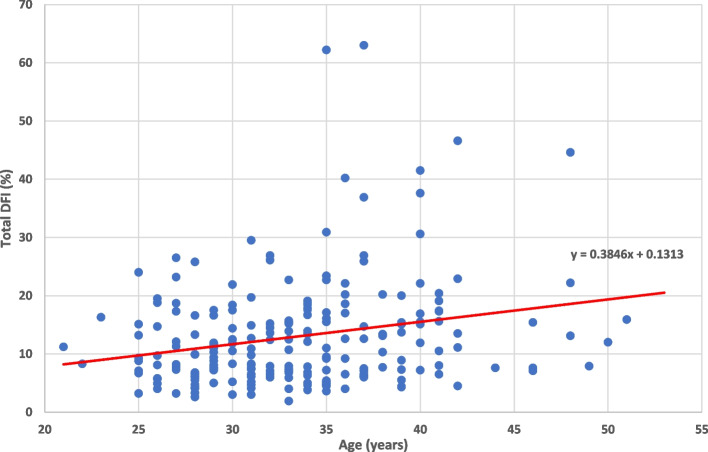
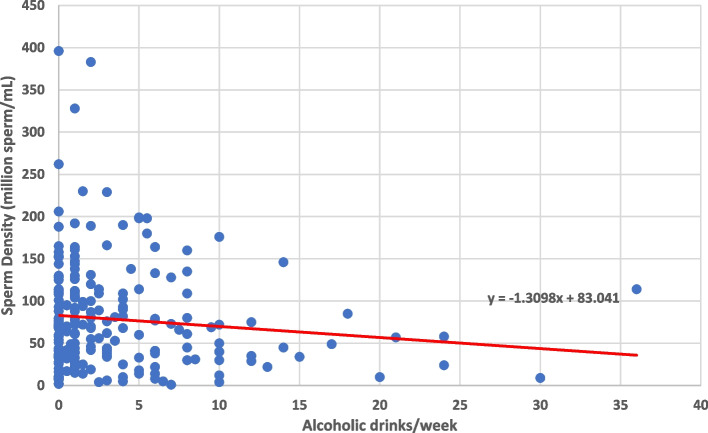
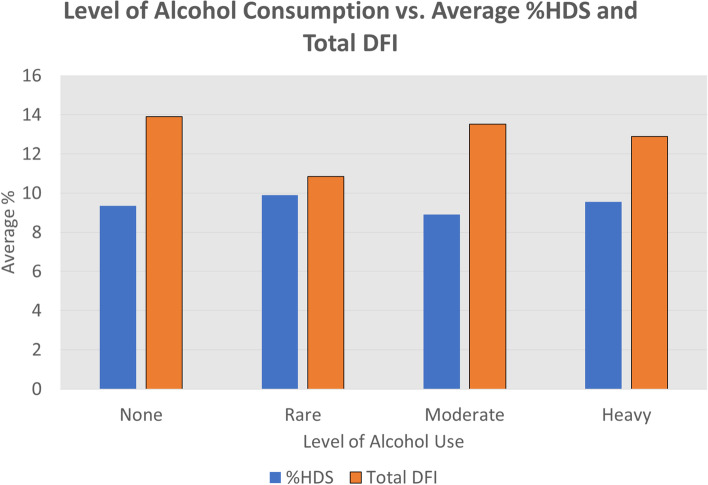
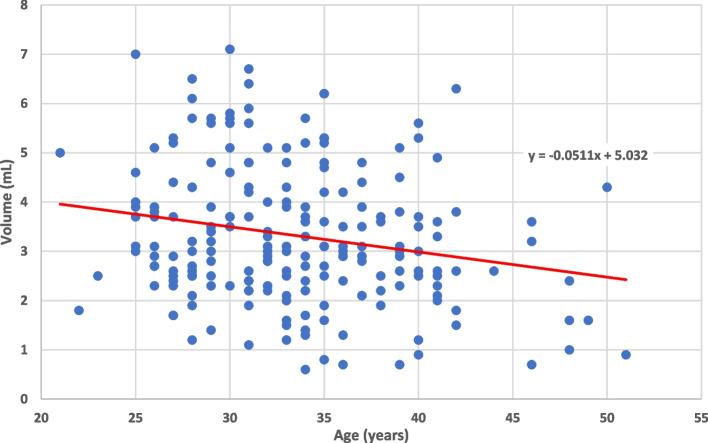
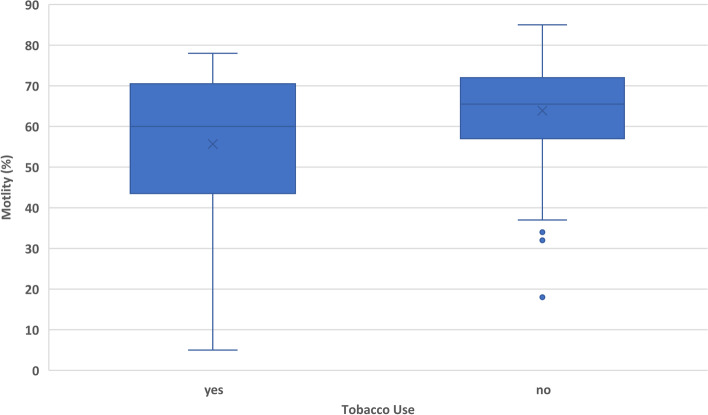
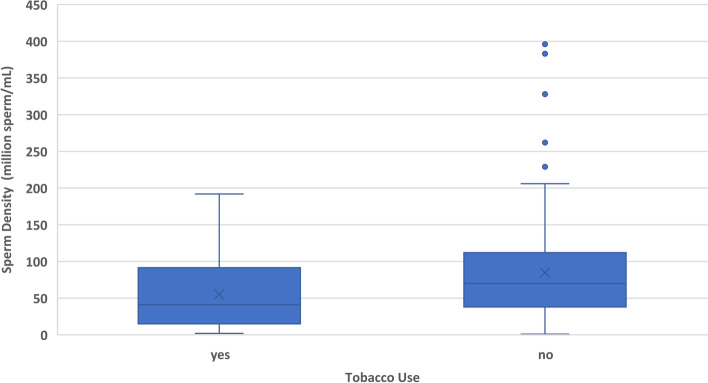
Overall, 11% of the cohort had heavy alcohol use (> 10 drinks/week), 27% moderate (3-10/week), 34% rare (0.5- < 3/week), and 28% none. 36% of the cohort had HDS > 10% (a marker of immature sperm chromatin). Level of alcohol use was not significantly associated with HDS > 10% or DFI. Heavier alcohol use was significantly associated with lower sperm count (p = 0.042). Increasing age was significantly associated with increasing DNA Fragmentation Index (p = 0.006), increased sperm count (p = 0.002), and lower semen volume (p = 0.022). Exposure to heat at work was significantly associated with lower semen volume (p = 0.042). Tobacco use was associated with lower sperm motility (p < 0.0001) and lower sperm count (p = 0.002).
There was not a significant association between the level of alcohol use and the High DNA Stainability or DNA Fragmentation Index of sperm. Increasing age was associated with semen parameters as expected, heat exposure was associated with lower semen volume, and tobacco use was associated with lower sperm motility and density. Further studies could investigate alcohol use and reactive oxidative species in sperm.
对不孕夫妇的评估往往很复杂,因为男性和女性的多种因素都可能起作用,包括社会史。先前的研究表明,男性饮酒会干扰精子活力、核成熟度和脱氧核糖核酸(DNA)完整性。本研究的主要目的是评估男性饮酒对精子染色质结构分析(SCSA®)的影响。本研究是一项对209对夫妇的回顾性病历审查,这些夫妇前往中西部一家中型不孕不育诊所就诊,并进行了精液分析和SCSA®检测。从电子病历中提取的数据包括人口统计学信息、吸烟情况、饮酒情况、职业暴露、精液分析结果和SCSA®结果(DNA碎片化指数(DFI)和高DNA染色性(HDS))。对该数据集进行统计分析,以确定显著性,p值为0.05,主要输入变量为饮酒水平,主要结果变量为SCSA®参数。
总体而言,该队列中11%的人大量饮酒(>10杯/周),27%的人中度饮酒(3 - 10杯/周),34%的人偶尔饮酒(0.5 - <3杯/周),28%的人不饮酒。该队列中36%的人HDS>10%(精子染色质不成熟的一个指标)。饮酒水平与HDS>10%或DFI无显著关联。大量饮酒与精子数量降低显著相关(p = 0.042)。年龄增长与DNA碎片化指数增加显著相关(p = 0.006)、精子数量增加(p = 0.002)以及精液量降低显著相关(p = 0.022)。工作中接触高温与精液量降低显著相关(p = 0.042)。吸烟与精子活力降低(p < 0.0001)和精子数量降低(p = 0.002)相关。
饮酒水平与精子的高DNA染色性或DNA碎片化指数之间没有显著关联。正如预期的那样,年龄增长与精液参数相关,高温暴露与精液量降低相关,吸烟与精子活力和密度降低相关。进一步的研究可以调查饮酒与精子中的活性氧物种。