Institute of Archaeology, The Hebrew University of Jerusalem, Jerusalem, Israel.
CNRS, UAR 3132 Centre de Recherche français à Jérusalem (CRFJ), Jerusalem, Israel.
Sci Rep. 2023 Jun 9;13(1):8709. doi: 10.1038/s41598-023-35700-9.
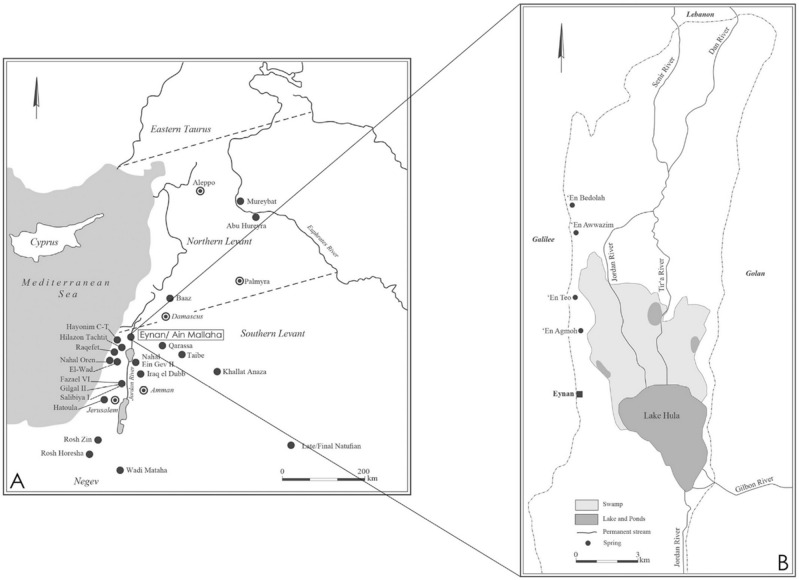
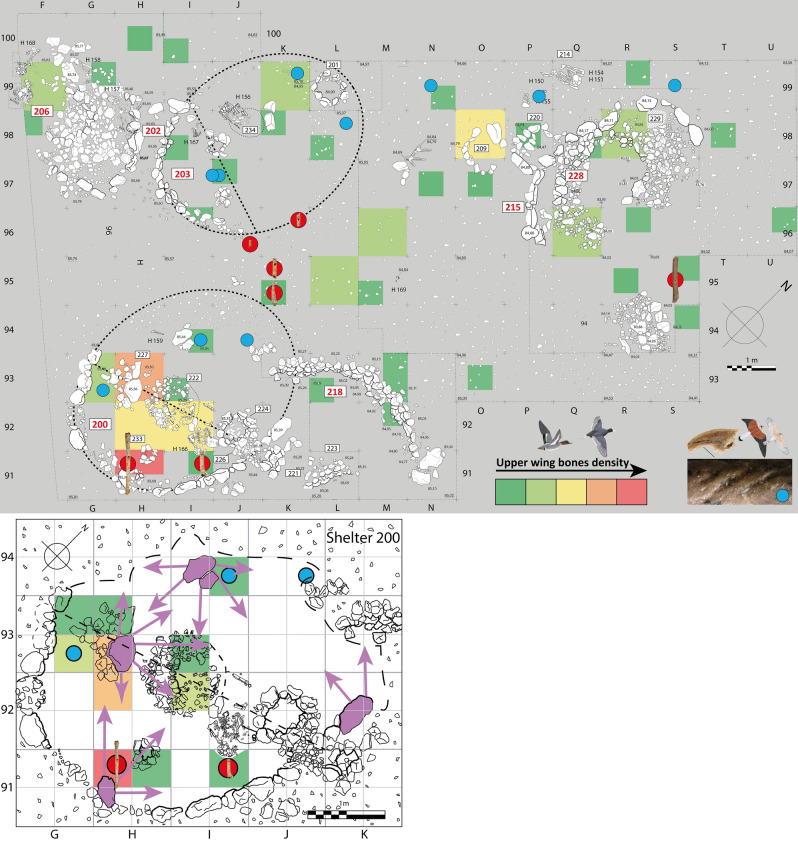
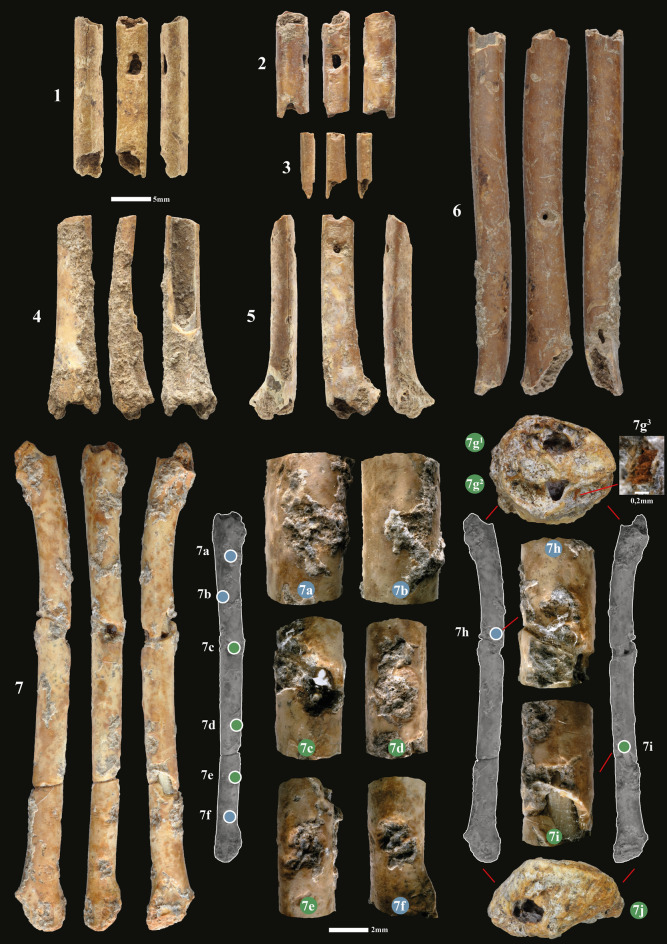
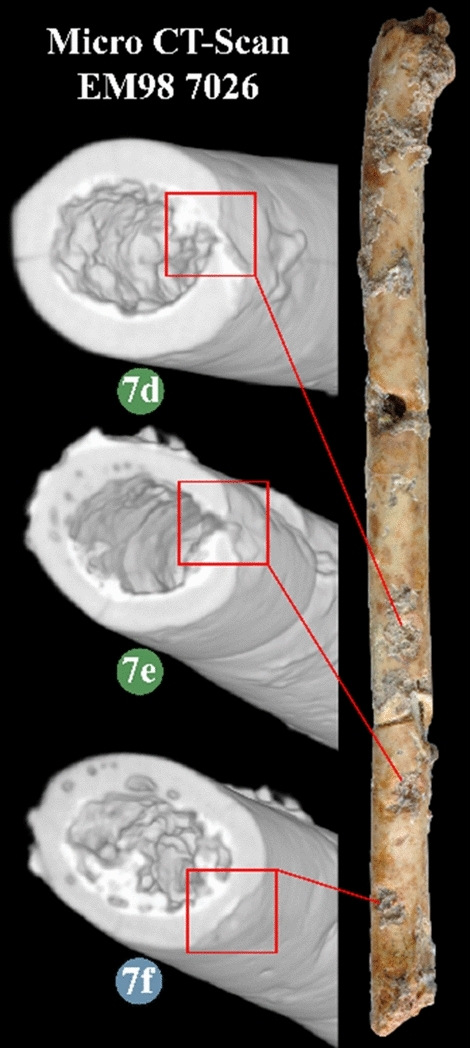
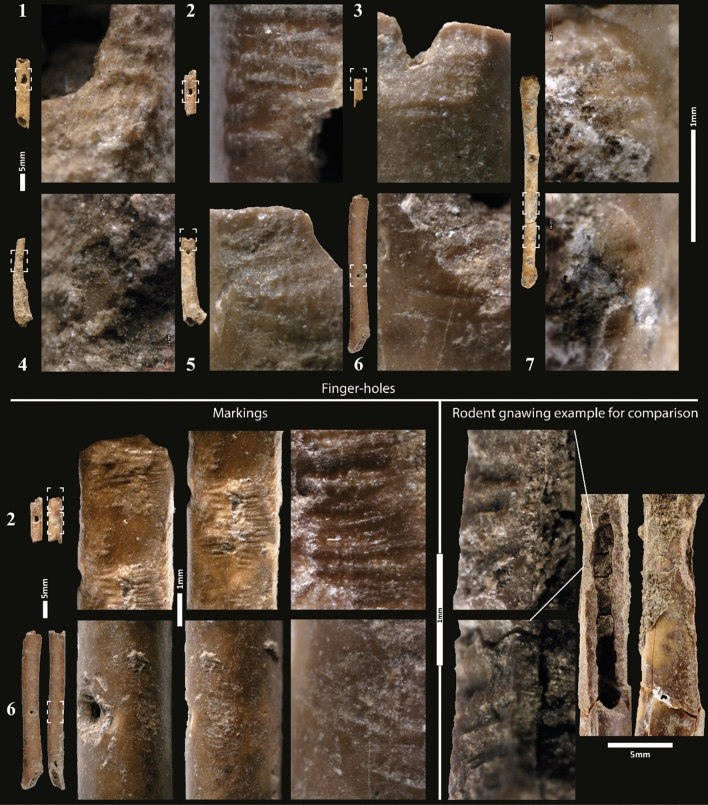
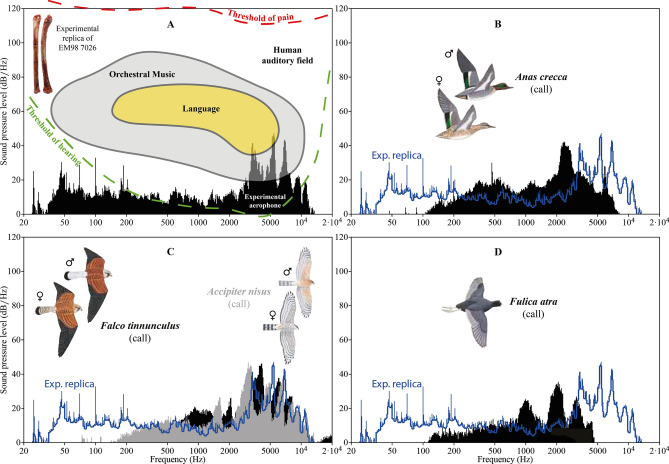
Direct evidence for Palaeolithic sound-making instruments is relatively rare, with only a few examples recorded from Upper Palaeolithic contexts, particularly in European cultures. However, theoretical considerations suggest that such artefacts have existed elsewhere in the world. Nevertheless, evidence for sound production is tenuous in the prehistoric archaeological record of the Levant, the study of music and its evolution being sparsely explored. Here we report new evidence for Palaeolithic sound-making instruments from the Levant with the discovery of seven aerophones made of perforated bird bones in the Final Natufian site of Eynan-Mallaha, Northern Israel. Through technological, use-wear, taphonomic, experimental and acoustical analyses, we demonstrate that these objects were intentionally manufactured more than 12,000 years ago to produce a range of sounds similar to raptor calls and whose purposes could be at the crossroads of communication, attracting hunting prey and music-making. Although similar aerophones are documented in later archaeological cultures, such artificial bird sounds were yet to be reported from Palaeolithic context. Therefore, the discovery from Eynan-Mallaha contributes new evidence for a distinctive sound-making instrument in the Palaeolithic. Through a combined multidisciplinary approach, our study provides important new data regarding the antiquity and development of the variety of sound-making instruments in the Palaeolithic at large and particularly at the dawn of the Neolithic in the Levant.
直接证据表明,旧石器时代的乐器相对较少,仅在一些旧石器时代晚期的欧洲文化中记录到了一些例子。然而,理论上的考虑表明,这种器物在世界其他地方也存在。尽管如此,在黎凡特的史前考古记录中,声音制作的证据仍然很薄弱,对音乐及其演变的研究也很少被探索。在这里,我们报告了来自黎凡特的旧石器时代乐器的新证据,在以色列北部的埃南-马拉哈的最后一个纳图夫遗址发现了七个用穿孔鸟骨制成的气鸣乐器。通过技术、使用痕迹、埋藏学、实验和声学分析,我们证明这些物体是在 12000 多年前被故意制造出来的,以产生一系列类似于猛禽叫声的声音,其用途可能在沟通、吸引狩猎猎物和音乐制作之间的交叉点。尽管在后来的考古文化中也有类似的气鸣乐器,但在旧石器时代的背景下还没有报道过这种人造鸟声。因此,埃南-马拉哈的发现为旧石器时代独特的发声乐器提供了新的证据。通过综合多学科的方法,我们的研究为旧石器时代各种发声乐器的古老性和发展提供了重要的新数据,特别是在黎凡特新石器时代的黎明时期。